However, amidst rapid urbanization and tourism development, many coastal villages are facing a crossroads: either they will be swept along by the whirlwind of modernization, or they will be "confined" as mere cultural exhibits, losing their inherent vibrancy.
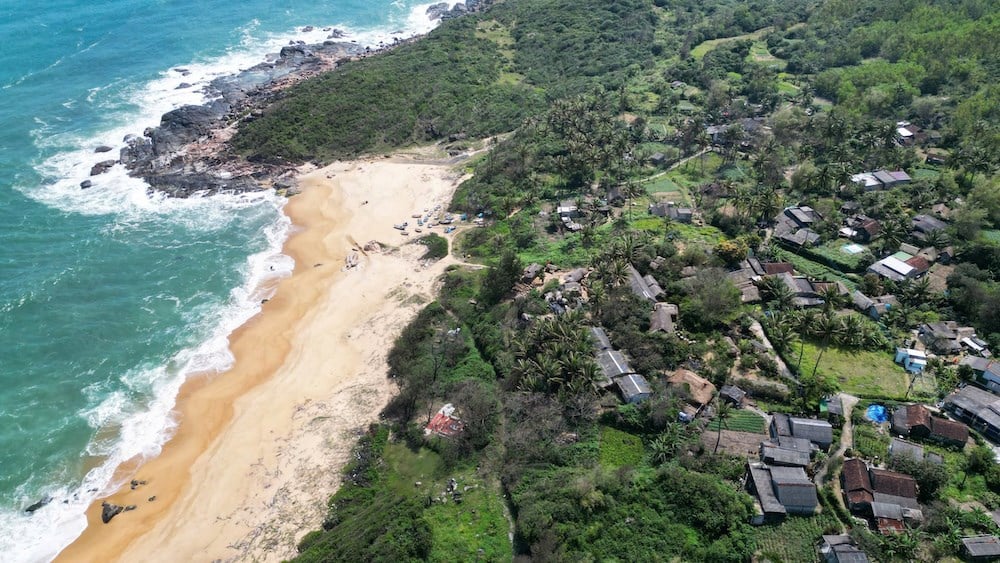
The challenge is not only to preserve intangible heritage, but also to find ways to connect culture and community livelihoods, so that traditional values are not only "preserved" but also "revived" within the context of modern life.
The lullabies and folk songs have not yet faded away.
Central Vietnam is not only famous for its beautiful beaches but also for preserving many precious intangible cultural values of the coastal inhabitants.
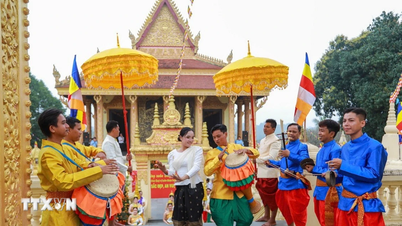
The traditional folk songs of Hue, the Bài Chòi folk theater of Quang Nam and Quang Ngai, and the drumming and chanting of the Bả Trạo folk songs at Da Nang's folk festivals are gradually being revived and rekindled in contemporary life.
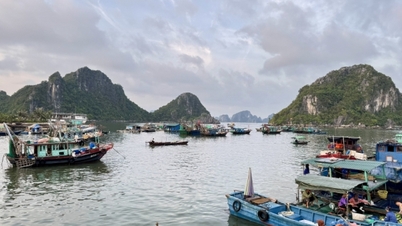
Along the coast of Hue City, fishing villages such as Thuan An, Phu Thuan, and Phu Hai still preserve traditional folk songs like "mai nhi," "mai day," and lullabies.
Mrs. Tran Thi Phuoc, 73 years old, residing in Thuan An ward, shared: "I learned the folk songs from my mother and grandmother, and now I am passing them on to my grandchildren in the village. Every time there's a festival, wedding, or when fishermen go out to sea or pray for a good catch, we have the opportunity to sing these folk songs."
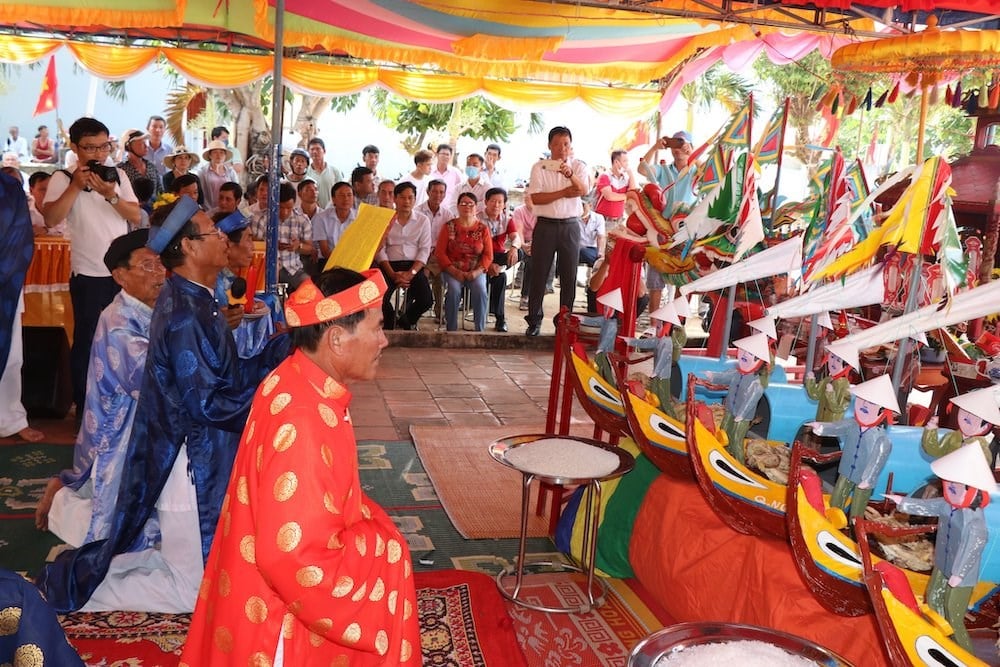
In Da Nang, coastal localities such as Man Thai, Tho Quang (Son Tra), and Hoa Hiep (Lien Chieu) also preserve folk rituals and performances, such as the Fishing Festival and the Ba Trao festival.
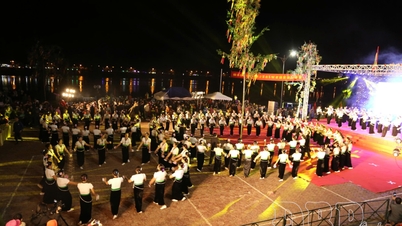
In recent years, the local Department of Culture has revived many folk art activities associated with traditional festivals, and sent traditional dance troupes to perform at major events such as the Quan The Am Festival and the Da Nang Enjoyment Festival.



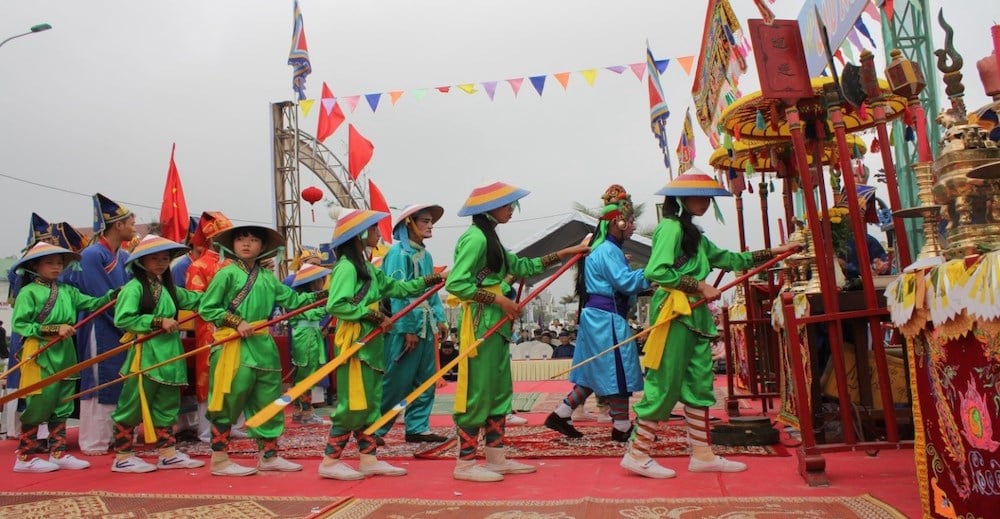
In Quang Ngai, coastal villages such as Sa Huynh, Tinh Ky, and Tinh Khe were once the venues for many traditional folk singing performances, including Bai Choi singing, Chau Van dancing, and Sac Bua singing.
Over the years, the province has registered and documented many national intangible cultural heritage sites, and organized classes to teach folk art to students and young people in the community.
Heritage is not just for display.
In the context of globalization and rapid urbanization, preserving intangible coastal heritage faces numerous challenges. Young people show little interest in traditional culture, community life is undergoing significant changes, while the number of skilled artisans is dwindling.

However, in many localities, the government and community are beginning to be more proactive in preserving heritage. Hue City is implementing the project "Preserving Folk Songs of the Coastal Area," building community performance spaces.
Da Nang organizes many competitions and festivals of traditional folk singing groups every year; and integrates folk culture into school activities through extracurricular programs.
Quang Ngai is promoting a "socialization" model in the restoration of Bài Chòi (a traditional Vietnamese folk game), collaborating with researchers and artists to digitize folk heritage and develop tourism linked to cultural experiences.
Many cultural researchers argue that the revival of heritage must be linked to the practical needs of the community and create incentives for livelihood development. Culture cannot simply be "displayed" as a museum exhibit; instead, it needs to be brought back into life, becoming a part of daily living.
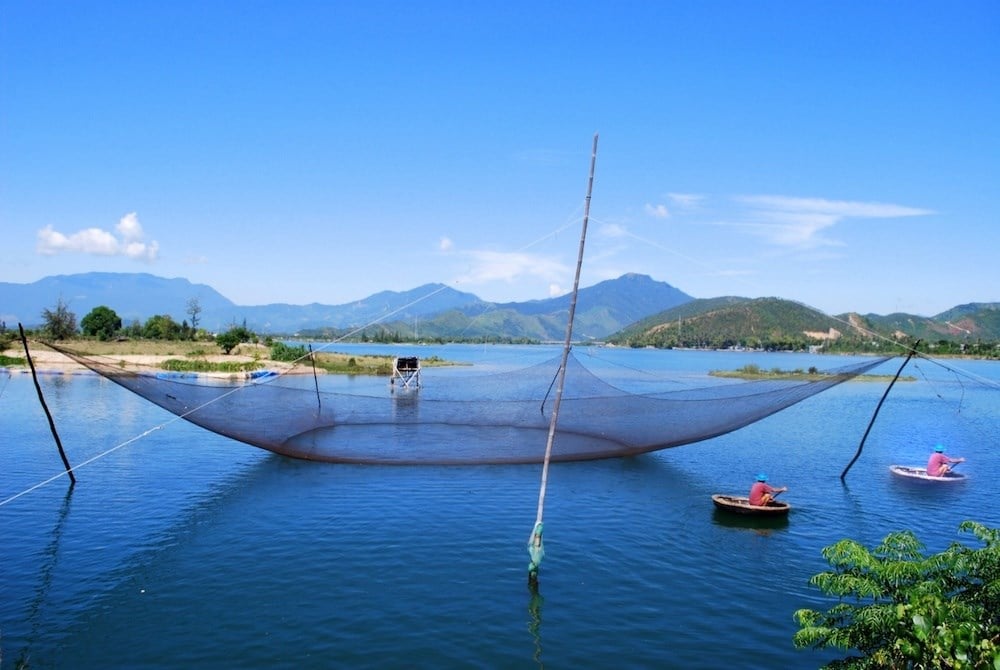


“For the traditional Bả Trạo singing to survive, there must be performers, listeners, and a supportive community environment,” shared Mr. Nguyen Van Lam (Son Tra, Da Nang). “I’m happy that every year Hoi An invites the troupe to perform during Tet (Lunar New Year). Tourists love it; they even ask if we have recordings or books to take home.”
Combining conservation with community-based and experiential tourism models is a viable approach. When tourists not only visit beautiful scenery but also enjoy the sounds of the sea and experience the cultural atmosphere of a coastal village, the heritage truly comes alive.
Preserving the intangible cultural heritage of coastal regions is not just a matter of the past. It is a commitment to future generations about a Central Vietnam that is not only about sunshine, wind, and sea waves, but also about lullabies, folk songs, the sounds of memories, and identity.
The quiet revival of these heritage sites is opening a new chapter – a journey to keep the cultural flame alive and enrich the potential for sustainable coastal tourism.
Source: https://baovanhoa.vn/van-hoa/bai-1-mach-song-tu-lang-ra-khoi-150179.html










![[Video] Experts predict: Typhoon No. 1 is likely to enter the Gulf of Tonkin, causing very heavy rain in the Northeast region.](https://vphoto.vietnam.vn/thumb/402x226/vietnam/resource/IMAGE/2026/07/03/1783084195895_z8004474966557-2e5d8dd84c53d976b830d2de88ab7766-3999-jpg.webp)



![[Video] Weather forecast for tonight and tomorrow, July 4, 2026: The remnants of Typhoon No. 1 will cause widespread and prolonged heavy rain in Northern Vietnam.](https://vphoto.vietnam.vn/thumb/402x226/vietnam/resource/IMAGE/2026/07/03/1783083905760_thum-dem-png.webp)