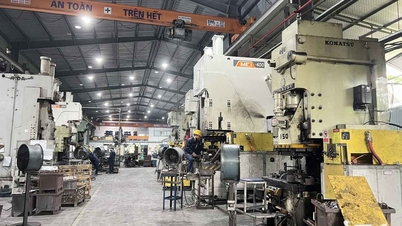
Disbursing public investment capital is one of the key tasks, playing a decisive role in promoting economic growth, improving infrastructure, and ensuring social welfare. When leadership and management are decisive, progress discipline is tightened, and specific responsibilities are assigned to each project, construction, and entity, public investment capital will not only be disbursed according to plan but will also act as a "lever," creating a "boost" for socio-economic development.
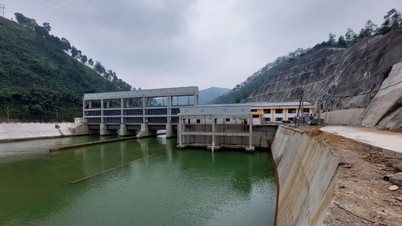
In the early days of 2026, the atmosphere at key construction sites and projects in the province was one of urgent and bustling activity. Machinery and equipment were mobilized to the maximum; workers worked in shifts, day and night, to ensure progress. The pace of construction was a continuation of the results of public investment capital disbursement in 2025 - a year in which Lao Cai continued to be among the localities with the highest disbursement rates nationwide.
When public investment capital is allocated promptly, implemented decisively, and closely linked to the responsibility of the head of each agency, the capital flow quickly transforms into concrete projects and items, creating momentum to promote socio-economic development right from the first months of the year.

Recognizing that 2026 is a crucial year for completing many key transportation infrastructure projects, the province directed relevant departments, investors, and project management boards to proactively develop detailed construction plans as early as the end of 2025, ensuring uninterrupted work even when weather conditions were favorable. As a result, all eligible items were implemented simultaneously, with construction progressing while payment documentation was being finalized, leading to increased disbursement.
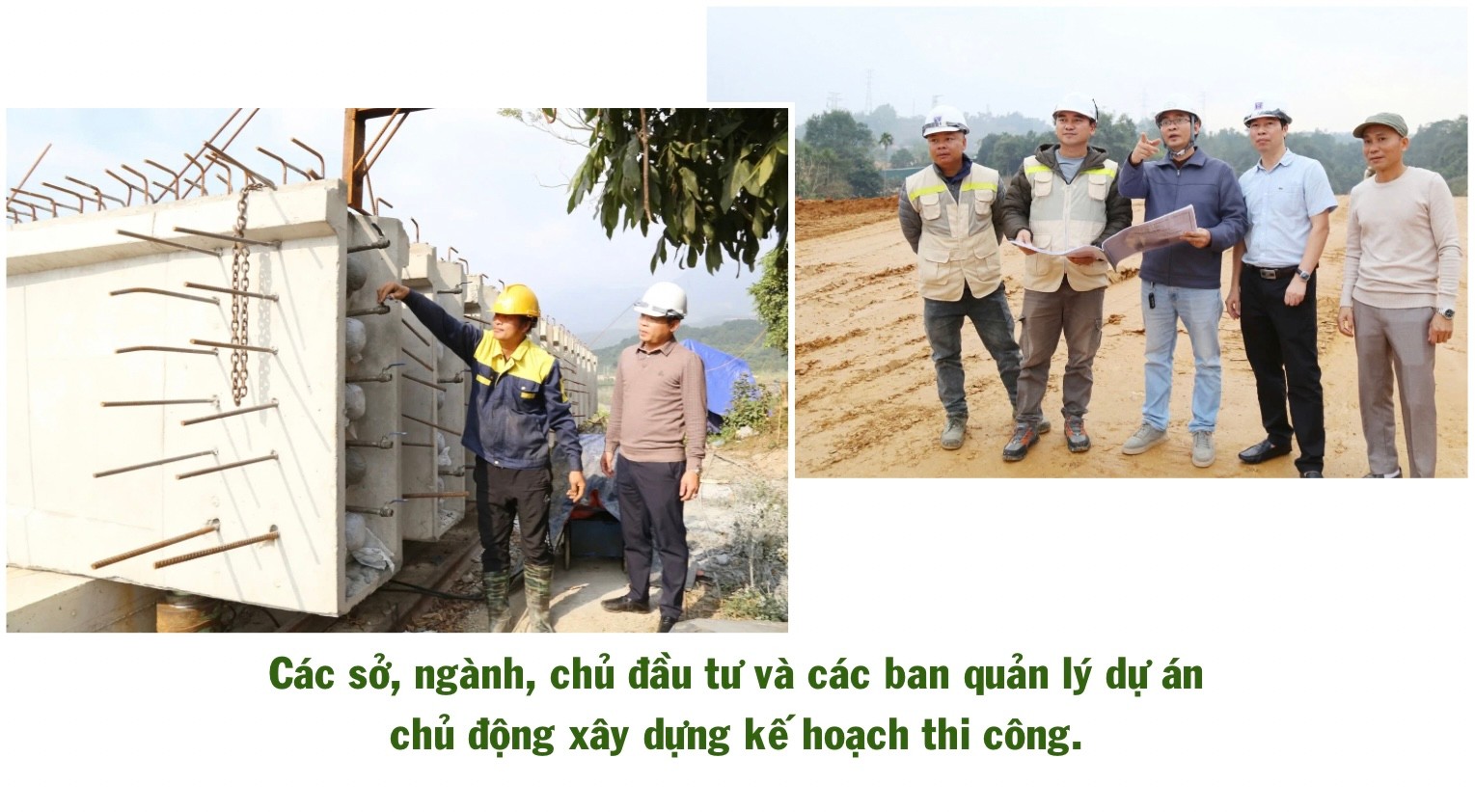
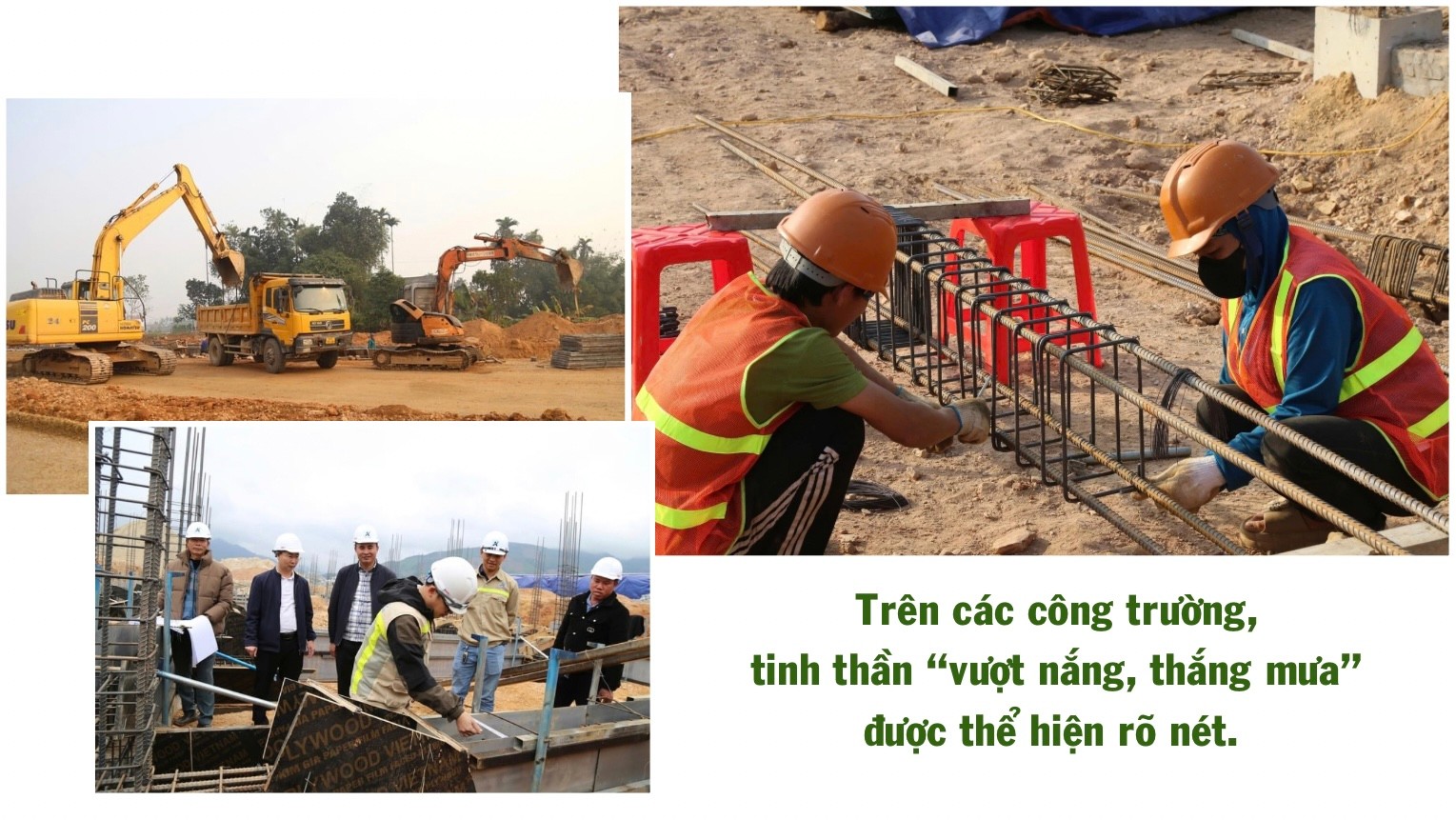
In transportation projects connecting provincial centers with border economic zones, industrial parks, and other key development areas, contractors have adjusted construction plans to suit weather conditions and mountainous terrain, ensuring both progress and quality. This spirit of "overcoming the sun and rain" is evident not only in transportation projects but also in the construction of schools, medical facilities, and resettlement areas. Timely capital allocation and streamlined payment procedures have allowed contractors to confidently carry out construction, thereby improving disbursement efficiency in many localities.
According to the investors, the province has assigned specific tasks to each project and unit, linking the responsibility of the head of each unit to the disbursement progress. Departments and agencies have intensified on-site inspections, promptly resolving arising difficulties, especially in land clearance. At the Tran Hung Dao Boulevard extension section, from the end point to Ngoi Bo stream, part of Component 2 of the Provincial Road 156 upgrade project (Kim Thanh - Ngoi Phat section), within the overall project of the border bridge across the Red River and connecting infrastructure in Bat Xat commune, construction is bustling day and night. Dozens of heavy machinery operate continuously on the construction site, with construction teams strategically positioned to complete the large volume of work in a short time. According to the design, the excavation and embankment volume for this section is approximately 2.3 million cubic meters of earth, requiring a rapid construction schedule, a scientific construction plan, and seamless coordination. Mr. Trinh Minh Tuan, the site manager of Phuc Binh Co., Ltd., said: "The company has identified this period as a 'golden time' to accelerate progress. Despite working overtime and extra shifts, quality, technical standards, and workplace safety are always prioritized."


Along with the aforementioned project, the Ngoi Phat Bridge – a crucial component of the project to build a road along the Red River connecting the Ban Vuoc border gate to Y Ty – is also receiving intense focus from contractors since the beginning of the new year. This project is of great significance in completing the transportation network in the border area, creating favorable conditions for socio-economic development, tourism, and trade. Due to the terrain and construction under complex hydrological conditions, the project's progress depends heavily on taking advantage of favorable weather. After more than 5 months since the commencement of construction, the contractors have completed all bored piles and abutment foundations, achieving over 55% of the contract value and disbursing over 78%. Currently, there are about 50 workers and dozens of pieces of equipment and machinery on the construction site, focusing on important components, especially the underwater T3 bridge pier, with the goal of completion before the 2026 early summer flood season.
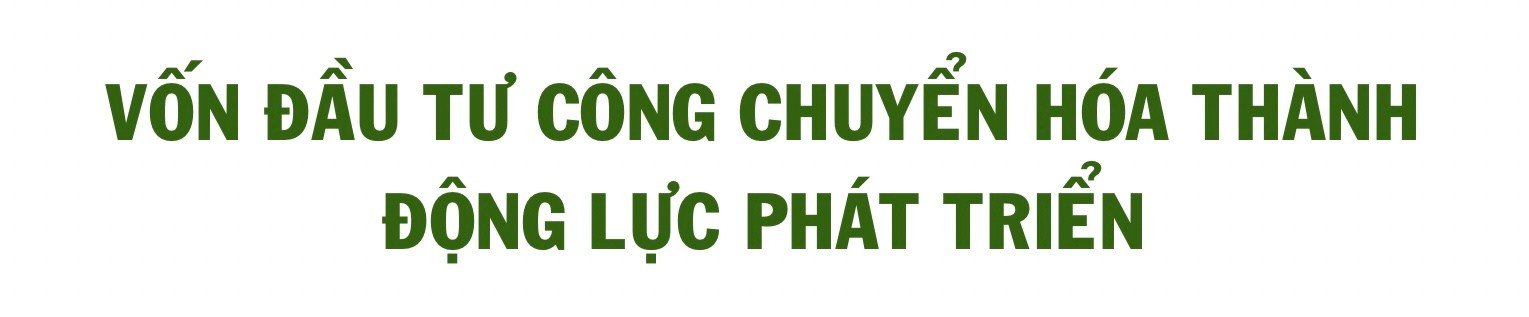
In addition to focusing on transportation infrastructure, the province also prioritizes investment resources for social welfare projects, especially in education and healthcare in border areas and disadvantaged regions. The project to build four boarding schools for primary and secondary levels in border communes is being urgently implemented to ensure their early completion and meet the learning and living needs of students in mountainous areas.
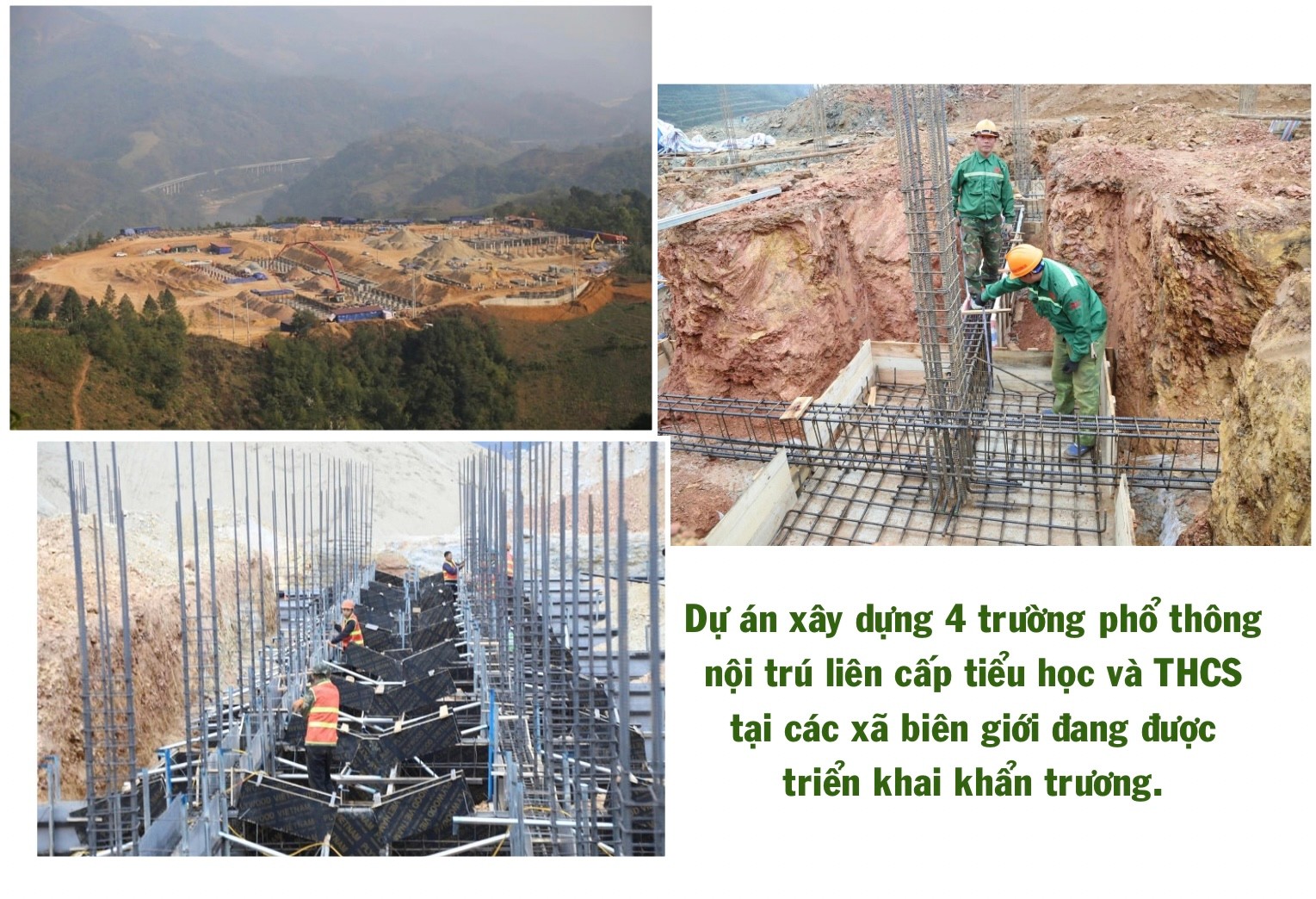
The A Mú Sung Primary and Secondary Boarding School project has completed the concrete foundation pouring for 12 buildings and is currently focusing on constructing concrete columns and pouring concrete roofs for some blocks, striving to complete the concrete roof pouring for all blocks before the Lunar New Year of the Horse 2026. At the Pha Long Primary and Secondary Boarding School project, the contractor is focusing on completing the installation of formwork for the columns of the buildings and will pour concrete for the first-floor roof when technical conditions are met. For the Y Tý Primary and Secondary Boarding School project, the contractor is installing formwork and reinforcement for the multi-purpose building columns, completing the excavation of the administrative building foundation, and simultaneously working on site leveling and other auxiliary items.
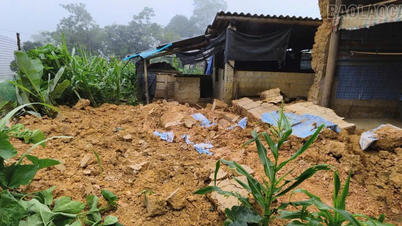
Alongside this, many projects to mitigate the consequences of natural disasters have been implemented vigorously, clearly demonstrating the role of public investment in ensuring social welfare. Provincial Road 157, especially the section through Hamlet 2, Phong Hai Commune, is being constructed urgently with the goal of opening for technical traffic before the Lunar New Year of the Horse 2026. The concrete bridge, nearly 29m long and 9m wide, is being expedited. To date, the construction value of the project has reached approximately 50% of the plan. The contractor continues to focus manpower and equipment to complete the remaining items, while also renovating and upgrading more than 1.2 km of approach roads at both ends of the bridge to the standard of a Class IV mountain road.
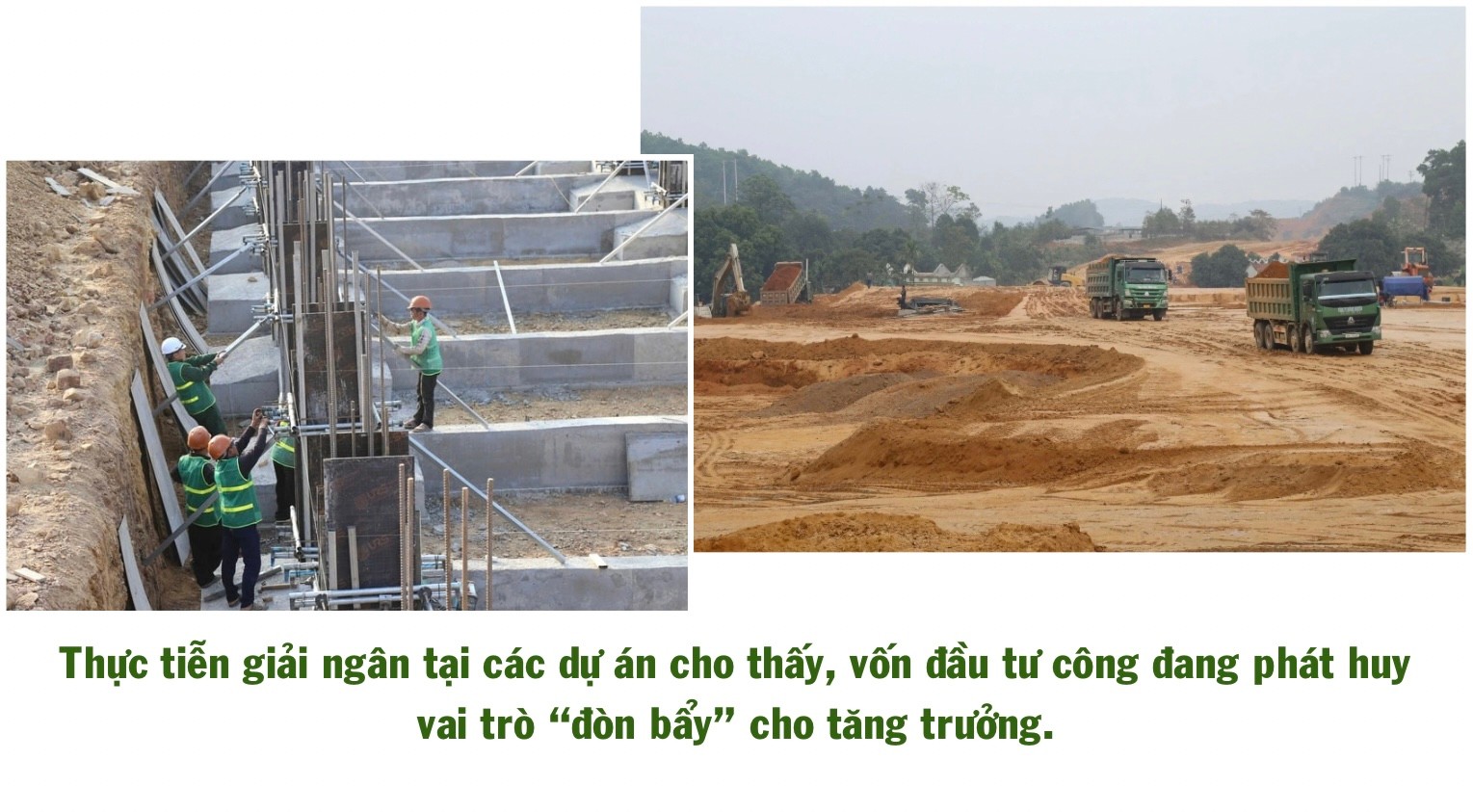



Practical experience in project disbursement shows that when investment preparation is done well, land is handed over promptly, and coordination between levels and sectors is close, public investment capital will play a "lever" role for growth. Many projects managed by provincial project management boards have been put into operation and are initially showing clear effectiveness, contributing to the completion of infrastructure, improving transportation conditions, serving people's lives, and promoting socio-economic development.
With decisive leadership from the province, the involvement of investors and project management boards, and the diligent work ethic of contractors, the disbursement of public investment capital in Lao Cai is closely linked to the progress and quality of construction projects. This is a crucial factor for the locality to maintain its growth momentum, ensure social welfare, and create a "boost" for socio-economic development in the coming period.
Source: https://baolaocai.vn/bai-1-nhip-do-giai-ngan-tu-thuc-te-post892710.html