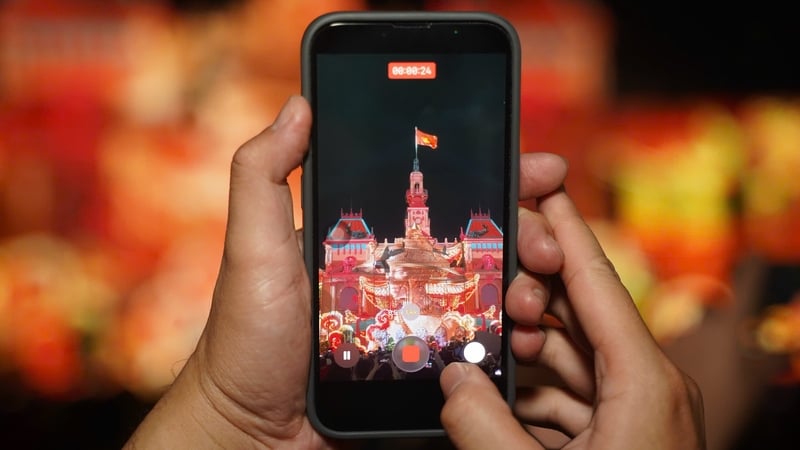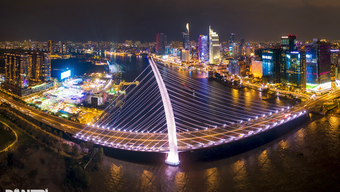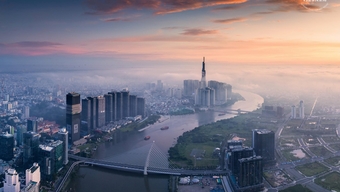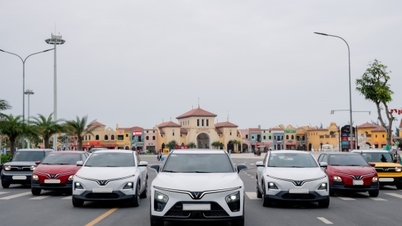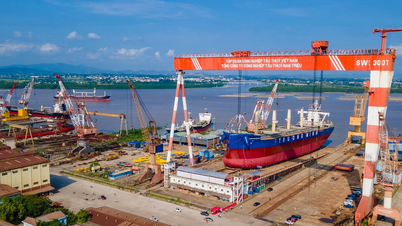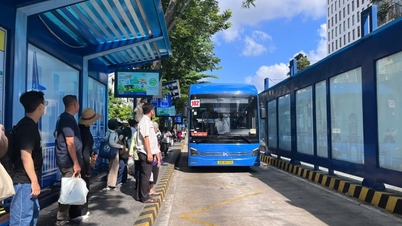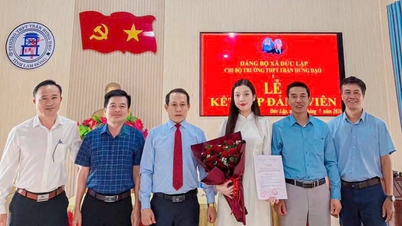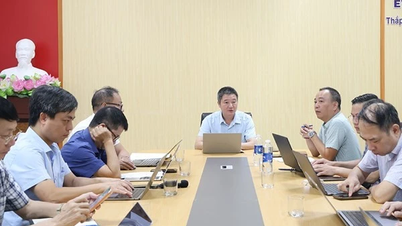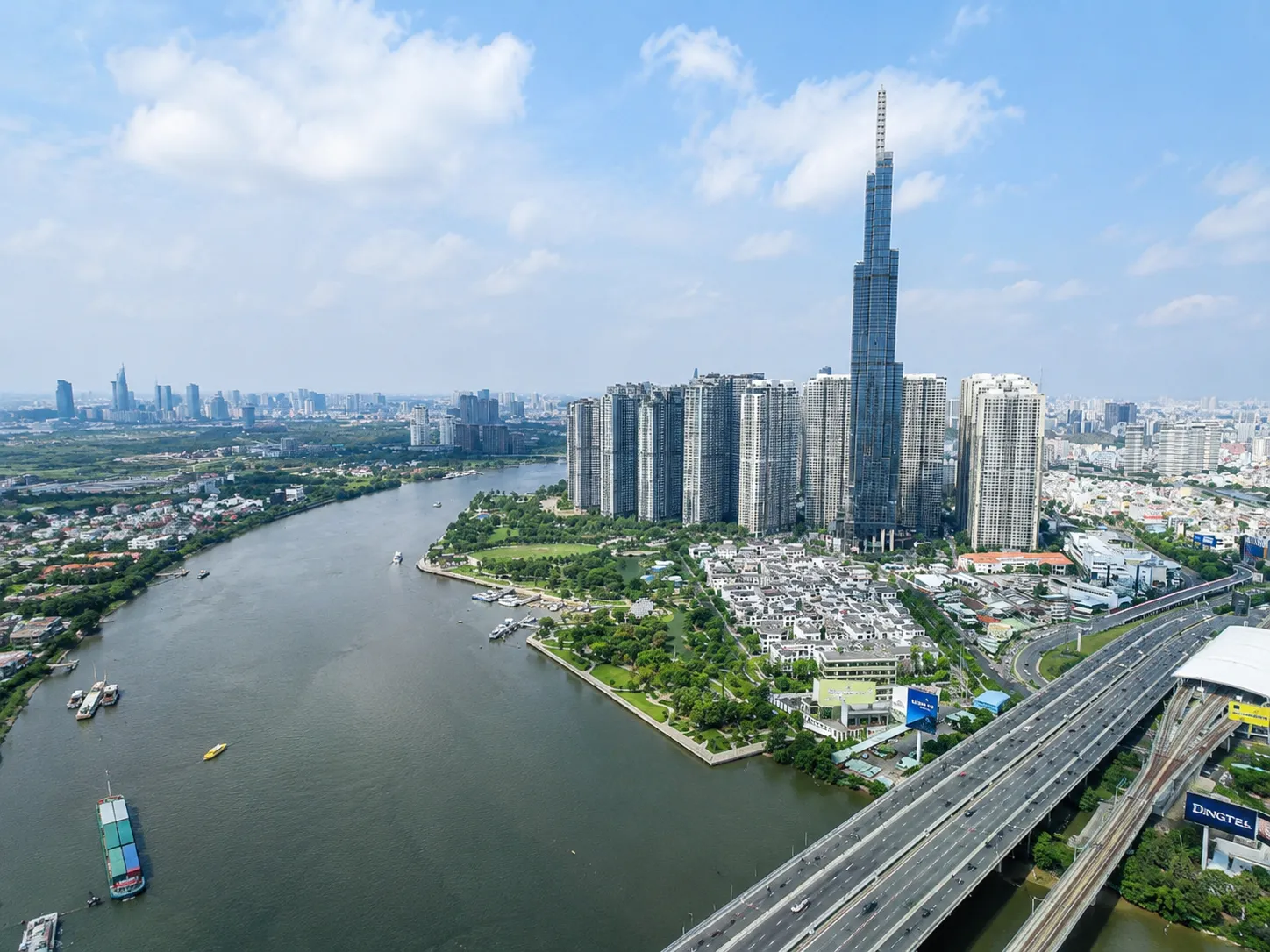
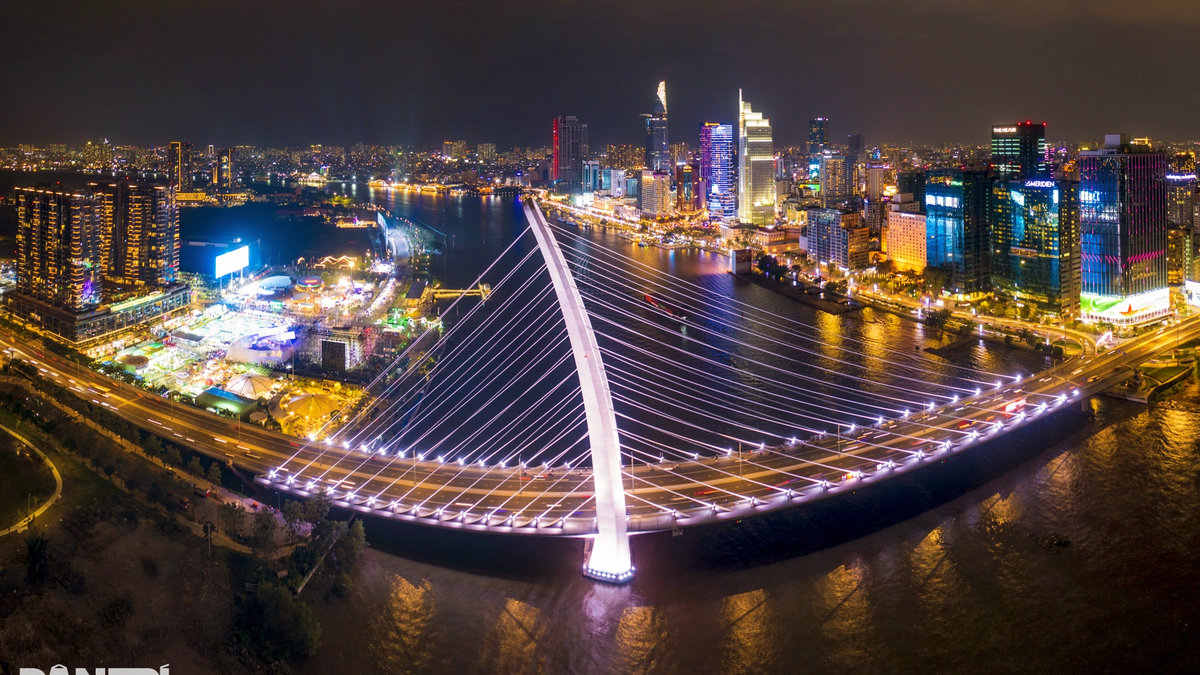
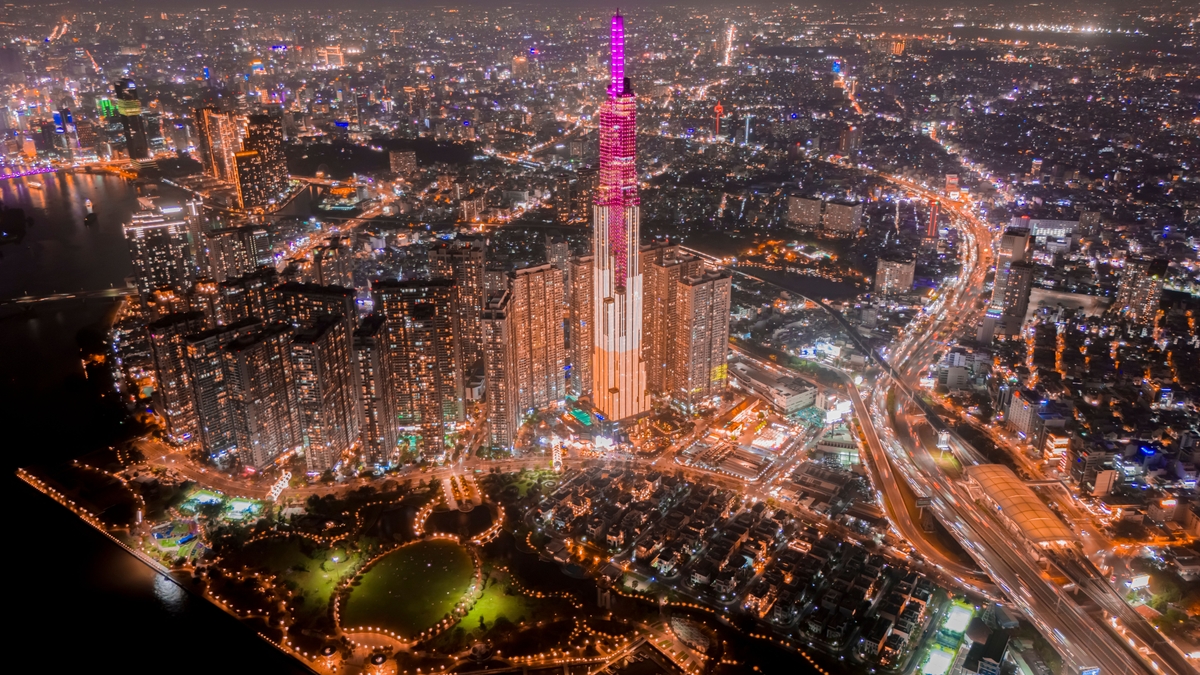
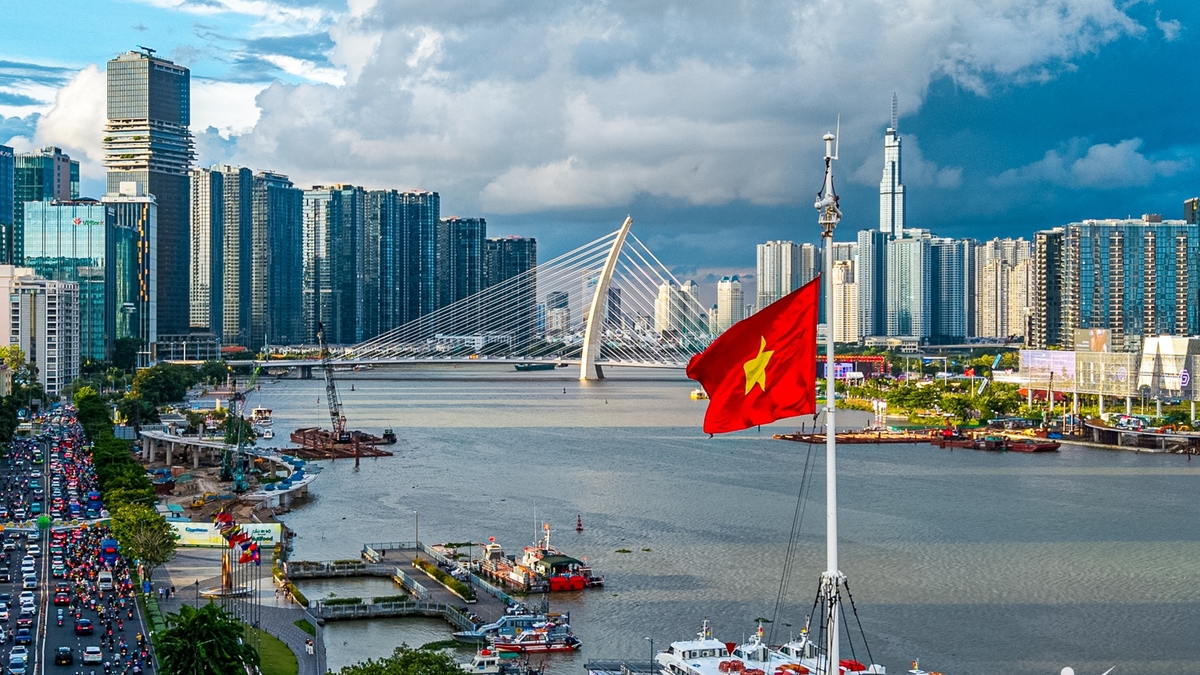
A view of Ho Chi Minh City today.
Ho Chi Minh City, starting as a city heavily affected by the aftermath of war, has gradually overcome countless difficulties to become the largest economic center in the country. Its 50-year journey is marked not only by impressive growth figures but also by the city's pioneering and proactive role in the nation's reform process.
Policies that changed the mindset of development
On July 2, 1976, the National Assembly resolved to rename the city of Saigon - Gia Dinh to Ho Chi Minh City. This was not only a significant political and historical milestone but also opened a new chapter of development for the country's largest metropolis.
Dr. Truong Minh Huy Vu, Director of the Ho Chi Minh City Development Research Institute, stated that the past half-century has been a special journey filled with difficulties but also immense pride. July 2nd, 2026 marks the 50th anniversary of the city officially being named after President Ho Chi Minh – a sacred milestone expressing the people's gratitude to the great Uncle Ho, and affirming the city's special role in the nation's construction and development.
However, to achieve its current position, the city had to go through extremely difficult times. After the reunification of the country, Ho Chi Minh City faced shortages of raw materials for production, dilapidated infrastructure, and many hardships in the lives of its people...
In this context, drawing from its development experiences, Ho Chi Minh City has boldly explored new models to overcome difficulties and gradually unlock resources for growth.
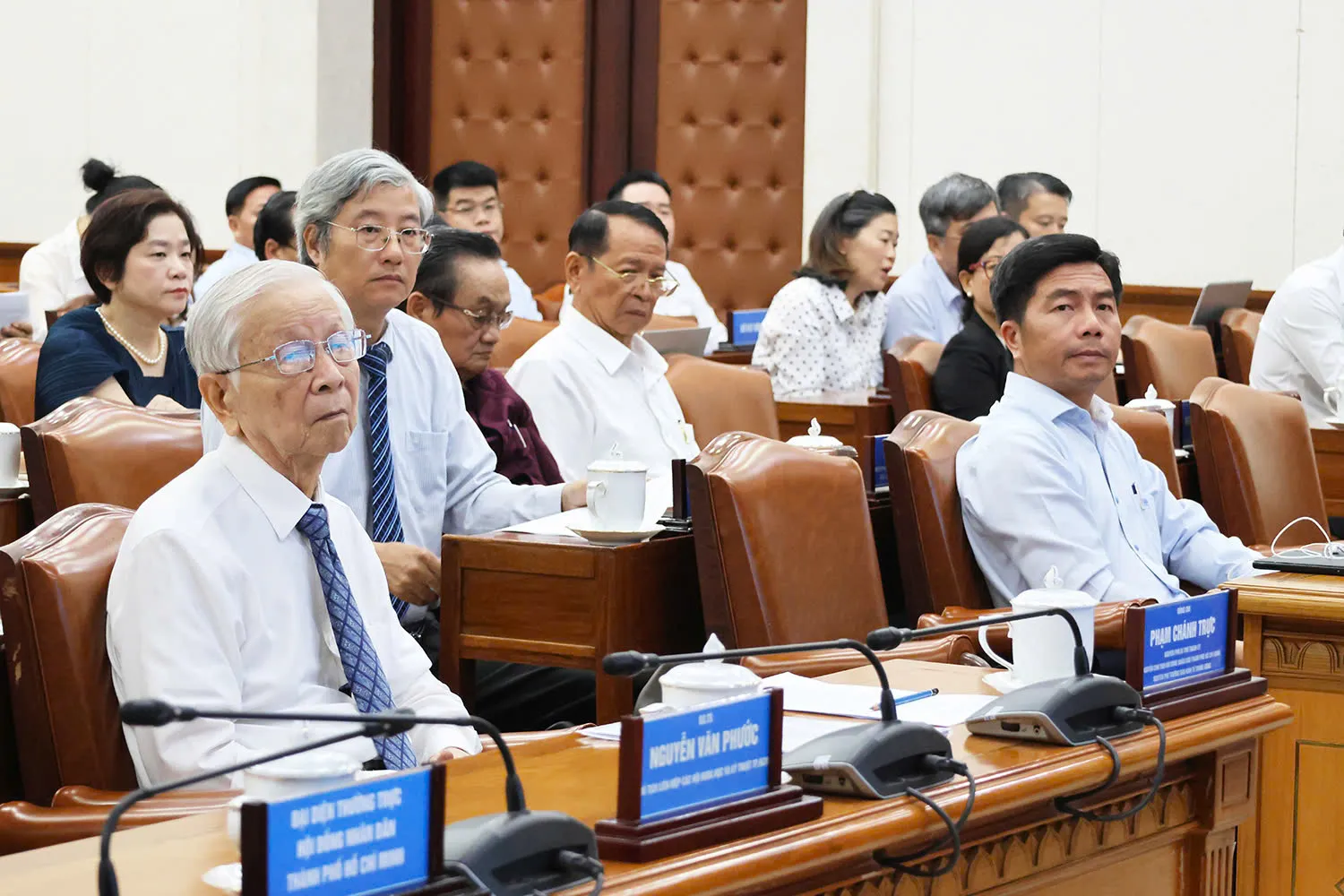
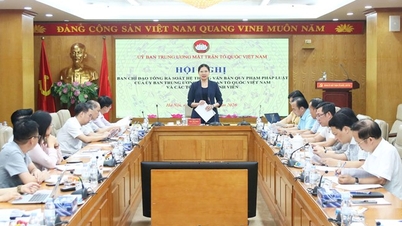
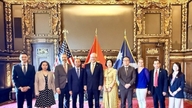
Mr. Pham Chanh Truc, former Standing Deputy Secretary of the City Party Committee and former Chairman of the People's Council of Ho Chi Minh City (far left, top row).
Mr. Pham Chanh Truc, former Standing Deputy Secretary of the City Party Committee and former Chairman of the People's Council of Ho Chi Minh City, believes that the city's greatest achievement over the past 50 years has been its theoretical contributions. From the practical experience of economic recovery and development, Ho Chi Minh City has developed many new approaches, creating an important foundation for the Party's 1986 reform.
"The city has dared to think, dared to act, and dared to take responsibility. Initiatives stemming from real-life situations have contributed to changing the economic management mindset of the entire country," said Mr. Pham Chanh Truc.
Sharing the same view, Associate Professor Dr. Ha Minh Hong, Vice President of the Ho Chi Minh City Historical Science Association and former Head of the History Department at the Ho Chi Minh City University of Social Sciences and Humanities, believes that the city's 50-year history is a history of dynamism, creativity, and a relentless pursuit of excellence.
Accordingly, during the most challenging periods, from post-war economic recovery to the period of reform and international integration, Ho Chi Minh City has always upheld its pioneering tradition, proactively seeking new models from real-life experiences.


"What defines Ho Chi Minh City's identity is not just its economic scale, but also its spirit of daring to think, daring to act, and daring to take responsibility for the common good. This is a precious historical value that needs to be further promoted in the new development phase," emphasized Dr. Ha Minh Hong.
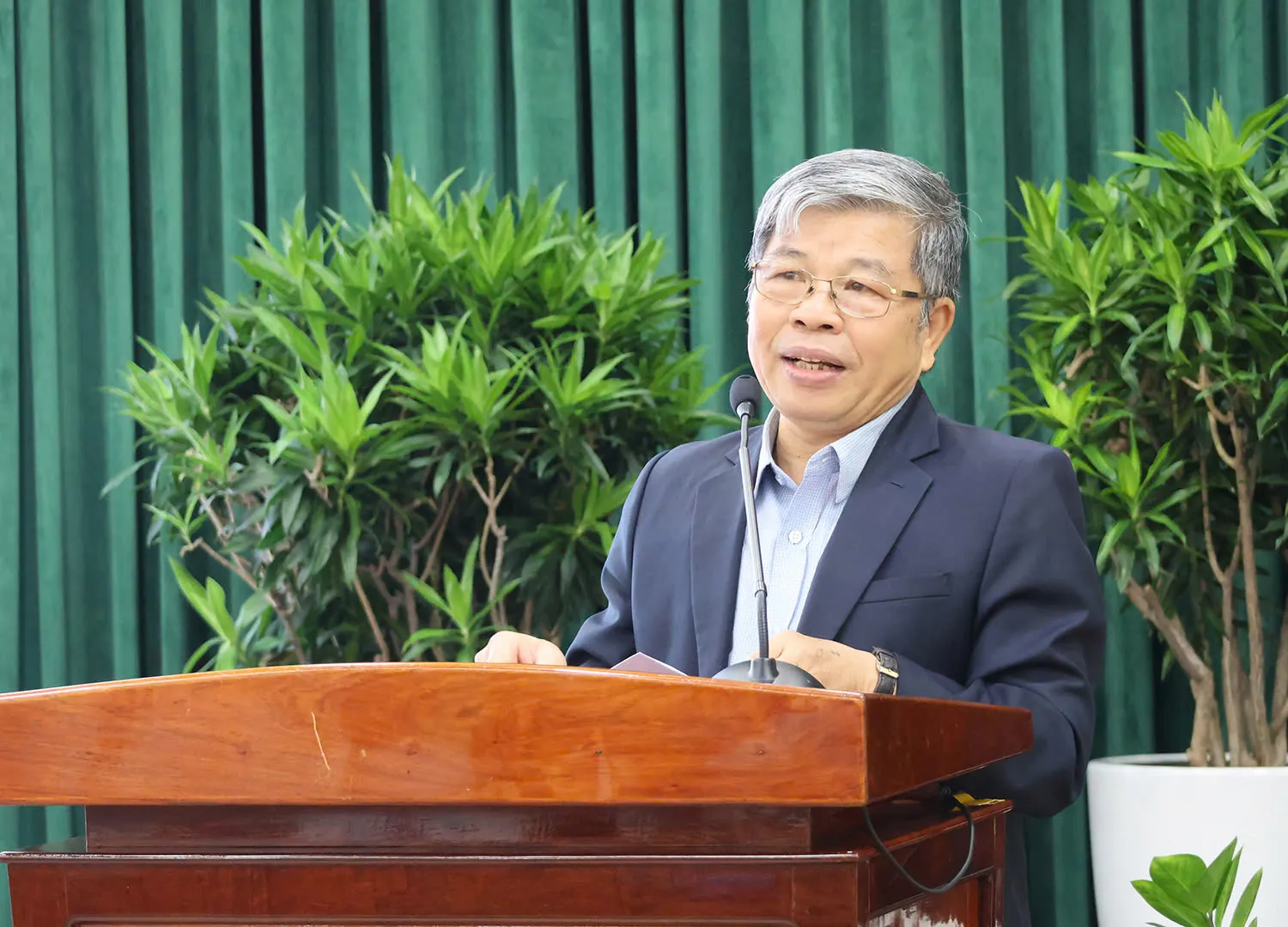
Professor Dr. Ha Minh Hong, Vice President of the Ho Chi Minh City Historical Science Association, former Head of the History Department, Ho Chi Minh City University of Social Sciences and Humanities.
According to Mr. Pham Chanh Truc, Ho Chi Minh City, with its initial experimental mechanisms, has become the birthplace of many groundbreaking policies. For example, the establishment of the Tan Thuan Export Processing Zone in 1991 paved the way for the export processing zone and industrial park model nationwide; followed by the Ho Chi Minh City High-Tech Park, Phu My Hung Urban Area, the National University of Ho Chi Minh City, and a series of strategic transportation infrastructure projects today... all of which have been and are changing the face of the megacity of Ho Chi Minh City in this new phase.
Continuing to affirm its leading position
While Ho Chi Minh City's per capita income was only about $100 in 1990, it is projected to reach approximately $8,000 by 2025. Not only is it the largest economic center in the country, but Ho Chi Minh City also contributes about 27% of the national budget and plays a leading role in many sectors.
According to Mr. Pham Chanh Truc, after more than 20 years of operation, the Ho Chi Minh City High-Tech Park now contributes nearly half of the city's export turnover, becoming one of the key drivers of the growth model transformation.
Beyond its economic development, Ho Chi Minh City has also made significant strides in education, healthcare, culture, and the environment. Notably, the city has been recognized by UNESCO as a global learning city; its healthcare sector has reached regional prominence with many advanced techniques; and the Youth Volunteer movement has contributed to the revitalization of the Can Gio World Biosphere Reserve...
In recent years, the establishment of Ho Chi Minh Cultural Spaces in agencies, units, schools, and residential areas has become a distinctive feature of urban cultural life.
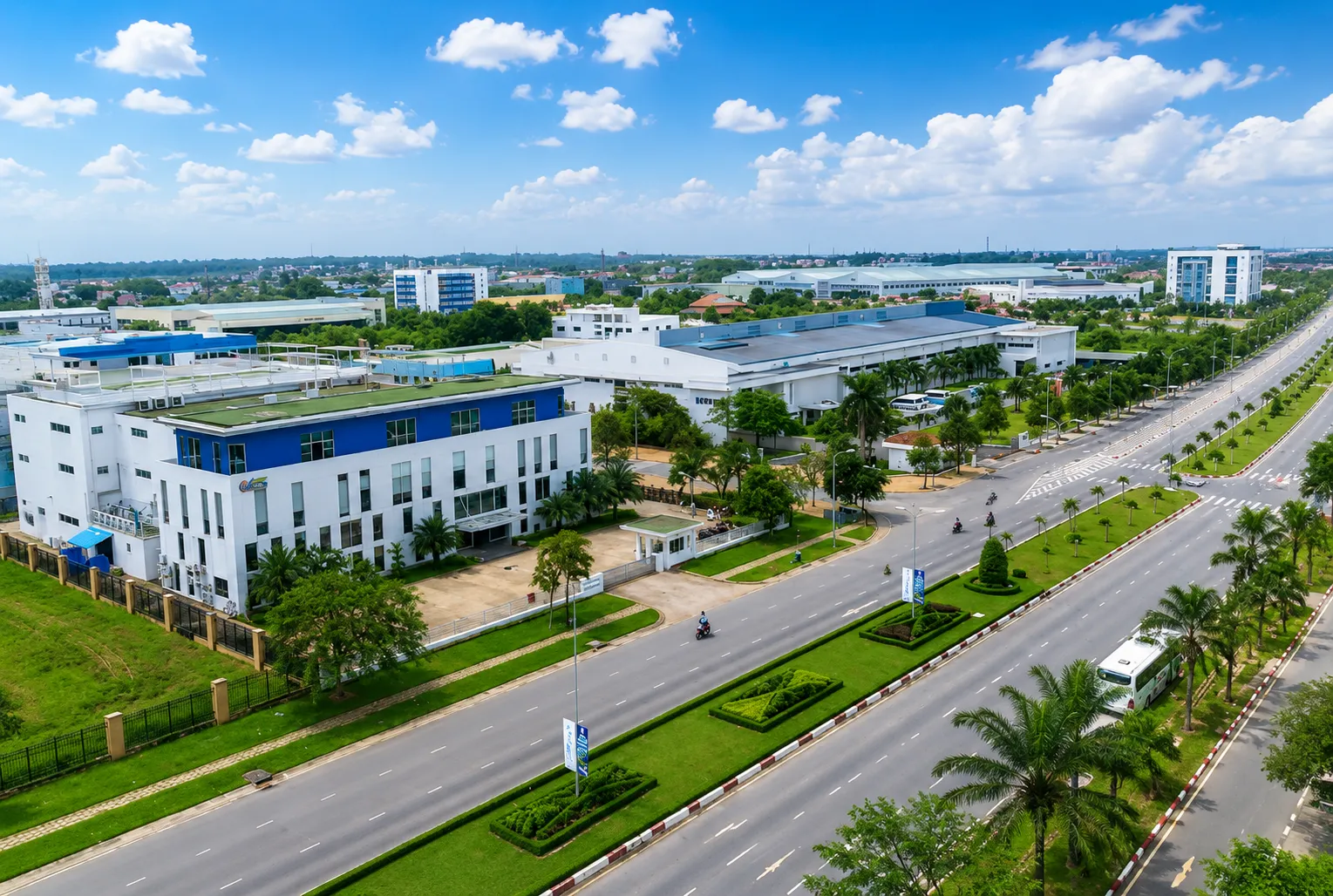
A view of Ho Chi Minh City's High-Tech Park today.
Mr. Nguyen Van Duoc, Chairman of the People's Committee of Ho Chi Minh City, stated that the city is currently entering a completely new phase of development with the status of a multi-centered megacity. Accordingly, the city needs to continue to unlock all resources, innovate its governance model, and effectively utilize its special mechanisms to maintain its role as the leading economic engine of the country.
"Ho Chi Minh City's goal is not only rapid growth, but also sustainable development, building a modern, smart, green city with international competitiveness," said Chairman of the People's Committee of Ho Chi Minh City, Nguyen Van Duoc.
Meanwhile, Dr. Truong Minh Huy Vu argues that, entering a new phase of development, Ho Chi Minh City not only aims for economic growth but also aspires to become a smart, green, modern, and compassionate global metropolis. This new status demands that the city continue to innovate even more strongly to create new breakthroughs in the future.

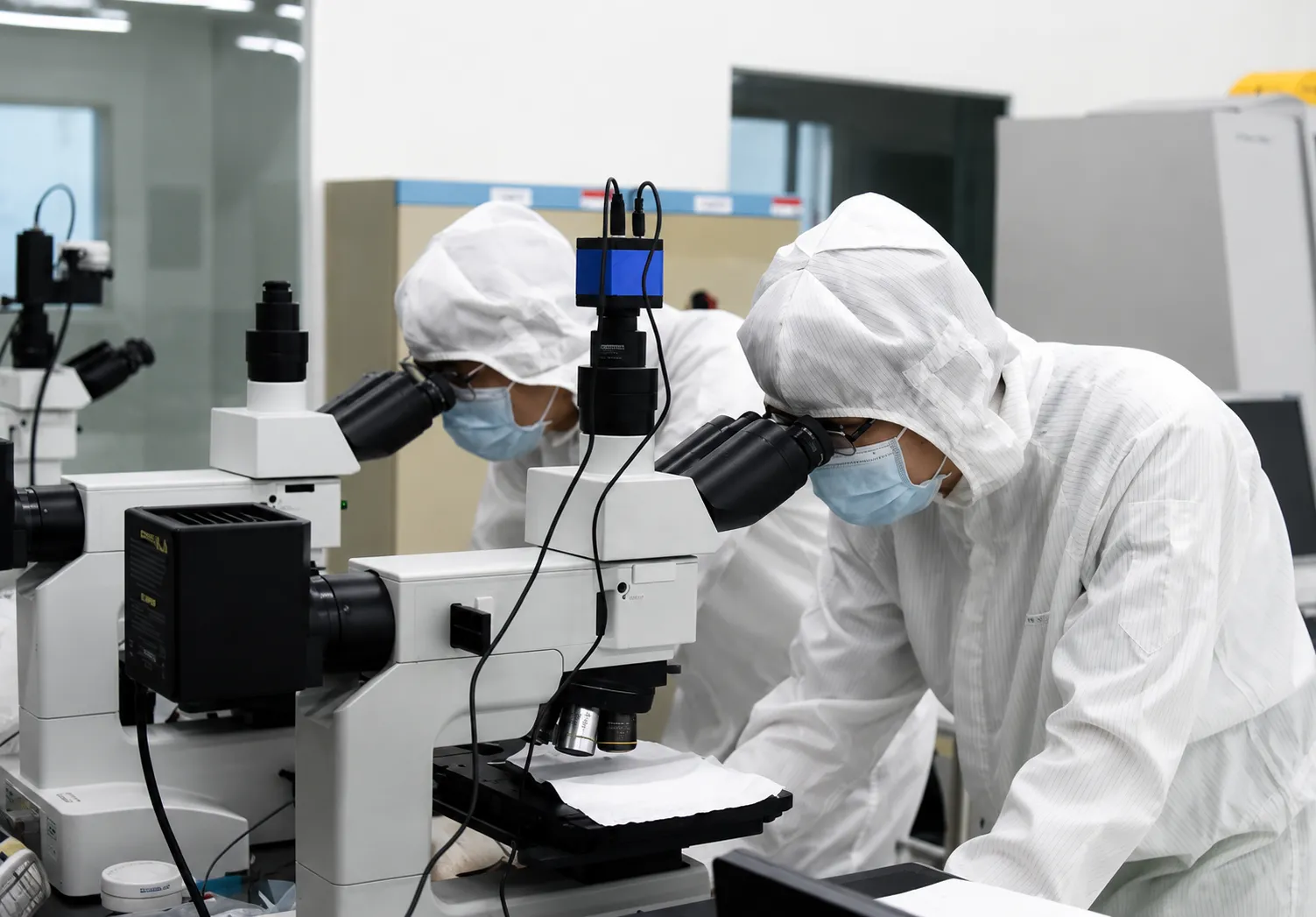
Research activities at the Ho Chi Minh City High-Tech Park.
According to Dr. Truong Minh Huy Vu, to realize this aspiration, Ho Chi Minh City needs to make the most of the special mechanisms and policies granted by the Central Government, especially the spirit of Resolution No. 09 of the Politburo on the development of the city in the new period, with the focus on continuing to improve the governance system of the multi-centered megacity after the merger; promoting decentralization and delegation of power while controlling power; and building a modern digital administration and digital government that puts citizens and businesses at the center of service.
Furthermore, the city needs to create a favorable environment for the development of the private economy, attracting social resources for investment in strategic infrastructure, international financial centers, logistics, and innovation. The synchronized development of transportation infrastructure, digital infrastructure, green transformation, and the improvement of human resource quality are also considered decisive factors for Ho Chi Minh City to break through, maintain its role as the economic locomotive of the country, and reach regional prominence.
Lesson 2: The aspiration to build a megacity
Hoang Tuyet (News and Ethnic Groups Newspaper)
Source: https://baocantho.com.vn/bai-1-vuot-gian-kho-de-phat-trien-a208620.html



![[INFOGRAPHICS] Specific mechanisms for effectively utilizing surplus land and properties.](https://vphoto.vietnam.vn/thumb/402x226/vietnam/resource/IMAGE/2026/07/02/1782977059629_1782976994.webp)