

 |
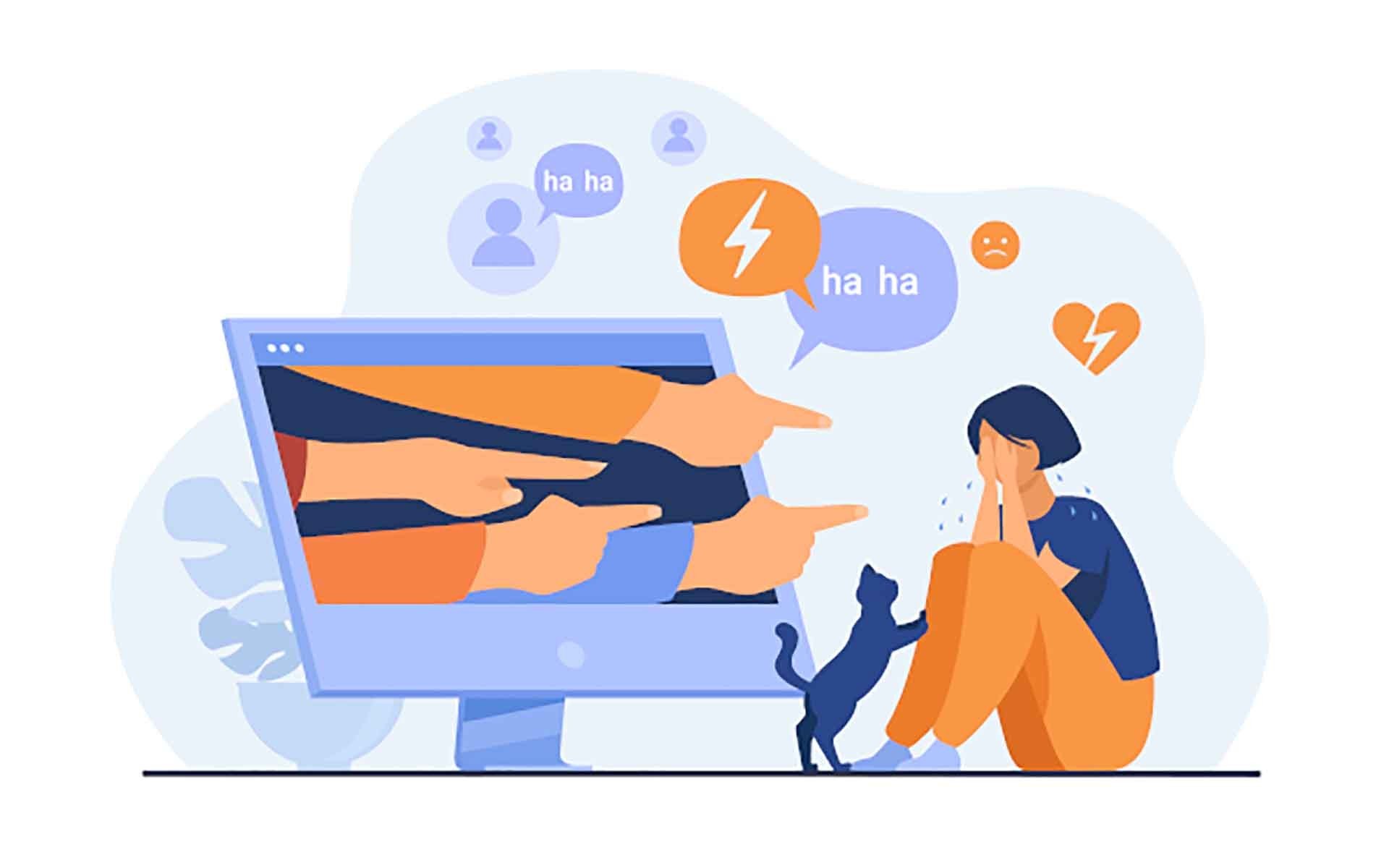
| With the explosion of the Internet and social media platforms, cyberbullying is becoming increasingly complex... |
Therefore, many countries have been striving to develop and enact legal documents and regulations to prevent and combat this problem. There are many different solutions, but they can be divided into three main groups: legal solutions, technical solutions, and social solutions. The simultaneous and appropriate application of these solutions can prevent cyberbullying and protect human rights on the internet.
Legal solution
In the United States, despite being one of the three countries with the highest rates of cyberbullying in the world, there is no federal law directly regulating cyberbullying; each state has its own regulations.
To date, 49 out of 50 US states have enacted regulations on online harassment, including provisions on cyberbullying.
Washington state passed one of the first cyberbullying laws in 2004, which declared that a person using electronic communication with “the intent to harass, intimidate, torment, or shame any other person” with obscene, vulgar, or suggestive language, or language implying other physical threats, or repeatedly harassing a person, is considered a misdemeanor.
Alaska's anti-harassment law has added electronic means of harassment as one of the ways harassment can harm a person's well-being.
In California, AB 86, passed on January 1, 2009, grants schools the power to suspend or expel students involved in cyberbullying. The state's Criminal Code, effective January 1, 2011, criminalizes the creation of fake Facebook accounts or email addresses for the purpose of bullying someone.
In Australia, the Online Safety Act 2021 established mechanisms to protect not only children but also adults from cyberbullying, by creating platforms for complaints and rules to remove harmful and bullying content from the internet.
Cyberbullying is also a criminal offense in this country and can result in a sentence of 5-10 years imprisonment. Although Australian criminal law does not have specific provisions for cyberbullying, the police can still apply existing laws to prosecute this behavior.
South Korea has one of the most serious cyberbullying problems in the world, with a massive number of netizens, many of whom are willing to scrutinize and criticize anyone, anytime. The consequences are not only damage to reputation, dignity, and mental health, but also loss of life.
Data from the Korean Statistics Agency shows that South Korea has the highest suicide rate among the 38 member countries of the Organization for Economic Cooperation and Development (OECD), with many suicides stemming from cyberbullying. In recent years, many K-pop stars have taken their own lives because they could no longer tolerate isolation and other forms of cyberbullying.
Recently, in April 2023, Moonbin, 25, a member of the boy group Astro, was also found dead at his home in Seoul, having committed suicide as a victim of cyberbullying.
Therefore, South Korea enacted the Law on Promoting Information and Using Media Networks and Protecting Information (2001, amended in 2016) which prohibits the dissemination on the internet of “…information that defames others by publicly revealing false information and intentionally degrading their dignity; information that incites fear or apprehension by repeatedly contacting others through code, words, sounds, images, or moving images…”. Such information can be immediately removed by authorities upon the victim's request.
While South Korean criminal law does not specifically define cyberbullying as a crime, authorities can use the defamation provision to prosecute those who engage in cyberbullying, with a maximum penalty of 10 million won or 5 years in prison.
In Japan, on June 13, 2022, the Japanese Parliament passed a bill amending the Criminal Code, which stipulates that online offensive behavior can be punished with a maximum prison sentence of one year or a fine of up to 300,000 JPY.
This represents a significant increase in penalties for this offense, as previously online insults could only be punished with a maximum of 30 days of detention and a fine of 10,000 JPY.
This change is expected to effectively curb the rising rate of cyberbullying in Japan, especially after a live streaming star committed suicide in early 2020 following prolonged cyberbullying.
Technical solution
The responsibility for preventing cyberbullying lies not only with law enforcement agencies in detecting and punishing offenders, but also with internet service providers and social media platform management companies. These entities are the ones most capable of preventing and controlling cyberbullying at the earliest stages, minimizing the consequences for victims. Effective measures they can implement include:
Strengthening content censorship systems . In response to the spread of online violence, social media platforms have made significant efforts in content censorship over the years, with Facebook – the world's most widely used social network – being the most prominent example.
Facebook has developed a set of "Community Standards" to detect violent and bullying content on its platform. Facebook has also applied Artificial Intelligence (AI) technology to its moderation process, significantly increasing the efficiency, scope, and speed of moderation compared to using human moderators.
According to a report by Meta (the company that owns Facebook), the percentage of content related to bullying and harassment decreased from 76.7% to 67.8% on Facebook and from 87.4% to 84.3% on Instagram in Q3 2022. This demonstrates the effectiveness and necessity of this solution.
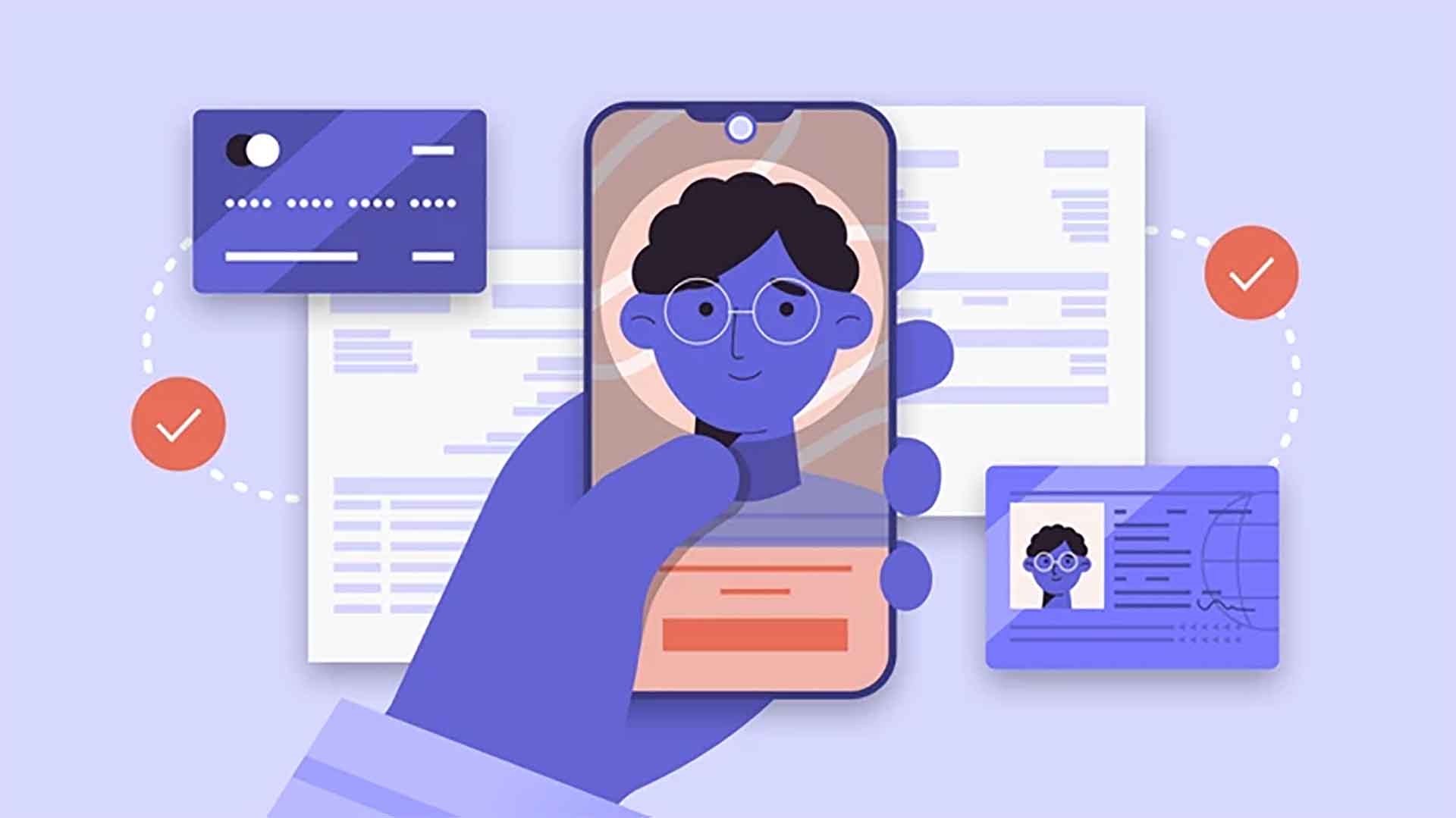 |
| Clearly identifying individuals on social media makes it easier to track down those who engage in cyberbullying and hold them accountable. |
Clearly identifying yourself on social media is crucial . The solution to this problem is to require identity verification (ID verification) when registering accounts on online platforms.
Specifically, service providers will require users to verify their information when registering an account by providing their ID number, credit card number, or other similar information. Only after the verification process is complete can the account be used to upload content.
This method makes it easier to identify those who engage in cyberbullying and hold them accountable. It has been implemented in South Korea since 2004 and China since 2012, demonstrating effectiveness in reducing negative behavior online.
Establishing mechanisms to make it easier for customers to report and remove cyberbullying content is crucial . Besides strict and proactive censorship from providers, users' self-detection and self-protection against cyberbullying are also essential in combating this problem.
Social media and internet service providers need to facilitate this action by establishing a mechanism for collecting information and processing complaints about cyberbullying content from users on their platforms.
This mechanism aims to help users assist service providers in detecting and removing violent online content. It must ensure that reports are processed quickly and accurately, both to detect and remove violent online content promptly and to prevent the reporting function from being misused to perpetrate acts of cyberbullying.
In fact, on the Facebook platform, there have been cases where users have had their accounts locked even though the content they posted was not violent, because their accounts were reported en masse by malicious individuals.
Social solutions
Education on cyberbullying . In 2010, the state of Massachusetts (USA) enacted a law on cyberbullying policy, requiring schools in the state to provide training on combating cyberbullying and issue guidelines on preventing cyberbullying. In 2017, the Italian Parliament passed Law No. 71/2017 on cyberbullying, which sets out the responsibility of schools in educating and preventing cyberbullying.
Specifically, the school program must ensure that students receive comprehensive education on cyberbullying, covering its manifestations, behaviors, consequences (both for victims and perpetrators), and how to cope with it.
For other segments of society, education can be delivered through mass media such as television programs, documentaries, and communication campaigns on social media platforms.
Supporting victims of cyberbullying . Cyberbullying causes serious mental harm to victims, especially teenagers and young adults. It can lead to anxiety disorders, depression, self-harm, and even suicide.
Victims of cyberbullying often suffer severe emotional trauma, including fear, sadness, anger, and a loss of self-confidence. In some cases, victims even resort to suicide because they cannot bear the pressure.
This doesn't only happen to celebrities as mentioned above, but also to ordinary people. For example, in 2023, a 16-year-old boy in the US hanged himself in his garage while his family was asleep due to online bullying and harassing messages from classmates.
Therefore, solutions are needed to help victims of cyberbullying heal their psychological wounds and return to normal life. The state and society need to invest more resources in the field of psychological therapy, thereby helping to develop more effective psychological treatment methods for victims of cyberbullying.
In addition, specialized counseling and therapy rooms should be established in local healthcare facilities and schools to help victims of cyberbullying easily receive assistance when needed.
Cyberbullying is a difficult social problem to address, but it is not unpreventable. Preventing and dealing with cyberbullying requires the simultaneous application of multiple coordinated solutions.
Legally, strict and rigorous regulations are needed to punish and deter those who engage in cyberbullying.
Technically, advanced technological measures are needed to eliminate and prevent the spread of this harmful content in cyberspace.
From a social perspective, it is necessary to build mechanisms to help and support victims of cyberbullying to recover and return to normal life.
** Lecturer, Faculty of Law - Vietnam National University, Hanoi
REFERENCES
- Nguyen Thi Cham, Giang Phuong Thao, Bui Thi Viet Anh, The Laws of Some Countries Regarding Verbal Violence on Social Media and its Reference Value for Vietnam, Journal of Prosecutorial Science, No. 03-2020.
- Pamela Tozzo, Oriana Cuman, Eleonora Moratto, and Luciana Caenazzo, Family and Educational Strategies for Cyberbullying Prevention: A Systematic Review, Int J Environ Res Public Health, published online August 22, 2022.
- Patrisha G. Ortigas, Iftikhar Alam Khan, Abdul Basit, Usman Ahmad, “ID verification to control cyberbullying: Juxtaposing the need and promise, with users' willingness,” Journal of Advances in Humanities and Social Sciences JAHSS2021, 7(3): 99-106, p. 101.c
- https://www.indiatimes.com/technology/news/hate-speech-on-facebook-instagram-down-585594.html
Source










































































































Comment (0)