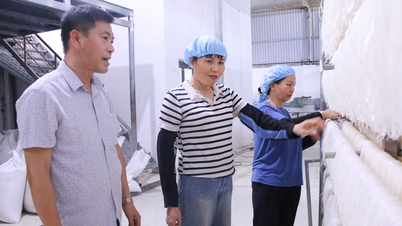
In many localities such as Mau A, Nghia Do, Xuan Hoa, Bao Nhai, and Chieng Ken, the development of organic cinnamon growing areas is being implemented more and more widely. While previously people mainly focused on yield, many households are now paying attention to cultivation processes, harvesting times, and traceability requirements. This change, though slow, shows that the production mindset is gradually shifting from quantity to quality.
Mr. Co Duc Duy, a long-time cinnamon grower in Xuan Hoa commune, shared: "Previously, we were happy just to get a good price for our cinnamon. Now, purchasing companies ask very detailed questions about the origin, age of the trees, and how they are cared for. People understand that to sell at a high price, we have to do things differently. Even when the cinnamon is affected by pests and diseases, we have to ask the authorities for guidance and support in using biological products to ensure that the cinnamon is cultivated according to organic farming practices."
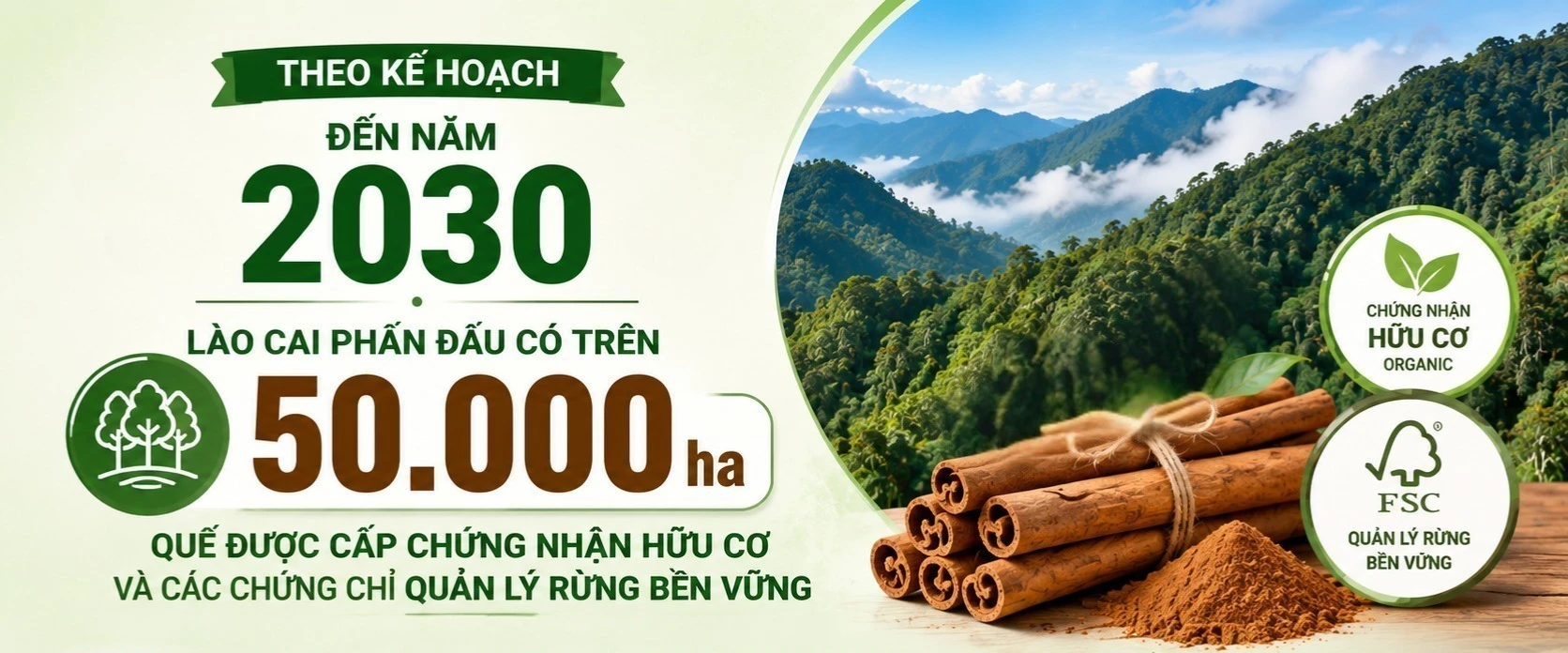
This is not only a "passport" for products to access high-end markets, but also a foundation for enhancing the value of the entire industry.
Mr. Nguyen Quang Vinh, Deputy Director of the Department of Agriculture and Environment of Lao Cai province, said: “The province's stance is not to pursue expansion of cinnamon cultivation at all costs. The main goal is to develop the cinnamon industry in a direction that is “greener, deeper, and more valuable,” using quality, branding, and deep processing as drivers of growth. With a current scale of over 172,000 hectares, the cinnamon raw material area of Lao Cai is large enough to move to the stage of in-depth development.”

According to many experts in the agricultural sector, if the source of raw materials is the root, then deep processing is the "key" to creating value.
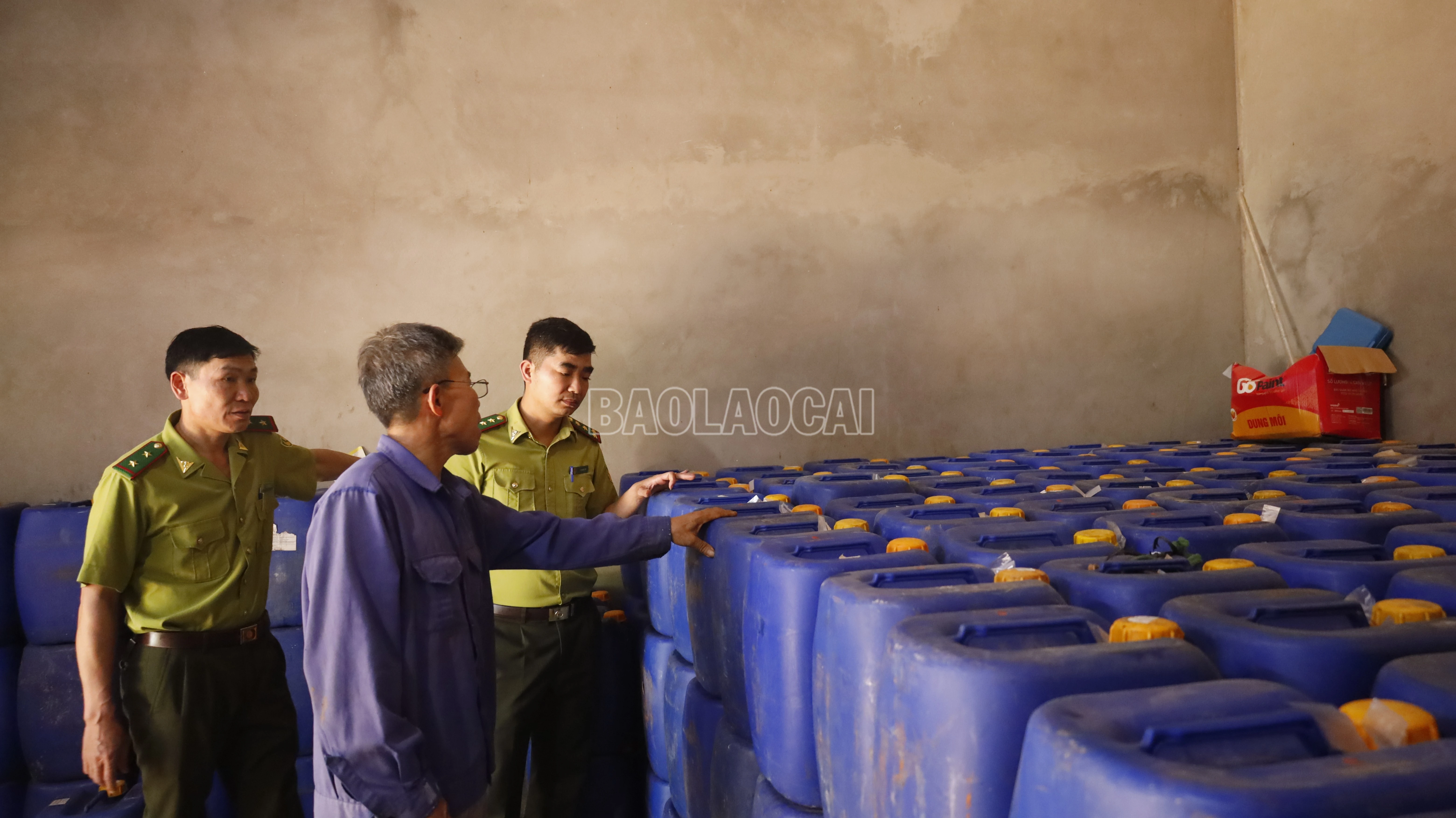
In reality, for many years, the majority of cinnamon products from the province have been consumed in the form of cinnamon bark, cinnamon wood, or crude essential oil. Meanwhile, in many countries, cinnamon is used to produce pharmaceuticals, cosmetics, functional foods, mouthwash, food flavorings, and many other health care products. The value of these products is many times higher than the raw material.
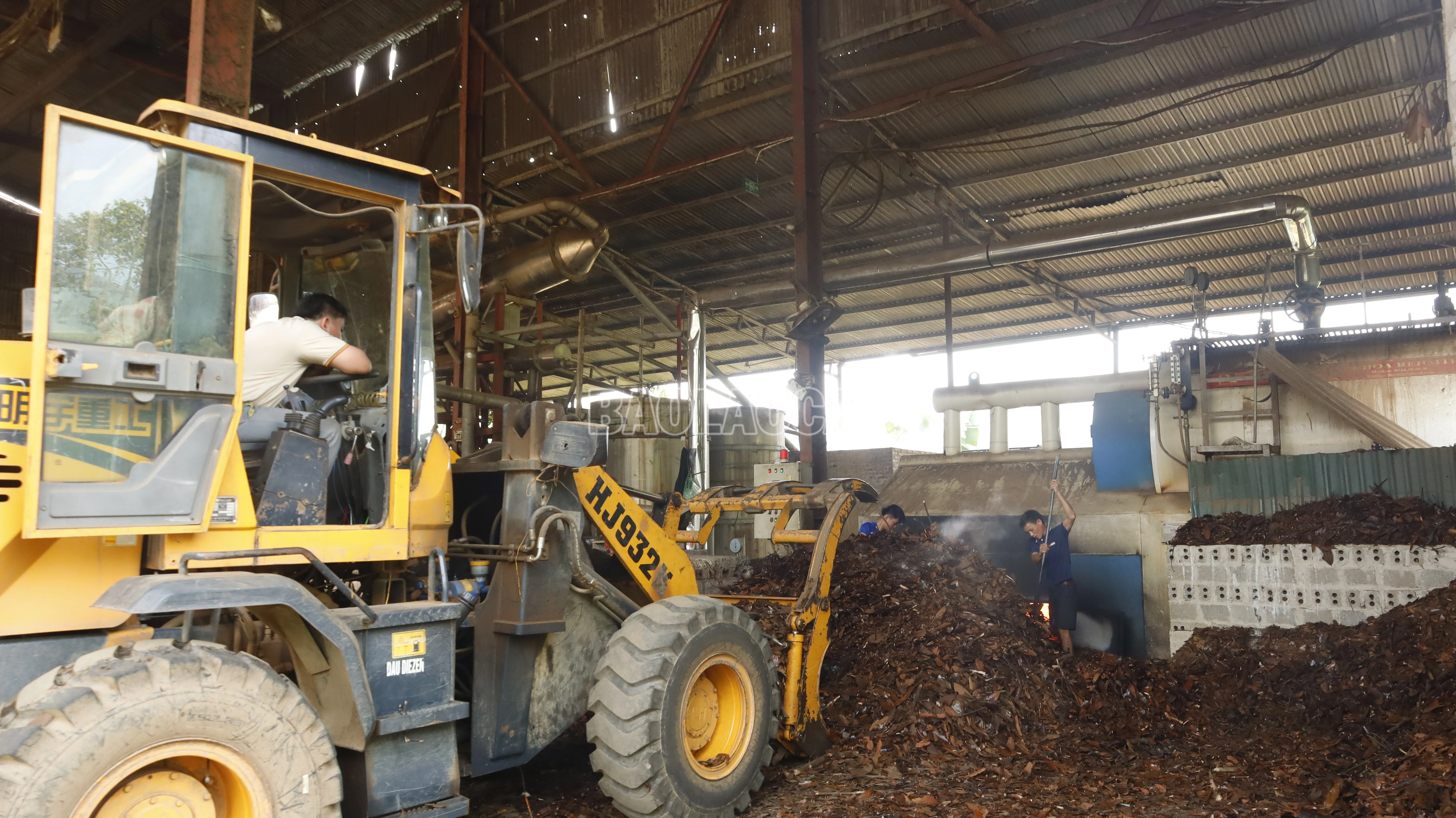
It is known that among the dozens of cinnamon essential oil extraction facilities in the province, only Trieu Duong One-Member Limited Company has invested in and put into operation a refined essential oil processing system to enhance the value of this product. With refined processing technology, the cinnamon essential oil product achieves a purity of up to 99%, increasing its value three times compared to crude essential oil with a purity of 85%.
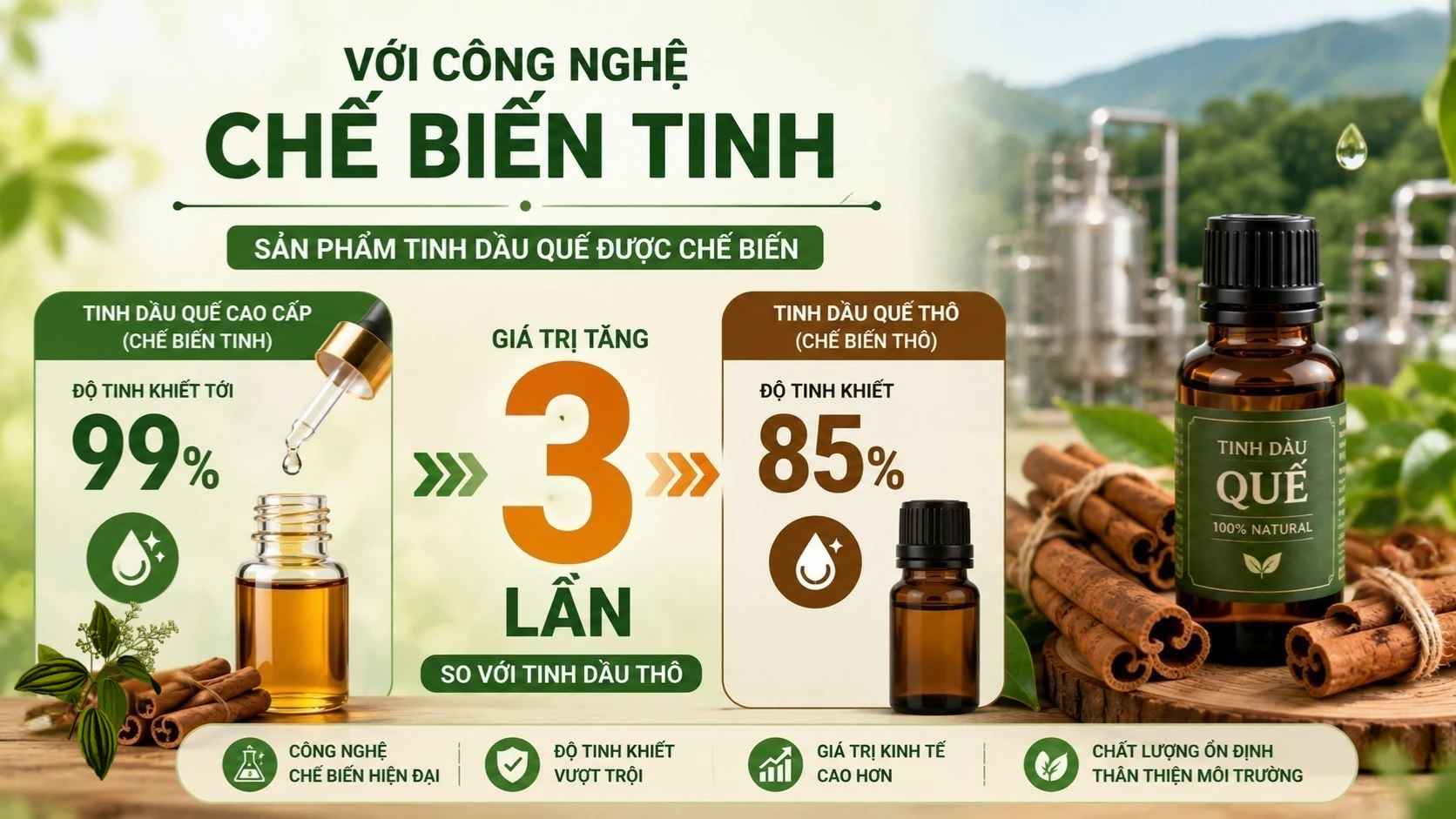
According to the company representative, in addition to the technology for filtering out impurities to increase the purity of the essential oil, the new production line can also separately extract the components in cinnamon essential oil, creating single compounds to meet various uses such as food processing and medicine. As a result, the value of the essential oil is increased many times over. This means that the value of cinnamon trees is also increasing.
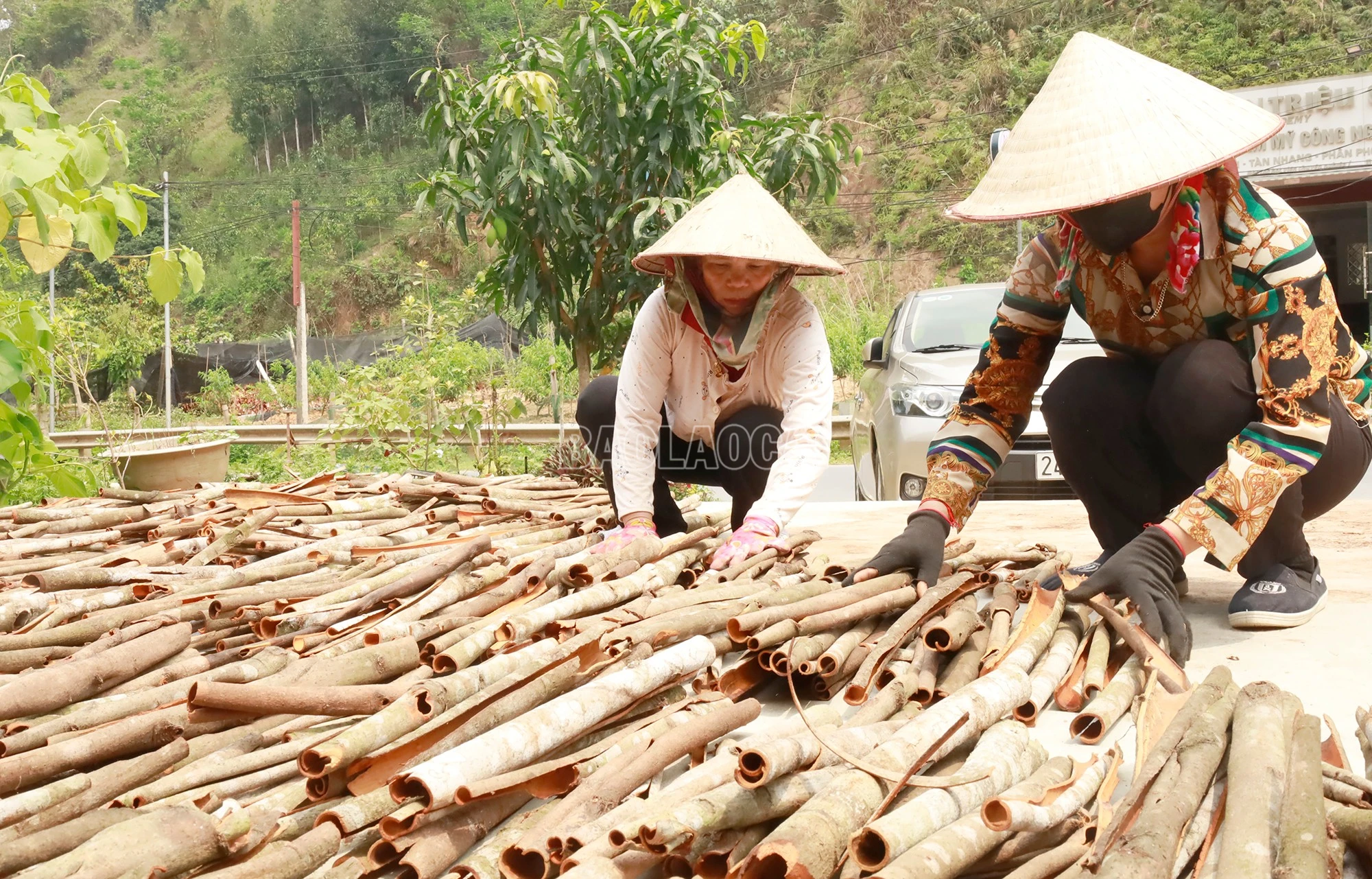
Recognizing that deep processing is the key to unlocking new value for cinnamon, the province is prioritizing attracting businesses with technological capabilities to invest in this field.
The goal is not only to produce essential oils but also to extract cinnamaldehyde, develop medicinal products from cinnamon, and produce natural cosmetics, functional foods, and health care products.
This is considered a particularly important step because the greatest value of cinnamon today no longer lies in its bark or wood, but in the bioactive compounds and high-tech products created from that raw material.
Another significant milestone is the issuance of Resolution No. 48-NQ/TU dated February 3, 2026, by the Provincial Party Committee on the strategic development of medicinal plants in the province for the period 2026-2030, with a vision to 2050. In this resolution, cinnamon is no longer viewed simply as a forestry tree but is identified as a strategic medicinal plant with high economic value.
This approach opens up entirely new avenues for the cinnamon industry because, when placed within the medicinal plant ecosystem, the value of cinnamon extends beyond raw material exploitation to include scientific research, breeding, product development, and brand building.
To realize that goal, the Provincial Department of Agriculture and Environment is leading the signing of a cooperation agreement with the Institute of Medicinal Materials to promote scientific research, improve the quality of cinnamon varieties, increase the essential oil content and medicinal properties in cinnamon products, and meet the demands of the high-end pharmaceutical market segment.
Alongside improving product quality is the story of brand building. To have a "strong enough" Lao Cai cinnamon brand, the province is coordinating the development of a brand identity for Lao Cai medicinal herbs, in which cinnamon is one of the key products.
This brand will go beyond just a logo or trademark, encompassing a comprehensive system of quality standards, management mechanisms, and integrated commercial exploitation solutions.
Furthermore, the "Lao Cai Cinnamon" brand will be associated with the story of green development, organic production, and sustainable livelihoods of people in the highlands.



We believe that, once these "bottlenecks" are removed, cinnamon trees will not only serve as a poverty alleviation crop, but can also become a key economic sector, propelling Lao Cai to the top of the map for high-value agricultural and forestry product exports," affirmed Nguyen Quang Vinh, Deputy Director of the Department of Agriculture and Environment of Lao Cai province.
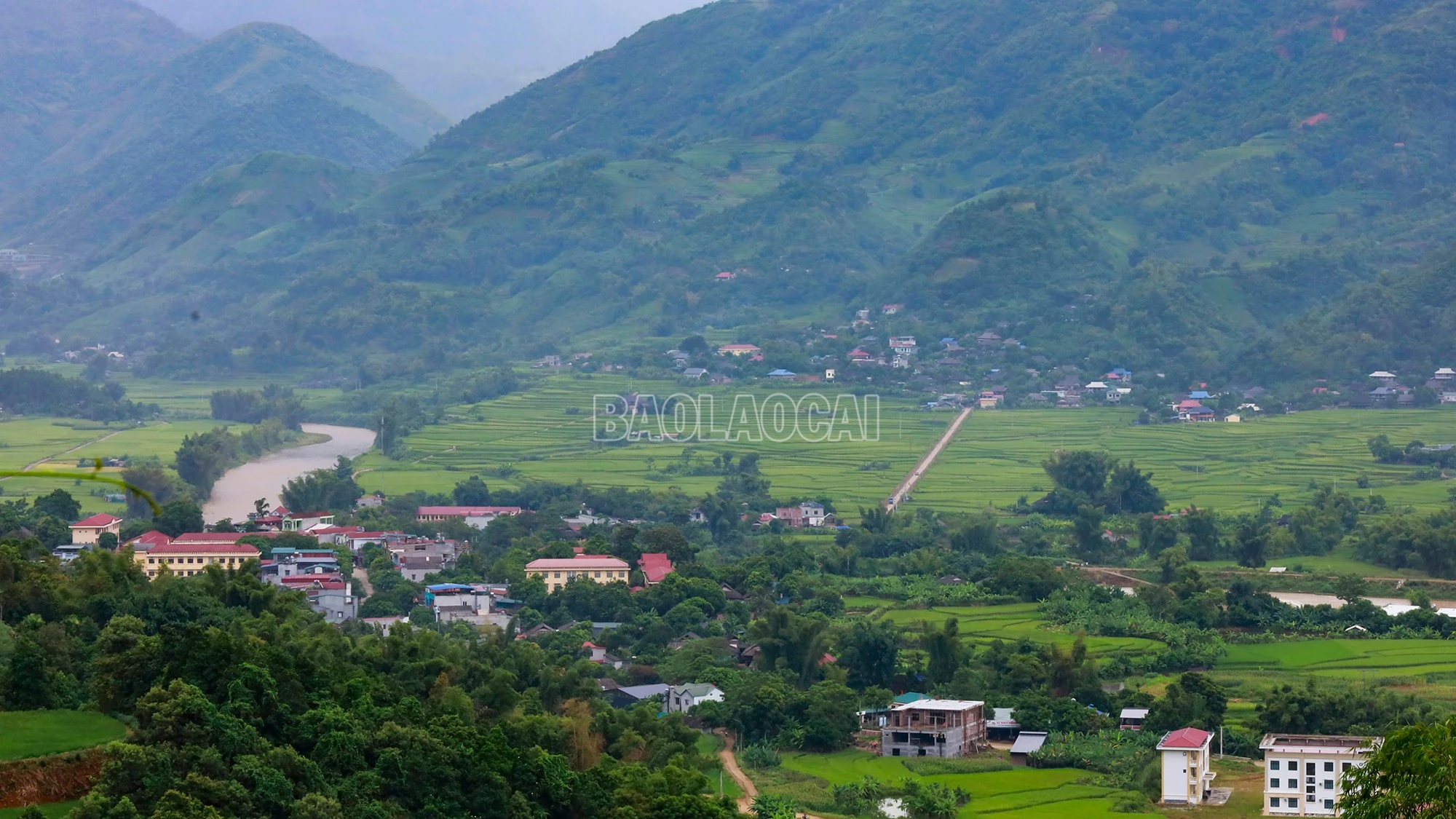
Over the years, Lao Cai has developed a large cinnamon growing area, creating livelihoods for tens of thousands of households and forming a key industry. However, the potential for future development lies not in expanding the area but in improving quality, increasing the rate of deep processing, and building brands.
When cinnamon growing areas are managed according to international standards, products are clearly traceable, and cinnamon is more deeply integrated into global supply chains, its value will continue to increase. At that point, cinnamon will not only provide stable income for the people but also become a competitive industry, making a practical contribution to the local green economic development.
Source: https://baolaocai.vn/bai-cuoi-mo-loi-cho-vang-xanh-post902654.html


![[Photo] Strengthening character and expertise: Intense training for artillery soldiers.](https://vphoto.vietnam.vn/thumb/1200x675/vietnam/resource/IMAGE/2026/06/30/1782815602541_lu-368-1875-4571-jpg.webp)