Return to where the melodies began.
In the tranquil atmosphere of the National Martyrs' Cemetery on Highway 9, musician Douangmixay Likaya stood for a long time before the rows of white graves. He silently lit incense, bowed deeply, and slowly walked past each tomb. On this return trip to Quang Tri , this was his first stop and also the place that left the most profound impression on him.
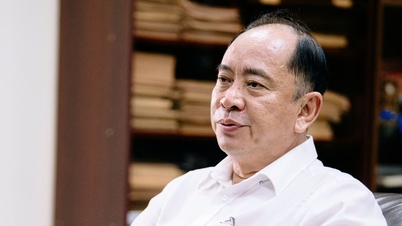
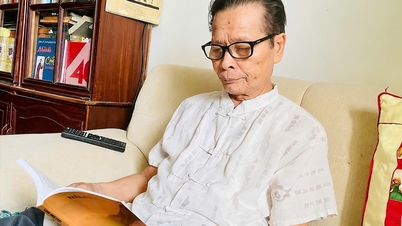
Douangmixay Likaya is one of Laos's leading composers with over 50 years of artistic activity. He has composed over 200 songs, along with numerous symphonies, film scores, and dance music; many of which are associated with President Ho Chi Minh and the special relationship between Vietnam and Laos. Following the success of his symphony " Red River - Mekong ," he continues to nurture the project "Eternal Love Between Laos and Vietnam, " a musical project inspired by the Southern Laos Highway 9, the years of companionship between the people of the two countries, and the values cultivated over generations.
The names inscribed on the tombstones, the unidentified graves, and the silence that enveloped the cemetery moved the musician to tears. For him, it was not only the resting place of those who fell for national independence and noble international duty, but also a part of the memory associated with the years when the Vietnamese and Lao people stood shoulder to shoulder, overcoming the ravages of war.
"I've read a lot about the war, heard many stories about the sacrifices of the soldiers and people of both countries. But standing here, the feeling is completely different. I understand that the friendship we have today has been built upon the many losses and sacrifices of previous generations," he shared.
Leaving the Highway 9 Cemetery, the musician continued his journey through places that have become symbols of friendship. Each place he stopped at revealed a unique story, from the remaining traces of war to memories of human kindness during difficult times and cultural values that have been preserved and endured over time.
From Highway 9, Ban Dong to Ta Con and then Quang Tri Ancient Citadel, the things he saw and heard gradually connected in his thoughts, forming a continuous stream of emotions. The silent artifacts in the museum, the stories of the local people, or the echoes of Lao folk songs resounding in the historical space all became material for him to continue completing his unfinished work.

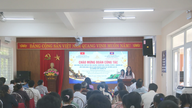
During his time in Quang Tri, Douangmixay Likaya also spent time meeting with artists, cultural researchers, and people connected to the region along Highway 9. Through each conversation, he gathered details of life that books could hardly fully capture. These simple stories are adding emotional depth to the symphony he has poured so much heart into perfecting.

From the memories of a soldier...
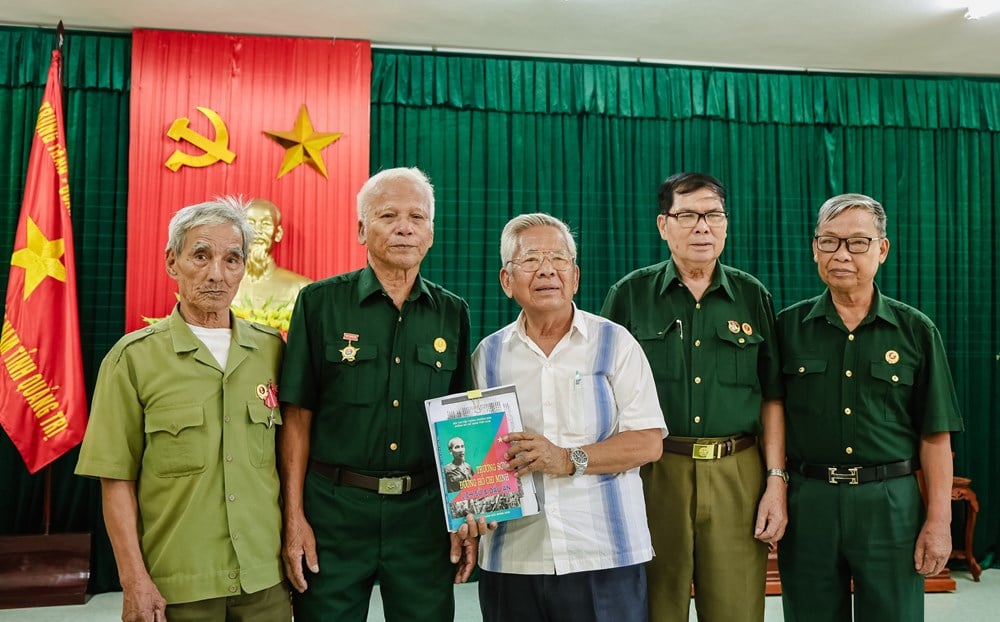
One of the most deeply moving encounters for musician Douangmixay Likaya during this trip was his meeting with veterans from Quang Tri. As they recounted stories from decades later, the Lao musician listened attentively to recollections of the war-torn route, of comrades who perished on the battlefield, and of the affection the Lao people once held for the Vietnamese volunteer soldiers during those brutal years.
The soldiers of yesteryear hardly spoke much about their victories. They mentioned their comrades, the Lao families who had sheltered the soldiers of Uncle Ho's army, and the farewells with no promise of reunion. Through their simple, heartfelt stories, history emerged not through dry numbers or events, but through the lives of those who lived through the war and carried those memories throughout their lives. "Through each story, I understood more about the bond and loyalty that the people of the two countries have shown each other," shared musician Douangmixay Likaya.
Following his meeting with veterans, he continued his journey to Quang Tri Ancient Citadel. Amidst the solemn atmosphere of the historical site, the musician spent considerable time listening to stories of a bygone era. The losses of war, the destinies connected to this land, and the resilience in overcoming adversity stirred deep reflections within him. The more places he visited and the more historical witnesses he met, the more profound his reflections became. For Douangmixay Likaya, these were not simply glimpses of the past, but also reminders of the responsibility to preserve the values that were bought with the sacrifices of countless heroes and martyrs.
"I have written many works about the friendship between Vietnam and Laos, but standing at Quang Tri Citadel, I felt the meaning of peace more deeply. The more I understand what previous generations have gone through, the more I feel the need to cherish and preserve the values they have painstakingly cultivated," he expressed.
The journey through Vinh Moc Bay and the banks of Hien Luong River continued to give the musician a special feeling about a land once ravaged by bombs and bullets, yet always looking forward. Each place he passed through held its own story, but what remained most deeply was his affection for Vietnam and the people who had contributed to nurturing his creative inspiration for decades.
"Nearly sixty years have passed, but the image of President Ho Chi Minh remains in my heart. Everything I write today, the works I still want to complete, all stem from my deep respect and love for him and my gratitude to the Vietnamese people," he expressed emotionally.

...to the unfinished symphony
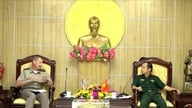
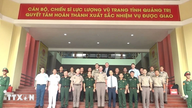

Still deeply committed to what he considered his final year's work, composer Douangmixay Likaya regarded "The Eternal Love Between Laos and Vietnam" as a place to entrust the feelings, experiences, and memories that have accompanied him for almost his entire life.
Following the success of the Red River - Mekong Symphony, he continues to dedicate himself to a new project. With Douangmixay Likaya, this is a work he has longed to complete after many years of preparation. His return trips to Highway 9, the encounters and emotions distilled along the journey are gradually being transformed into music. “I know I don’t have much time left to compose. But I hope to complete this work as a tribute to Uncle Ho, to those who sacrificed, and to future generations,” he said.
According to Mr. Au Viet Hung, Director of the Vietnam Cultural Center in Laos, artists like Douangmixay Likaya are one of the enduring bridges connecting the people of the two countries. “Music has its own way of bringing history closer to the public. Douangmixay Likaya's compositions help young people better understand the close relationship between Vietnam and Laos, as well as the values that have been nurtured through many generations,” Mr. Au Viet Hung shared.
For over half a century, Douangmixay Likaya has told the story of the Vietnam-Laos relationship through his melodies, and now, at the age of 80, still working on his unfinished symphony, he continues the journey he began decades ago. His return to Highway 9 will eventually end, but what he carries from that land will likely remain in his music. Just as his affection for Vietnam, after all these years, remains quietly present in each of his works and has never diminished.
Source: https://baovanhoa.vn/nghe-thuat/bai-cuoi-not-nhac-chua-khep-lai-236217.html