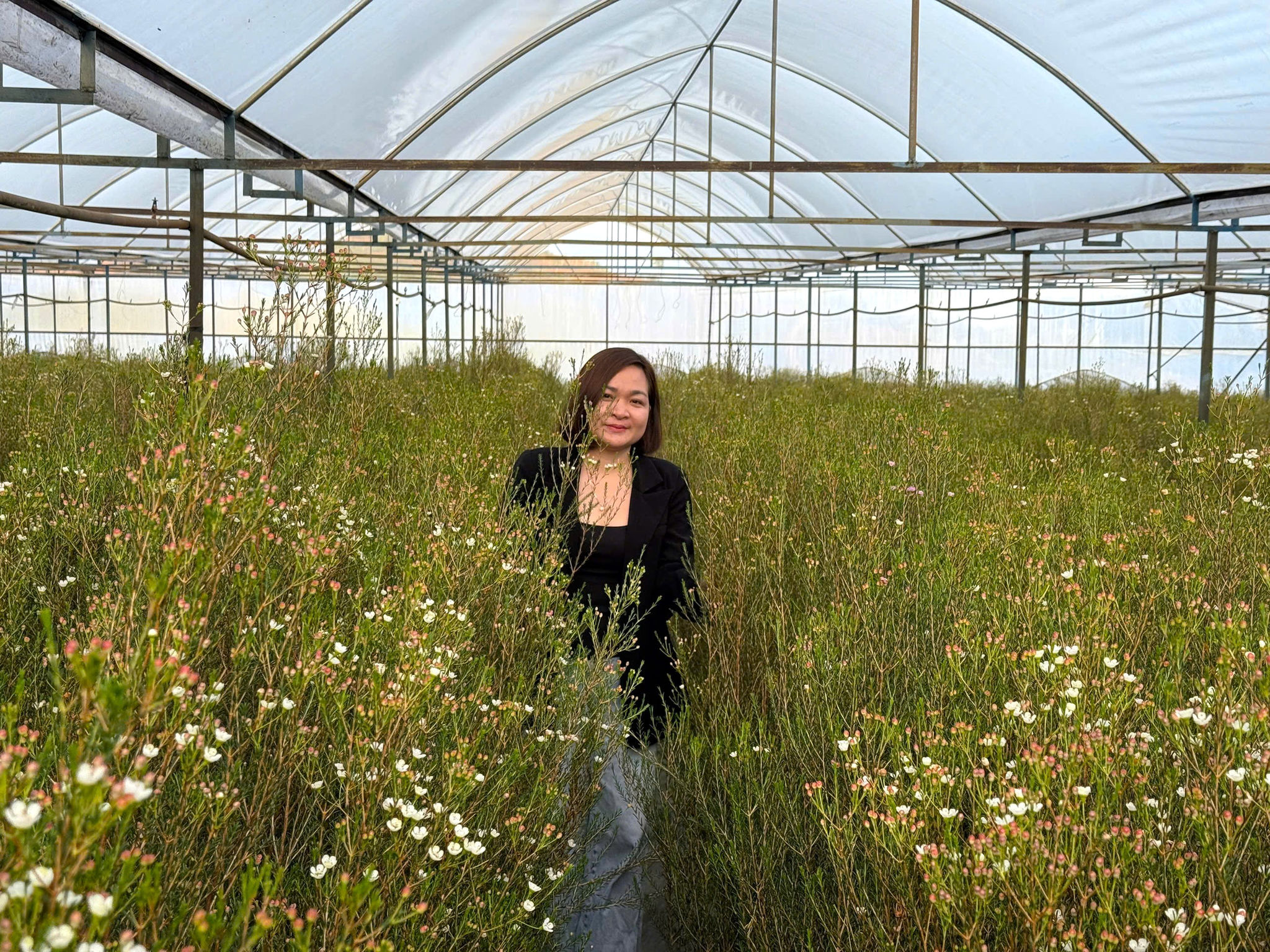
New flower varieties with high commercial value.
Tran An (born in 1991), representing the group of young farmers, recounted how, more than four years ago, the group of five decided to convert 3.5 hectares of low-income short-term crops to higher-income long-term crops. They planted their first crops at a farm in Lac Duong commune: two varieties of large-sized willow and hydrangea flowers, imported from Asia and Europe.
The technical aspects of planting and caring for the growth of these two long-term crops were overseen by experts from the country that supplied the seeds. However, less than six months after being established, the percentage of seedlings meeting the required growth rate was only about 50%; the remaining 50% died en masse, resulting in significant losses of investment capital.
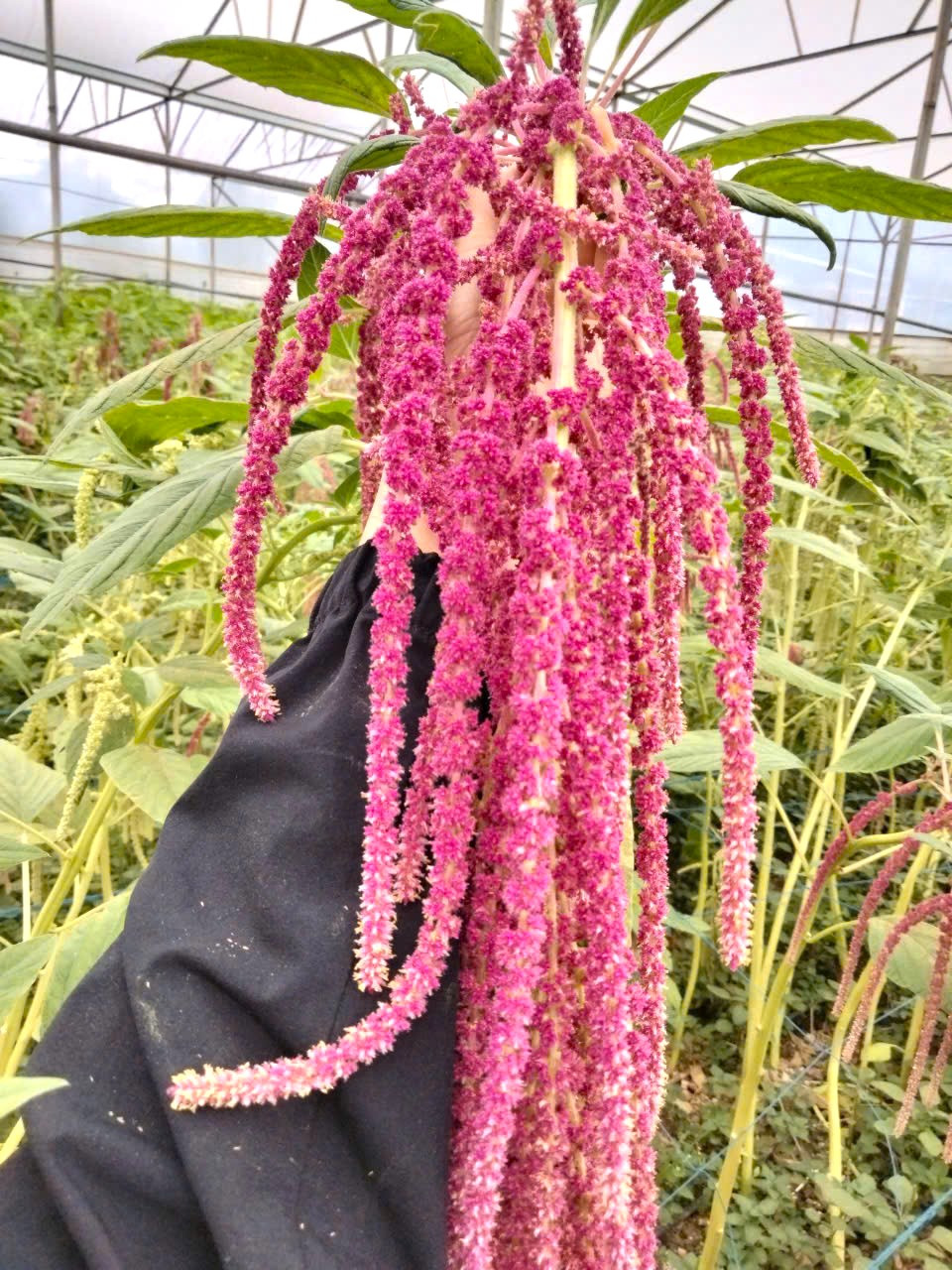
Analysis revealed that the cause of tree deaths was due to improper preparation of planting beds, fertilization, and irrigation practices that were unsuitable for the terrain, weather, and climate of the newly developed plateau region. Based on this, experts continuously adjusted the care regimens for 18 months before finalizing the process.
Similar to other typical flower and foliage varieties in Lac Duong commune, they all face challenges during the initial rooting phase of 6-18 months before stabilizing for commercial purposes and creating economically valuable products on the market. Specifically, with a growth cycle of 3-5 years, on average, a 1,000 m² area at the Lac Duong commune farm yields approximately 3,000 bunches of willow blossoms; 1,800 hydrangea plants; 25,000 amaranth plants; and 5,000 bunches of snowdrop flowers, arranged in a diverse array of colors including white, pink, red, blue, brown, yellow, and purple. Cut branches can be kept fresh in vases for about 3 weeks in highland areas (1,000-1,500 m) and up to 10 days in lowland areas.

“To date, the farm has stabilized its production and business areas for key flower and foliage varieties originating from Asia and Europe, such as: 2 hectares of hydrangeas; 1.7 hectares of willow; 1.5 hectares of snowdrop; and 0.5 hectares of amaranth, achieving an average annual income of nearly 200 million VND per 1,000 m² . Currently, the farm has transferred seed sources, techniques, and guaranteed the purchase of products from 5 farming households in the area, totaling nearly 2 hectares…,” farmer Tran An added.
Farmer Nguyen Minh Trung (born in 1986), one of the five farming households participating in a production cooperative in Langbiang ward, Da Lat, has successfully converted 0.4 hectares of degraded chrysanthemum seedlings to growing willow blossoms over the past six months. Following techniques transferred from a farm in Lac Duong commune, the first step involves creating raised beds 70 cm high. One month later, the soil is tilled to loosen it, and seedlings are planted. Care is then provided, combining drip irrigation and fertilization, until nine months later, when harvesting begins.
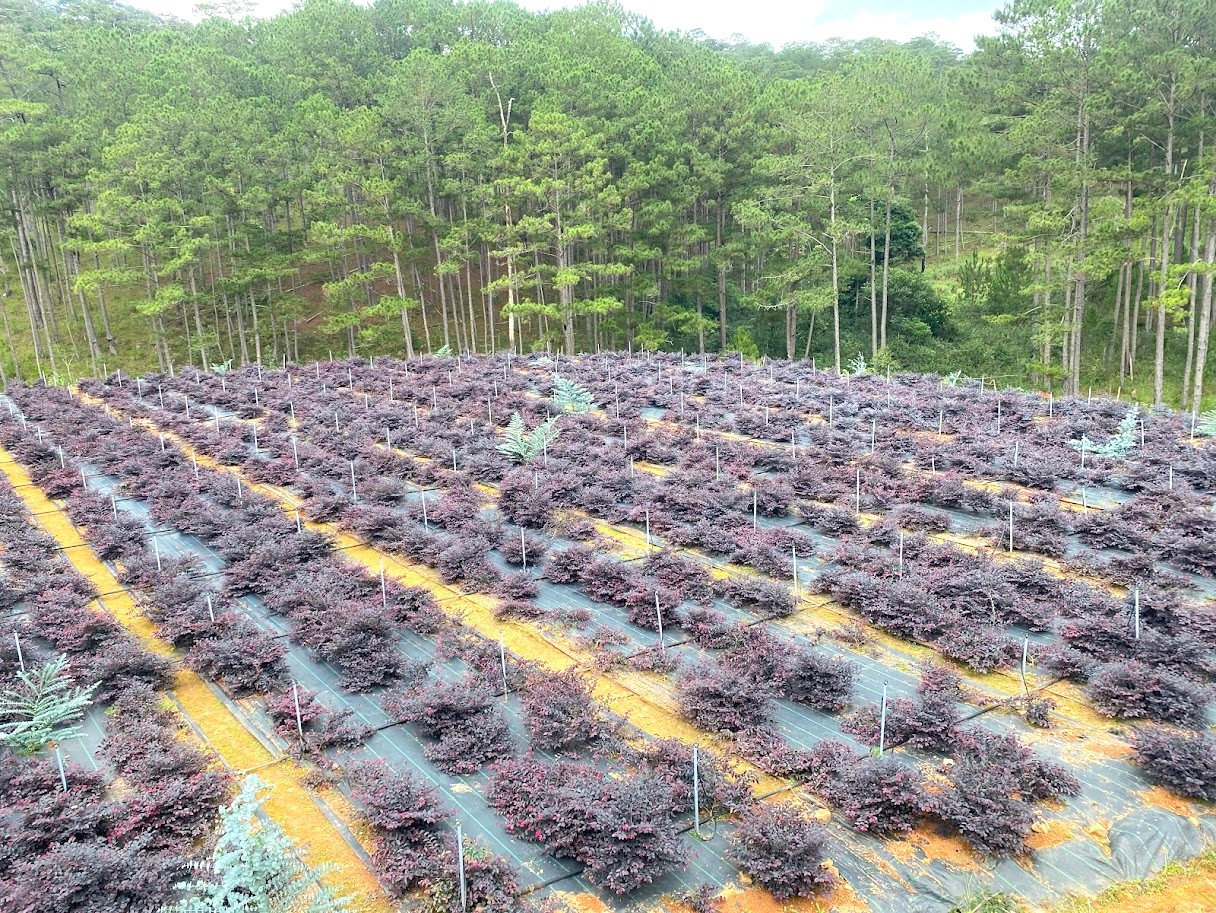
Trung shared: “With over 95% of the seedlings developing to the required standards, we expect to harvest the first crop of willow blossoms, approximately 500 bunches, by September 2026. From the second crop onwards, we expect to harvest 1,000 bunches or more. The production and business period for willow blossoms in Langbiang ward, Da Lat, is about 5 years before replanting. Revenue in the first year will recover the initial investment…”
Adding highlights to the flower map
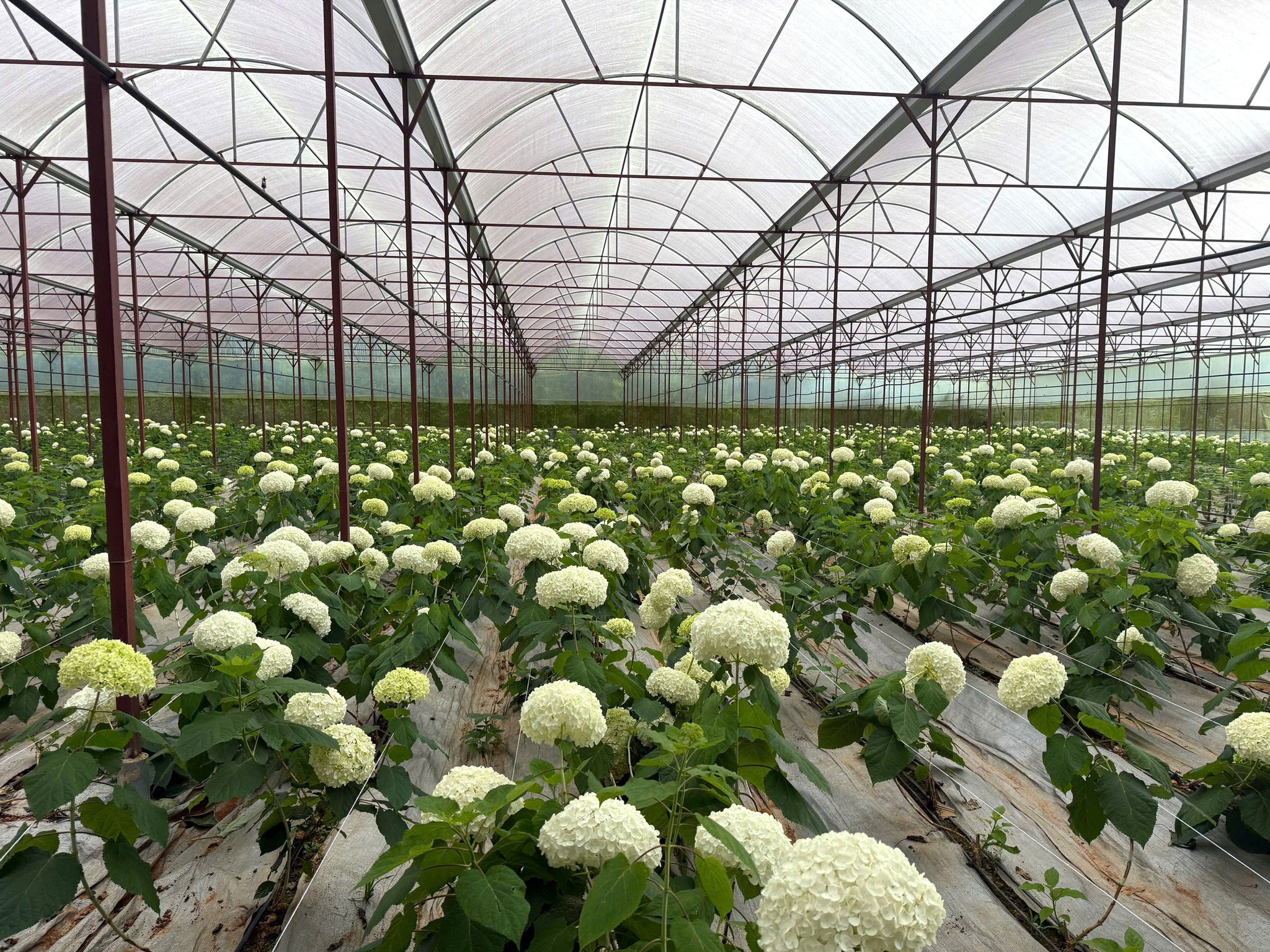
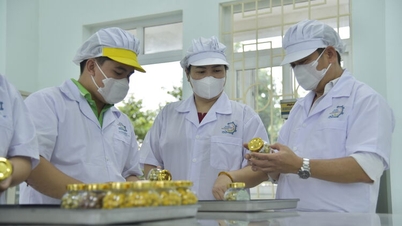
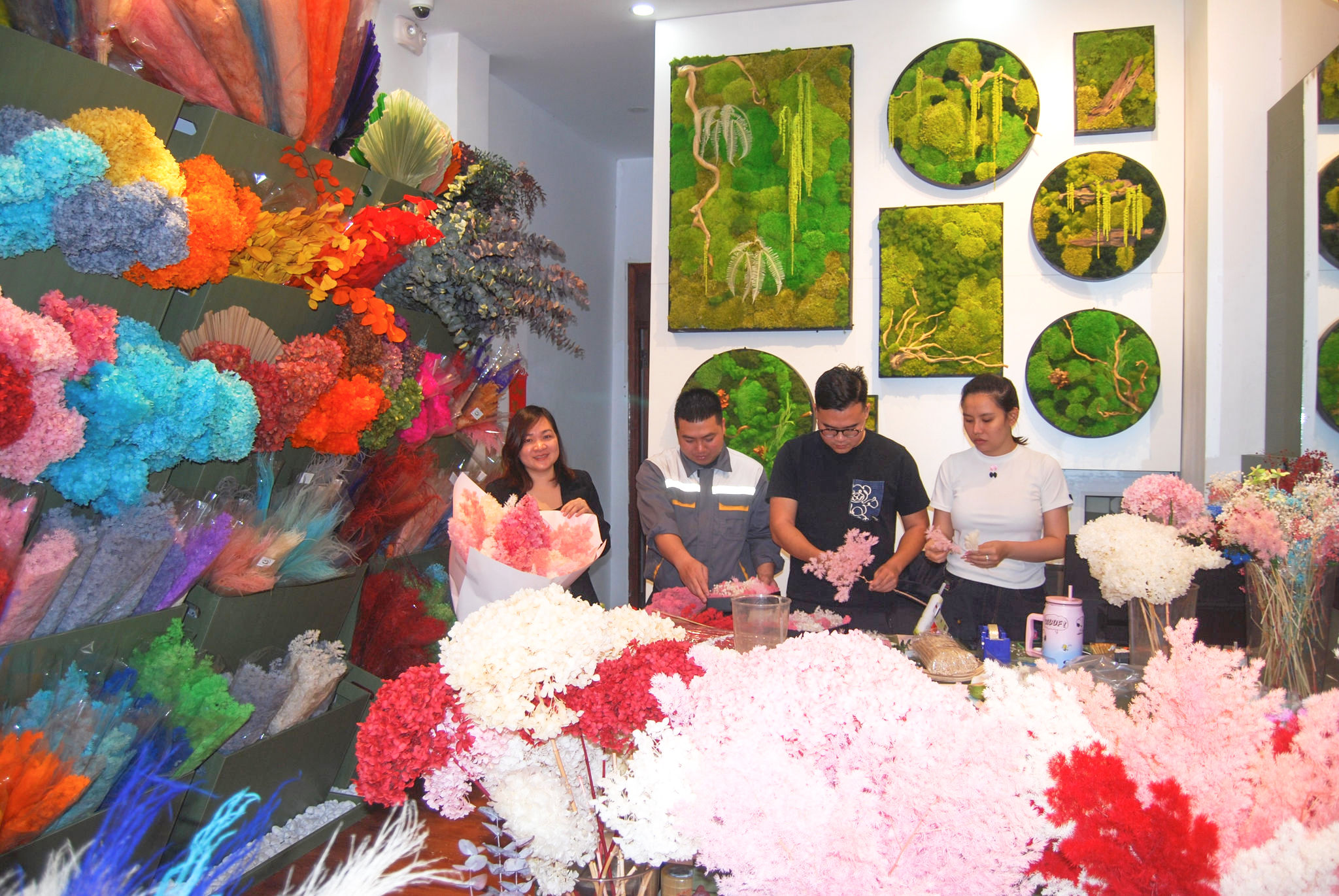
To date, the total area of farms and households involved in the production of new and exotic flower and foliage varieties in the agricultural areas of Lac Duong commune and Langbiang ward - Da Lat is nearly 25 hectares. Besides selling fresh flowers, the farm's technicians have successfully researched and processed more than 20 lines of dried fresh flower products, which have been positively received by the market, resulting in a fairly high initial commercial success.
Farm technician Tran Trong Thai (born in 2000) said that the technique of drying fresh flowers to make them last forever mainly involves a natural environment with suitable temperature, avoiding direct sunlight, and extracting chlorophyll pigments from leaf tissue to retain the shape and color as close to fresh flowers as possible.



Mr. Lai The Hung, Vice Chairman of the Da Lat Flower Association, assessed that the flower farm in Lac Duong commune, a member of the Da Lat Flower Association, has made many contributions to the Lam Dong flower industry. Besides willow, snowdrop, hydrangea, and rose, the farm has imported and experimented with different varieties of flowers and ornamental foliage with high economic value, such as gerbera, ranunculus, and tulip, to supply the markets of major cities nationwide.
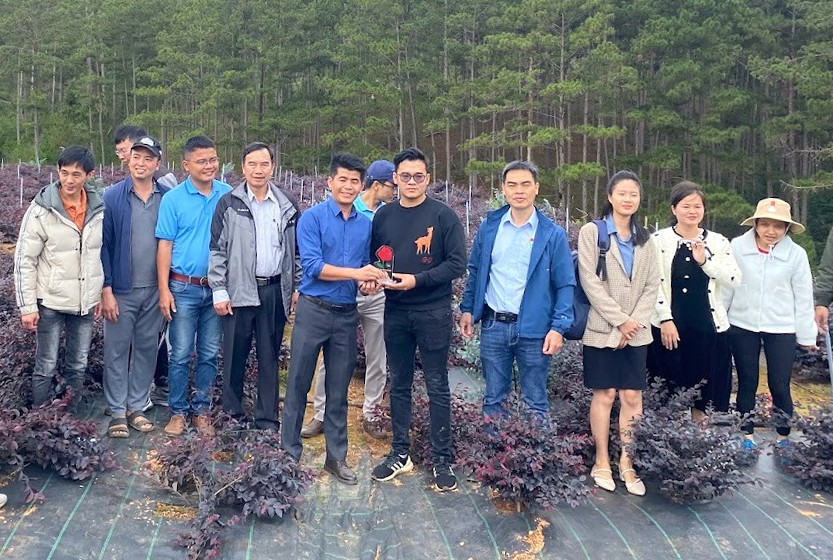
Overall, in the past two years, the Da Lat Flower Association has developed a new flower map, adding more than 10 varieties of flowers and foliage imported from countries with advanced flower production technology. The aim is to create a breakthrough in expanding the domestic and export markets, enhancing the reputation and brand value of Da Lat flowers, "a miraculous crystallization from fertile land."
Source: https://baolamdong.vn/ban-do-hoa-moi-บน-xu-ngan-hoa-449780.html



























![[Photo] Thousands of people participate in a run to show their support for the campaign "Sharing a common determination to build drug-free communes, wards, and special zones".](https://vphoto.vietnam.vn/thumb/1200x675/vietnam/resource/IMAGE/2026/06/27/1782554475933_0673e2a3df7b5e25076a-8283-jpg.webp)