AI is changing the concept of authorship and copyright.
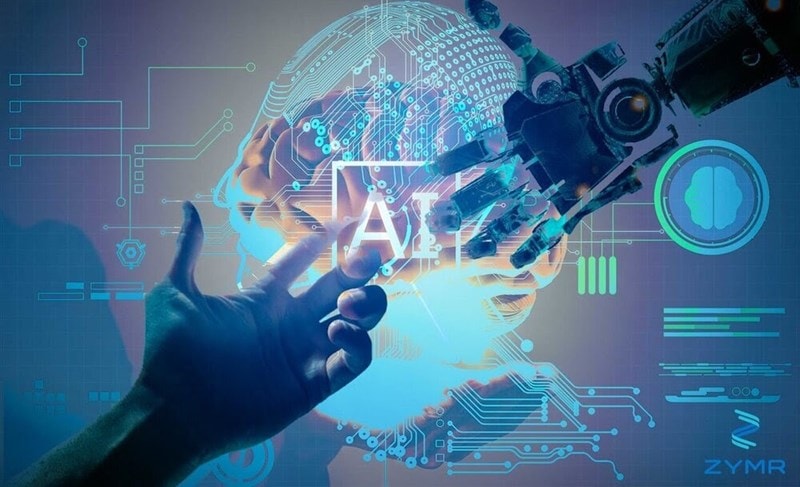
The rapid development of AI generation systems is ushering in a new era for the creative industry. With just a few simple commands, AI can generate articles, music, images, videos , or even participate in software development.
According to numerous international studies, AI is becoming increasingly prevalent in the field of content creation. A report from the International Music Summit indicates that approximately 60 million people worldwide have used AI to compose music . This explosion is not only changing traditional creative methods but also raising unprecedented legal questions. If a song, a painting, or a literary work is created by AI, who will own the copyright to that product?
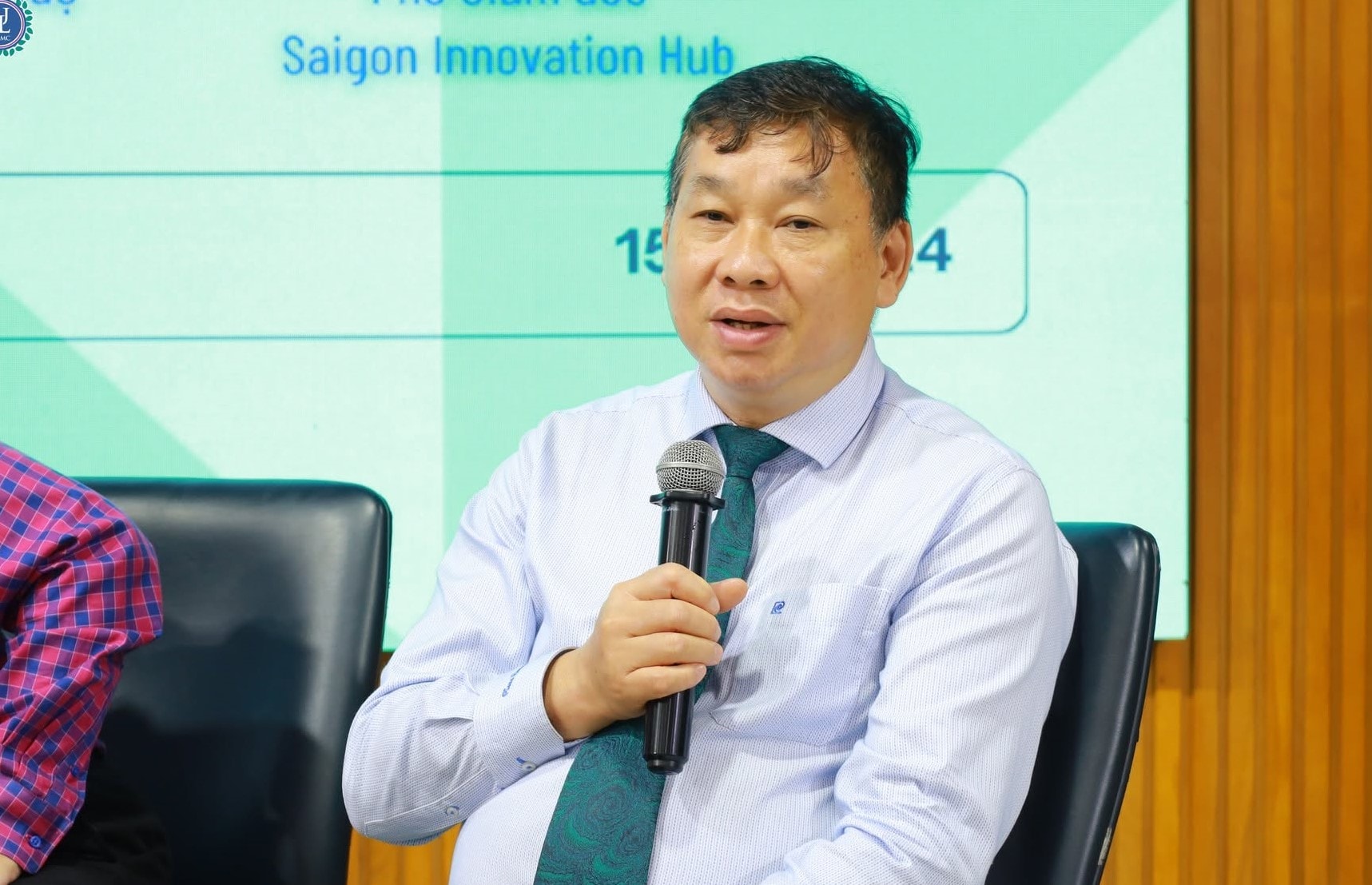
According to Mr. Tran Le Hong, Deputy Director of the Intellectual Property Office ( Ministry of Science and Technology ), this is an issue on which the world has yet to reach a consensus. "There are many intertwined benefits surrounding a product created by AI. Therefore, countries have not yet found common ground," Mr. Tran Le Hong stated.
Not only Vietnam, but many countries and international organizations are also actively seeking solutions to this problem. The World Intellectual Property Organization (WIPO) has conducted numerous studies and discussions to develop appropriate approaches to products involving AI. The prominent trend today is to protect only works that involve significant human creative contribution.
In the United States, the Copyright Office and federal courts agree that only works created by humans are eligible for copyright protection. Products created entirely by AI are not recognized as eligible for protection. However, if humans have significant involvement in the selection, arrangement, or modification of the output, that contribution may still be protected.
The European Union has also adopted a similar approach, demanding increased transparency regarding AI training data and refusing to recognize copyright for products created entirely by AI systems without any creative human intervention.
According to experts, this approach stems from the core principle of the copyright system: protecting the intellectual property of human beings. While AI has the ability to create content, it remains merely a tool, not a legal entity, and does not possess the same rights as humans.
In Vietnam, the current intellectual property legal system is also built on that principle. Mr. Tran Le Hong stated that current regulations do not definitively accept or reject the protection of products created by AI, but still operate according to the fundamental principle of the intellectual property system: the protected object must be linked to human creative activity.
For inventions, applicants must demonstrate that AI only served as a tool to assist in the creative process and was not the creator of the invention itself.



According to experts, this approach both ensures the stability of the current intellectual property system and creates room for further research into necessary changes in the future.
Gradually improving the legal framework.
In Vietnam, the process of perfecting the legal framework for AI has been implemented through amendments to the Intellectual Property Law and the issuance of implementing guidelines.
According to Mr. Tran Le Hong, although AI has not yet been recognized as a subject of intellectual property rights, it has been mentioned in the amended Intellectual Property Law of 2025 as an important policy direction. This reflects Vietnam's stance of encouraging AI development while gradually researching appropriate legal mechanisms to address newly arising issues.
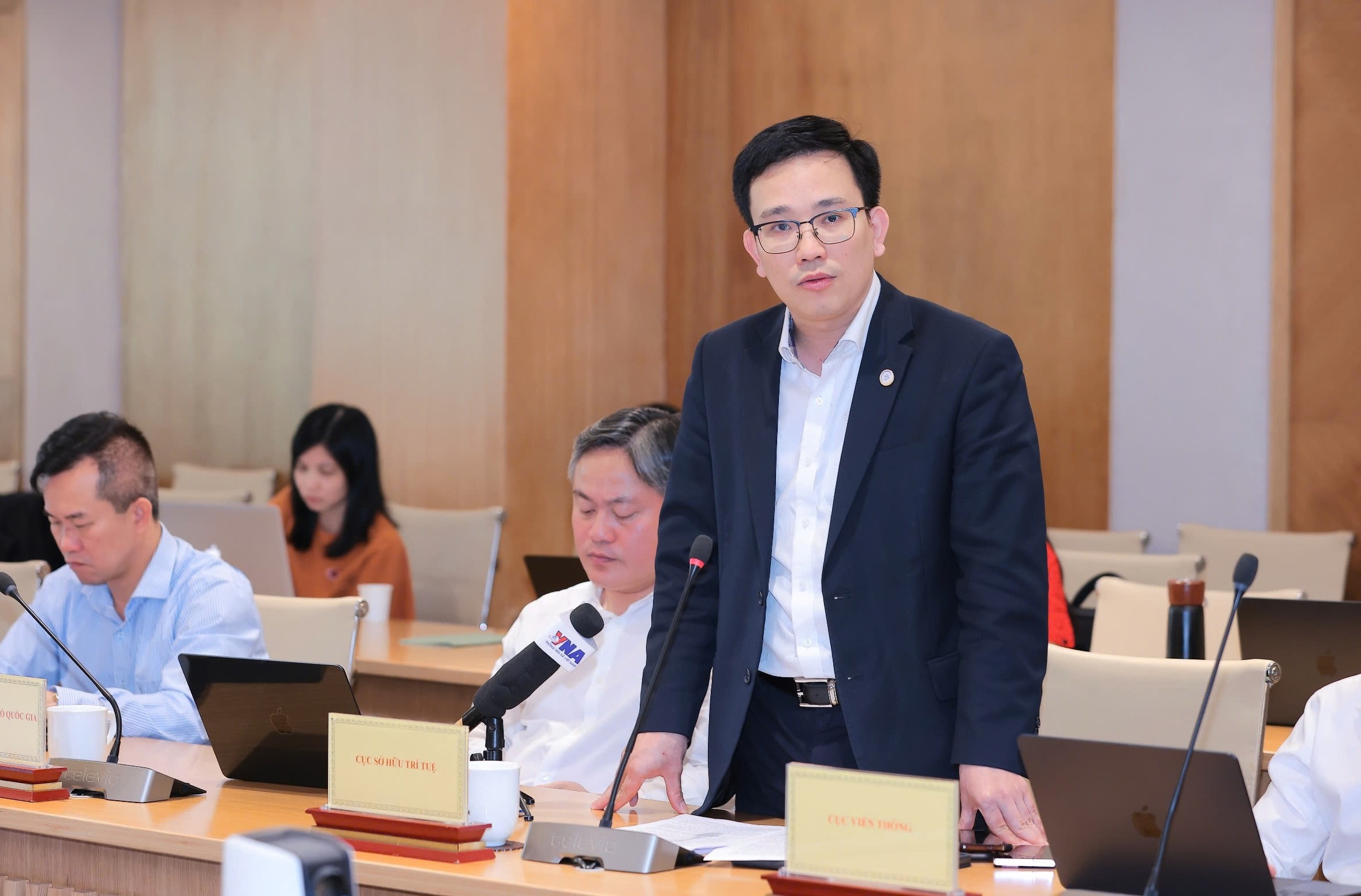
To concretize this policy, according to Mr. Nguyen Hoang Giang, Deputy Director of the Intellectual Property Office, Ministry of Science and Technology, the Government has issued Decree No. 134/2026/ND-CP guiding the implementation of the 2025 Intellectual Property Law related to objects created using AI, effective from April 9, 2026.
According to Decree No. 134/2026/ND-CP, Vietnamese law continues to affirm the consistent principle that AI is not the author. AI is only considered a tool to assist in the creative process. Literary, artistic, musical works and other objects are only protected when they are created by human intellect and labor.
For works utilizing AI, the decree sets out several specific conditions for protection. These include a significant and decisive human contribution to the creative process, demonstrated through idea generation, sketching, setting technical parameters, editing, or refining the work. Furthermore, the individual must be responsible for the content and legality of the work.
Another important condition is that the use of AI must not infringe on the copyright of the input data used in the creation of the work.
According to many experts, these regulations demonstrate the regulatory body's efforts to find a balance between two major goals: promoting AI-based innovation and protecting the legitimate rights and interests of rights holders.
However, according to Mr. Tran Le Hong, current AI systems are trained on massive datasets including text, images, audio, and many other types of data. Determining the origin of the data, the scope of its use, and the extent of its impact on each rights holder is a very difficult problem.
"If protection is too strict and absolute, AI will find it very difficult to develop. But if management is lax, the risk of infringing on the rights and interests of data owners will also increase," said Mr. Tran Le Hong.
Beyond copyright, AI also raises many new challenges related to personal data and personal rights. In recent years, the use of AI to create fake images or voices of celebrities has become increasingly common in the digital environment.



According to Mr. Tran Le Hong, personal images are currently protected under the provisions of the Civil Code. However, regarding voice, the current legal system still lacks specific regulations commensurate with the rapid development of technology.
Furthermore, the ability of AI to emulate the creative styles of famous artists, painters, or designers is raising new legal issues. Under current regulations, intellectual property law protects the author and the specific work, not the creative style. Therefore, AI emulating a particular artistic style is not currently considered copyright infringement.
Many experts believe that, in the future, as AI becomes increasingly capable of creating products with high economic value, debates regarding the protection mechanisms for AI products will likely continue to arise.
In the context of rapid digital transformation, the Ministry of Science and Technology's proactive approach in directing research and advising on the completion of the Intellectual Property Law and its implementing guidelines not only contributes to promoting innovation but also creates a basis for protecting the legitimate rights and interests of entities in the knowledge economy. This is considered an important preparatory step for Vietnam to adapt to the profound changes that AI is bringing to the creative industry in the coming time.
Source: https://hanoimoi.vn/ban-quyen-trong-thoi-dai-ai-hoan-thien-hanh-lang-phap-ly-de-bao-ve-sang-tao-1208075.html




















![[Photo] Thousands of people participate in a run to show their support for the campaign "Sharing a common determination to build drug-free communes, wards, and special zones".](https://vphoto.vietnam.vn/thumb/1200x675/vietnam/resource/IMAGE/2026/06/27/1782554475933_0673e2a3df7b5e25076a-8283-jpg.webp)