

 |
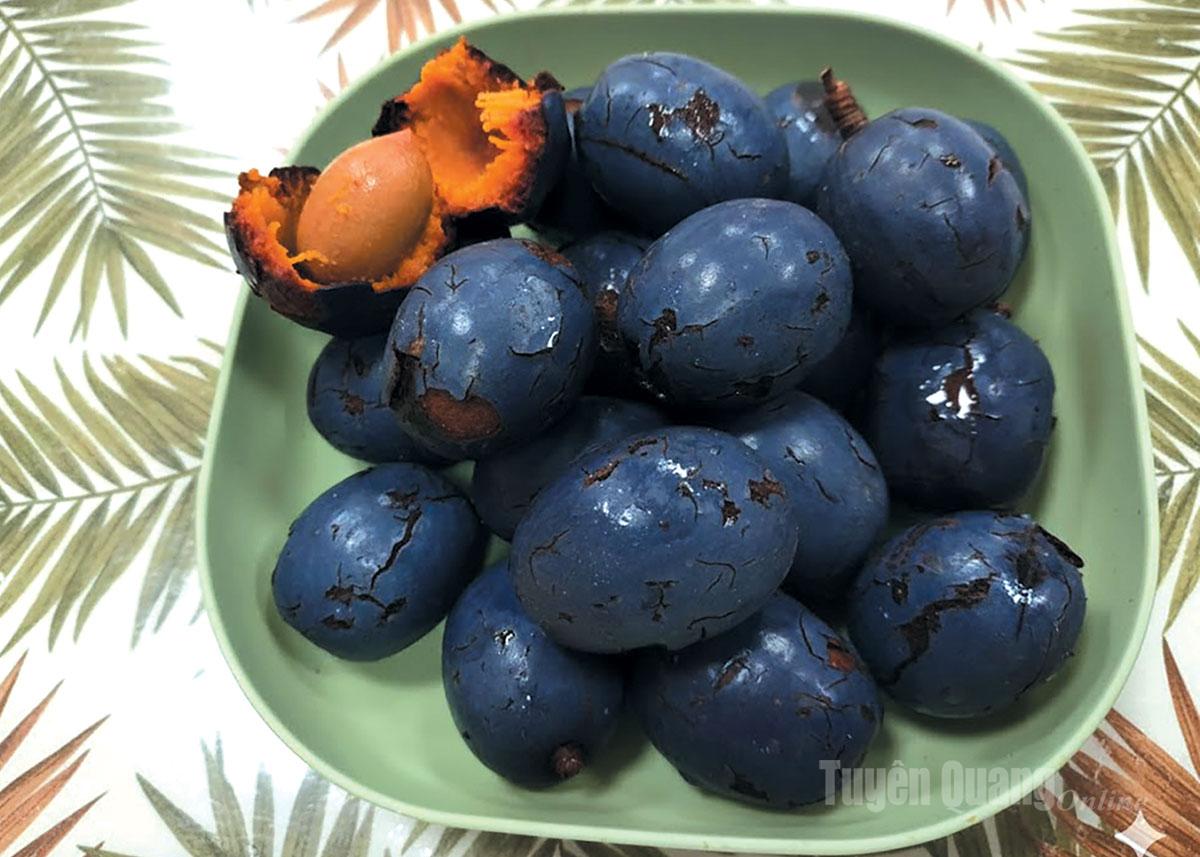
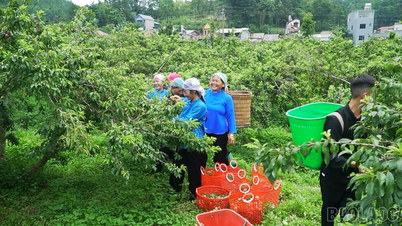
| Palm fruit. |
When talking about palm cakes, it's impossible not to mention the oil palm tree, a plant deeply intertwined with the lives of the people in the mountainous regions. Palm leaves are used to roof houses and make hats to protect from the sun and rain. But the most precious and poetic element is the palm fruit – the soul of many traditional delicacies.
Palm cake is made from glutinous rice flour mixed with a little regular rice to create a chewy texture. But what makes it truly unique is the palm processing stage – a culinary art requiring finesse and generations of experience, known locally as "palm preparation."
The palm fruit selected must be of the glutinous variety, with large, plump, fleshy fruits. The fresh fruits are washed clean and then placed in a pot of boiling water, maintained at a temperature of approximately 70°C - 80°C. This is the most important secret: if the water is too hot, the palm flesh will become tough and bitter; if the water is too cold, the palm will not cook properly, retaining its bitterness. The baker must listen to the sound of the boiling water and smell the aroma of the palm fruit to accurately time the transition from hard to soft and pliable.
After boiling, the palm fruit is removed and mashed to remove the seeds and fibers. The resulting palm pulp is a dark yellow, glossy substance, thick like butter, and emits the rich, buttery aroma characteristic of palm oil.
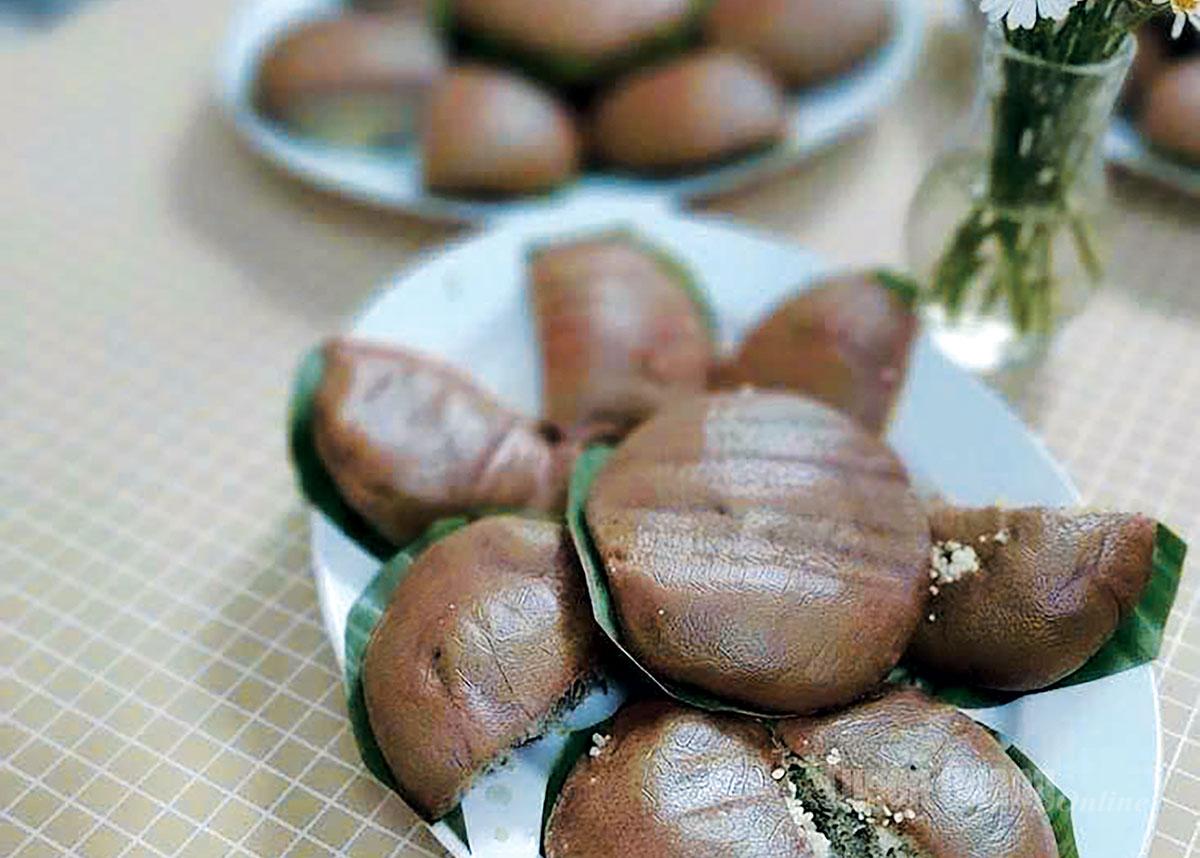 |
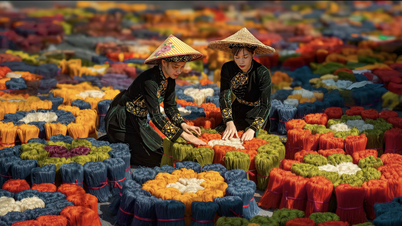
| Palm cake. |
The finely ground palm pulp is skillfully mixed with the prepared rice flour mixture. The hands of the highland woman nimbly knead the dough, ensuring that the palm fat completely blends into each grain of rice flour, forming a smooth, pliable dough with a beautiful amber-brown hue.
The cakes are then shaped into small, pretty rectangles or flat circles, and carefully wrapped in banana leaves or palm leaves. Using palm leaves not only prevents the cakes from sticking but also infuses them with the rustic, earthy aroma of the mountains and forests.
Finally, the cakes are neatly arranged in a steamer and steamed. The warm steam spreads, blending the fragrant aroma of glutinous rice, the rich scent of palm oil, and the aroma of the leaves used for wrapping, creating a cozy atmosphere characteristic of highland kitchens.
Enjoying palm oil cake is a complete experience. When you peel back the wrapping leaves, the soft, warm cake is revealed in an alluring golden-brown color. Taking a bite, you feel the chewy texture of the glutinous rice, the sweet and rich flavor of the palm oil, all harmoniously blended.
Therefore, palm cake is more than just a dish. It is a memory of hard work, a culture that cherishes nature, and the warm, heartfelt feelings of the people in the highlands.
Hoang Anh
Source: https://baotuyenquang.com.vn/van-hoa/202512/banh-co-vung-cao-57b65ec/




















































Comment (0)