


The Pơ mu forest in Cang Dông village is located in an area with low temperatures and a cool climate year-round – a favorable natural environment for this rare tree species to grow and thrive. Here, many ancient Pơ mu trees with large trunks and towering canopies, ranging in diameter from 30 to 80 cm, create a lush, tranquil, and particularly attractive primeval forest landscape for tourists and nature lovers.
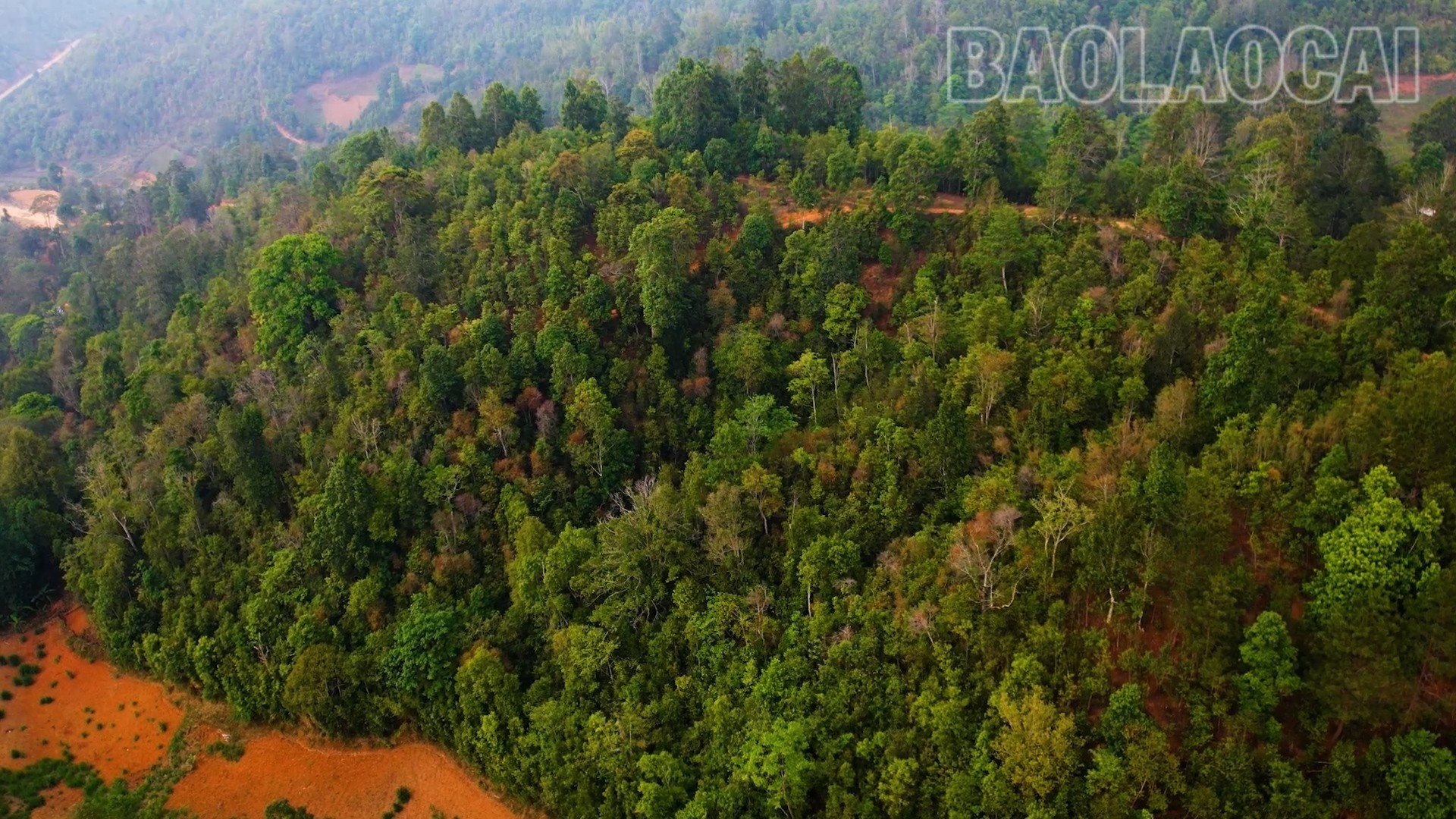
For the Mong ethnic people in Cang Dong, the Pơ Mu forest is not only a natural resource but also holds profound cultural and spiritual significance. For generations, the people have considered the forest as a shelter for their villages, a water source, a regulator of the climate, and a protector of their agricultural land. Therefore, the awareness of forest protection is deeply ingrained in the thinking and actions of every person here.
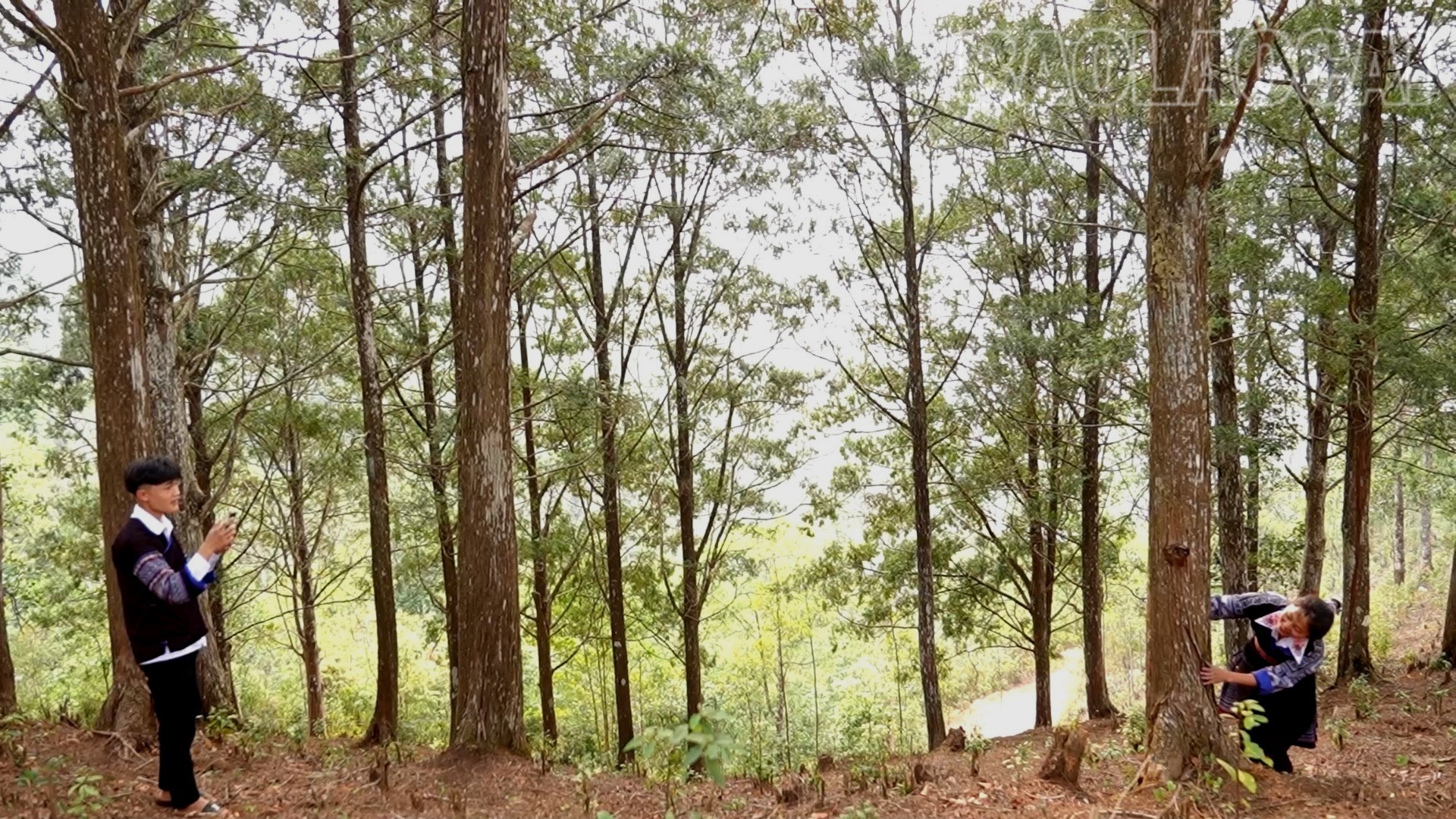
Over the years, in implementing the policy of protecting and developing forests, the people of Cang Dong village have proactively participated in managing and protecting the ancient Pơ mu forest. The village established a forest protection team with the participation of many households, assigning specific areas and organizing regular patrols to promptly detect and prevent acts of forest destruction. Forest protection regulations and customs have been incorporated into community life, considering deforestation as an act condemned and severely punished by the community. As a result, 70 ancient Pơ mu trees have been preserved intact, unaffected by human activities.
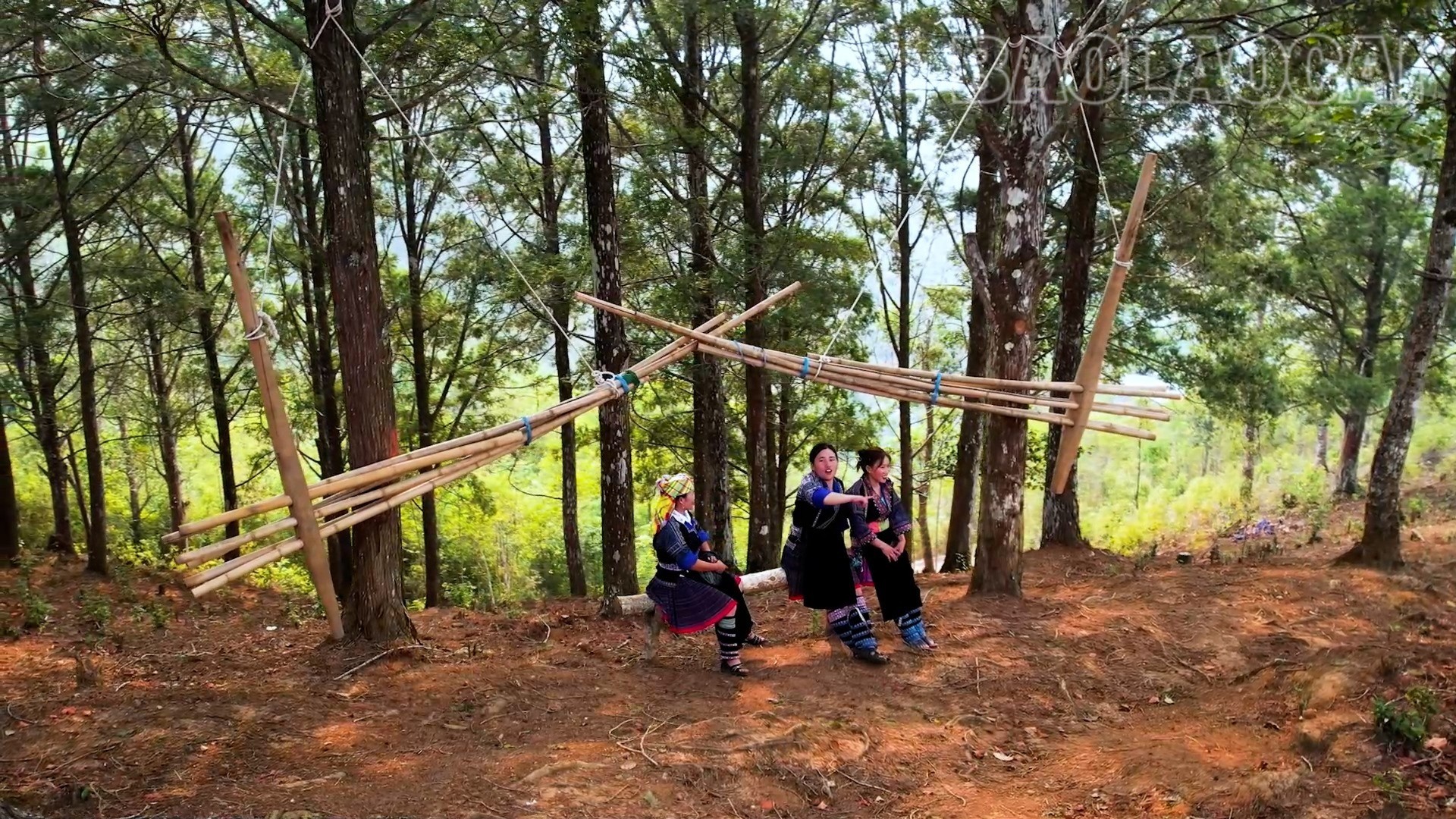
Giàng A Lồng, a member of the forest protection task force in Cang Dông village, said: "We organize regular patrols and remind people not to cut down trees, so this area of Pơ mu trees is well protected and not encroached upon."
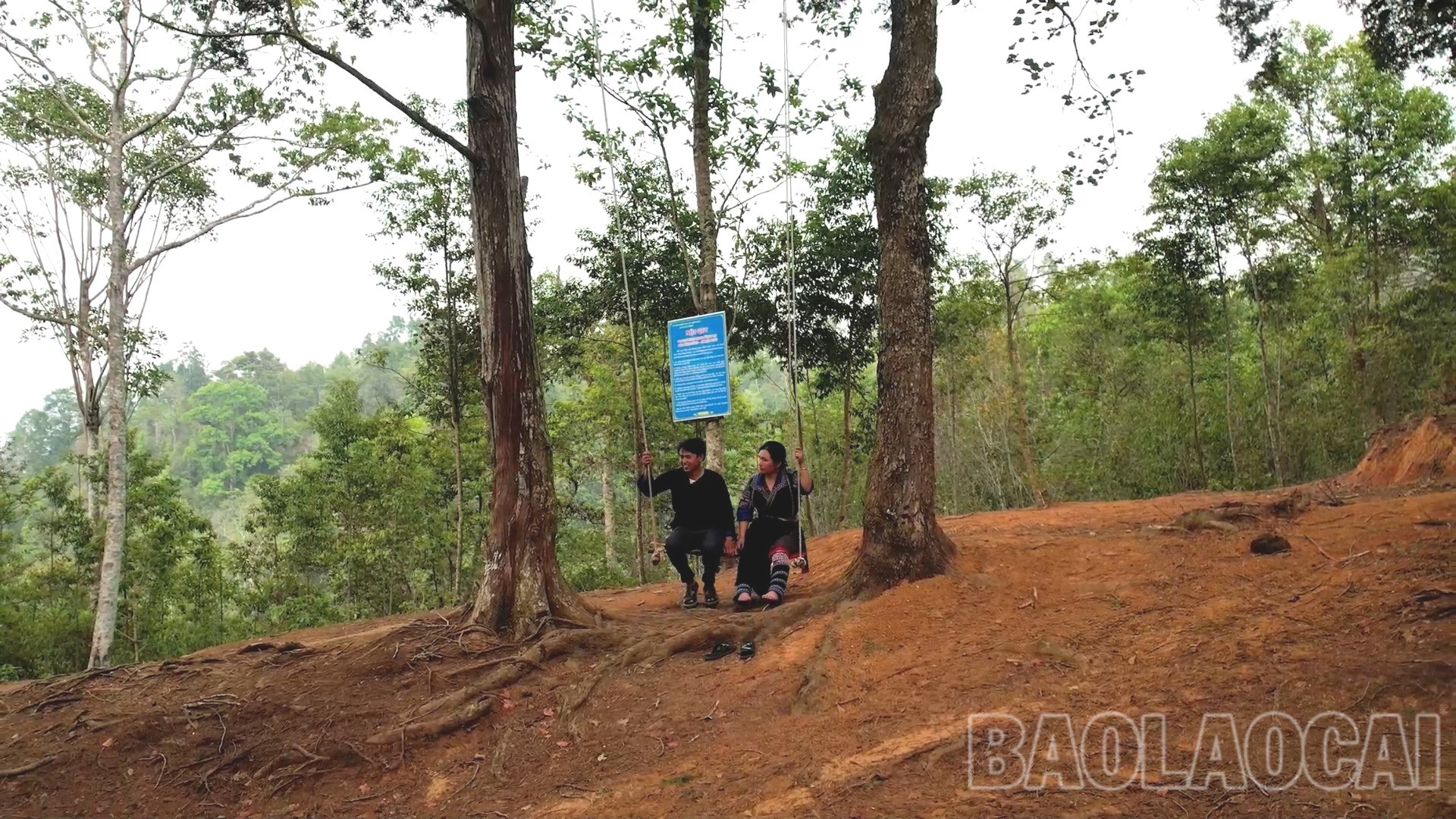
Not content with simply "preserving the forest," the people of Cang Dong are gradually transforming the Pơ Mu forest into an advantage for ecotourism development. In recent years, with the attention of the local government, the village has welcomed many groups of tourists and photographers to visit and explore the ancient Pơ Mu forest. The pristine beauty, fresh air, and the stories of forest protection by the local people have created a special attraction for nature-loving tourists.
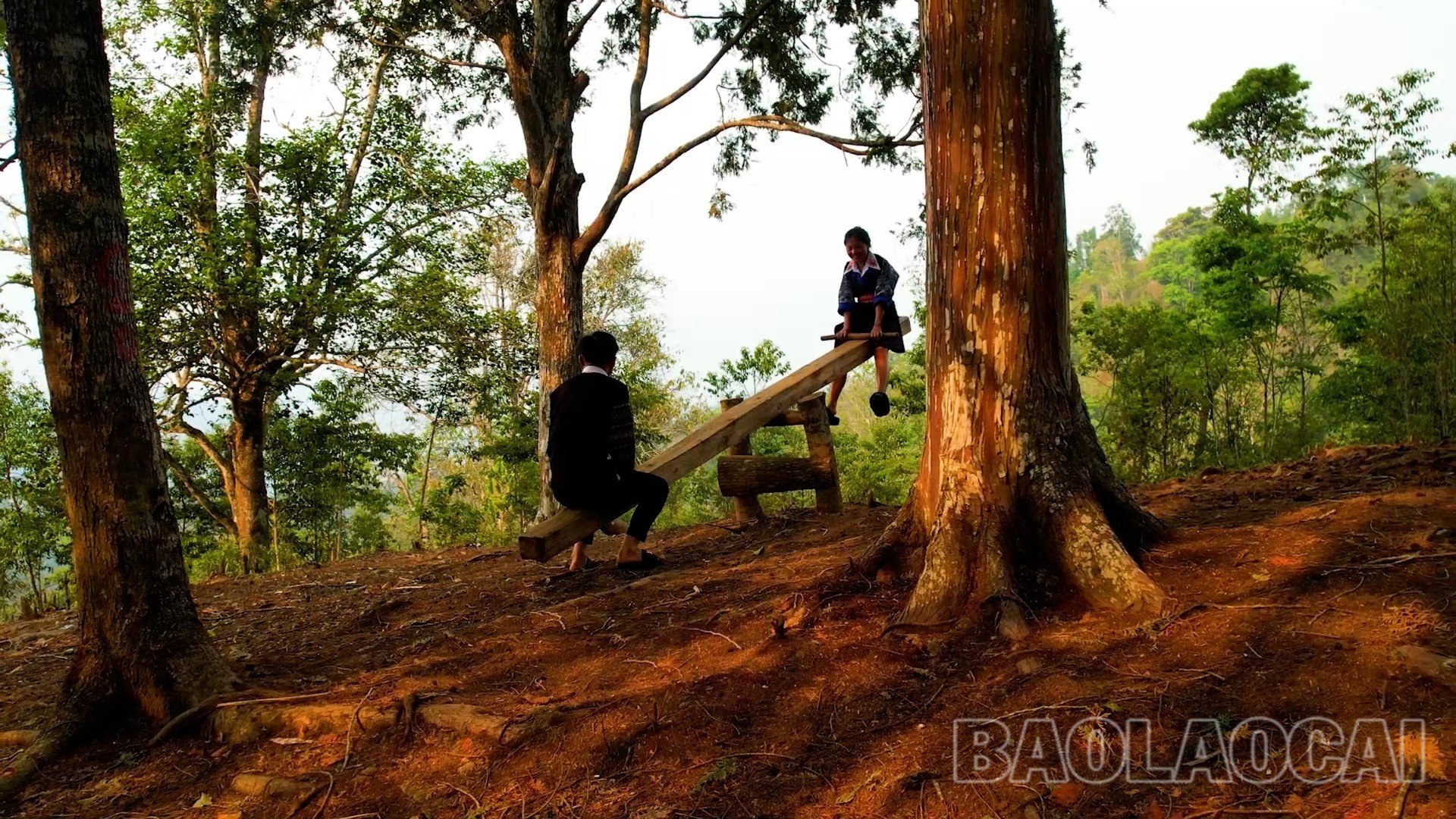
Leveraging their existing potential, some households in the village have been flexible and creative in their economic activities, boldly developing community tourism services such as homestay models, local guide services, introducing traditional cuisine, and organizing cultural experiences of the Mong ethnic group.
Mr. Giàng A Tùng, head of Cang Dông village, shared: "For us Hmong people, Pơ mu wood is a precious and rare type of wood. If we lose the forest, we will lose everything. Therefore, everyone is working together to protect the forest as if it were their own home."
In reality, when forests are well protected, the ecological environment is stable, and the landscape is preserved, tourism can develop sustainably. From tourism revenue, people are further motivated to protect the forests. This is a positive cycle between forest protection and economic development, especially suitable for disadvantaged highland communes like Púng Luông.
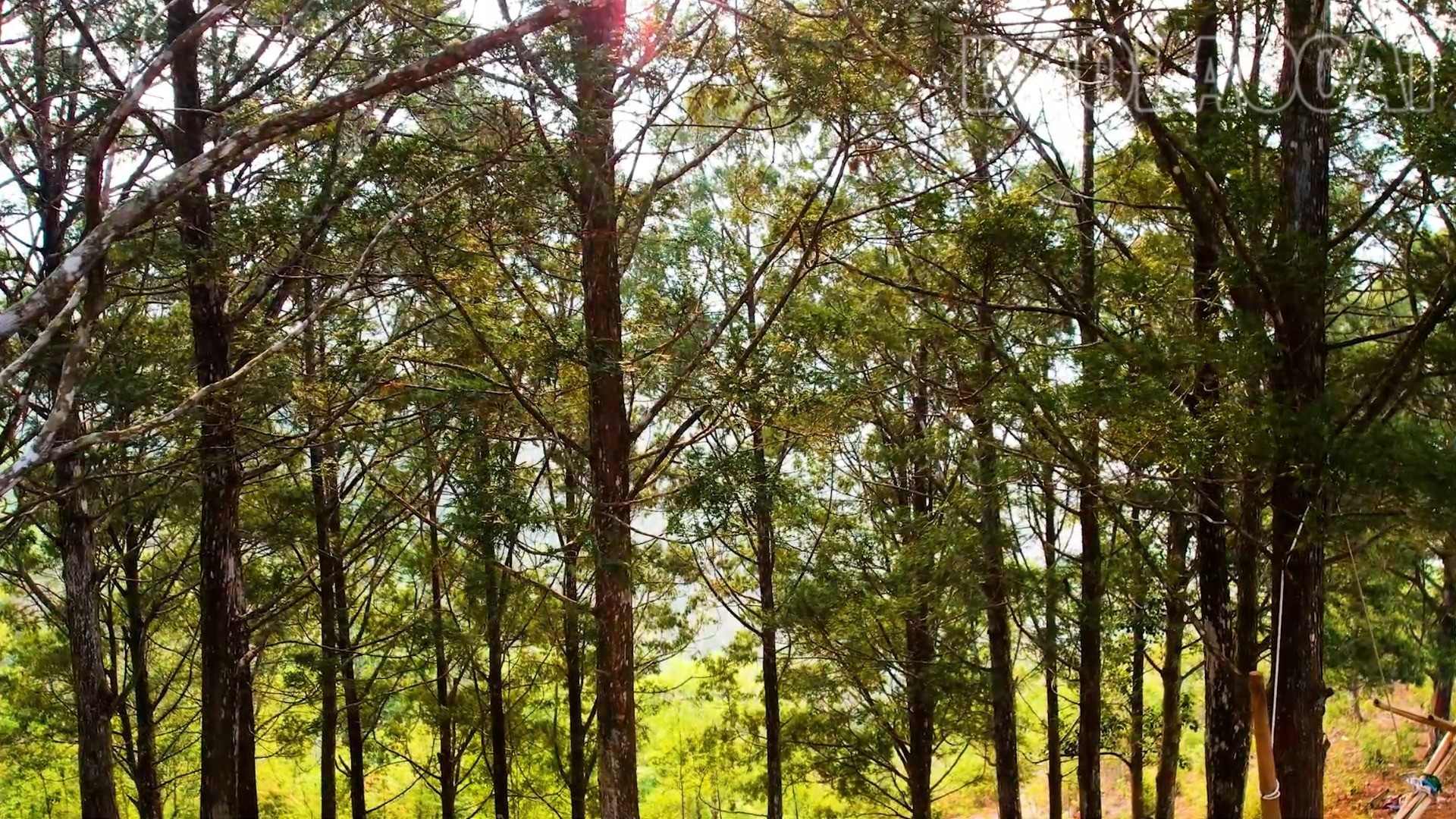
Mr. Thào A Phềnh, Vice Chairman of the People's Committee of Púng Luông commune, added: "Currently, it is very difficult to find any village with such a strictly protected cluster of Pơ mu trees. The main factor in having this cluster is the awareness of the people. This Pơ mu cluster has become a tourist attraction, drawing many visitors to come and experience it."
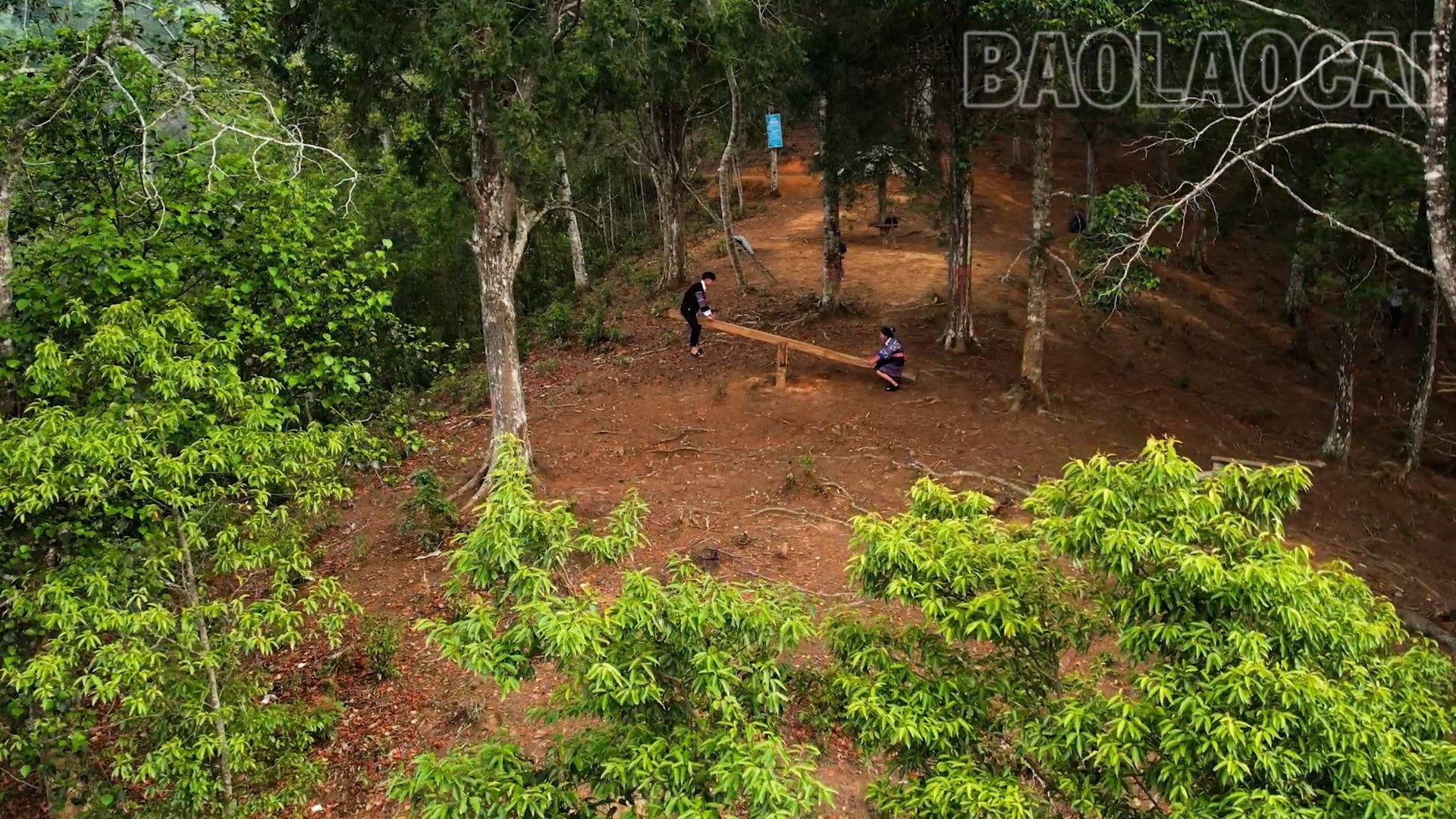
The Pơ mu forest in Cang Dông village today is not only the "green lung" of the village but also a clear testament to sustainable development thinking from the grassroots level. When people become the main actors in forest protection and simultaneously benefit from the values that the forest provides, preserving the forest will no longer be an imposed task, but a self-driven need.
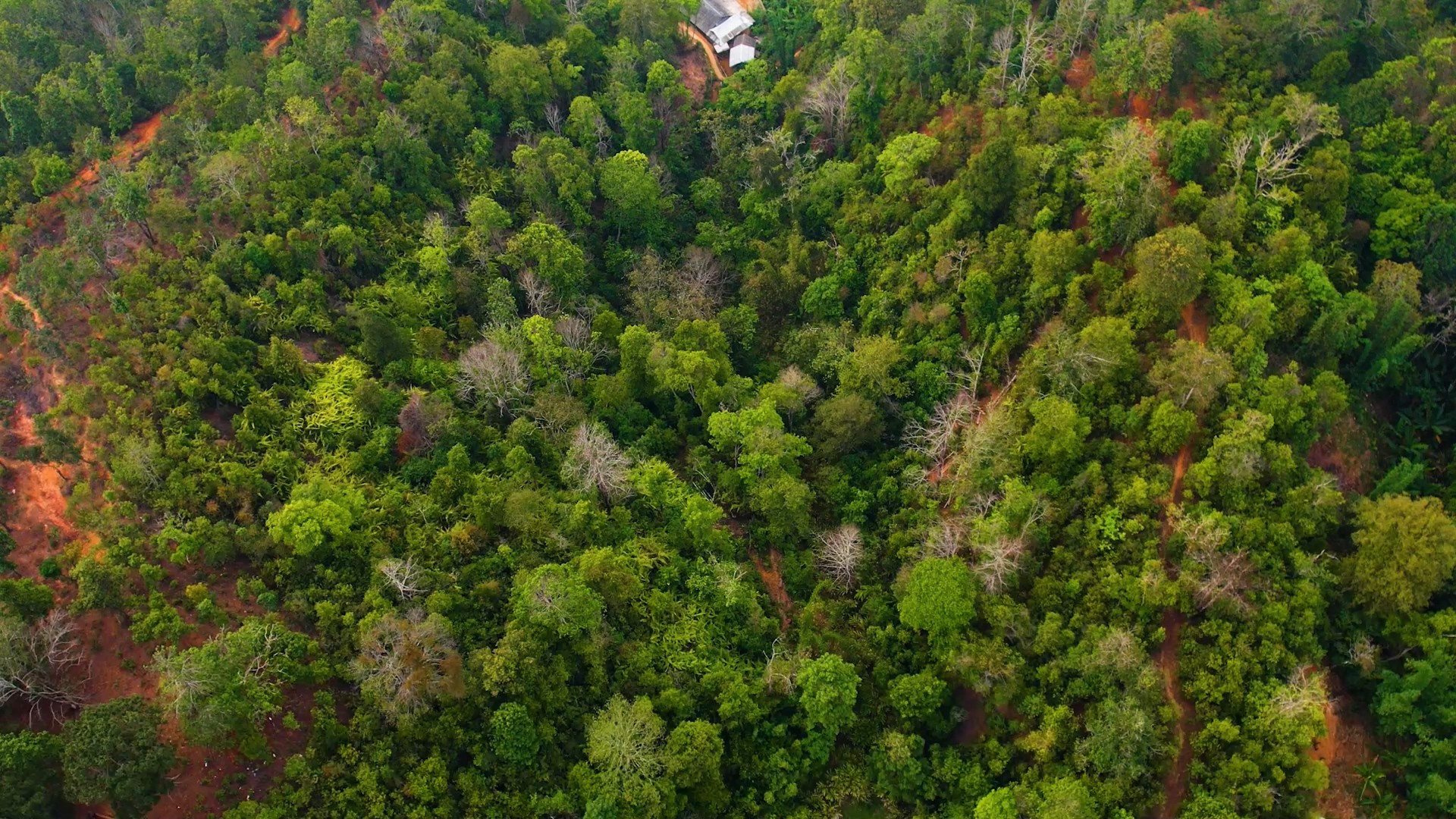
Protecting forests to develop tourism – the approach taken by the people of Cang Dong village is opening up a suitable direction, contributing to the preservation of natural resources, the conservation of cultural values, and gradually improving the lives of people in the Pung Luong highlands. This is also an experience that needs to be replicated in many mountainous localities – where forests are not only a resource but also the future of the community.
Source: https://baolaocai.vn/bao-ve-rung-de-phat-trien-du-lich-post890111.html
![[Photo] General Secretary To Lam presides over a meeting with the Editorial Teams to summarize 100 years of the Party's leadership of the Vietnamese revolution and 40 years of implementing the National Construction Program.](https://vphoto.vietnam.vn/thumb/1200x675/vietnam/resource/IMAGE/2026/03/04/1772601288977_a1-bnd-8134-7576-jpg.webp)































































Comment (0)