

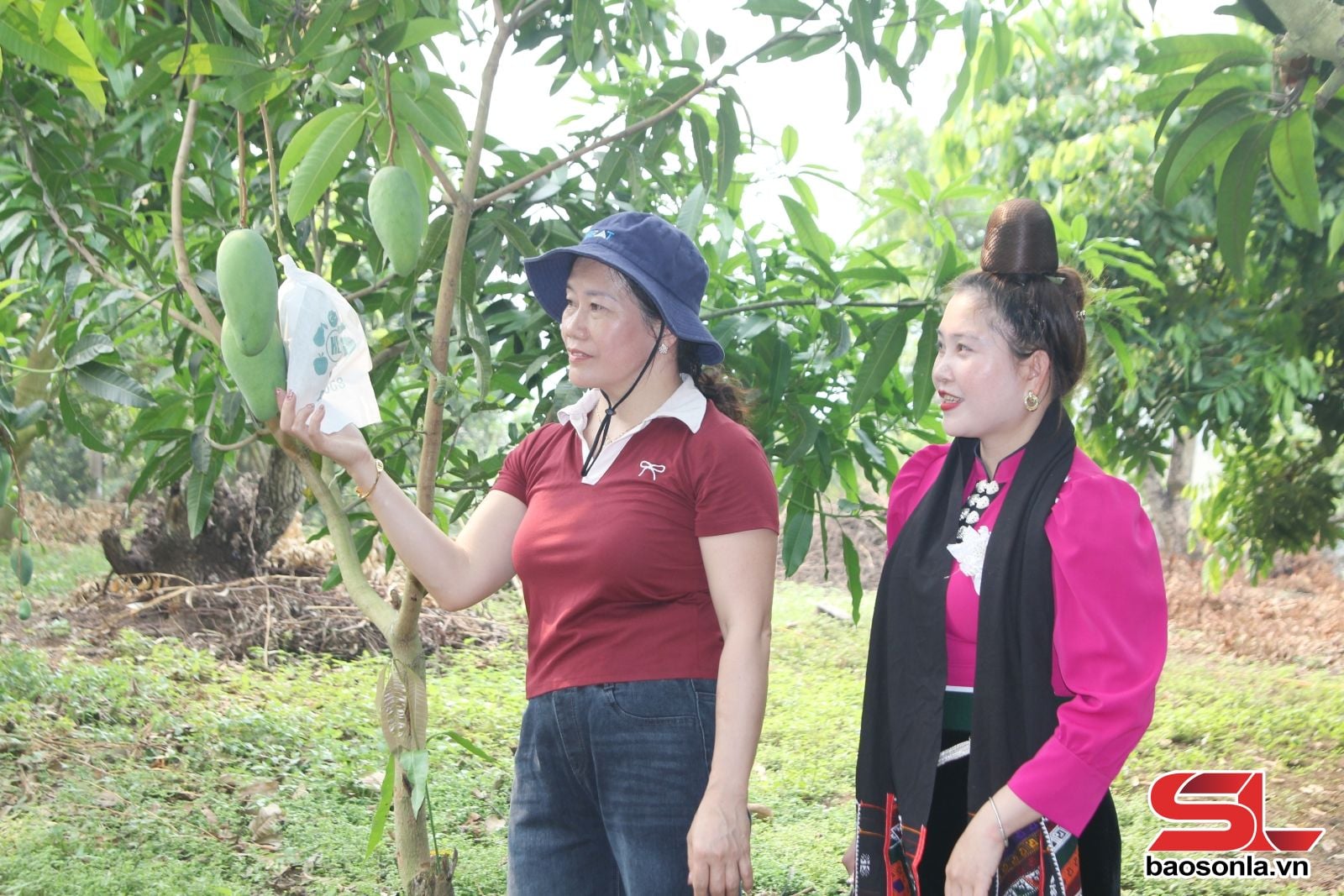
Currently, the commune has 1,355 hectares of mangoes, mainly the Taiwanese GL4 variety; the estimated production in 2026 is approximately 10,000 tons. To gradually meet market standards, the commune has established safe production areas with 86 hectares of mangoes certified under VietGAP; 13 export-oriented growing area codes with a total area of 110.5 hectares and 1 packaging facility code. These results show that local mango production is gradually shifting from small-scale to controlled production, linked to traceability and quality standards.
However, without proper quality control of the fruit from the tree, the above standards are unlikely to be effective. Pests, diseases, scratches, and uneven appearance remain limitations, hindering sales. Therefore, bagging mangoes is identified as an important technical solution to overcome these limitations. In addition, bagging helps improve appearance, reduce the use of pesticides, meet safe production requirements, and increase the product's value when brought to market.
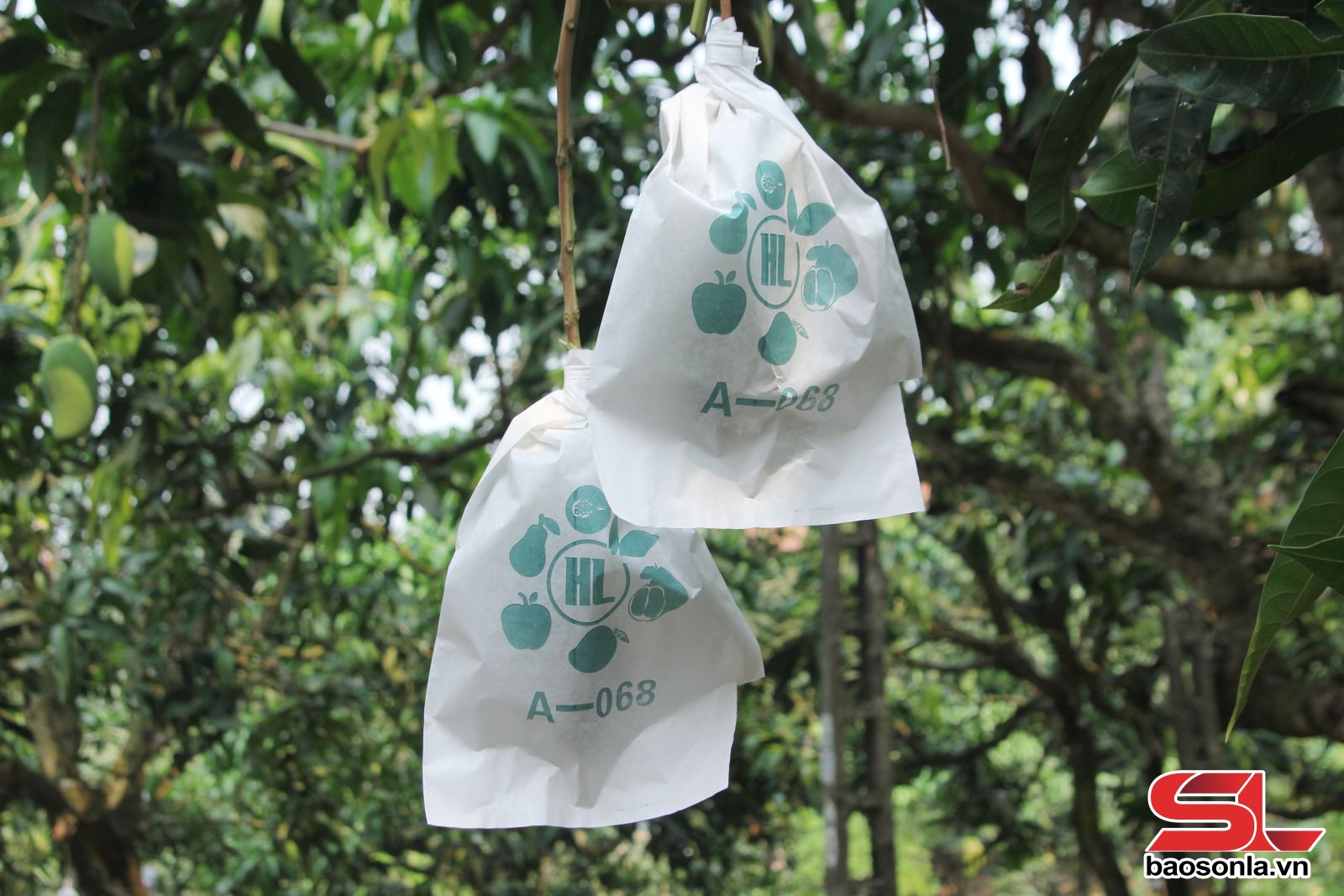
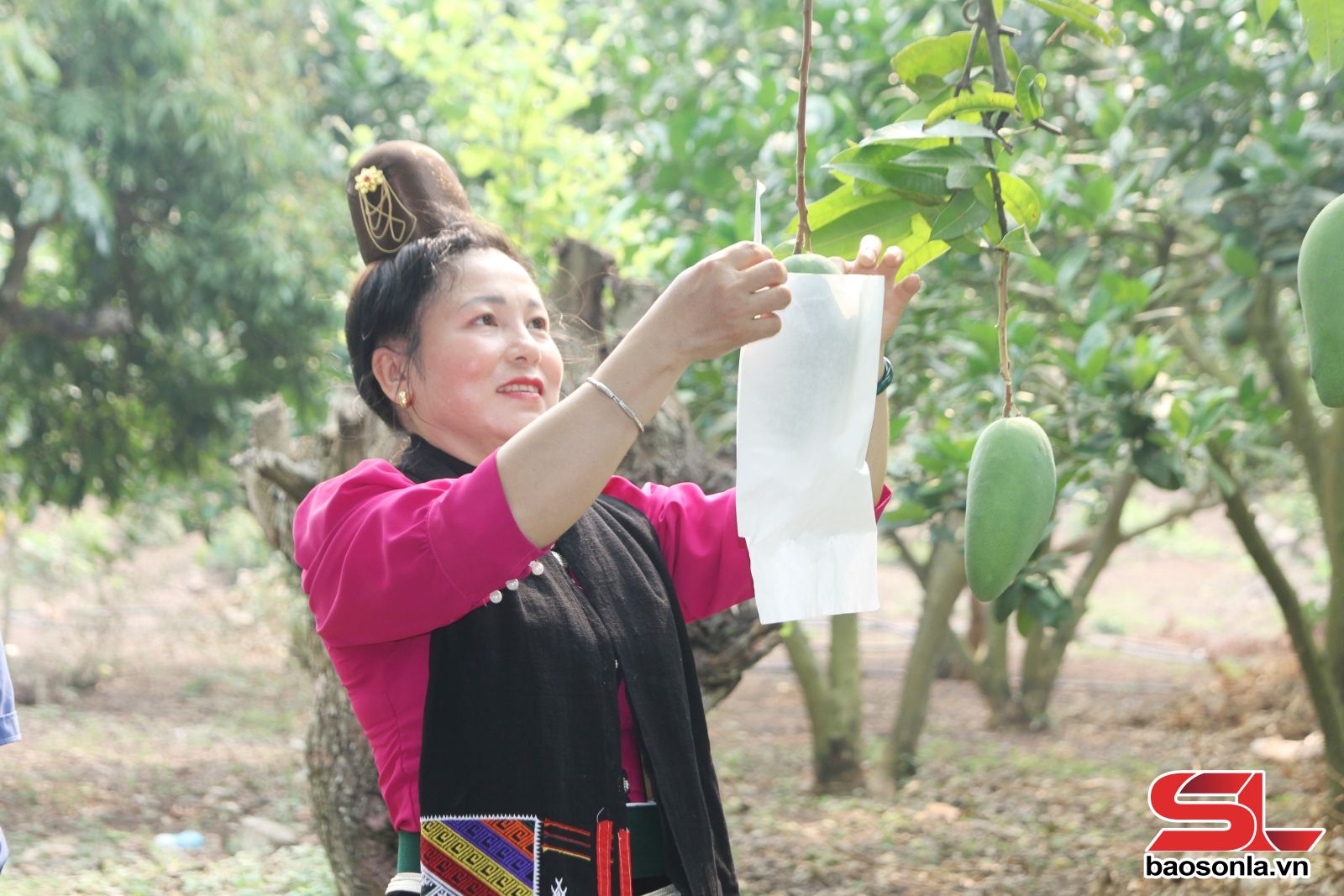
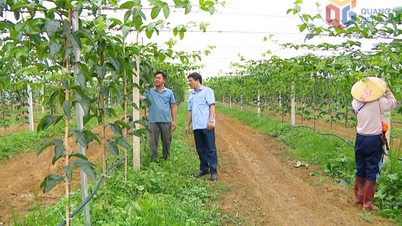
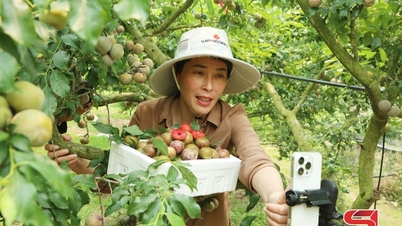
In Coc Lac village, Ms. Ha Thi Khuong and her family are working hard every day to bag the mangoes on their 2 hectares of land. Ms. Khuong shared: "In previous years, mangoes that weren't bagged were easily susceptible to pests and diseases, had poor appearance, and fetched low prices. Since receiving technical training, my family has applied bagging techniques, resulting in better-looking fruit, less damage, and higher prices from traders. This year, my family is striving to bag the entire mango crop."
From a production organization perspective, cooperatives act as a bridge between farmers and businesses, while also implementing techniques in a synchronized manner. Ms. Vi Thi Thanh Diep, Director of the Northwest Agricultural Service Cooperative, said: To meet export requirements, mango products must simultaneously meet many criteria, among which appearance and uniformity are very important. Fruit bagging helps control these factors from the beginning. The cooperative is encouraging its members to implement this simultaneously, especially in areas that have been granted planting area codes, to ensure that the products meet export requirements. This makes signing contracts with purchasing and exporting businesses easier when product quality is guaranteed.
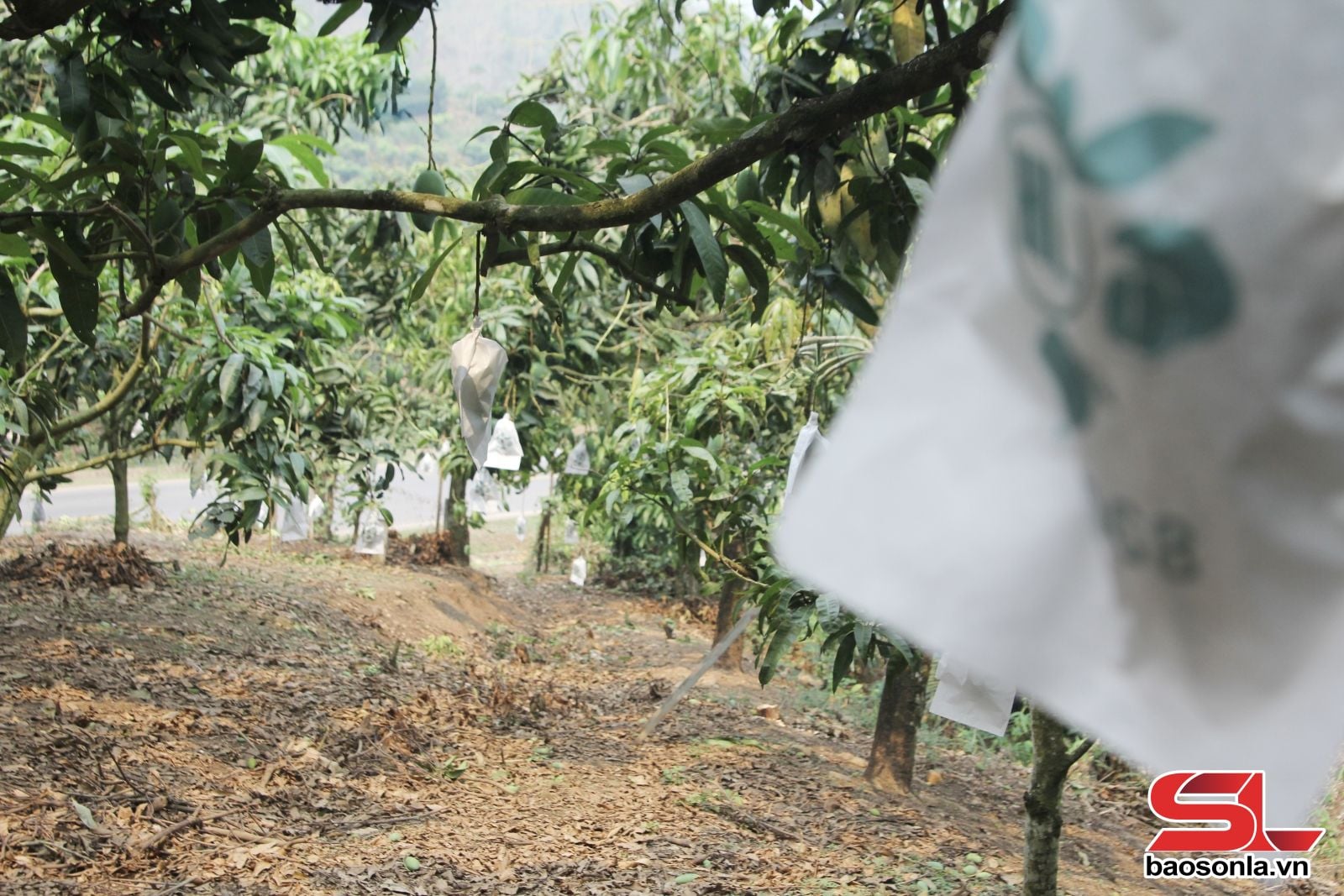
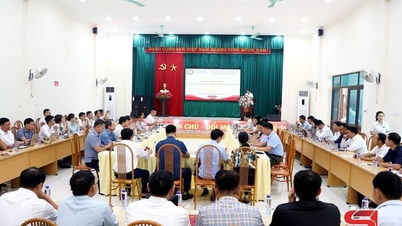
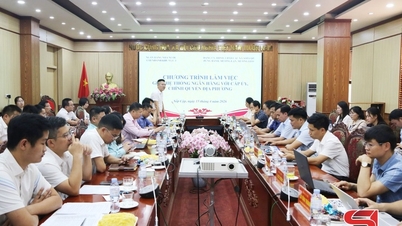
Mr. Cao Xuan Dung, Chairman of the People's Committee of Chieng Hac commune, informed: On April 8th, the People's Committee of the commune organized a conference to guide and launch the mango bagging program for domestic consumption and export, aiming to raise awareness and provide technical guidance to the people, gradually expanding the area of bagging. To date, the area of mangoes with bagging in the commune has reached approximately 400 hectares, more than 30% of the total area. In 2026, the commune strives to export about 500 tons of mangoes. Along with that, the commune is strengthening the strict management of planting area codes and packaging facilities, gradually completing the production-consumption chain, creating a foundation for stable consumption of Chieng Hac mangoes and enhancing their competitiveness in the market.
Bagging mangoes helps improve product quality and brings higher income to mango growers in Chieng Hac. This practice demonstrates the determination to make local mango production more systematic, gradually shifting from small-scale production to commercial production, creating favorable conditions for consumption, especially export in the future.
Source: https://baosonla.vn/nong-nghiep/bao-xoai-phuc-vu-xuat-khau-lBrEAIhvR.html
![[Photo] My Son at night: A thousand-year-old heritage site amidst the Milky Way](https://vphoto.vietnam.vn/thumb/1200x675/vietnam/resource/IMAGE/2026/04/15/1776261039184_ndo_br_chon6-jpg.webp)
![[Photo] National Assembly Chairman Tran Thanh Man attends the opening session of IPU-152](https://vphoto.vietnam.vn/thumb/1200x675/vietnam/resource/IMAGE/2026/04/16/1776277863731_ctqh5-jpg.webp)
![[Photo] Mrs. Ngo Phuong Ly meets and exchanges views with Mrs. Peng Li Yuan](https://vphoto.vietnam.vn/thumb/1200x675/vietnam/resource/IMAGE/2026/04/16/1776277858080_phu-nhan-1-jpg.webp)
![[Photo] The General Secretary, President and his wife meet with Vietnamese-Chinese friendship leaders.](https://vphoto.vietnam.vn/thumb/1200x675/vietnam/resource/IMAGE/2026/04/15/1776264829725_vna-potal-tong-bi-thu-chu-tich-nuoc-to-lam-gap-mat-nhan-sy-huu-nghi-viet-nam-trung-quoc-8703641-3130-jpg.webp)












































Comment (0)