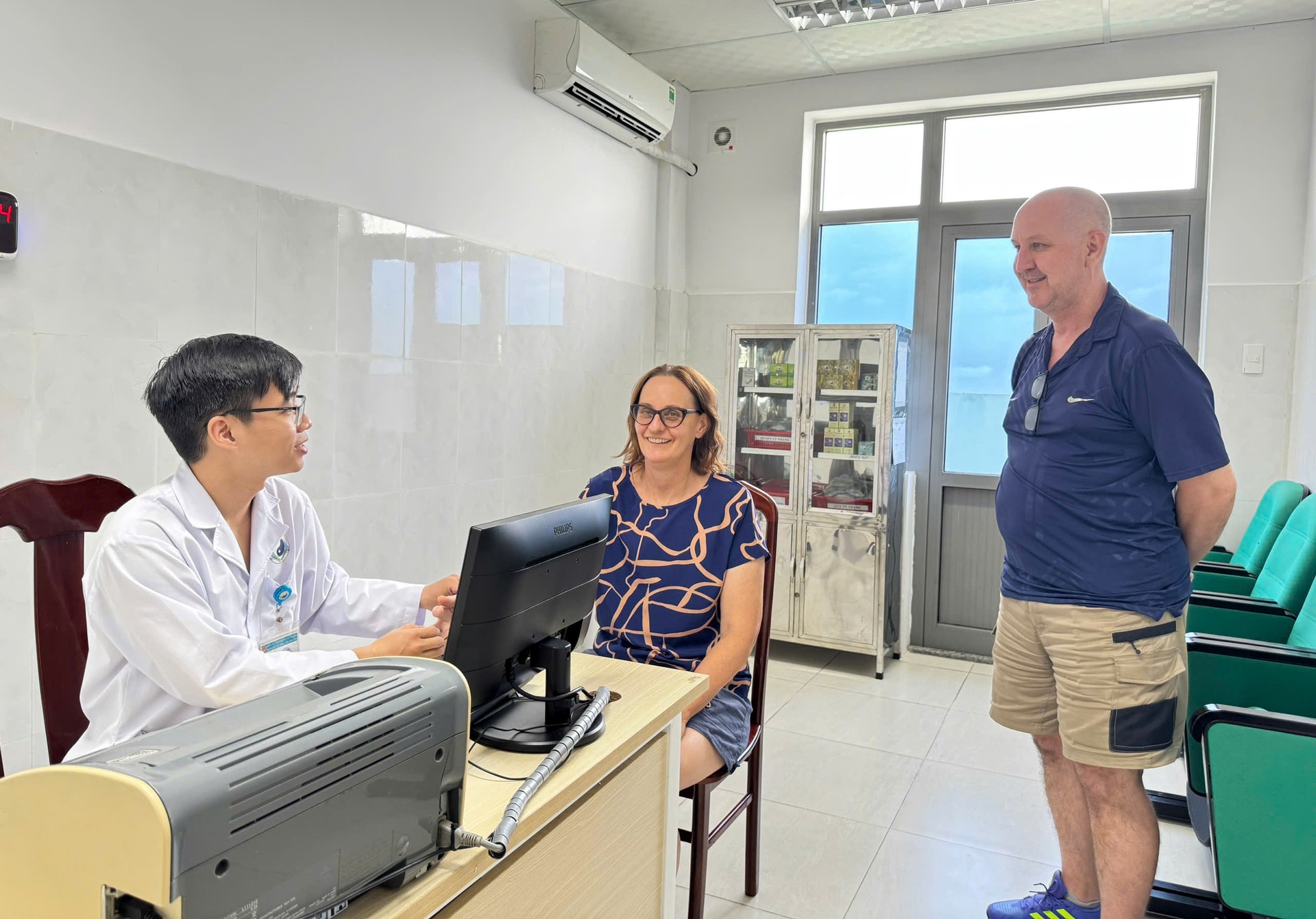
In addition to investing in professional expertise, hospitals are also focusing on communication skills, language support, insurance, and international payment options to better meet the needs of foreign patients.
Understanding the patient
At Da Nang Traditional Medicine Hospital, the change is evident in its approach to international patients. Increasing numbers of foreigners, particularly from South Korea and China, are seeking treatment using specialized methods such as acupuncture, electroacupuncture, hydroacupuncture, massage, acupressure, and rehabilitation.
The increasing number of patients has led the medical staff to gradually become accustomed to advising and accompanying foreign patients. In 2025, the two hospital facilities recorded 1,648 visits from foreigners; in just the first five months of 2026, this number had already reached 1,646.
According to Dr. Nguyen The Truyen, Deputy Director of Da Nang Traditional Medicine Hospital, foreign patients have differences in language, habits, and approaches to healthcare services. Besides treatment expertise, the medical team must know how to listen and explain so that patients understand their health condition. Therefore, the hospital focuses on equipping medical staff with communication and interpersonal skills in a multicultural environment; and strengthening tools to support information exchange with patients.
Dr. Nguyen Cong Ly, Head of Clinic 2 at Da Nang Traditional Medicine Hospital, shared: “Many patients initially hesitate due to language barriers or unfamiliarity with traditional medicine treatments, but we always proactively support and explain clearly so that patients understand and feel confident in their treatment. Seeing patients recover well and be satisfied with the hospital's services motivates us to continue improving the quality of service,” Dr. Ly shared.


Given its location as a tourist area, the Son Tra Regional Medical Center is often the first point of contact for many international tourists experiencing health problems during their stay. In 2025, the center received nearly 400 foreign visitors; from the beginning of 2026 to date, it has served more than 300 visitors.
According to Dr. Ngo Van Dinh Hoai, Director of the Son Tra Regional Medical Center, to meet this increase, the unit focuses on improving communication skills for its medical staff. From May 2026, the center established a Medical English Club, meeting regularly twice a week with 30 doctors, nurses, and specialists participating.
Patient Egorova Tatyana, a Russian tourist who was treated for food poisoning here, said she was quickly admitted and received attentive care from the medical team. “I underwent all the necessary tests and received thorough care during my treatment. It was a wonderful experience, and I am truly grateful,” Egorova Tatyana shared.
Improving service capacity
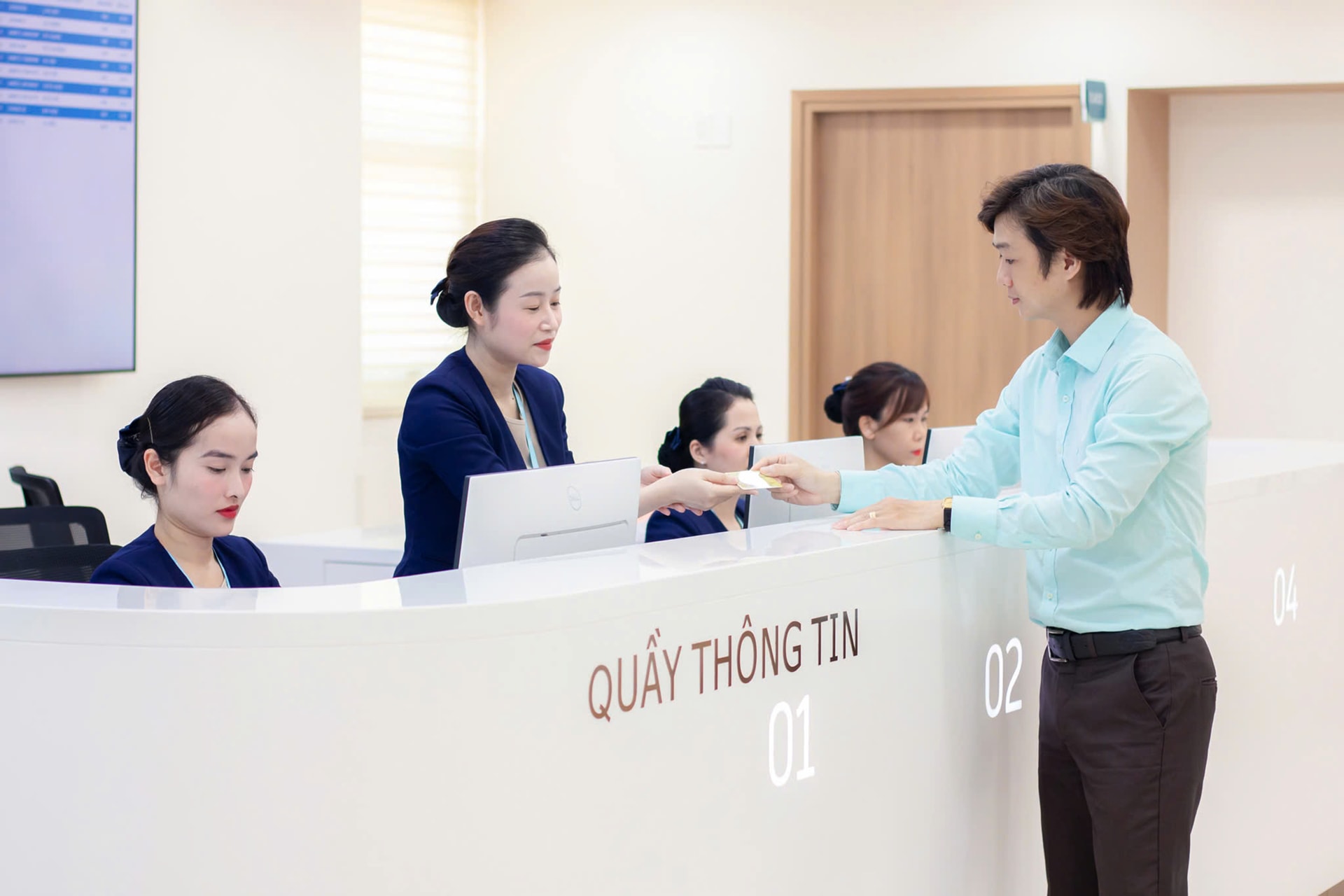
While public healthcare facilities focus on improving communication and support for international patients, many private hospitals invest heavily in ancillary services, from admission procedures and international insurance to the treatment experience. At Hoan My Hospital, international patients are admitted through a separate process at the Hoan My Gold International Examination and Treatment Area, from registration and examination to clinical tests, treatment, and post-treatment follow-up.
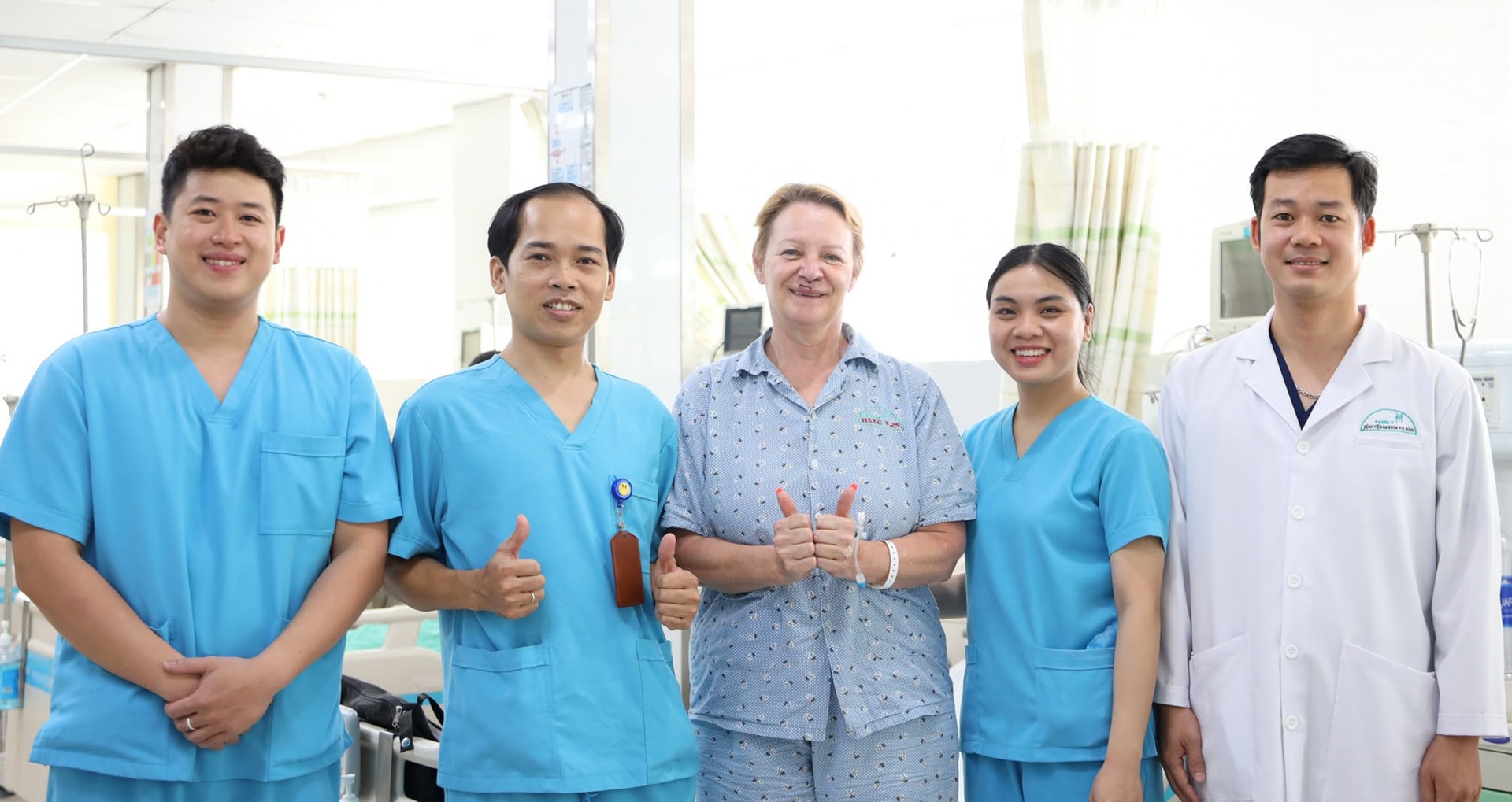
According to Dr. Pham Huu Huyen, Head of the International Department at Hoan My Hospital, in addition to a staff with foreign language communication skills, the hospital has implemented a medical expense guarantee system with more than 50 domestic and international insurance companies. The hospital has achieved ACHSI healthcare quality certification from Australia and is developing a personalized treatment model, combining modern diagnostic technology and comfortable treatment spaces.
“We believe that to develop healthcare services sustainably, we need to maintain three key elements: in-depth expertise, modern technology, and dedicated service. Therefore, in addition to investing in facilities, the hospital focuses on training its team of doctors, nurses, and support staff. The training content not only focuses on updating professional knowledge but also emphasizes improving communication skills, patient care, and service capabilities,” said Dr. Huyen.
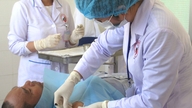
Meanwhile, at Family Hospital, the focus is on expanding service capacity across the entire system. Foreign patients are supported by a team of interpreters fluent in English, Korean, Japanese, and Chinese. The hospital also has partnerships with over 70 domestic and international insurance companies to guarantee medical expenses, assisting with procedures related to insurance benefits and payments.
However, according to hospital leaders, serving international patients is not solely the responsibility of the clinic or medical staff. Therefore, the hospital implements training programs on communication skills and customer support for foreign clients for various departments such as reception, nursing, canteen, and security.
Source: https://baodanang.vn/benh-vien-hoi-nhap-3340414.html
![[Photo] Opening Ceremony of the 13th National Congress of the Ho Chi Minh Communist Youth Union](https://vphoto.vietnam.vn/thumb/1200x675/vietnam/resource/IMAGE/2026/06/24/1782286753905_ndo_br_1-8510-jpg.webp)
![[Photo] General Secretary and President To Lam attends the Central Public Security Party Committee Conference](https://vphoto.vietnam.vn/thumb/1200x675/vietnam/resource/IMAGE/2026/06/24/1782302063612_a1-bnd-9302-9166-jpg.webp)
![[Photo] The 13th National Congress of the Youth Union conducts personnel work.](https://vphoto.vietnam.vn/thumb/1200x675/vietnam/resource/IMAGE/2026/06/24/1782299943080_ndo_br_1-6868-jpg.webp)