

 |
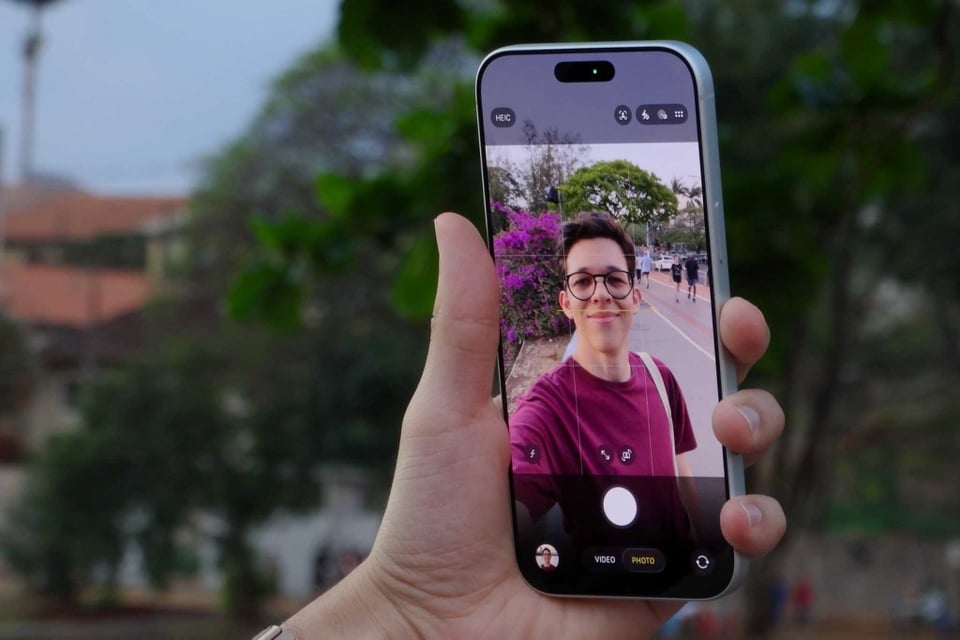
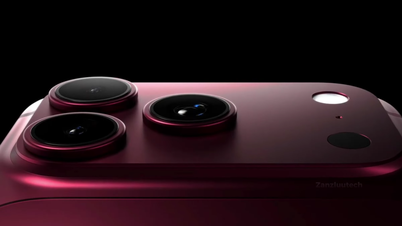
iPhone 17's front camera. Photo: Macworld . |
The iPhone 17 and iPhone Air series boast numerous camera upgrades. The highlight is the front camera with its square sensor, allowing for horizontal selfies without needing to rotate the phone.
In an interview with Business World , Apple representatives shared the ideas, reasons, and process behind the improvements to the front camera on the iPhone 17 and iPhone Air. Beyond increased convenience, the new sensor also improves image quality and many other aspects.
Behind the new camera on the iPhone 17
Apple brought the Center Stage camera concept from the iPad to the iPhone 17 and iPhone Air. When recording video , the device automatically activates Action Mode for image stabilization.
Jon McCormack, Apple's Camera Software Director, said these changes stem from research into user habits, not simply a feature race.
"Last year, global users took approximately 500 billion selfies with iPhones," McCormack quoted the figure released by Apple in September.
 |
Jon McCormack, Director of Camera Software at Apple. Photo: SuppliedApple . |
Although the statistical methodology wasn't specified, the message suggests that selfies have become a trend in mobile photography. Apple's research has highlighted some shortcomings in the selfie experience.
"We saw people using selfie sticks, switching to 0.5x wide-angle mode, rotating their iPhones horizontally, even handing the phone to the tallest person, stretching out their arm to take pictures."
The problem is that users are trying to make the camera work best for them, while we know we can do better. What if the camera could understand what you want to photograph and automatically adjust?” McCormack emphasized.
On iPads and Macs, the Center Stage feature uses the ultra-wide-angle camera and machine learning algorithms to align your face during video calls.
With the iPhone 17, this technology is improved as the camera can automatically rotate, zoom, and widen the angle when more people are in the frame. These features are integrated into the built-in camera app, eliminating the need for external apps.
First-time experience
In an interview, an Apple representative emphasized that the company spends many years developing new technologies. McCormack stated that many of these techniques are only now feasible thanks to the sufficiently advanced processing power and industrial design.
Megan Nash, iPhone Product Manager, shared that the selfie camera and sensors are designed based on user experience, such as wide-angle support for group photos.
“On the new camera, we’ve nearly doubled the sensor size to improve sharpness, resulting in a larger field of view, allowing for capturing more people or wider backgrounds, in addition to improved image quality,” Nash said.
Smartphone photos typically have a 4:3 aspect ratio. Therefore, Apple uses a square sensor to deliver an "industry-first" experience, allowing users to hold their iPhone vertically while still taking selfies and recording videos horizontally.
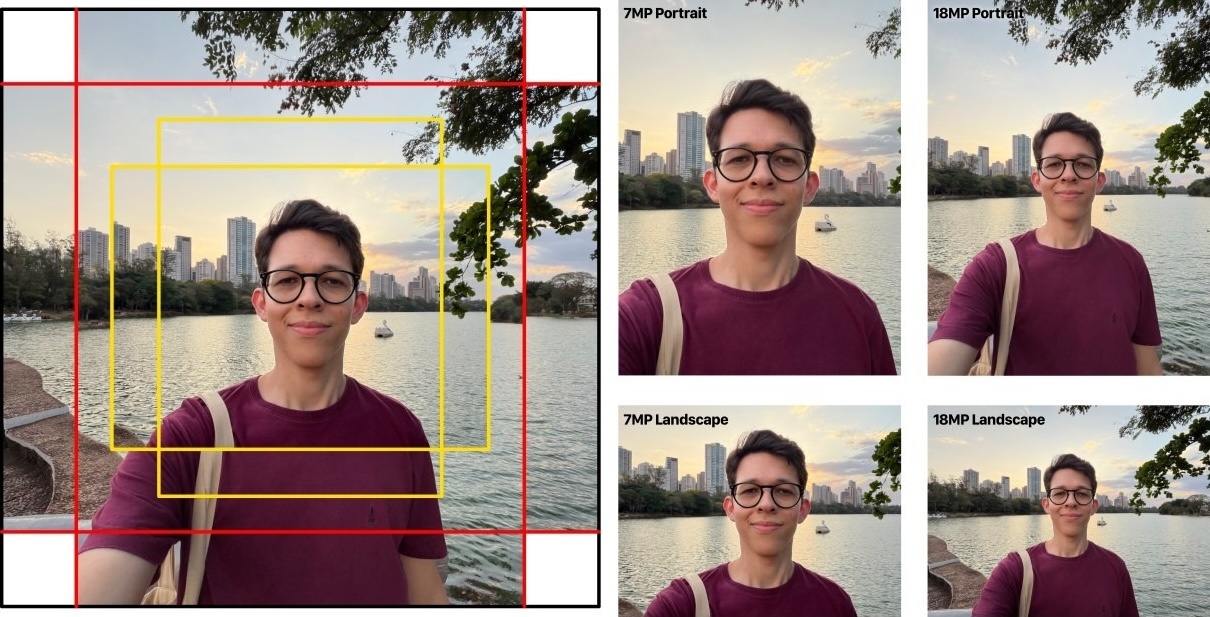 |
The square sensor on the iPhone 17's selfie camera. Photo: Macworld . |
To ensure sharpness, Apple has also improved the signal reception, memory bandwidth, and heat dissipation. This allows the device to simultaneously crop angles, stabilize images, and continuously detect faces, even when recording video.
"Years ago, we thought that selfie cameras would need high speed (Apple Camera Interface). Therefore, the A19 and A19 Pro chips use ACI to efficiently transmit data between the sensor and the chip."
"This is especially important for features like Dual Capture, which uses the front and rear cameras simultaneously," Nash shared.
An Apple representative stated that photos taken with the selfie camera are also better. For example, the human eye will always look in the correct direction when holding the iPhone vertically. This is often difficult to achieve in landscape mode.
Similarly, video recording is also improved thanks to Action Mode, which helps stabilize the footage and reduce shaking.
"Our goal is to make the iPhone camera virtually invisible... You don't even need to turn on Action Mode; just walk, bike, or jog, and rest assured the video will still be of good quality," McCormack shared.
The iPhone Air "problem"
According to Apple representatives, image stabilization is also crucial for Dual Capture mode. Thanks to a proprietary algorithm, the frame from both cameras remains stable, especially with the front camera, as the user's face stays centered.
Overall, Apple's improvements deliver a certain level of professional experience, even for users who aren't professional filmmakers.
"If there are two people, the iPhone will automatically zoom to adjust the frame. With three or more people, the device will automatically rotate the photo to landscape mode while you're still holding the phone vertically," McCormack explained.
Compared to features like Google Real Tone, Samsung Auto Framing, or Zeiss lenses on Vivo phones, Apple's smart features are built-in by default and completely automatic.
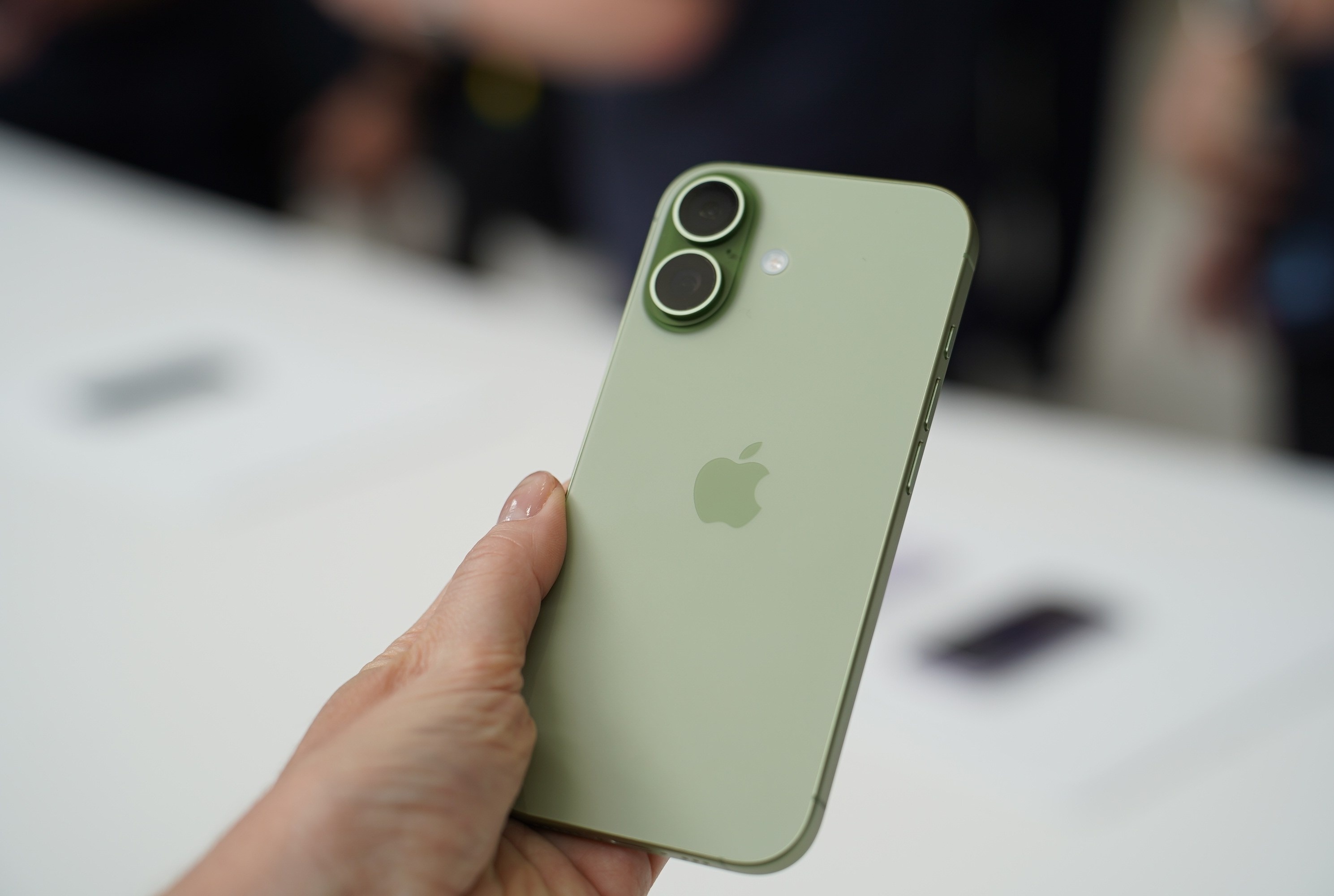 |
The iPhone 17 model. Photo: The Verge . |
Despite the larger sensor, Apple chose an 18MP resolution for the front camera because it strikes a balance between image quality, cropping capabilities, and optimized hardware and software.
On the iPhone Air, integrating the square sensor presents a significant challenge given the device's ultra-thin design. According to Apple representatives, this is a problem that requires a combination of hardware, software, and heat dissipation.
“That’s just part of the iPhone creation process. We don’t compromise on image quality. The device still needs to maintain high quality…”
The camera crew, industrial designers, and thermal engineers all worked together seamlessly to perfect every detail. It's hard to imagine, but we did it,” McCormack emphasized.
The selfie camera is proof that Apple is trying to optimize the software and improve the processor to deliver a better experience. With this system, Apple wants to create a professional photography experience for the front camera as well, instead of just the rear camera system like in previous generations.
Source: https://znews.vn/bi-mat-cua-iphone-17-post1594213.html






























































































Comment (0)