

 |
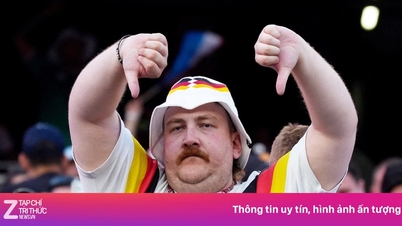
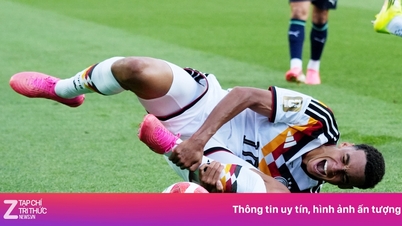
Belgium and Iran both stumbled, making Group G the most unpredictable race of the 2026 World Cup. |
The World Cup always has groups where everything seems predetermined. Before the ball started rolling in Group G, many believed this was one such case.
Belgium is considered the top contender for first place in the group. Although their golden generation has passed its peak, the team still boasts names like Kevin De Bruyne, Romelu Lukaku, and Thibaut Courtois. Iran is seen as a direct competitor for the remaining spot, thanks to their ranking of 20th in the FIFA rankings and their experience of participating in the World Cup multiple times.
Conversely, Egypt and New Zealand are considered weaker teams. One team has never won a World Cup, while the other is often seen as a "filler" team whenever they appear on the big stage.
But after just the first round of matches, that ranking was almost completely erased.
What's noteworthy isn't Egypt's draw against Belgium or New Zealand's point against Iran. What's significant is that both Belgium and Iran showed they weren't as strong as people had thought.
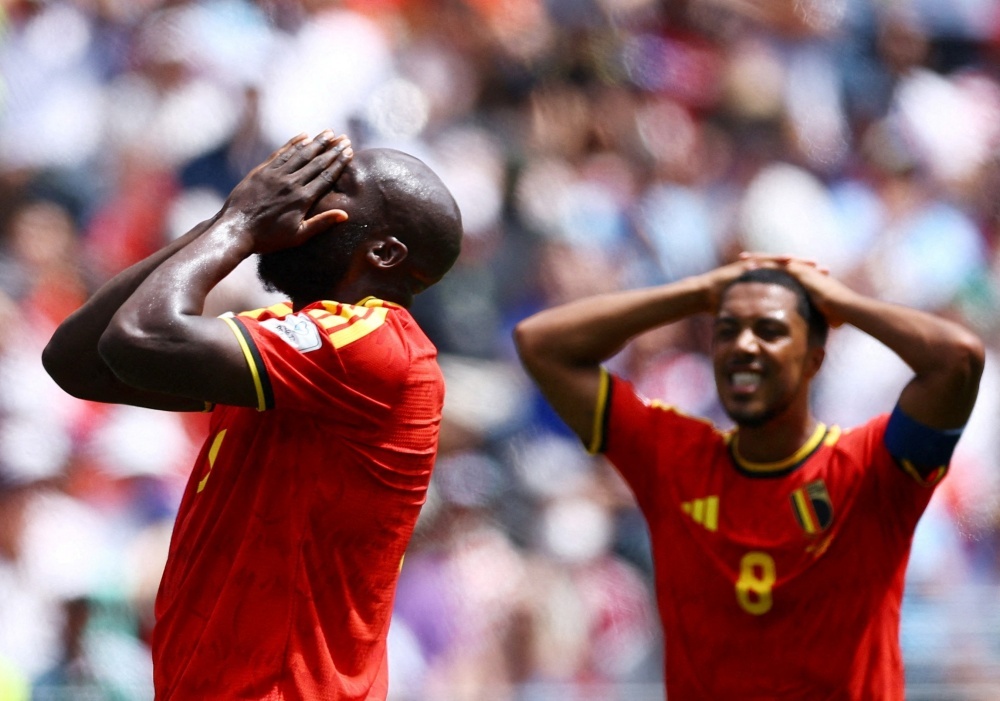 |
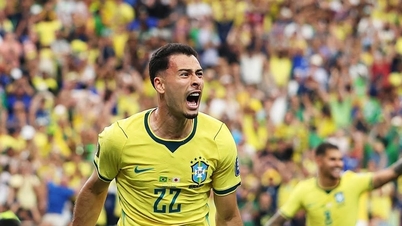
Both top contenders dropped points on the opening day, erasing all rankings in Group G. |
Belgium entered the tournament hoping for a strong start against Egypt. However, instead of projecting the image of a superior team, Rudi Garcia's side struggled. They controlled possession more but failed to create a sense of dominance. For most of the match, Egypt was the more proactive and dangerous team.

This wasn't a story of a day of underperformance. It reflected the reality that Belgium no longer possesses the necessary level of skill to easily overcome lower-ranked opponents.
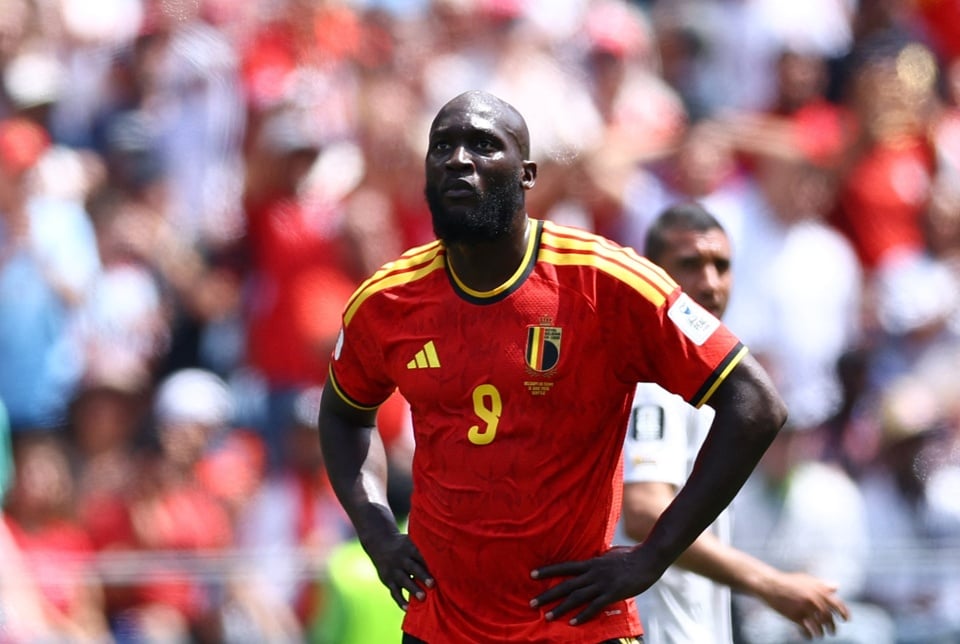
The golden generation that propelled Belgium to the number one spot in FIFA is gradually coming to an end. De Bruyne is still excellent, but he's no longer at his peak physical condition. Lukaku still knows how to make a difference, but the fact that the team had to wait until he came on to find an equalizer is more worrying than encouraging.
If Belgium disappointed their fans, Iran fared no better.
The Asian representatives are considered the most stable team in the region over the past several years. They regularly participate in the World Cup, have many players who play in Europe, and are known for their disciplined style of play.
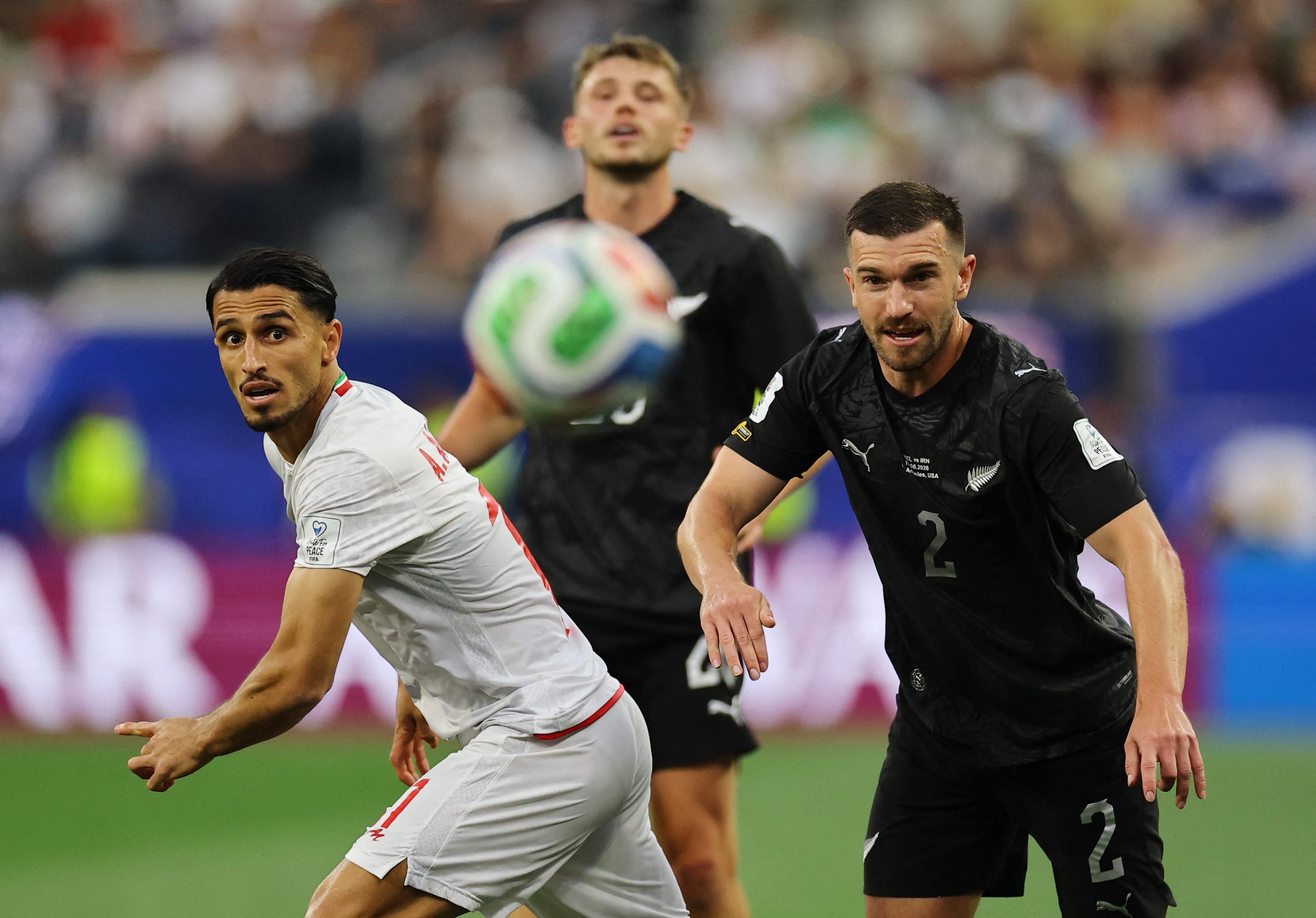 |
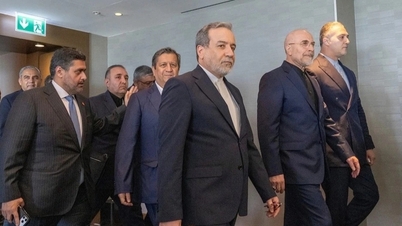
With Belgium failing to beat Egypt and Iran being held to a draw by New Zealand, there are no longer any favorites in Group G. |
However, against New Zealand, Iran twice fell behind and had to constantly chase the score. This was something few would have expected considering the 65-place difference in the FIFA rankings between the two teams.
Iran's problem wasn't the draw. A draw is always possible at the World Cup. What's worrying is how they were put in such a difficult position. Their defense consistently left gaps, and their ability to control the game didn't match their status as the higher-rated team.
After the first round of matches, Group G became a rare group where all four teams had one point. There was no longer a leader. There were no longer any teams left behind.
That means all pre-competition calculations have to be redone from scratch.



Belgium remains the strongest contender. Iran still has a good chance of advancing. But Egypt has proven they are capable of competing on equal footing with any opponent. New Zealand has also shown they didn't come to North America just to make up the numbers.
Sometimes, a group becomes exciting not because weaker teams cause upsets, but because stronger teams fail to prove their superiority. Group G is playing out that way.
And the biggest paradox after the opening round of matches is that Belgium and Iran, the two teams expected to bring order to the group, were the first to break it.
Source: https://znews.vn/bi-va-iran-lam-dao-lon-bang-g-post1660141.html


![[Photo] General Secretary and President To Lam works with the Party Committee of the Government on the work of preventing and combating storms, floods, extreme natural disasters and climate change.](https://vphoto.vietnam.vn/thumb/1200x675/vietnam/resource/IMAGE/2026/06/29/1782729441945_a1-bnd-0385-9454-jpg.webp)
![[Image] A look back at the capital's preparations for the century-long master plan.](https://vphoto.vietnam.vn/thumb/1200x675/vietnam/resource/IMAGE/2026/06/29/1782750453122_quy-hoach-100-nam-minh-duy-1-2118-jpg.webp)