
 |
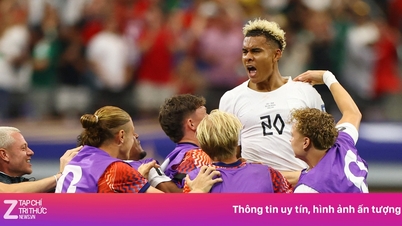
Germany exited the 2026 World Cup in the Round of 32 after a 1-1 draw against Paraguay and a 3-4 defeat on penalties. A bitter outcome, but not surprising considering the 120 minutes that preceded it. Julian Nagelsmann's team had possession, time, reputation, and the status of the favorites. What they lacked was a performance good enough to deserve to advance.
Holding possession leads to a deadlock.
German media are calling this "the next World Cup disaster." That's a harsh, but accurate description. After their group stage stumble in 2018, followed by another early elimination in 2022, Germany arrived at the 2026 World Cup hoping to rectify their mistakes. But instead of ushering in a new era, they've only perpetuated the familiar cycle of failure.
This is no longer an accident. One failure might be a shock. Two is a crisis. This time, it has become a systemic problem.
The post-match statistics made the defeat even harder to excuse. Germany controlled 75% of the ball possession, took 21 shots compared to Paraguay's 7, had 6 shots on target, and earned 16 corner kicks. They also had an xG of 1.49, significantly higher than their opponent's 0.42.
But those numbers don't tell the story of a dominant team. They tell the story of a team that had more possession, more shots on goal, but lacked the sharpness to finish the game.
Paraguay didn't need to overcomplicate things. They dropped deep, contested aggressively, locked down the midfield, drew the game into a tense zone, and waited for their moment. The South American team played to their full potential, according to their capabilities and plan.
Germany, however, does not.
The team, once a symbol of coolness and efficiency, now seems sluggish in its own possession-based style of football. They pass a lot, but don't create the corresponding pressure. They move the ball into the final third, then get stuck. They hold possession like a strong team, but attack like a collective lacking confidence.
 |
Germany's biggest problem lies in the quality of their attack. Against Paraguay's low defensive block, they needed speed, disruptive movement, and a player who could unlock the game. But Germany only had safe passes and overly predictable attacking moves.
The ball was passed out wide, back into the box, then pushed out wide again. The attacking tempo wasn't fast enough to draw Paraguay out of position. The passing combinations lacked the sharpness to penetrate the first line of defense. Germany had more possession, but couldn't control the game. It was a harmless kind of control.
Statistics on big chances clearly illustrate this problem. Germany created two big chances, but Paraguay also had two. This means that despite 75% possession, 21 shots, and 16 corner kicks, Nagelsmann's team still failed to create a clear advantage in terms of quality chances. A favored team can dominate the game. But if the number of truly dangerous chances isn't significantly higher, that advantage is just a facade.



Paraguay understood that. They didn't need to win the ball at all costs. They allowed Germany possession in less dangerous areas, then stifled the space as the ball approached the penalty box. The more Germany played, the more impatient they became. And the more impatient they became, the more their lack of ideas became apparent.
Nagelsmann's personnel decisions only made the defeat even harder to excuse. In a match that needed a game-changer, Jamal Musiala didn't start. Instead, Deniz Undav was given a chance with the expectation of adding weight to the attack. But that plan backfired.
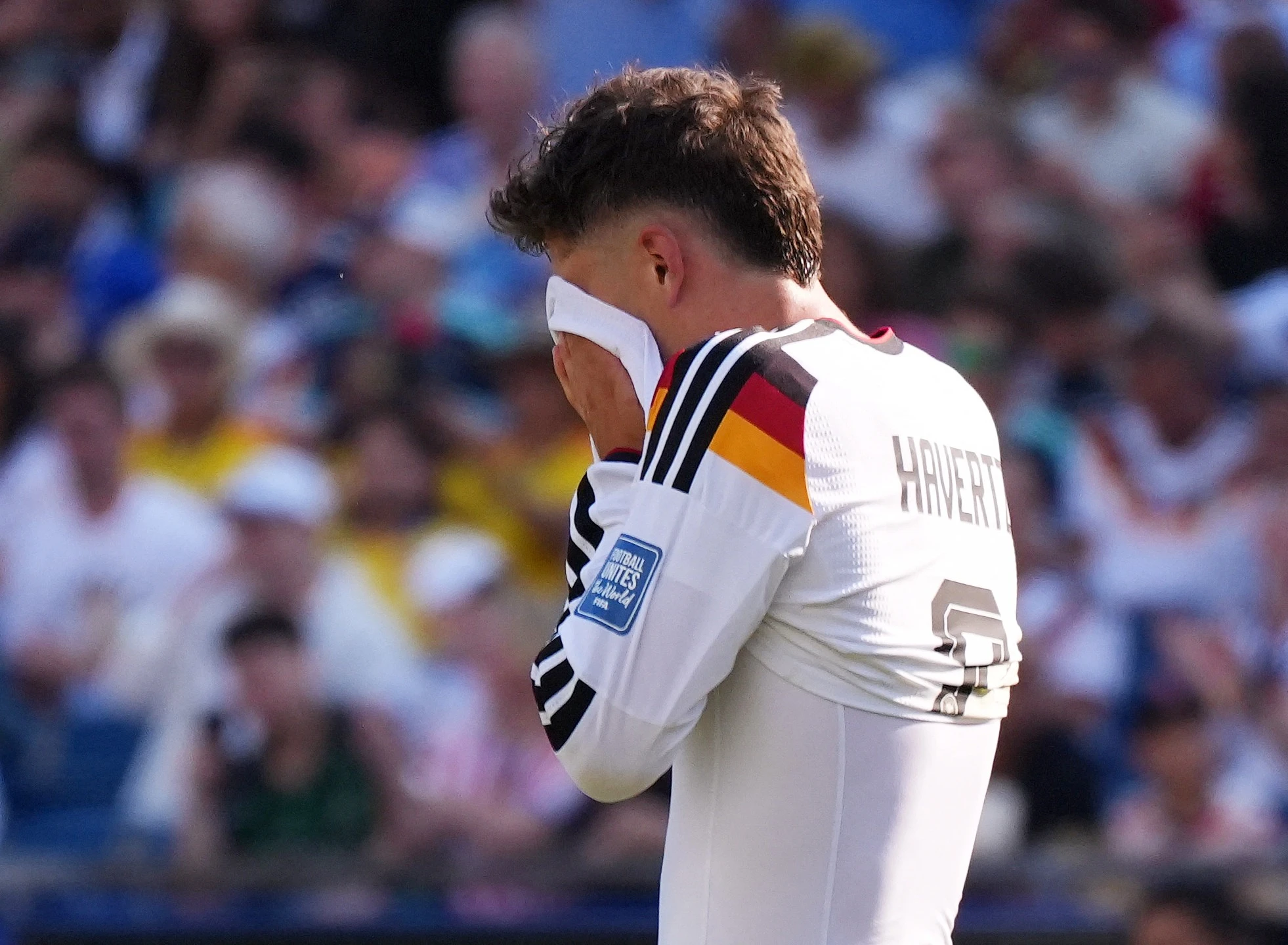
Undav was almost invisible in the first half. He failed to draw the Paraguayan center-back out of position, didn't link up well with Kai Havertz, and didn't create any clear pressure in the penalty area.
When a tactical choice fails to produce results, the coach must take responsibility. Nagelsmann wasn't just wrong about one player; he was wrong about how to read the game from the start.
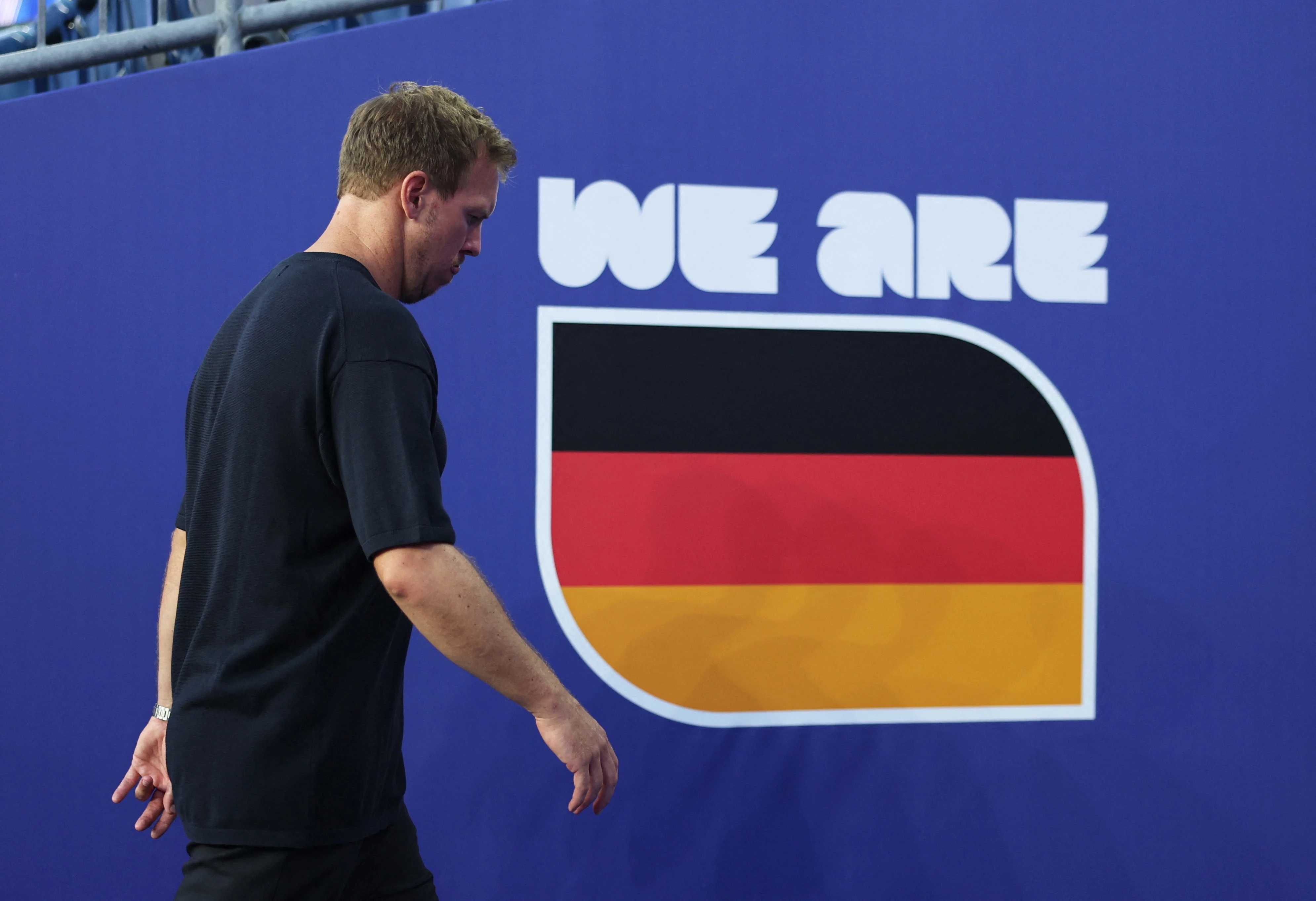 |
Julian Nagelsmann faced immense pressure as Germany exited the World Cup following a lackluster performance. |
Musiala came on later and gave Germany a glimmer of hope, but it was too late. Paraguay then had even more reason to play defensively, wasting time and taking the game to a penalty shootout. Underdogs often fear an open game. But they don't fear an opponent who has a lot of possession but lacks sharp edges.
That's the tragedy for Germany. They don't lack good players. They lack a sufficiently defined team structure. A great team can't thrive on ball possession if they don't know how to use it to hurt their opponents.
VAR couldn't save the truth.
Jonathan Tah's disallowed goal in extra time was a controversial detail. If it had been allowed, Germany could have progressed. The post-match narrative might have taken a different turn. Nagelsmann could have been talked about as the survivor. Tactical problems could have been overshadowed by the result.
But that's also why this failure needs to be faced head-on. VAR can take away a goal. VAR can't erase 120 minutes of deadlock for Germany against Paraguay. A controversial referee decision cannot be the cover-up for a game lacking speed, creativity, and the finishing touch.
Germany used to build its reputation on its ability to win matches like this. When opponents defended deep, they knew how to break through. When the game was tense, they knew how to remain cool. When opportunities arose, they knew how to finish them off. But the current version no longer possesses those qualities consistently.
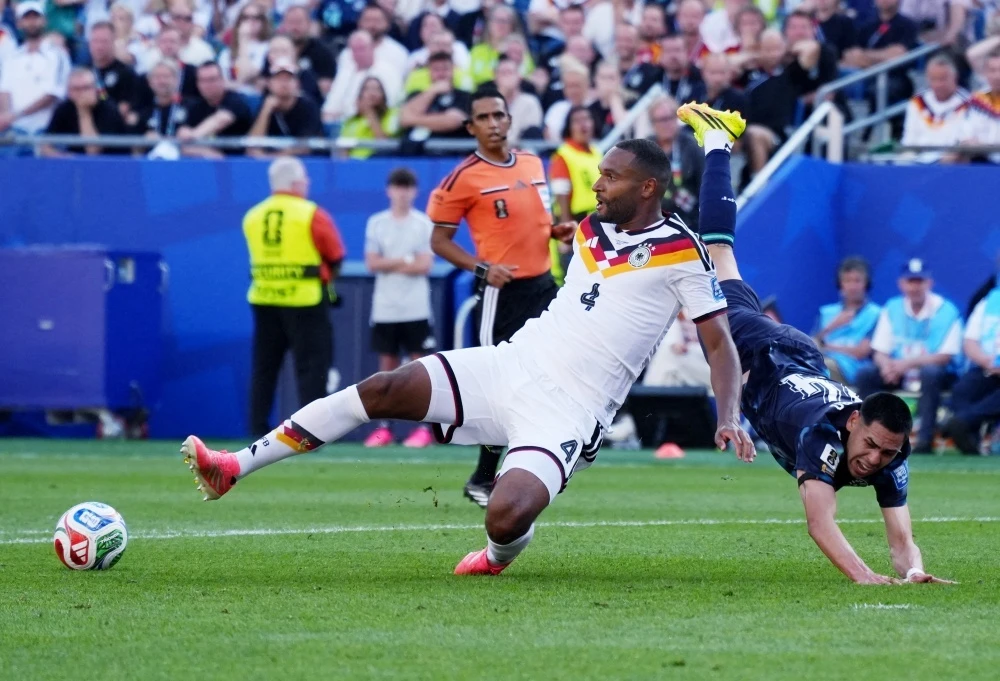 |
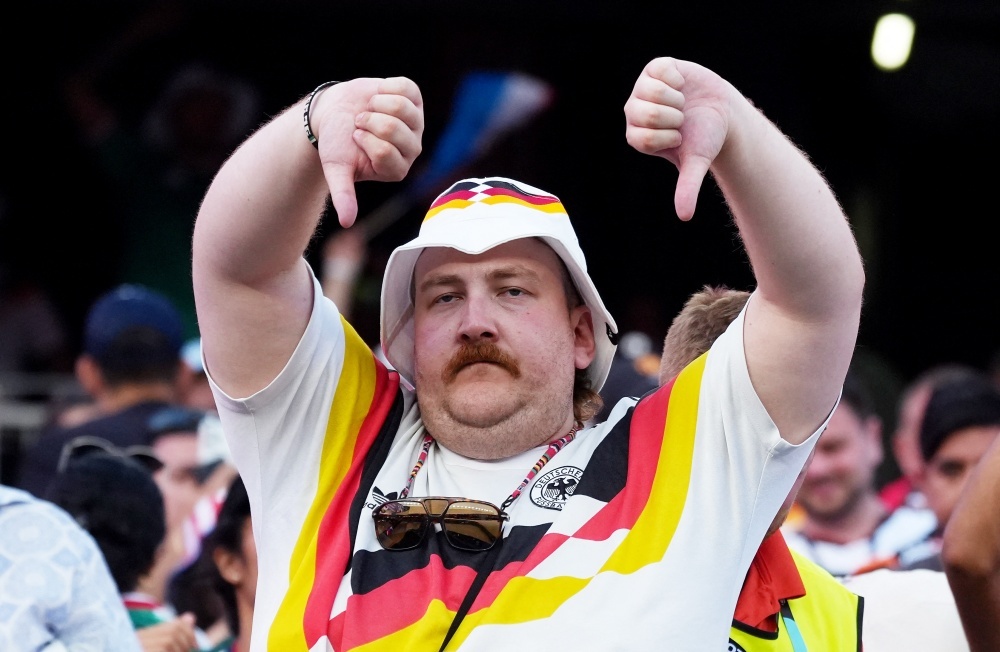
The defeat against Paraguay extended Germany's World Cup nightmare streak after setbacks in 2018 and 2022. |



The defeat against Paraguay was therefore more than just a setback. It was confirmation that German football is still stuck in the aftermath of 2014. Changes in coaches, player generations, and playing philosophy have yet to produce a team reliable enough for the big stage.
Paraguay won because they knew how to endure. Germany lost because they didn't know how to finish the game. One side understood its limits and played accordingly. The other side, despite being a big team, no longer possessed the power of a big team.
This is the most painful thing for the German team. They weren't defeated by a superpower. They were eliminated by a more disciplined, more realistic, and more ruthless opponent. In the World Cup, reputation doesn't replace talent. The past doesn't replace the present.
After 2018 and 2022, Germany needed a tournament to prove they were back. But the 2026 World Cup dealt them another blow. Not because of a penalty shootout. Not just because of VAR. But because in a must-win match, Germany once again showed they haven't escaped their own limitations.
That was the real disaster.
Source: https://znews.vn/tuyen-duc-lai-sup-do-post1664501.html


![[Photo] Strengthening character and expertise: Intense training for artillery soldiers.](https://vphoto.vietnam.vn/thumb/1200x675/vietnam/resource/IMAGE/2026/06/30/1782815602541_lu-368-1875-4571-jpg.webp)