|
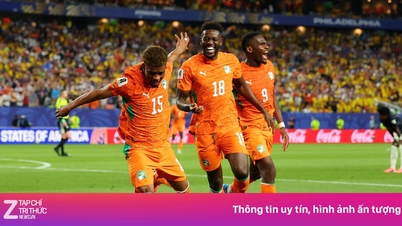
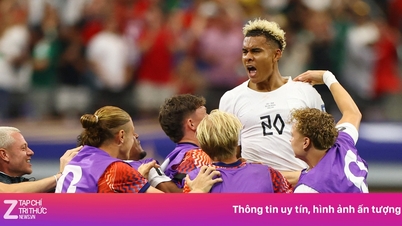
The Ivory Coast team is highly regarded for its physical fitness. Photo: Reuters. |
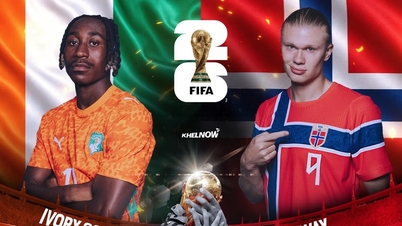
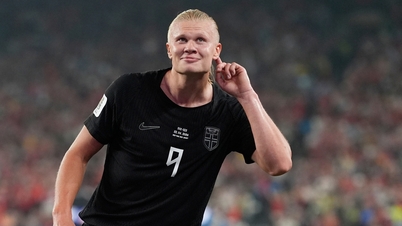
In the early hours of July 1st (Vietnam time), Norway will face Ivory Coast in the Round of 32 of the 2026 World Cup . Before the match, coach Ståle Solbakken stated that this will be the biggest challenge for the Nordic team since the start of the tournament, as their opponent possesses a superior physical foundation.
"We have to match them physically. They are the strongest team in the league. The first thing is to cope with their strength, their ability to win tackles, and their physically demanding style of play," said the Norwegian strategist.
Solbakken's assessment stems not only from his perception of the team's playing style but also from the statistics. In the 2026 World Cup group stage, against a strong opponent like Germany , Ivory Coast won 54 challenges compared to 48 for their opponents, achieving a 52.9% win rate in challenges and a 53.7% win rate in ground challenges.
Against Ecuador, Ivory Coast also showed a clear advantage in strength. In a total of 102 one-on-one challenges, the African team won 58 times. In aerial duels, Ivory Coast continued to dominate with 17 wins compared to their opponent's 11.
That strength is built on a squad with a balanced physique and fitness level across all three lines. In midfield, Franck Kessié is a prime example. Standing 1.83m tall, with a solid build and a physically demanding playing style, the Al-Ahli midfielder has long been considered a quintessential "box-to-box" midfielder in African football.



He possesses excellent spatial awareness, excels in one-on-one duels, recovers the ball, and maintains a high level of activity throughout the match. In the 2025/26 season, Kessié played 26 matches in the Saudi Pro League, accumulating over 2,100 minutes of playing time, scoring 5 goals and providing 3 assists.
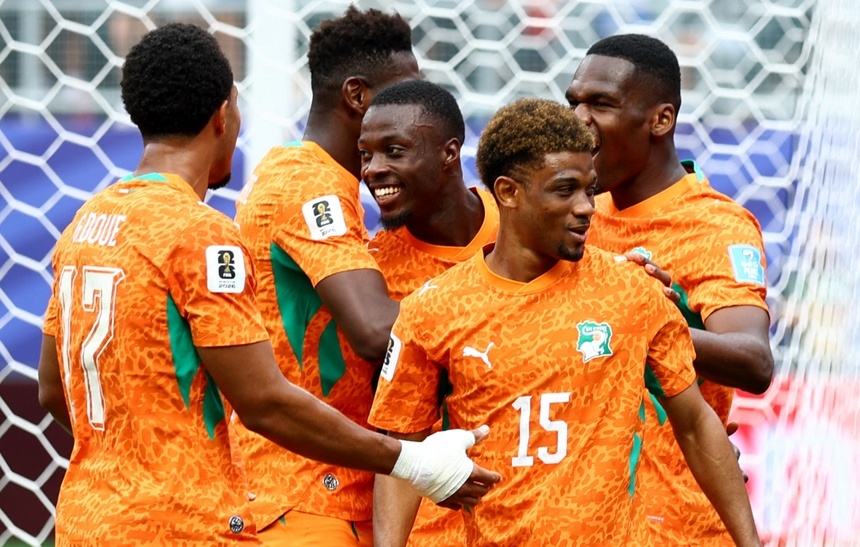 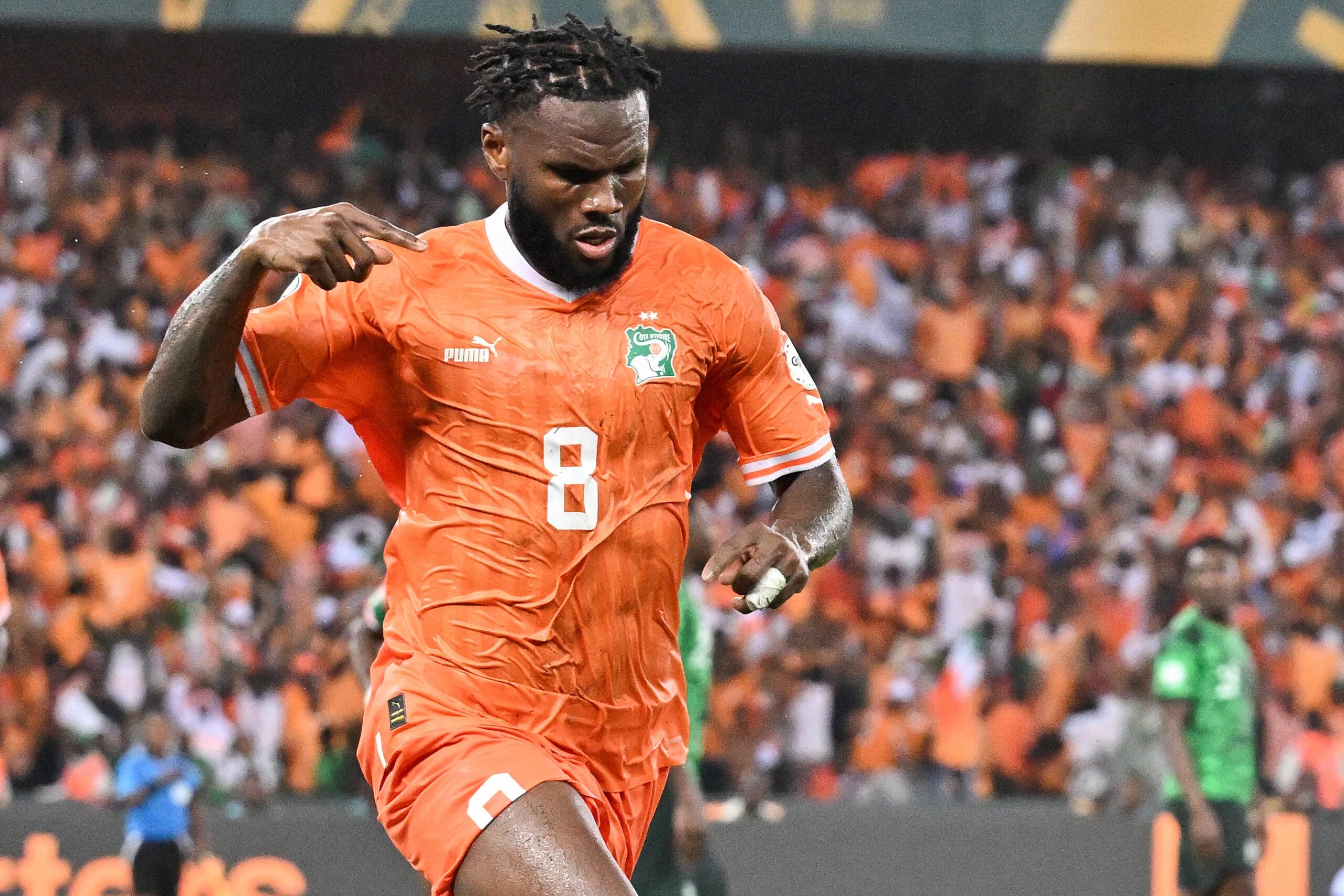 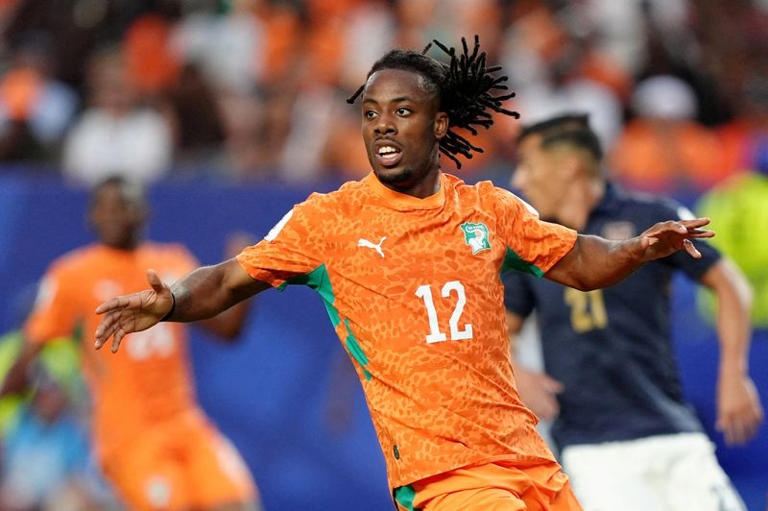 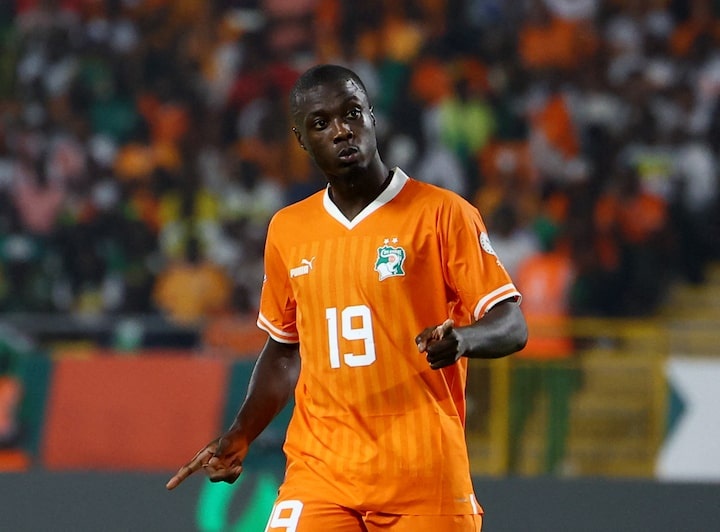 |
Many of Ivory Coast's key players stand out with their muscular physiques, strength, and tackling ability. Photo: Reuters . |
Partnering with Kessié is Ibrahim Sangaré, a 1.91m tall defensive midfielder with a long stride, strength, and ability to shield the back line. After 57 appearances for the national team, Sangaré remains a "steel shield" in the midfield, forming the first line of defense with his fierce tackles and ball recovery skills.
Behind them is a physically strong defense. Odilon Kossounou (1.91 m) excels in aerial duels and direct challenges, while Emmanuel Agbadou provides solidity with his aggressive play. The two full-backs, Guéla Doué and Ghislain Konan, also possess speed, stamina, and the ability to maintain constant attacking and defensive intensity, ensuring Ivory Coast maintains their physical fitness throughout the 90 minutes.
Up front, Ange-Yoan Bonny continues to offer a physical advantage with his height of 1.89 m. The young striker is capable of holding off defenders, holding up the ball, and challenging opposing center-backs, creating a foundation for the team to launch fast counter-attacks.
However, Ivory Coast's formidable strength doesn't lie in a few physically superior individuals, but rather in the evenly distributed power across the entire team. From the central defenders and midfield duo to the striker, they all possess the ability to compete, press, and maintain a high intensity of play.
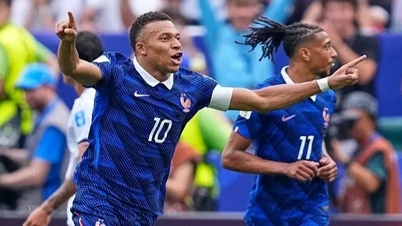
Under coach Emerse Faé, that physical foundation became the basis for an aggressive pressing style of play. After winning the ball back, Ivory Coast quickly transitioned with speedy players like Amad Diallo, Simon Adingra, and Yan Diomande. The constant pressing, bursts of speed, and counter-attacks forced opponents to expend a lot of energy defending.



The combination of muscular strength, speed, tackling ability, and abundant physical fitness across all three lines is why coach Ståle Solbakken considers Ivory Coast to be "the strongest team in the tournament".
Source: https://znews.vn/doi-bong-manh-me-nhat-world-cup-2026-post1664898.html

![[Photo] Strengthening character and expertise: Intense training for artillery soldiers.](https://vphoto.vietnam.vn/thumb/1200x675/vietnam/resource/IMAGE/2026/06/30/1782815602541_lu-368-1875-4571-jpg.webp)