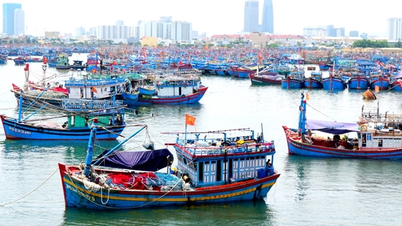
Following the administrative boundary consolidation, Dak Lak province has vast development potential; from the highlands to the coast, from extensive agricultural raw material areas to a system of seaports, economic zones, airports, and strategic transportation routes that are taking shape. These are essential conditions for the province to participate more deeply in national and international value chains.
The announced plan is the solution to that connectivity problem. For the first time, development space is organized into three economic regions, three development corridors, two dynamic centers, and three growth poles. At the same time, it sets specific targets: an average GRDP growth rate of 11% or more per year by 2030; GRDP per capita reaching approximately 164 million VND; and total social investment exceeding 676 trillion VND.
What is noteworthy is not the number of projects introduced or the value of the signed memoranda of understanding, but the fact that the business community sees a clear development vision, specific economic spatial orientation, and strong political determination to turn the plan into reality. Figures such as 25 projects receiving investment approval decisions with a total capital of over 40,294 billion VND or 78 memoranda of cooperation and investment surveys with a total registered value of over 1.02 trillion VND only truly matter when placed within the context of that overall planning picture.
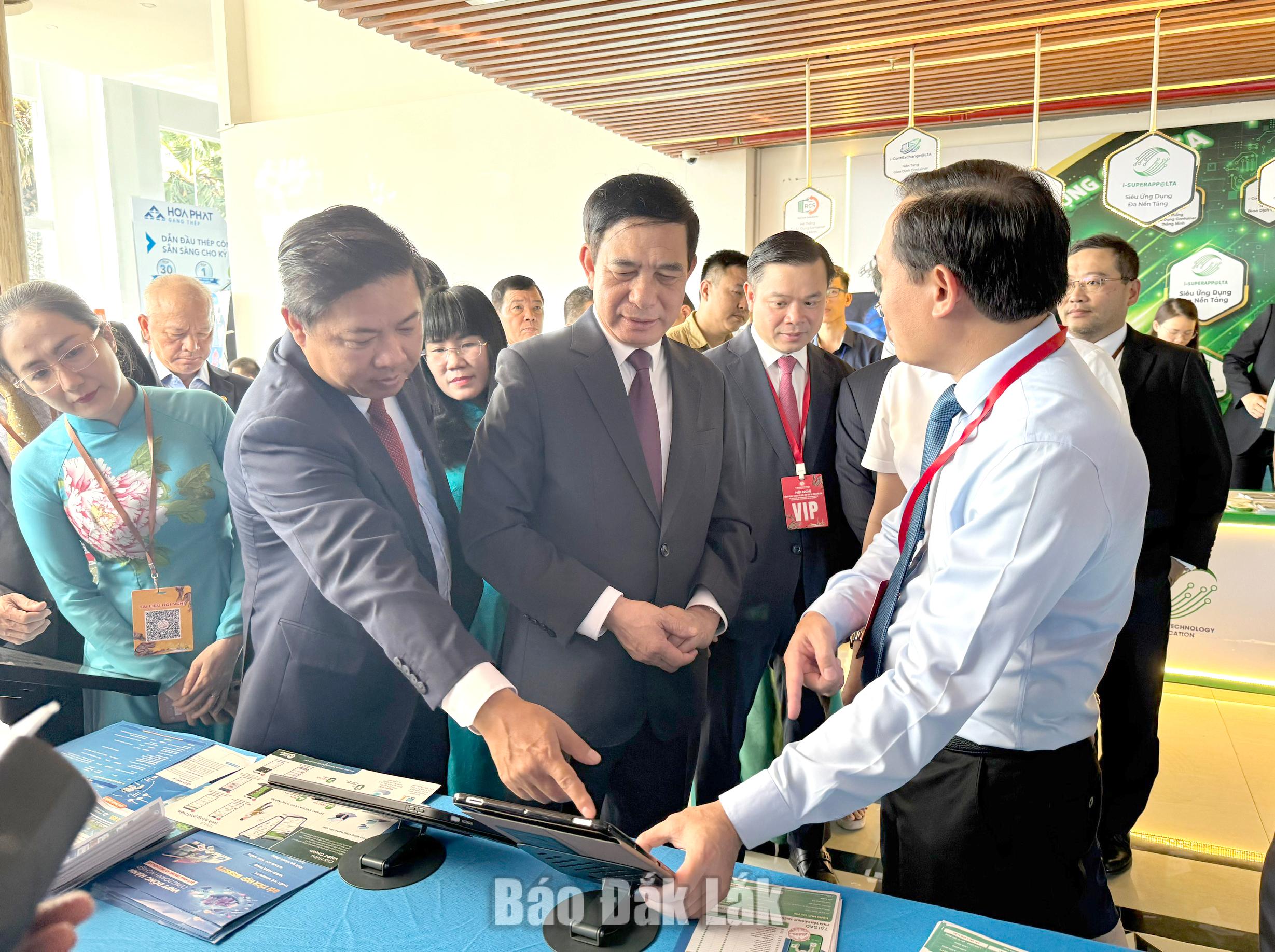 |
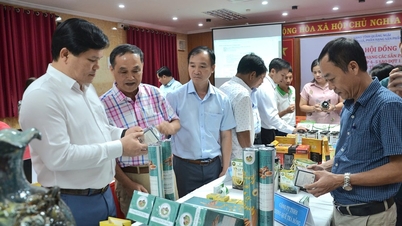
| General Phan Van Giang , Member of the Political Bureau, Deputy Prime Minister, and Minister of National Defense, along with provincial leaders, visited the exhibition area on digital transformation on the sidelines of the conference. Photo: H. Nhu |

More importantly, this is the beginning of the process of realizing the plan with concrete capital flows. From a strategic perspective, Dak Lak is facing a rare opportunity to reposition its role on the regional economic map. The presence and investment commitment of many large corporations in the fields of infrastructure, processing industry, energy, urban development, and high-tech agriculture shows that the plan has begun to attract long-term capital flows.
In the context of increasingly fierce competition among localities to attract investment, what investors need is a stable and transparent investment environment; a synchronized infrastructure system; a supportive administrative apparatus; and comprehensive planning to ensure the sustainability of long-term investment decisions. This is also why this conference is of particular interest to the business community.
The conference concluded, marking the beginning of the implementation phase. Investors not only looked at the potential but also placed their trust in the ability to translate commitments into action, turning plans into concrete projects that create sustainable development value. A plan may inspire expectations, but it is the capacity for implementation that determines the plan's vitality and creates the impetus for growth.
This spirit was also affirmed by Central Committee member, Provincial Party Secretary, and Head of the Provincial National Assembly Delegation, Luong Nguyen Minh Triet, who stated that the goal of double-digit economic growth in the 2026-2030 period and the successful implementation of the Resolution of the First Provincial Party Congress can only be achieved when the Provincial Planning is implemented synchronously and effectively, becoming a guiding principle for all development decisions. With high political determination, Dak Lak will transform the plan into reality, turn potential into resources, and turn advantages into growth drivers, gradually affirming its role as an important growth pole of the South Central Coast and Central Highlands regions.



Nhu Lan
Source: https://baodaklak.vn/kinh-te/202606/bien-tiem-nang-thanh-nguon-luc-7fb3436/