

 |
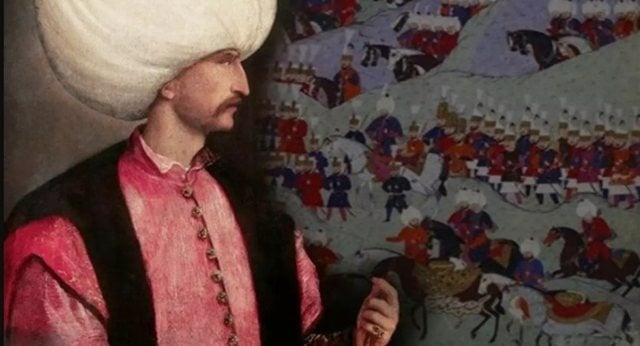
Throughout the course of world history, there have been figures who have risen to become symbols of power as well as cultural complexity – one of them being Sultan Suleiman I of the Ottoman Empire.
The book "The Great Suleiman - The Golden Age of the Ottoman Empire" by André Clot, published by Bachvietbooks, is a valuable window into the brilliant yet contradictory picture of this glorious era.
For many readers, the history of the Islamic world, particularly the Ottoman Empire, the predecessor of today's Republic of Turkey, may still be a gap. Therefore, the publication of this book not only fills this knowledge gap but also offers an opportunity to explore an empire that once encompassed the Middle East, North Africa, and parts of Europe, with a diverse culture including Arabs, Greeks, Slavs, and, of course, Turks.
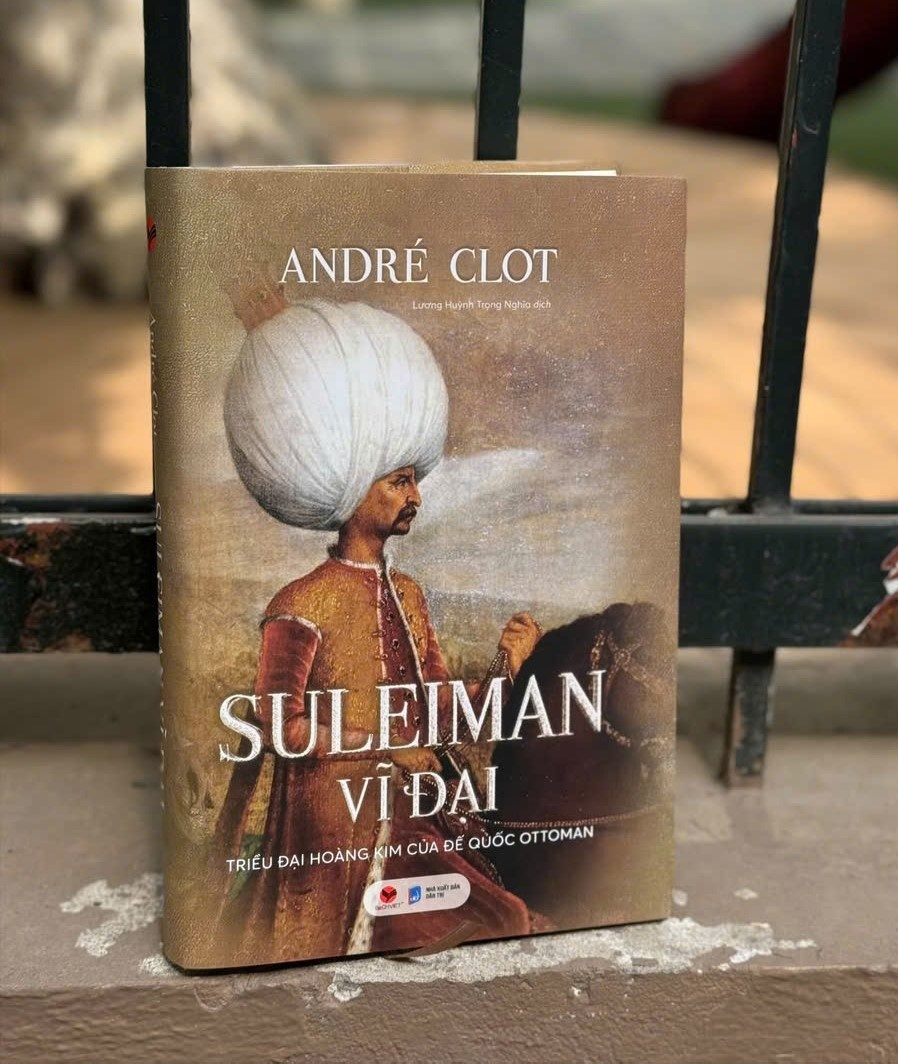 |
The Great Book of Suleiman . Photo: BBB . |
Suleiman was not only a brilliant conqueror, but also a legislator, patron of the arts, and the founder of the Ottoman Empire's most prosperous period. Interestingly, his name – “Suleiman” – was chosen randomly from flipping through the pages of the Quran.
And as if destiny had ordained a brilliant future for the newborn prince, the name Suleiman was chosen, which is the Arabic transliteration of Solomon – the famous king in the Jewish Talmud, associated with extraordinary wisdom and supreme power.
The Western world during the Middle Ages bestowed upon Suleiman I the title "the Magnificent," meaning majestic, splendid, brilliant, and glorious—a term that can be concisely translated into Vietnamese as "Great." This is a word that expresses a combination of awe and fear. Under his reign, the Ottoman army extended as far as Central Europe, defeating the Kingdom of Hungary and besieging Vienna, the heart of Europe. Meanwhile, on the opposing side, Emperor Charles V—who held sway over the Holy Roman Empire, Spain, and Western European territories—became the greatest rival in the clash between Islamic and Christian civilizations.
Beyond simply portraying a monarch, the book expands its perspective on the entire imperial system: from laws, culture, and art to court life. A particularly interesting highlight is the sixteen detailed appendices at the end of the book, which help readers better understand the social structure, administrative system, and even surprising anecdotes about Suleiman and his court.
One of the most striking features of the Ottoman Empire was its Harem system, once considered detached from politics , but under Suleiman's rule it became a true center of power.
The term "Harem" is now widely used in Japanese manga and anime. It's a slang term in English meaning a group of women who share a husband, but it originated in the Ottoman era as "the imperial harem." The Great Suleiman will give you a lot of interesting information about everything surrounding "Harem," especially how the harem eventually became inseparable from the imperial court and heavily involved in the political affairs of the Ottoman Empire, becoming a center of political and cultural power within the palace.
Furthermore, an equally shocking element was the law of "fratricide"—allowing the king to kill his own brothers and their descendants to ensure the unification of power. This sounds brutal, but it was considered a necessary measure to maintain order in a dynasty plagued by internal conflicts.
Another unique aspect was the Ottoman use of slaves. Instead of treating them as an inferior class, the empire trained captured Christians, especially during wartime, to become officials, soldiers, and even close advisors to the monarch.
The two most prominent figures were Grand Vizier Ibrahim and Queen Consort Hürrem Sultan – both were slaves before becoming the most powerful figures in the court. This unexpected flexibility and "openness" allowed the seemingly conservative Islamic empire to possess an extremely effective personnel system.
It's impossible not to mention another "shocking" detail: the Ottoman navy used pirates as an official force. This made them both feared and respected for their audacity in organization and utilization of maritime power.
The Ottoman language is also a fascinating blend: Turkish combines with Arabic and Persian, creating a language system known as Ottoman Turkism – reflecting the deep cultural exchange of the region. To help readers avoid being overwhelmed, the book includes a glossary at the end, which is very useful for beginners.
If you love history, especially epic stories about empires and glorious kings, then *Suleiman the Great - The Golden Age of the Ottoman Empire* is a must-read. This book not only provides knowledge but also sparks reflection on power, justice, faith, and the fate of those caught in the machinery of history.
Source: https://znews.vn/de-che-hoi-giao-post1554326.html




























































































Comment (0)