Zinc is an essential trace mineral that the body cannot synthesize on its own, so it needs to be supplemented through diet or supplements. This mineral participates in many important biological processes such as DNA synthesis, protein production, immune support, and maintaining cell growth.
For hair, zinc plays a particularly important role in the formation and development of hair follicles. Hair is mainly composed of keratin – a protein that the body needs to continuously synthesize to maintain the strength and growth of hair strands. To produce keratin, the body not only needs sufficient protein but also zinc, which participates in the enzymatic reactions involved in protein synthesis.
Therefore, a zinc deficiency can affect keratin production, making hair weaker, more prone to breakage, and slower to grow. This is why zinc is considered one of the essential micronutrients for hair and scalp health.

Zinc is a familiar trace mineral, but it helps maintain hair health from the inside out.
1. The mechanism of zinc's effect on hair
Zinc directly supports the process of new hair growth: Hair follicles need keratin to be continuously synthesized to create new hair strands and maintain the thickness, shine, and health of existing hair. A zinc deficiency means this process is disrupted, causing hair to grow slower, thinner, and lose elasticity.
Zinc regulates the hair growth cycle: Each hair strand goes through a cycle consisting of a growth phase, a resting phase, and a shedding phase. Hair follicle stem cells need to divide and proliferate continuously to maintain this cycle, and zinc is the mineral that promotes this cell division. When zinc is deficient, the growth phase is shortened, hair falls out earlier, and overall hair volume gradually decreases over time.
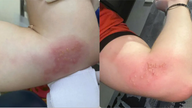


Inhibiting the 5-alpha reductase enzyme: This enzyme converts testosterone into dihydrotestosterone, a substance known to be a major cause of genetically inherited hair loss in men. When this enzyme is overactive, hair follicles shrink and hair becomes thinner and shorter. Maintaining sufficient zinc levels in the body can help suppress the activity of this enzyme, thereby helping to slow down hormone-related hair loss.
Zinc deficiency often doesn't cause immediate symptoms, but over time it can lead to slower hair growth, excessive hair loss, thin and weak hair, premature graying, and scalp problems such as dryness, itching, or folliculitis. Additionally, zinc deficiency can affect the body with manifestations such as decreased immunity, slow wound healing, acne-prone skin, and taste disturbances.
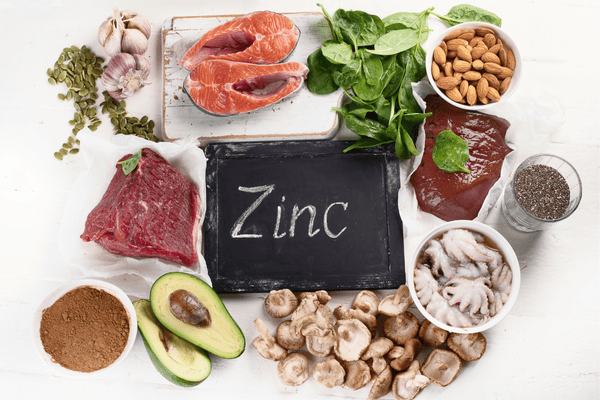
Foods rich in zinc.
2. Ways to supplement zinc
The recommended daily zinc intake for adults is approximately 11 mg/day for men and 8 mg/day for women. Although zinc is present in many foods, not everyone can ensure they get enough zinc if their diet lacks rich sources of animal protein or is too monotonous for an extended period.
Oysters are considered one of the richest sources of zinc, providing a significant amount in just one serving. In addition, beef, poultry, seafood, eggs, and dairy are also good sources of absorbable zinc. For plant-based diets, beans, cashews, pumpkin seeds, and whole grains can contribute to this mineral.
To maintain healthy hair, skin, and immune system, experts recommend building a diverse diet that incorporates many zinc-rich food sources instead of relying on a single food.
When dietary intake doesn't meet zinc requirements, supplements can be a helpful solution. However, proper dosage is crucial, as excessive zinc supplementation over a long period can lead to micronutrient imbalances. Some studies suggest that prolonged high zinc levels may reduce copper absorption, resulting in secondary copper deficiency with symptoms such as anemia or neurological disorders. Additionally, high doses of zinc can also affect iron absorption and cause digestive symptoms like nausea and abdominal pain.



To optimize absorption and minimize gastrointestinal irritation, zinc should be taken after meals. It should also not be taken concurrently with high-dose iron or calcium supplements, as these minerals may compete for absorption in the intestines. Individuals undergoing medical treatment or taking medication regularly should consult their doctor or pharmacist before taking supplements.
Zinc not only contributes to maintaining hair health but also participates in many important functions such as immunity, protein synthesis, and tissue repair. Therefore, in addition to external hair care, ensuring sufficient zinc intake through diet or appropriate supplements is also a crucial factor in maintaining healthy hair.
Please check out more videos of interest:
Source: https://suckhoedoisong.vn/bo-sung-kem-co-tot-cho-toc-169260610194954233.htm

![[Photo] Overview of the renovation and upgrading of the Ho Chi Minh Museum - Ho Chi Minh City Branch](https://vphoto.vietnam.vn/thumb/1200x675/vietnam/resource/IMAGE/2026/06/24/1782287051250_ndo_br_01-jpg.webp)
![[Image] Paris's oldest bridge goes viral after transforming into a giant cave.](https://vphoto.vietnam.vn/thumb/1200x675/vietnam/resource/IMAGE/2026/06/24/1782283441197_ndo_br_dsc05314-jpg.webp)
![[Photo] Opening Ceremony of the 13th National Congress of the Ho Chi Minh Communist Youth Union](https://vphoto.vietnam.vn/thumb/1200x675/vietnam/resource/IMAGE/2026/06/24/1782286753905_ndo_br_1-8510-jpg.webp)