During the flood season in October, snakehead fish in Ho Chi Minh City are priced at around 100,000 VND/kg - Photo: D. TUYET
Ms. Le Thi Muoi, the owner of a convenience store in an alley off Tan Ky Tan Quy Street (Tan Binh District), happily recounted the story.
Ms. Mười and her husband are both from An Phú, An Giang province, upstream of the Hau River, and came to Ho Chi Minh City to work as factory workers. Having lived here for over 10 years and raised children, they still maintain their rural lifestyle and enjoy the rustic, countryside cuisine of the Mekong Delta.
After quitting her job as a factory worker, she opened a small grocery store, and it became even easier to buy local produce when street vendors came to her door to offer their goods.
Ms. LE THI MUOI
Fish hotpot with fermented fish sauce in the city.
"For over a month now, the area downstream has been heavily flooded, and my wife and I haven't been able to visit, but we can still fully experience the flood season in our homeland."
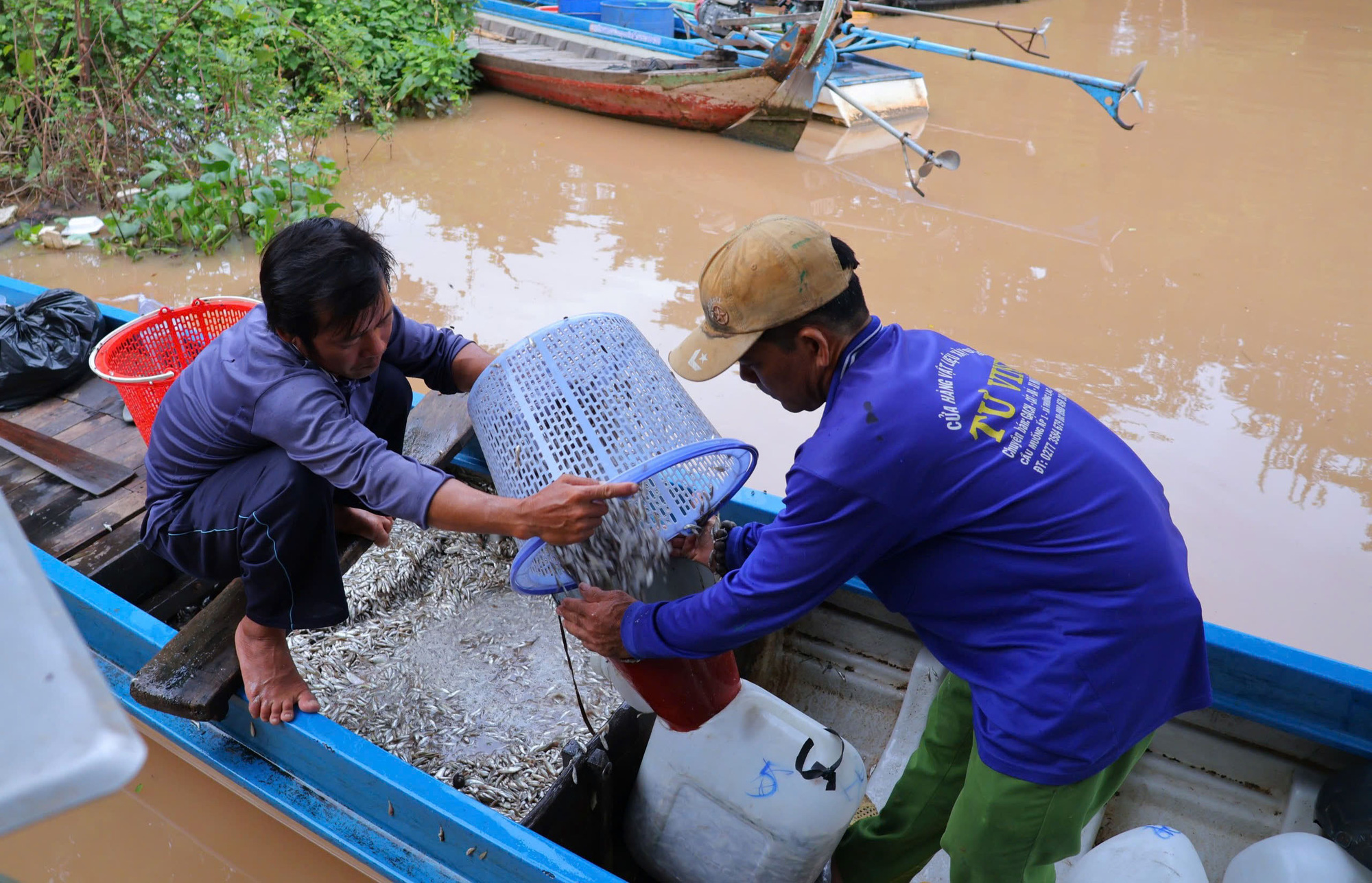
During the flood season, uncles and aunts would ride bicycles and motorbikes carrying crates of fish, crabs, and prawns right to our house to offer them for sale.
Prices are much cheaper now compared to two months ago. For example, good quality snakehead fish now costs only around 100,000 VND/kg when bought directly from a fish farm in the city, sometimes even as low as 80,000 VND, whereas at the beginning of the season, it was difficult to find even for 250,000 VND.
Ms. Mười added that her neighbors in the boarding house, who are from the North and have recently moved here, are fascinated by the freshwater crabs that only cost 60,000 VND/kg, whereas just in July they were still over 120,000 VND. The crabs from the flooded fields are plump and have beautiful, deep purple shells.
On weekends, having bought some fresh anchovies, Mrs. Mười cooks a fish sauce hotpot for her husband and children, just like the taste of her hometown.
She was busy minding the shop and didn't need to go to the market to buy anything extra. She just called her regular fish seller to ask him to buy her a set of vegetables for hot pot, such as water spinach, water morning glory, chives, water hyacinth, lotus stems, Sesbania grandiflora flowers, and Sesbania grandiflora...
Most of the products are seasonal produce from the Mekong Delta, and the prices are very budget-friendly. She only had to pay 70,000 dong. The fish seller even bought a jar of fermented snakehead fish paste, which was just right for making the broth for the hot pot.
The season for young snakehead fish, which locals love to eat, has passed, so she has to buy older snakehead fish, about the size of a finger, a type of fish that isn't suitable for deep-frying but is still very sweet and delicious when cooked in a hot pot...
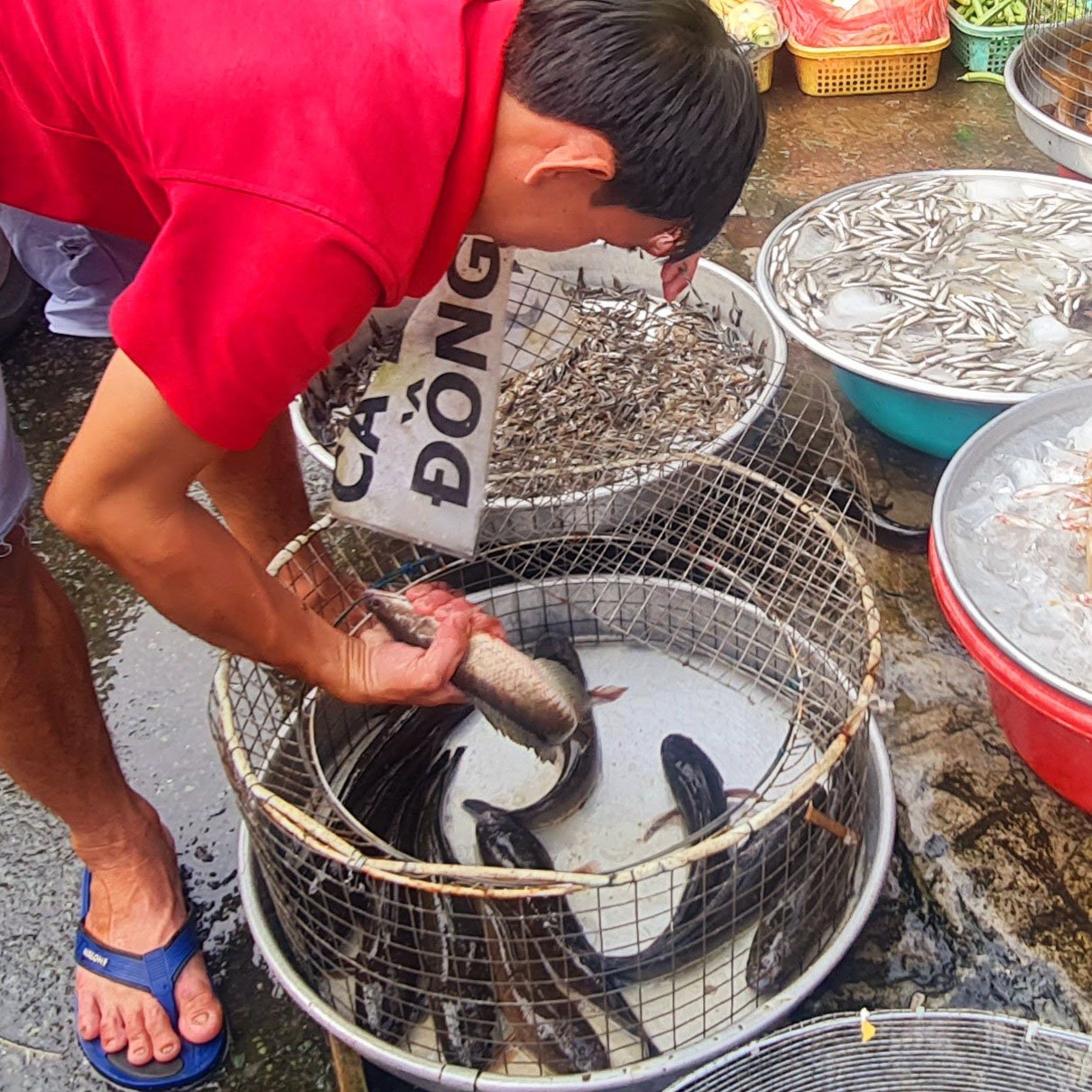
Snakehead fish from flooded rice paddies are sold at Binh Tri Dong market, Ho Chi Minh City - Photo: M. DUNG
Fish return to the fields as the water rises.



The flood season in the Mekong Delta usually begins in late August and reaches its peak in October.
In recent years, only in 2018 did the water level rise significantly, almost reaching the edge of the rice paddies. In other years, the water level was lower than expected by the people in this area, especially for older people like Ms. Muoi, who have experienced many seasons of flooding that covered the fields and yielded an abundance of fish.
This year's rainy season in the Mekong Delta is experiencing a larger flood than in 2023, and the produce in the flooded fields seems to be in better condition. Many traders are eagerly anticipating the floodwaters, buying wild grouper to bring back to Ho Chi Minh City to sell as a specialty product.
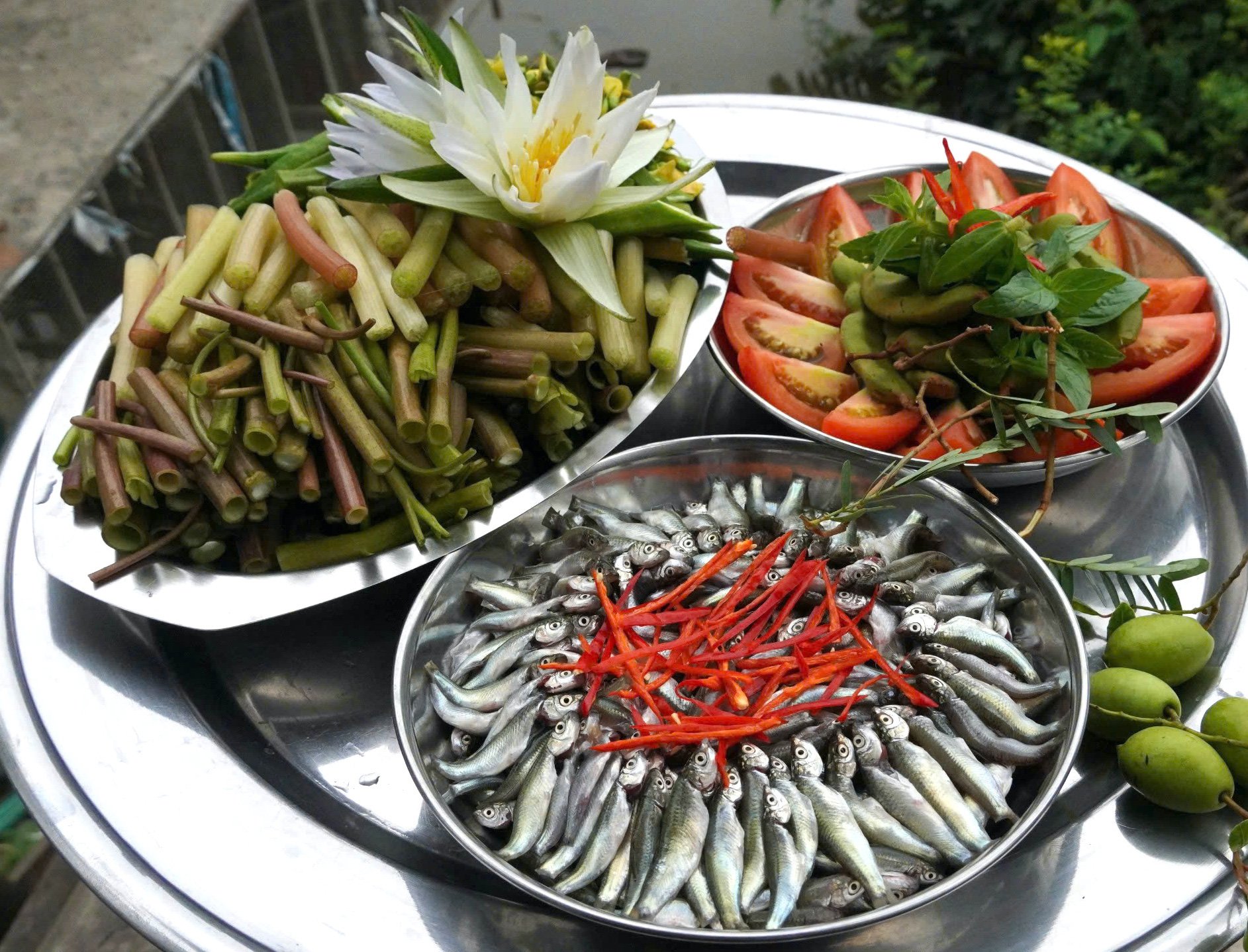
Snakehead fish served in a hot pot
Ms. Phan Thi Thanh, a fish trader in the border areas of Moc Hoa, Vinh Hung, and Tan Hung districts in Long An province, said that these days she can deliver more than 200kg of various types of freshwater fish to her customers in the city, whereas at the same time last year she only managed to gather 50-70kg per day.
"Those who appreciate freshwater fish, especially people from the Mekong Delta who have moved to the city to make a living, really enjoy eating freshwater fish during this flood season. For more than a decade now, large fish have become rare during the flood season, but those who know how to appreciate them still love them because the meat is firm and flavorful thanks to the abundance of plankton in the rice paddies…," Ms. Thanh recounted.
This woman, who has been trading fish in the Mekong Delta for over 30 years, recounts that she used to go fishing with her parents on their boats when she was a child, so she "understands well" how fish from the rice paddies made their way to the city. That was in the 1980s, when during the flood season in the Mekong Delta, there were still "plenty" of grouper fish.
Her parents' 2-ton motorboat only stopped at two or three fish purchasing points in Tan Hong, Hong Ngu, in the upstream area of Dong Thap province, and they couldn't carry all the fish. Sellers and buyers didn't bother to pick out each fish by hand; they just dumped them in buckets, some into the boat, others escaping into the canal, and nobody cared.
Back then, Mười's parents would transport fish by boat to wholesale markets in Ho Chi Minh City, and along the way, they would pick out dead fish and throw them back into the river to feed the live fish.
But from the 2000s onwards, with the construction of dikes and flood drainage canals, the image of rows of freshwater fish piled up on the canal banks, waiting for traders' boats to buy them, has gradually become a thing of the past. Freshwater fish, even during the flood season, are becoming increasingly scarce…
As Thanh's parents grew old and she grew up, she started selling fish on her own, eliminating the practice of carelessly throwing dead fish into the river. Any fish that died but weren't too rotten and could still be sold, she would put in ice to sell as "dead fish" at a cheaper price than live fish, while the rest she would preserve in salt to make dried fish or fish sauce.
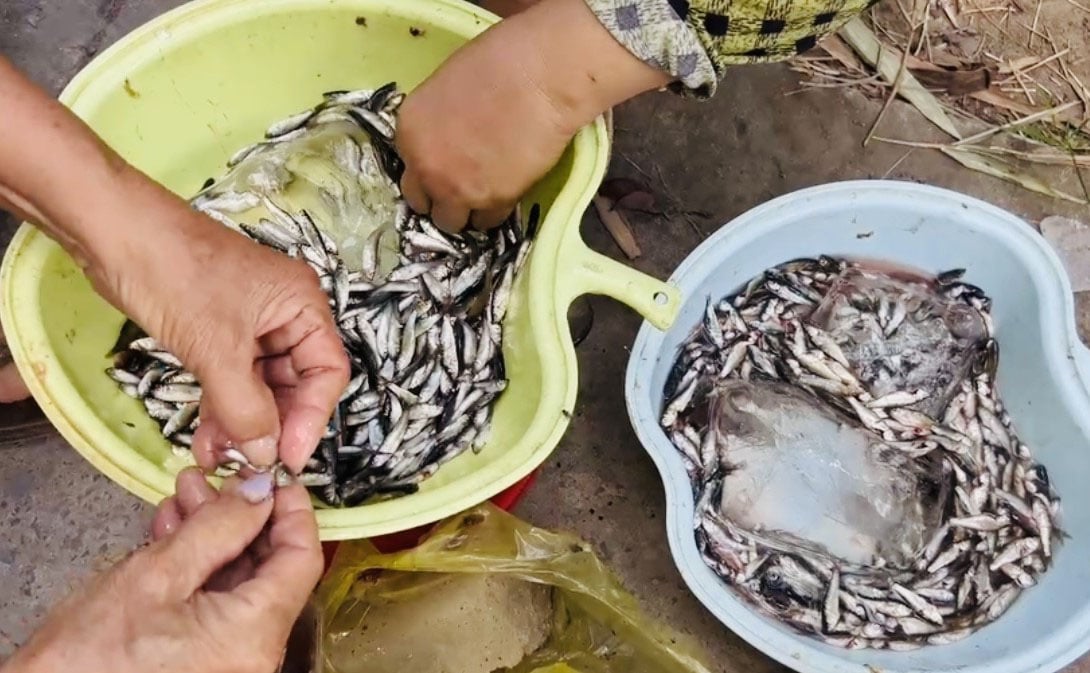
Small fish from Hong Ngu, Dong Thap province, on display for sale to customers - Photo: D. TUYET
Even if you have money, you still need to know how to choose.
"Back when freshwater fish were scarce, they became a delicacy. The price of freshwater fish was two or four times higher than farmed fish; nobody dared to sell them like they used to," Ms. Thanh recounted. Although rare, these wild fish from the rice paddies still made their way to the city year-round because some people are passionate about them and willing to spend a lot of money to buy and eat them.
During the dry season, fish caught in ponds in Ca Mau , Bac Lieu, Hau Giang, Kien Giang, and Long An provinces are transported up to the area. These are usually large fish, and sometimes they are mixed with farmed fish, making it easy for uninformed buyers to be deceived.
Fish during the flood season are easier to identify because most of them are small. Even two common freshwater fish species during the flood season, such as the snakehead fish, are mostly only about two fingers long at most; few grow larger enough to be called "large snakehead," while the catfish are still in their early stages, called "small snakehead," about half a wrist in size.


But many people in the Mekong Delta who are connoisseurs of freshwater fish prefer this size, which is delicious when deep-fried or braised. The snakehead fish, in particular, grows according to the tide. The first batch of snakehead fish in the August flood season is called young snakehead fish; at this time, "the fish is not worshipped but bears the name snakehead fish," it's small yet highly favored by the villagers…
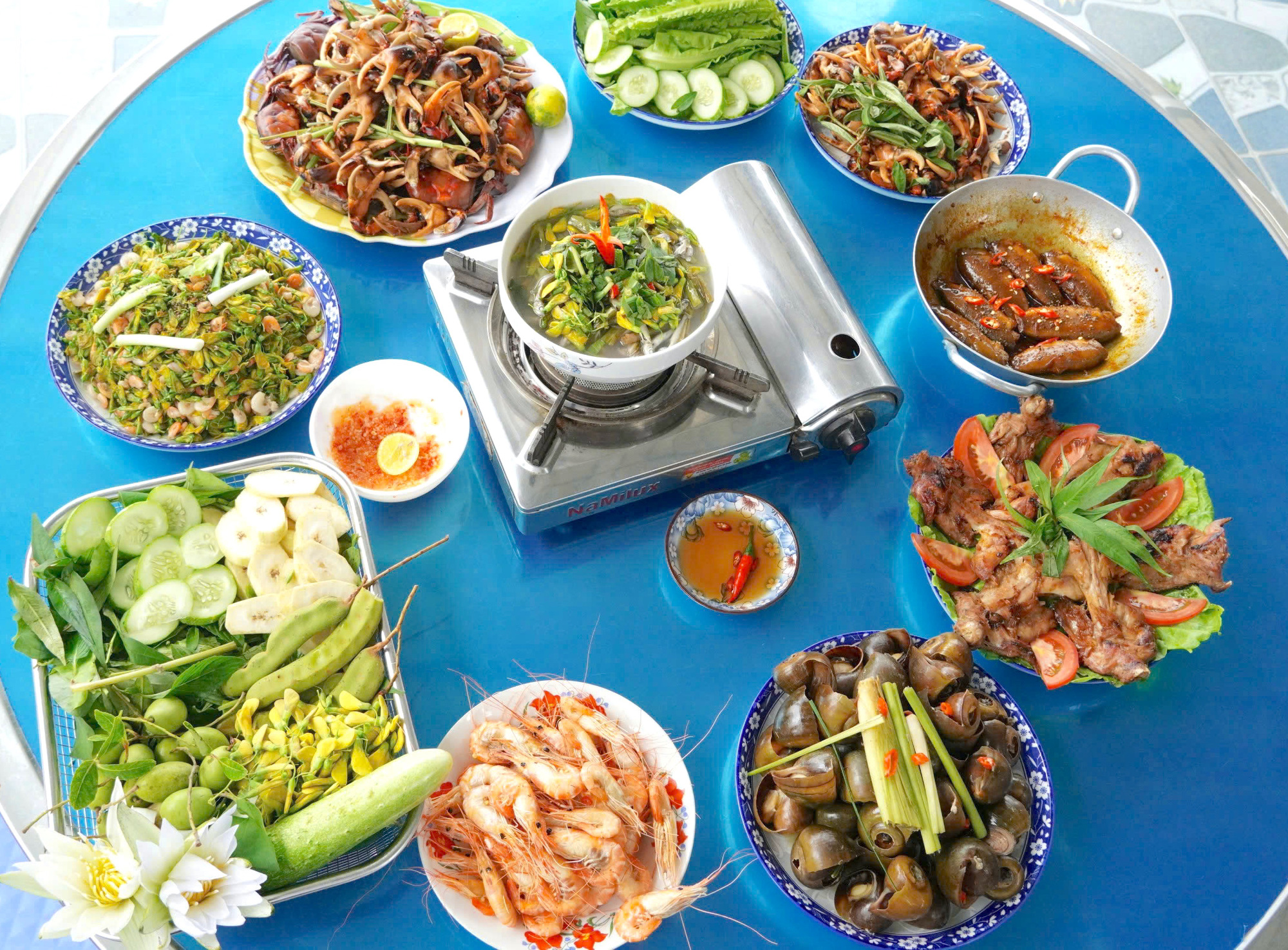
Seasonal cuisine features freshwater fish.
"During the flood season, the most popular types of fish that 'swim' to the city are still snakehead fish because people like to eat them, and also catfish, carp, tilapia, striped catfish, and occasionally spotted catfish, eel, and carp."
"Right now, snakehead fish about two fingers long cost around 100,000 - 120,000 VND/kg depending on the market, and catfish cost around 140,000 - 180,000 VND..." - said Mrs. Nam Le, a freshwater fish seller at Binh Tri Dong market (Binh Tan district).
According to experienced fish traders, only the price of snakehead fish in the city gradually decreases as the water level rises from low to high in the Mekong Delta. Most other types of fish remain at their current prices because there isn't much available for sale.
Besides the wholesale market, most large and small markets in Ho Chi Minh City now, although fewer people sell freshwater fish compared to 20-30 years ago, almost every market still has a few tubs of wild fish for customers to choose from.
"Fish caught during the flood season are the most diverse and delicious of the year, but buyers need to know how to choose, otherwise it's easy to mix them with farmed fish. Those who aren't connoisseurs find it hard to distinguish between them, but the prices of the two types of fish are completely different…," Mrs. Nam Le added, explaining that if you're not an expert at distinguishing between field-raised and farmed fish, buying from a trusted source is the safest bet…
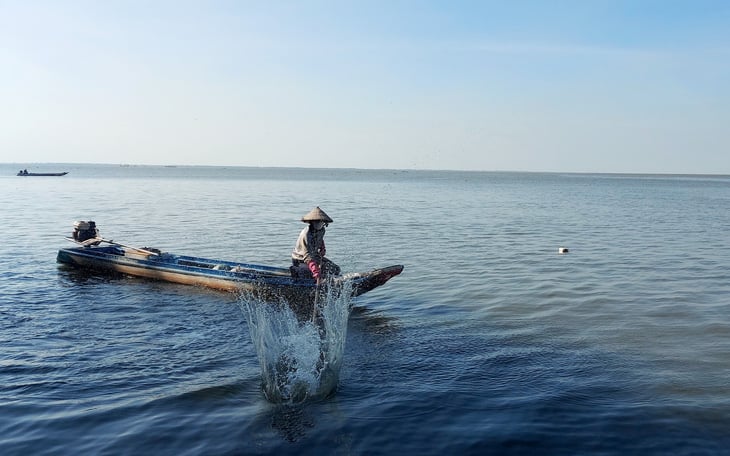 Hunting for freshwater fish to eat during Tet (Lunar New Year)
Source: https://tuoitre.vn/ca-dong-da-ve-pho-20241014100442441.htm