Aquaculture plays a pivotal role.
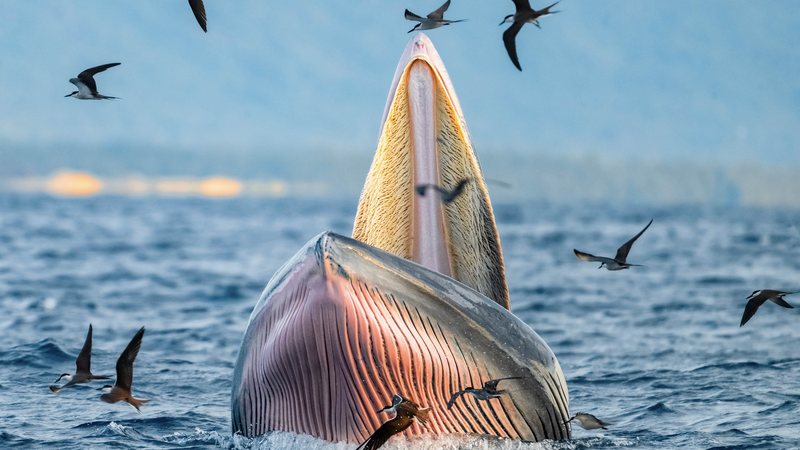
Following the merger, Ca Mau possesses a vast marine development area with many advantages in aquaculture, fishing, seafood processing, renewable energy, logistics, and ecotourism. Among these, the fisheries sector continues to play a key role in the economy , making a significant contribution to GRDP growth, creating jobs, and increasing income for hundreds of thousands of coastal workers.
In 2025, the total aquatic product output of the province is expected to reach 1.268 million tons, including over 364,000 tons from fishing and over 904,000 tons from aquaculture. With over 435,000 hectares of shrimp farming area, Ca Mau continues to maintain its position as the province with the largest shrimp farming area in the country, and is also a center for shrimp production and export in Vietnam.

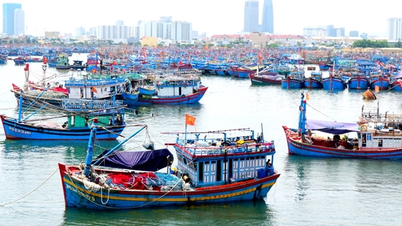
The annual seafood catch in Ca Mau province reaches over 360,000 tons. Photo: Trong Linh.
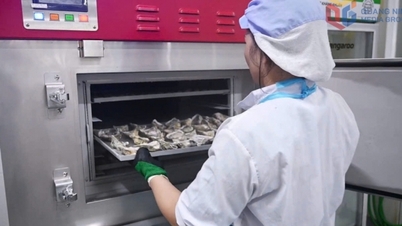
The seafood processing industry is also constantly developing. The province currently has 89 processing plants with a total capacity of over 500,000 tons per year. During the period 2021-2025, the processing output reached over 1.49 million tons, bringing in export revenue of over 10.4 billion USD. In 2025 alone, seafood export revenue is expected to exceed 2.4 billion USD, further solidifying the Ca Mau seafood brand in the global market.
According to Mr. Pham Van Muoi, Deputy Director of the Department of Agriculture and Environment of Ca Mau province, the local marine economy has developed significantly in recent years, playing a leading role in the growth structure and making increasingly significant contributions to the socio-economic development of the province. Besides the traditional fisheries sector, many new marine economic sectors such as renewable energy, logistics, and ecotourism are gradually emerging, opening up new growth opportunities.
Coastal and island tourism is also showing many positive signs. During the period 2018-2025, out of a total of over 40.3 million visitors to Ca Mau, the coastal area attracted nearly 4.7 million, generating revenue of approximately 4,557 billion VND. Destinations such as Dat Mui, Hon Khoai, Ca Mau Cape National Park, and coastal mangrove forests are becoming distinctive tourism products of the southernmost region of Vietnam.

The coastal area of Ca Mau province is expected to attract nearly 4.7 million visitors between 2018 and 2025, generating revenue of approximately 4,557 billion VND. Photo: Hoa Binh Wind Power Plant.
Creating momentum from the blue economy.
Beyond relying on traditional advantages, Ca Mau is aiming for a modern marine economic development model, with green growth, energy transition, and integrated infrastructure as long-term development drivers.
The locality currently attracts 26 wind power projects and one gas power project with a total capacity of approximately 4,650 MW and a total registered capital of over 170,000 billion VND. This is considered an important foundation for Ca Mau to develop a green economy, contributing to the implementation of the national energy transition strategy.
According to Mr. Huynh Chi Nguyen, Vice Chairman of the People's Committee of Ca Mau province, after the merger, the province has a larger development space, holds a strategic position in terms of national defense, security and sovereignty over the sea and islands, and possesses many outstanding potentials in the marine economy.

To date, Ca Mau province has attracted 26 wind power projects and one gas power project. Photo: Phan Thanh Cuong.
"With the advantage of being surrounded by the sea on three sides, a long coastline, and favorable natural conditions, Ca Mau identifies the development of clean energy as one of the important drivers to promote economic growth, contributing to achieving the goal of green growth, reducing greenhouse gas emissions, ensuring national energy security, and realizing the commitment to net zero emissions by 2050," Mr. Nguyen emphasized.
According to the Plan for the Development of the Marine and Coastal Economy in 2026, Ca Mau aims for a GRDP growth of approximately 10%; marine and purely marine economic sectors contributing 40-45% of the total local budget revenue; a seafood output of over 1.33 million tons; a shrimp processing output of over 415,800 tons; and export turnover of approximately 2.8 billion USD.
To realize this goal, Ca Mau province will implement a comprehensive set of solutions to develop the exploitation, aquaculture, and processing of aquatic products in a modern and sustainable manner; reduce the intensity of inshore fishing, and develop offshore fishing while protecting and regenerating aquatic resources. At the same time, it will continue to vigorously implement measures to combat illegal, unreported, and unregulated (IUU) fishing. It will also invest in upgrading fishing ports and storm shelters, and promote the application of digital technology in fisheries management and aquatic product traceability.
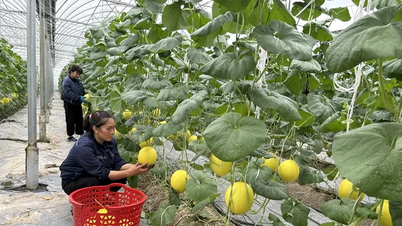
In the aquaculture sector, Ca Mau province is orienting towards expanding high-tech farming areas, recirculating aquaculture, and improved extensive farming adapted to climate change. Currently, the province is actively investing in the development of high-quality seed production, expanding the area of aquaculture that meets international certifications, and increasing the proportion of deep processing to enhance product value.

Ca Mau is the leading province in the country in seafood exports. Photo: Trong Linh.



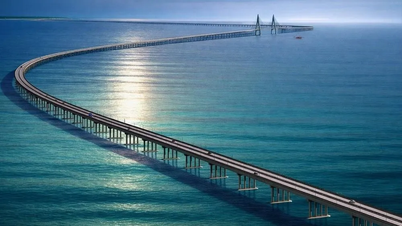
Alongside production development, Ca Mau province is focusing on mobilizing resources to invest in strategic infrastructure projects such as the Can Tho - Ca Mau expressway extended to Dat Mui, the Hon Khoai dual-use general port, upgrading National Highway 1, National Highway 63, the Ho Chi Minh Highway, and developing a logistics system to serve the marine economy.
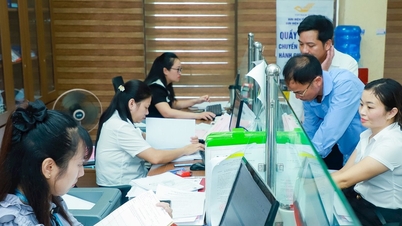
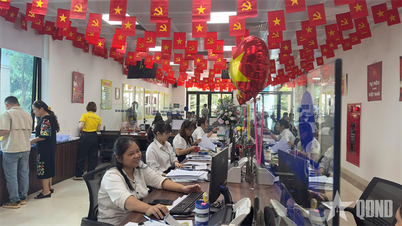
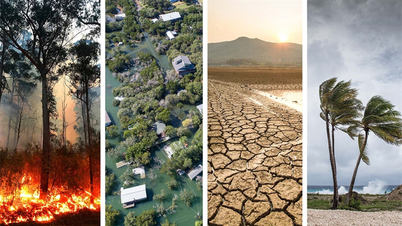
In addition, Ca Mau continues to strengthen the management and effective exploitation of marine resources, proactively responding to coastal erosion, sea level rise, and the impacts of climate change. At the same time, it is significantly improving the investment environment, enhancing competitiveness, and promoting administrative reforms to create a transparent and open environment to support the business community.
With a comprehensive development orientation for all marine economic sectors, combining the efficient exploitation of natural potential with green transformation and innovation in growth models, Ca Mau is gradually realizing its goal of becoming a strong marine economic center of the Mekong Delta region, making a positive contribution to Vietnam's Sustainable Marine Economic Development Strategy to 2030, with a vision to 2045.
Source: https://nongnghiepmoitruong.vn/ca-mau-but-pha-kinh-te-bien-d819053.html