Four heritage sites to be honored in 2025.
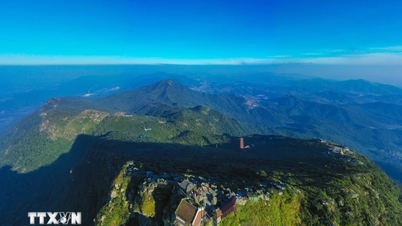
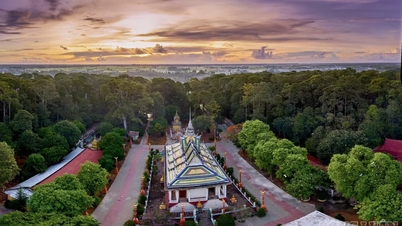
In 2025, Vietnam will have four outstanding heritage sites in various categories that will be recognized by UNESCO for the first time. Specifically, on July 12, 2025, the Yen Tu - Vinh Nghiem - Con Son - Kiet Bac complex of historical sites and scenic spots will be inscribed on the UNESCO World Heritage List.
This is Vietnam's first World Heritage site in the form of a chain (located in three provinces and cities: Quang Ninh, Bac Ninh , and Hai Phong) recognized by UNESCO, affirming the unique, vibrant, and globally significant value of Truc Lam Buddhism originating from the sacred Yen Tu mountain range.
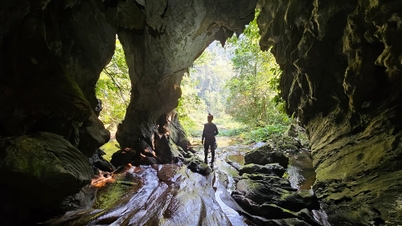
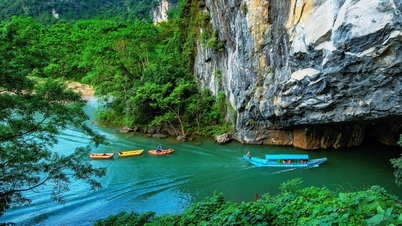
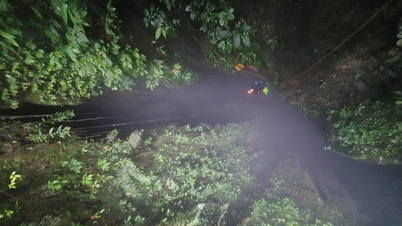
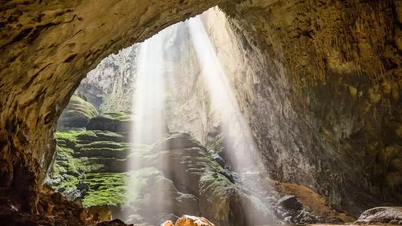
On July 13, 2025, UNESCO approved the adjustment of the boundaries of the Phong Nha-Ke Bang National Park World Natural Heritage Site to include Hin Nam No National Park (Laos), under the name: “Phong Nha-Ke Bang National Park and Hin Nam No National Park” on the World Heritage List.
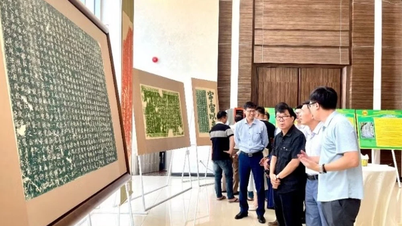
On April 10, 2025, UNESCO inscribed the "Collection of Composer Hoang Van" on the Memory of the World Register.
On December 9, 2025, UNESCO adopted a decision to inscribe the Dong Ho folk painting craft (Bac Ninh province) on the List of Intangible Cultural Heritage in Need of Urgent Safeguarding.
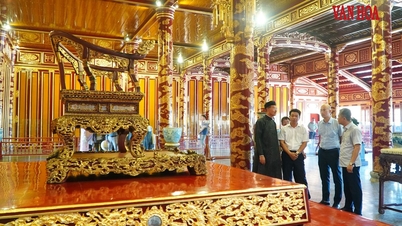
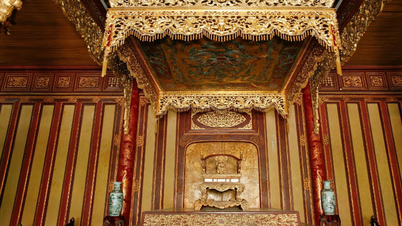
Looking back over the three decades since the Hue Imperial Citadel Complex became Vietnam's first UNESCO World Heritage site, it's clear that the landscape of Vietnamese heritage has continuously expanded in both quantity and depth of value.
From architectural masterpieces and natural landscapes bearing the imprint of a long history such as Ha Long Bay, Hoi An Ancient Town, My Son Sanctuary, and Trang An Scenic Landscape Complex, to vibrant cultural practices associated with communities such as Hue Royal Court Music, Bac Ninh Quan Ho Folk Songs, the Gong Culture Space of the Central Highlands, the Mother Goddess worship of the Vietnamese people, or the Bai Choi art of Central Vietnam… each heritage site is a unique slice of Vietnamese identity, while also contributing to enriching the common heritage of humanity.
"Soft power" enhances national standing.
It can be affirmed that the continued recognition of many Vietnamese cultural heritage sites by UNESCO is not a random achievement, but the culmination of a long, persistent, and visionary process. UNESCO titles also become a "cultural passport," helping to spread Vietnam's image more strongly to the world. Each recognized heritage site tells a story about the history, people, and philosophy of life of the Vietnamese nation, told in the common language of humanity.
A key highlight in affirming the stature of Vietnam's heritage is the shift in conservation thinking. While previously conservation was often understood as preserving the status quo, today Vietnam increasingly focuses on dynamic conservation, linking heritage with people's livelihoods and local development. Many models promoting heritage values through sustainable tourism, community education, and cultural innovation have shown positive results.
The community, as the creator and custodian of heritage, is no longer an outsider but has become central to all conservation strategies. Each UNESCO designation is not only a memorable milestone but also sets higher standards for protecting and promoting heritage values in a worthy manner. This is precisely the spirit that UNESCO always encourages and highly values.
From a cultural diplomacy perspective, UNESCO-listed heritage sites also serve as important bridges in relations between Vietnam and other countries and international organizations. Through cooperation in heritage preservation, expert exchanges, exhibitions, festivals, and international conferences, Vietnam learns from experience and shares its success stories, contributing to promoting cultural dialogue and enhancing mutual understanding and trust. In this way, heritage becomes a crucial source of "soft power," enhancing a nation's standing in a multipolar and volatile world.
Source: https://baophapluat.vn/cac-di-san-duoc-unesco-vinh-danh-tam-ho-chieu-van-hoa-viet.html





































![[Video] Sunset at Lap An Lagoon – Where the sun sets over the fishing nets](https://vphoto.vietnam.vn/thumb/1200x675/vietnam/resource/IMAGE/2026/05/31/1780192137701_beach-landscape-sea-water-nature-grass-745871-pxhere-com.jpeg)































Comment (0)