In the pepper plant's growth cycle, the period immediately after harvest is considered a critical, life-or-death time. After months of devoting all its nutritional resources to nourishing the pepper clusters, the plant is almost completely depleted of energy. Its root system weakens, its leaves age, and its resistance decreases, making it an ideal target for fungal diseases and nematodes.
If farmers neglect or improperly care for their pepper plants, the plants are very susceptible to "slow death," "rapid death," or severe yield declines (from 20% to 50%) in the following season. To re-establish a solid biological foundation for the plants, a systematic and logical care process needs to be implemented immediately through the four technical pillars below.
Pruning, shaping, and washing the garden.
Immediately after harvesting the last crop of peppers (usually after a rest period of 7-10 days), the first task is to perform physical and chemical cleaning of the pepper garden.
Physically (pruning): Farmers need to use specialized pruning shears to thoroughly remove thin branches, creeping branches growing close to the ground (20-30cm from the base), diseased branches, and shoots hidden within the canopy. This process offers two core benefits: it helps to improve air circulation in the orchard, optimizing the ability to receive sunlight for photosynthesis, and it breaks the biological link so that fungal diseases from the soil cannot spread to the main trunk.
Chemically (garden washing): The harvesting process inevitably creates mechanical wounds on the trunk, leaves, and fruit stalks. These are entry points for Phytophthora and Colletotrichum fungi (causing anthracnose). Garden washing is performed by thoroughly spraying the entire foliage and trunk with copper-based fungicides (Copper Oxychloride, Copper Hydroxide) or Bordeaux mixture. This copper metal film acts as a protective shield, eliminating all fungal spores remaining on the plant surface.
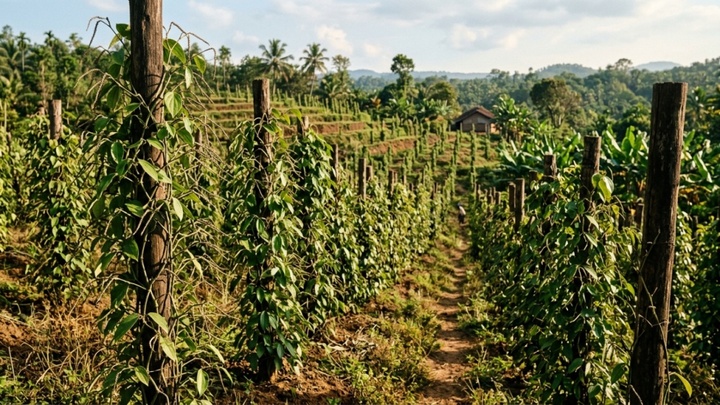
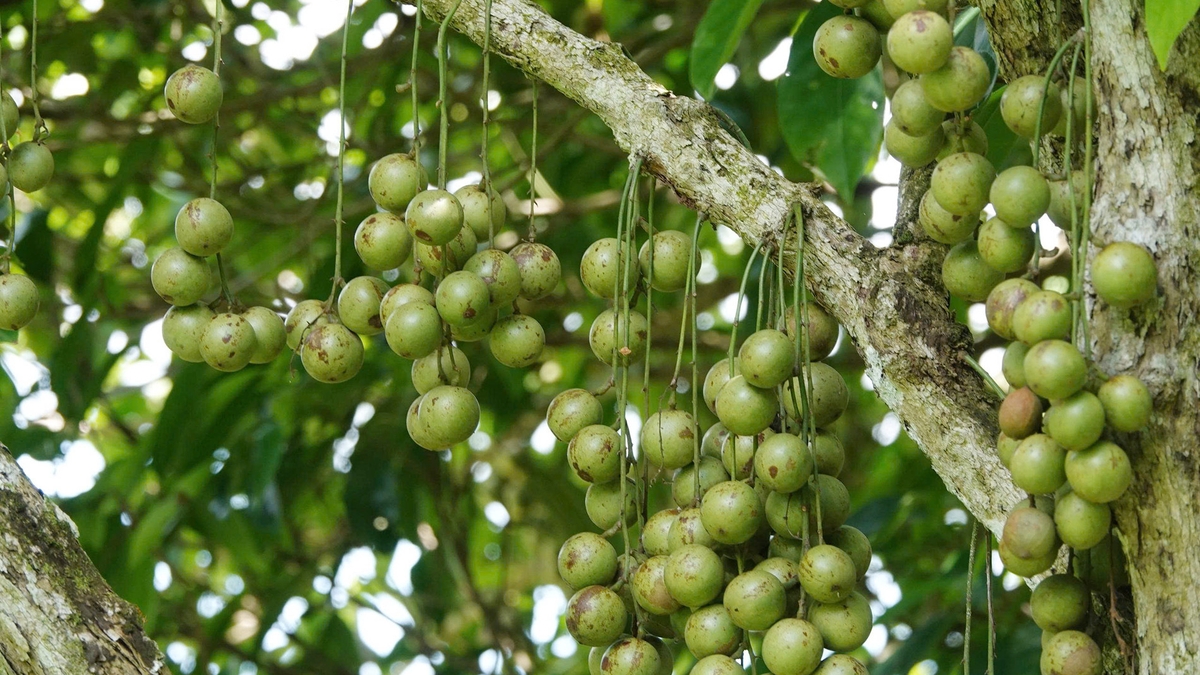
After harvesting, pepper plants often become depleted and require proper care. (Photo: MIT)
Secrets to holding water
From a productivity management perspective, in order for pepper plants to flower simultaneously and produce long clusters of fruit in the next season, they need to undergo a process called vegetative growth inhibition to switch to reproductive growth. This technique is known as water stress or water restriction.


After cleaning the garden, if it is the dry season, farmers need to reduce watering and restrict watering for about 30 to 45 days. Creating this artificial drought will cause a mild physiological shock, forcing the pepper plants to stop growing new shoots and shed some leaves to concentrate nutrients on the buds.
However, the line between "forcing" the plant to bloom and "killing" it is very thin. Growers need to observe the leaves: When the pepper leaves begin to wilt slightly at midday but recover in the cool afternoon, that's when the flower bud differentiation process is complete. At this time, water gradually, then thoroughly to awaken the plant, helping the flower buds to bloom simultaneously and vigorously.
Restoring the foundation with organic and microbial nutrition.
When the root system is weak, applying large amounts of high-concentration chemical fertilizers (NPK) can cause fertilizer shock, burning and scorching the young roots. The most sustainable solution at this stage is to prioritize organic nutrition combined with biological preparations.
Adding humus: Lightly loosen the topsoil (30-40cm away from the base of the plant to avoid damaging young roots), and apply 10-15kg of well-rotted manure (or 2-3kg of vermicompost or microbial organic fertilizer) per pepper plant. Organic fertilizer not only provides slow-release macronutrients but also plays a role in improving soil structure, increasing porosity and moisture retention.
Stimulating new root growth: Farmers can supplement their irrigation with products containing Humic Acid and Fulvic Acid. These are biological catalysts that help pepper roots quickly sprout new white root hairs, restoring their ability to absorb water and minerals.
Inorganic balance: After the plant shows signs of recovery (new shoots, new leaves), then begin supplementing with NPK fertilizer with a high ratio of Nitrogen (N) and Phosphorus (P) (e.g., NPK 16-16-8) to provide immediate energy for bud development and flowering.
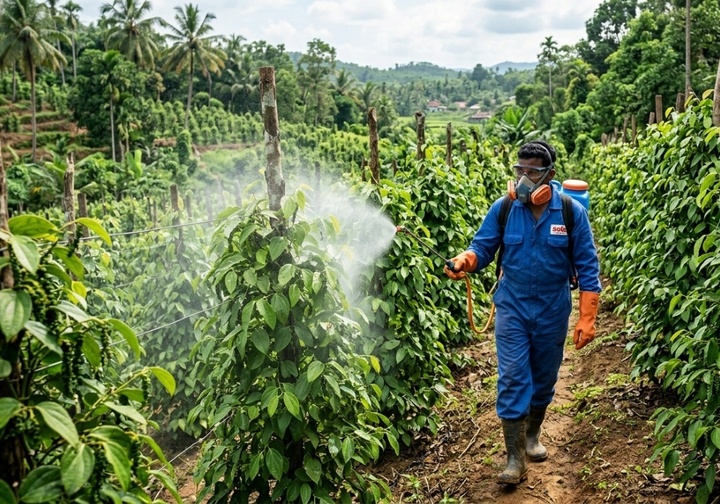
Proper care of pepper plants after harvesting will help extend their lifespan. Photo: CT
Establish a protective barrier against nematodes and fungal diseases.



The early rainy season (immediately after the water stress) is when the soil's microbial ecosystem is most active, including antagonistic fungi and dangerous pathogens. The "sudden death, slow death" disease in pepper plants is mainly caused by the combined action of nematodes (which suck sap and damage the roots) and Fusarium and Phytophthora fungi that invade through those wounds.
Therefore, post-harvest pest management is essential. Instead of overusing chemical pesticides that cause soil compaction, modern agricultural trends recommend the use of biological preparations. Immediately after applying organic fertilizer, thoroughly water with a solution containing the antagonistic fungus Trichoderma and the bacterium Bacillus subtilis. For nematodes, preparations containing the fungi Paecilomyces or Purpureocillium lilacinum can be used. These beneficial microorganisms will multiply their biomass, occupy the living space, and directly destroy harmful fungal hyphae and nematode eggs in the soil.
Post-harvest pepper care is not a single step but a series of logical, mutually supportive technical interventions. Understanding the plant's biological rhythm and patiently working to restore it from the roots is the golden key for farmers to protect their assets, extend the lifespan of their pepper plantations for decades, and enjoy sustainable, bountiful harvests.
According to Vtcnews.vn
Source: https://baoangiang.com.vn/cach-cham-care-cay-ho-tieu-sau-thu-hoach-a489990.html