 |
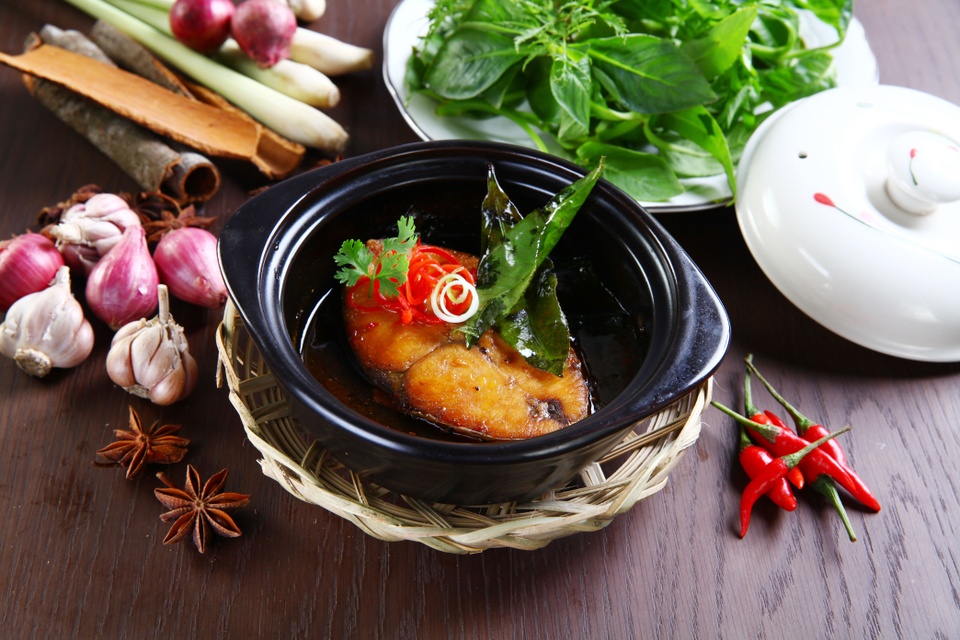
A refreshing dish of mackerel braised in green tea. Photo: An Huynh . |
Omega-3s are essential fatty acids that play a crucial role in protecting cardiovascular health, brain development, and vision. Since the human body cannot synthesize them on its own, we must obtain them through our daily diet.
For pregnant women and young children, Omega-3 (especially DHA) is an indispensable "building block" for the formation of brain cells, the retina, and the overall development of the nervous system in the fetus from within the womb. Adequate supplementation of this nutrient also helps reduce the rate of premature birth in mothers and enhances children's cognitive and learning abilities in their early years.
Fish is a simple, safe, and delicious choice for meals. However, if fish is chosen and prepared incorrectly, consumers risk accumulating heavy metals.
Nutrition expert Chiêm Nhã Hàm (Taiwan, China) says that choosing fish rich in Omega-3 and applying appropriate cooking methods is key to intelligently absorbing nutrients.
Here are four core principles recommended by experts:
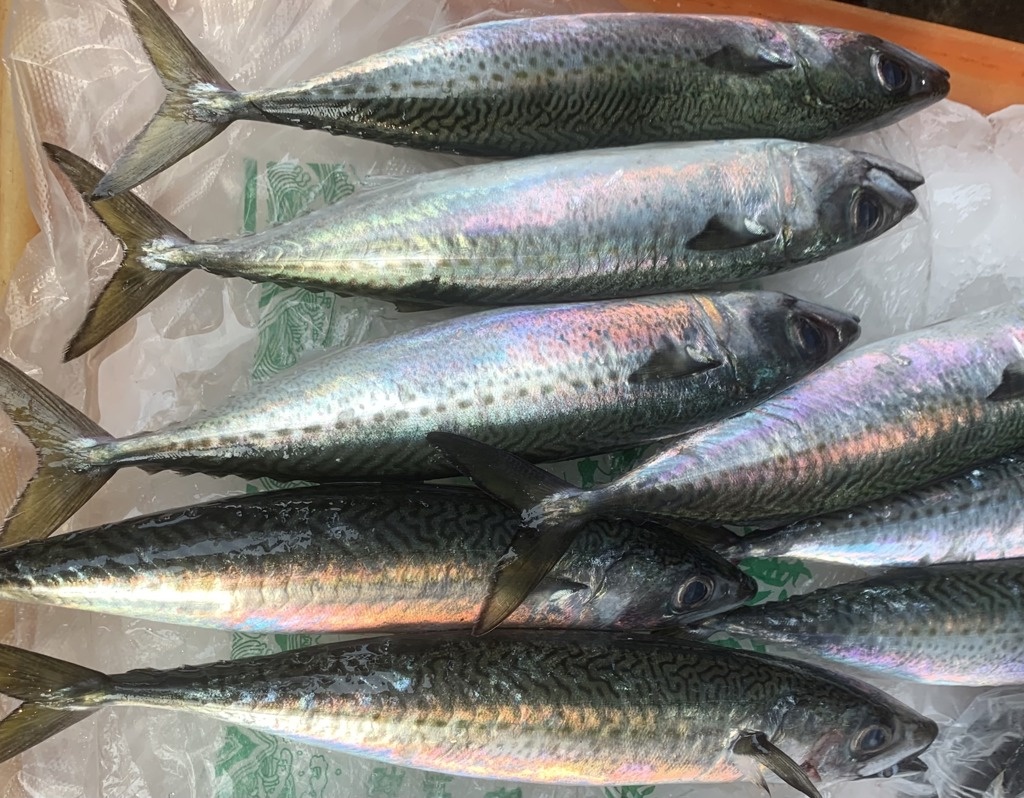 |
Mackerel, saury, anchovies, and salmon are rich sources of Omega-3s. Photo: Hue Phan. |



- Prioritize choosing smaller fish.
Consumers should prioritize smaller-sized fish. Mackerel, saury, anchovies, and salmon are excellent, safe sources of Omega-3s and are easy to prepare for daily meals.
Sharing the same view, Ms. Dam Don Tu, a renowned toxicologist in Taiwan, shared on the Health 2.0 program that she always adheres to the principle of only eating small fish. The reason is that large fish at the top of the food chain often have very high levels of mercury.
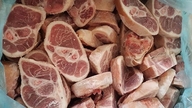
Identifying small fish is simple: the length of the fish is only about the size of a hand, or when placed on a plate, you can see both the head and tail completely.
- Avoid eating fish organs and liver.
Fish livers and internal organs are the easiest places to accumulate heavy metals and environmental toxins. Experts advise people to abandon the habit of eating dishes such as fish liver soup, fried fish offal, etc. These parts need to be thoroughly removed before cooking to avoid poisoning the body.
- Optimal processing method
The best ways to prepare fish are steaming, grilling, or pan-frying with minimal oil. Deep-frying should be avoided. Frying at excessively high temperatures not only increases the amount of unhealthy fats but also destroys the fat structure and significantly reduces the nutritional value of Omega-3 fatty acids.
- Divide your meals into smaller portions throughout the week.
To maintain stable levels of omega-3 fatty acids for good health, everyone should eat fish rich in Omega-3s 1-2 times per week. Each serving should be about 100-120 grams (equivalent to the size of a palm) and should be spread evenly throughout the week instead of eating it all at once.


Source: https://znews.vn/cach-chon-ca-sach-cuc-it-thuy-ngan-post1654294.html
![[Image] Schools organize meetings and introduce teaching models to students admitted to grade 10.](https://vphoto.vietnam.vn/thumb/1200x675/vietnam/resource/IMAGE/2026/06/25/1782368077271_ndo_br_z7970052192242-1ec8daeb77a6eed1a4e9f58c564ddd3e-jpg.webp)

![[Photo] General Secretary and President To Lam receives Palestinian Ambassador Saadi Salama](https://vphoto.vietnam.vn/thumb/1200x675/vietnam/resource/IMAGE/2026/06/25/1782365384740_a1-bnd-9423-8322-jpg.webp)
![[Image] Ho Chi Minh City: Ma Lang area, Chicken-Rice Market about to change its appearance](https://vphoto.vietnam.vn/thumb/1200x675/vietnam/resource/IMAGE/2026/06/25/1782377698627_ndo_br_m1-jpg.webp)