

According to Dr. Nguyen Trong Hung of the National Institute of Nutrition, for adults, calculating BMI is relatively simple once weight and height are known.
BMI is calculated by dividing weight in kilograms by the square of height in meters (BMI = weight (kg) / (height (m))²). A BMI ≥25 is considered overweight, while a BMI ≥30 is considered obese.
We should weigh ourselves at a consistent time, for example, in the morning, right after waking up and before eating or drinking anything. This will minimize errors caused by food and drink, which can affect the accuracy of our weight measurement. When weighing ourselves, we should wear light clothing, avoiding thick clothes or carrying anything like keys or a phone, and not wear shoes or sandals.
Accurate height measurement is achieved when standing with the spine straight. To do this, when measuring height, you need to touch your heels, calves, buttocks, shoulders, and the back of your neck to the wall. Ensuring all nine points of contact, along with your eyes looking straight ahead, will give you the most accurate height measurement.
Measuring the length of children under 2 years old is relatively difficult to do at home. However, if it's not possible to take the child to a medical facility for examination, monitoring their length at home, such as placing the child on a bed, platform, or hard floor, can help parents track their child's growth. This allows them to promptly take the child to a medical facility if they notice the child hasn't grown taller compared to the previous month for 1-2 consecutive months.
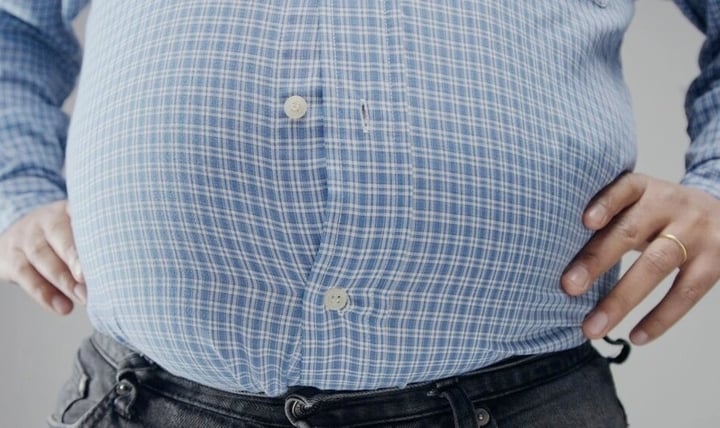
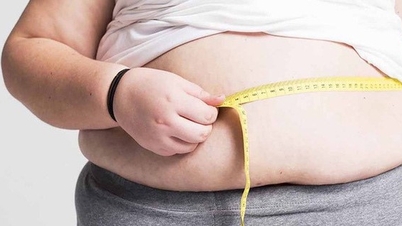
The most easily recognizable sign of being overweight or obese is physical appearance. (Illustrative image)
Signs of being overweight or obese
Body shape: The most easily recognizable sign of overweight or obesity is physical appearance. Children are plumper than normal, with excess fat in their arms and legs. In adolescents, or when charting growth charts, weight increases sharply for 1-3 consecutive months. Adults may also show signs such as a large waist or abdominal circumference, large thighs, and large arms. Body shape can change, such as a pear shape (obesity in the lower body) or an apple shape (obesity in the midsection).
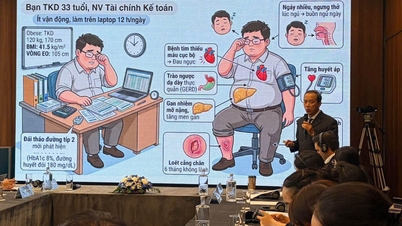
Obese individuals may experience additional symptoms such as difficulty sleeping, shortness of breath, back pain, knee pain, stretch marks, or red, darkened skin in areas like the neck and armpits. Skin folds may become infected, they adapt less well to temperature changes, and they may experience swelling and varicose veins in the lower limbs, excessive sweating, and psychological distress due to changes in body image.
In addition, obese individuals may experience symptoms of dyslipidemia, blood pressure disorders, hypertension, or cardiovascular disorders, and cancer may also present with symptoms of these diseases.
The main cause of overweight and obesity is an imbalance between energy intake (diet) and energy expenditure (physical activity). This condition can also be caused by other factors such as psychosocial factors, genetic variations, endocrine disorders, and side effects of medications. Early detection, diagnosis, and treatment of obesity help prevent complications of the disease.
Several methods to help with weight loss.
Weight loss is the preferred method to support the treatment of obesity and prevent complications. Patients can lose weight by adopting a healthy lifestyle, such as exercising as recommended; children and those under 55 should exercise for 60 minutes per day.
For other age groups, exercise should be done for 30 minutes per day or as recommended by a healthcare professional, while reducing overall calorie intake, controlling the amount of foods high in simple sugars such as cakes, candies, sugary drinks, and fruit juices, and limiting alcohol and fatty foods.
Other recommended weight loss methods include following a Mediterranean diet (increasing consumption of fish, vegetables, fruits, beans, and whole grains), and following a diet recommended by a specialist.
Dr. Nguyen Trong Hung noted that patients should not buy weight-loss drugs on their own without a doctor's prescription, and should not undergo liposuction or invasive surgical weight-loss procedures at facilities not licensed by the Ministry of Health .
Obesity treatment should follow scientific protocols, with assessments and studies on safety and effectiveness. Everyone should prevent overweight and obesity through a healthy lifestyle and a balanced daily intake and consumption of energy.
You need to eat a healthy diet, reduce foods high in fat and simple sugars, and avoid beer and alcohol. You also need to maintain regular exercise to improve your health, lose weight, and have a healthier mind. Getting enough sleep and reducing stress can also help prevent overweight and obesity.
Patients can visit medical facilities with experienced weight loss specialists and doctors to receive appropriate and safe solutions that are beneficial to their health, without causing fatigue or exhaustion.
Source: https://vtcnews.vn/cach-nhan-biet-thua-can-ar907953.html



![[Photo] Tran Cam Tu, Standing Member of the Secretariat of the Central Committee, presides over the first meeting of the Central Steering Committee on the Development of Vietnamese Culture.](https://vphoto.vietnam.vn/thumb/1200x675/vietnam/resource/IMAGE/2026/03/19/1773895004549_ndo-br-bnd-1195-2-jpg.webp)






















![[Photo] The General Secretary and the Prime Minister attend the groundbreaking ceremony for multiple-level boarding schools in border areas.](https://vphoto.vietnam.vn/thumb/1200x675/vietnam/resource/IMAGE/2026/03/19/1773888999705_vna-potal-tong-bi-thu-va-thu-tuong-du-le-khoi-cong-dong-tho-dong-loat-cac-truong-noi-tru-lien-cap-bien-gioi-8649904-3885-jpg.webp)



































































Comment (0)