|
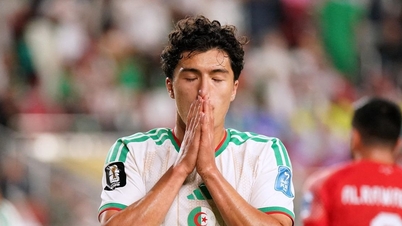
The 2026 World Cup is gradually becoming a privilege of the elite. Photo: Reuters . |
The 2026 FIFA World Cup is seeing record-breaking cost overruns. The combination of expensive infrastructure in North America and FIFA's profit-maximizing business models is putting immense financial pressure on fans worldwide.
Many fans from developing countries have to sacrifice their entire fortunes to follow their national team. From fluctuating ticket prices to travel costs, the World Cup is gradually transforming from a mass sporting event into a privilege of the elite.
The 2026 World Cup will be unprecedentedly expensive.
The World Cup, held across three North American countries, is setting unprecedented financial milestones. According to data from Business Insider , the International Football Federation (FIFA) expects to achieve record total revenue of up to $13 billion from the tournament.
The core reason is the application of dynamic pricing in the North American market. Ticket prices are not fixed but automatically increase based on demand. For example, first-class tickets for the final initially went on sale for around $6,400 , but the system automatically raised them to $11,000 in the final stages.
The ticket resale market is also regulated to maximize profits. FIFA operates its own transaction system and charges a service fee of up to 15% from both buyers and sellers for each successful transaction. By April, the average resale price of tickets reached $1,600 .
 |
A fan would have to spend more than $30,000 to follow their favorite team to the World Cup final. Photo: Reuters. |
Travel and accommodation costs in the host cities are also a significant burden. Experts estimate that an Argentinian fan flying from Buenos Aires to Dallas just to watch a group stage match would have to spend at least $3,361 . This amount includes round-trip airfare, the original price of the match ticket, and two nights in a 3-star hotel.

It is estimated that a fan would have to spend over $10,000 just to watch the group stage. If they are determined to follow the team all the way to the final, the total cost would be pushed up to over $30,000 .
Local public transportation systems also joined the wave of price increases. In Boston, round-trip train tickets to Gillette Stadium surged from $20 to $80 on game day. Similarly, in New Jersey, round-trip train tickets to MetLife Stadium were pushed up from $13 to $98 . This is clear evidence of exploiting tourists for profit.
Spending twice a year's salary to watch the World Cup.
The widening gap between rich and poor and the financial barriers are evident in The Guardian 's research at the New York New Jersey stadium. Morocco's average annual per capita income is below $7,400 .
However, to travel to the US to support their team, many fans have to spend an amount equivalent to one to two years' average income in that country. This creates a major paradox between passion for sports and the economic realities of life.
Surveys reveal that the stands at this year's tournament are primarily filled with the elite. Only those with substantial assets or very successful businesses in Morocco can afford the trip.
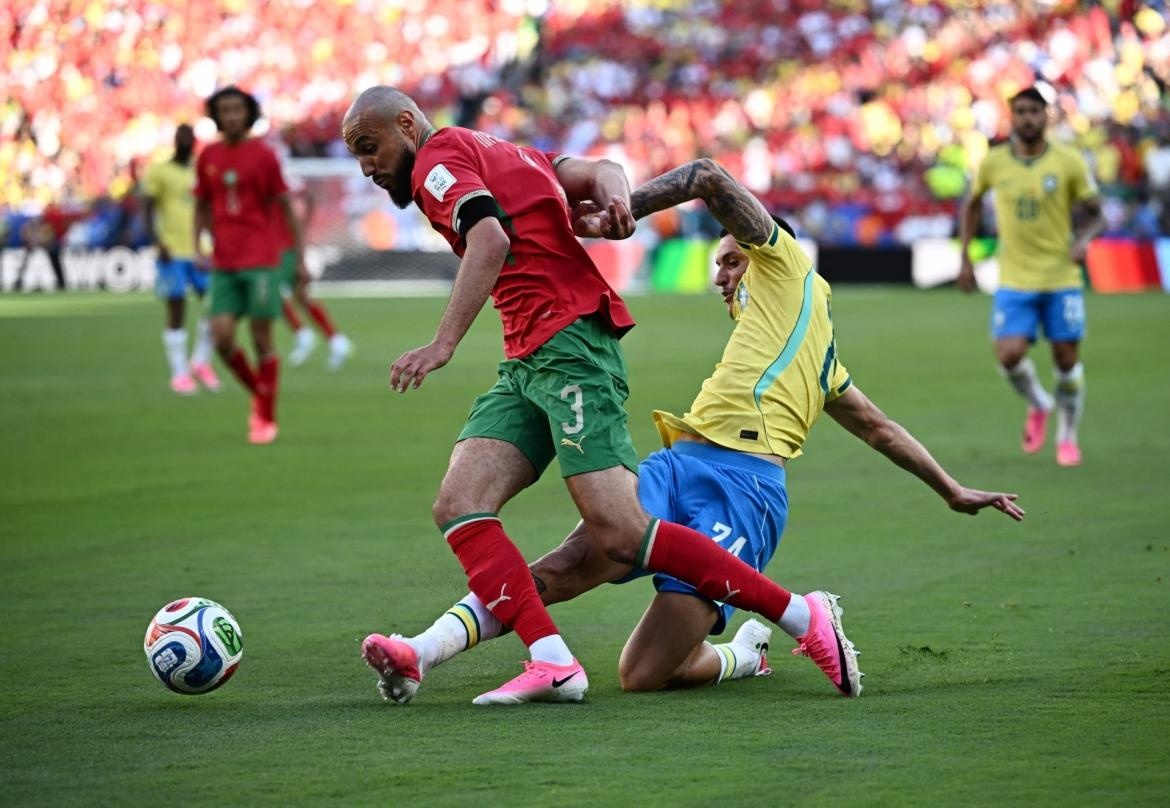 |
Moroccan fans have to spend twice their average annual salary to support their national team. Photo: Reuters. |
Kamal Ait El Hadj, a 47-year-old villa builder, spent $5,000 on his trip to watch the opening game. Notably, this only covered travel and living expenses, as his ticket was given away for free. He plans to spend at least another $5,000 if he returns to the US for the next round.
"The cost was a huge challenge, but our love of football motivated us to overcome this obstacle," Kamal Ait El Hadj told The Guardian.
Another case is Houssam Jeboni, 33, a wholesale fish dealer. He spent approximately $6,000 following the team throughout their three group stage matches in different cities.
For a family that owns a large gas station, they would have to spend at least $15,000 for three members to watch the entire group stage. This reality reflects how following the national team at the World Cup has become a luxury only for the wealthy.



Working-class fans are completely excluded from the stands due to the enormous financial barrier. This is causing football to gradually lose its identity as a sport for the masses.
Source: https://znews.vn/cai-gia-phai-tra-khi-xem-world-cup-post1662801.html
![[Photo] "Hanoi Lotus Festival" honors the lotus flower that has been associated with Vietnam for thousands of years.](https://vphoto.vietnam.vn/thumb/1200x675/vietnam/resource/IMAGE/2026/06/27/1782516943048_sen-ha-noi-2026-minh-duy-1-jpg.webp)