

Our conversations with several curators will help to paint a picture of the current state of art curation in Vietnam.
Artist Nguyen Nhu Huy:
Young people are making a huge contribution.
Currently, Vietnamese art, including creative work, curation, artists, the public, and exhibition activities, has developed very strongly. Many excellent young curators have emerged, who have the advantage of studying abroad and having good relationships with curators in the region – something that earlier curators like Mr. Tran Luong or myself did not have.
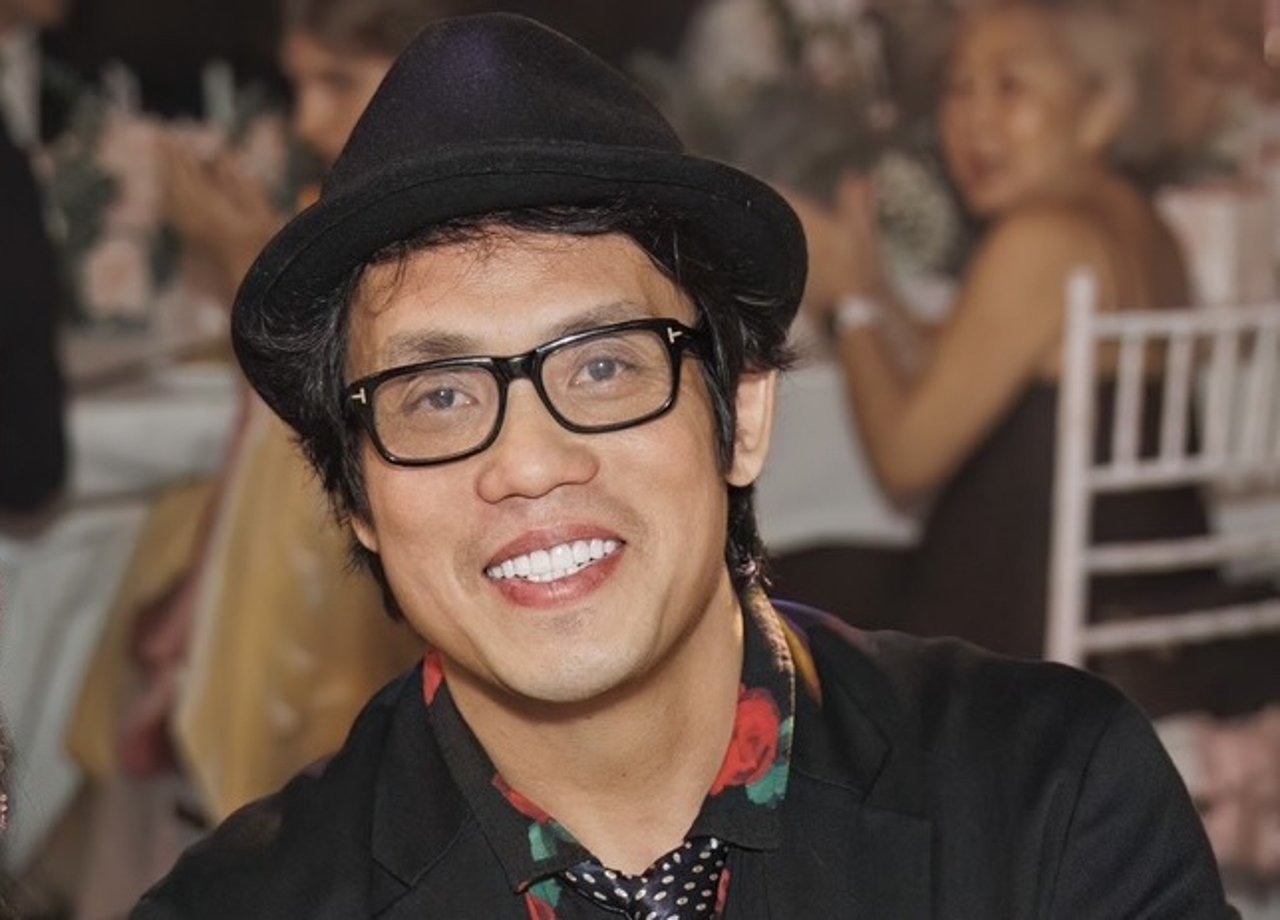
Artist Nguyen Nhu Huy.
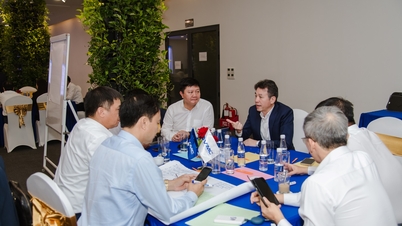
In the early days, we had to create our own art events and find our own audience. Now, art spaces are more open, and there are more accessible connections with the public… This creates favorable conditions for curatorial practice that were impossible in the beginning. For example, recently, young people organized a workshop on curatorial work, attracting both early-stage and young curators – something we couldn't have done five or seven years ago. Along with that, while art centers haven't yet flourished, there are clearly more job opportunities, and curators earn higher salaries from these centers.
It's encouraging that we now have young curators who can operate on a global scale, with some being invited to curate major international art events. In the field of visual arts alone, contemporary Vietnamese artists have participated in major and important art festivals such as Documenta and the Venice Biennale. I highly appreciate the current curators in Vietnam. They have a legacy and are making significant and important contributions to both contemporary and traditional art.
Ms. Le Thuan Uyen (Art Director of The Outpost Art Center):
Each curator has their own unique style.
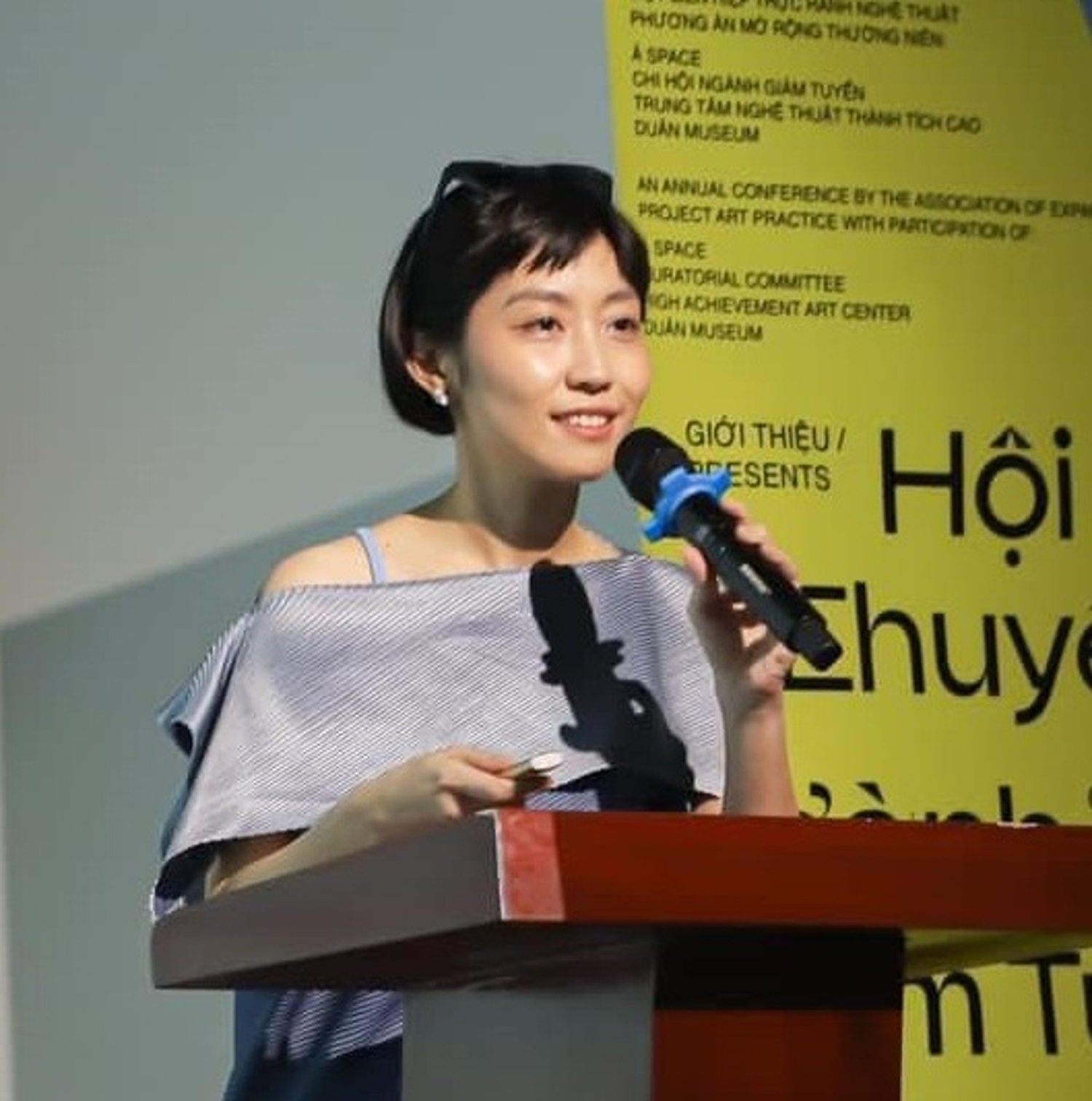
Ms. Le Thuan Uyen (Art Director of The Outpost Art Center).
By 2024, curators from later generations, such as Nguyen Anh Tuan, Bill Nguyen, Van Do, and Do Tuong Linh, have accumulated more experience and a clearer understanding of their respective fields. While standards are still lacking, compared to 10 years ago, there is clearly greater diversity in professional perspectives and individual aesthetic approaches.
The groups of artists themselves encompass diverse age groups, interests, and artistic approaches… each curator will have a different approach to working with these groups of artists, thus developing their own personal style. Some are inclined towards research and writing, others towards exhibitions, and still others towards archiving…
For example, Nguyen Anh Tuan is always deeply concerned with archiving and residency projects; Linh Le in Ho Chi Minh City is interested in writing and research; Van Do is interested in the possibilities of exhibitions in different spaces, while I am interested in figures who deviate from mainstream discourse and see exhibitions as a way to expand the audience for art. Or Tran Luong is interested in providing platforms and stimulating artists to expand their creative boundaries…
Each curator has their own practice, so it can be said that the curatorial style in this period is more open. Ten years ago, when I started my career, there were very few points of reference, only a couple of people. But today, if a young person were in my position ten years ago, they would clearly have many more advantages. Before a formal training system was in place, having many predecessors to look to, learn from, observe, and draw conclusions from was incredibly beneficial.
However, up to this point, curators still face many challenges. In reality, the work of a curator is complex and involves many琐碎 details, which I would call "the mundane." This often leads to two misconceptions: firstly, that a curator is simply an organizer, and secondly, that the curatorial work is very imaginative and full of artistic ideas. In fact, curators have a mountain of tedious work, often involving administration, social surveys, or purely technical tasks.
Personally, I believe that to overcome the monotony of the job, curators need to be aware of what they are doing and why they are doing it. If they simply go through the motions, just filling a space, they will be criticized by the audience, complained about by artists, or the exhibition will be poorly attended, which can easily lead to discouragement.
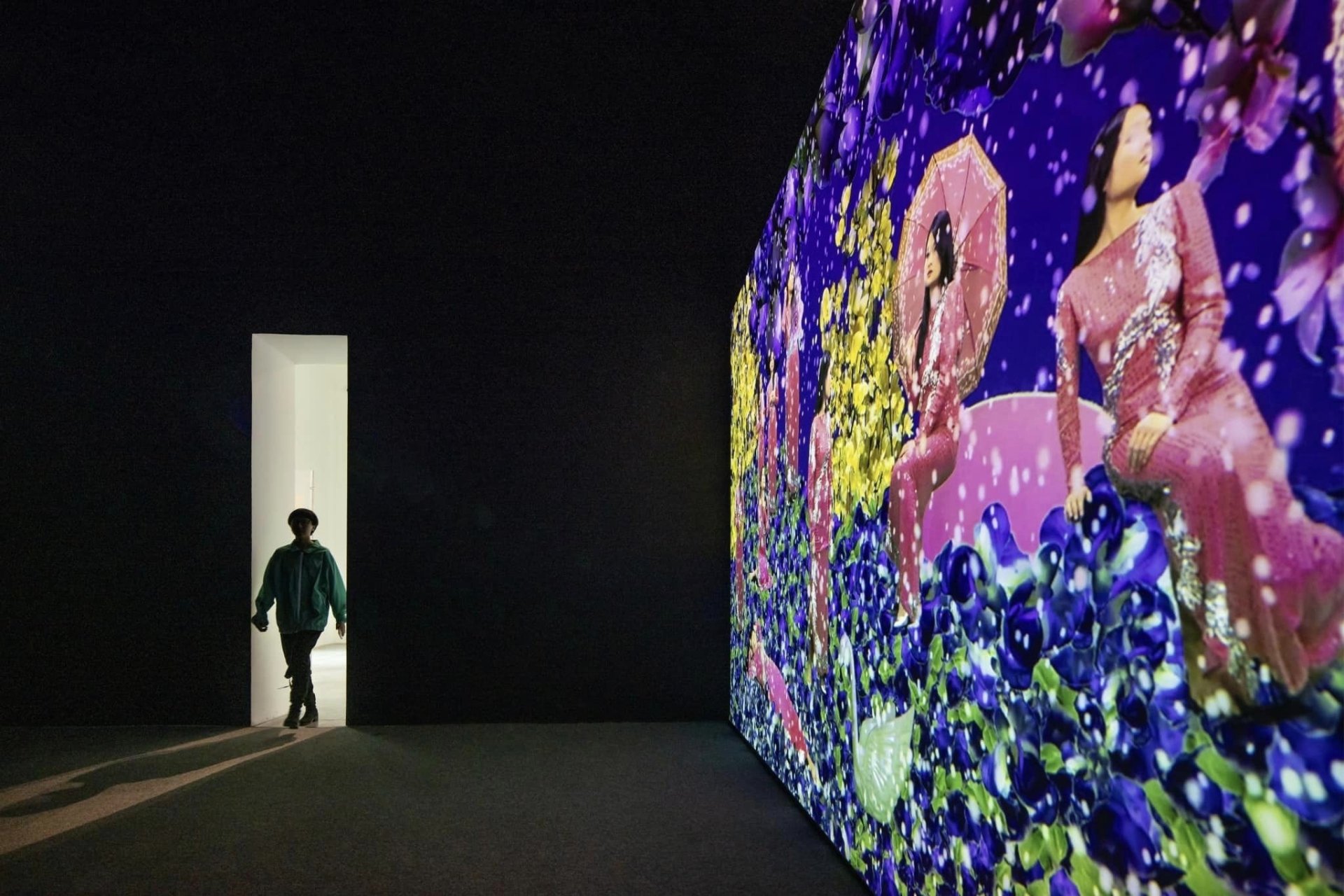
The exhibition “Alice in the Time Tunnel” (Becoming Alice: Through the Metal Tunnel) at The Outpost Art Center.
For example, even though the space at The Outpost is familiar, each time I organize an exhibition there, it's a challenge, a new experience in handling the space, almost like having to relearn how to handle the artwork's materials. There are also artists I worked with five years ago, whom I thought I knew well, but now I discover new aspects of them… Therefore, curatorial work also brings inspiration, because I always see the world in a broad, open-minded way…
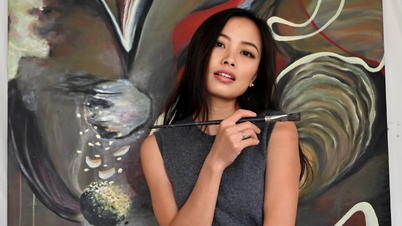
Ms. Van Do - Art Director of A Space:
Curators create opportunities for young people to be creative.
I've only been involved in curatorial work for five years, which is relatively young compared to others in the field. Currently, we have several advantages, the most notable being the growing support from the art community for curatorial work. However, curatorial work for contemporary art exhibitions hasn't yet been standardized into formulas, leaving many gaps for creativity.
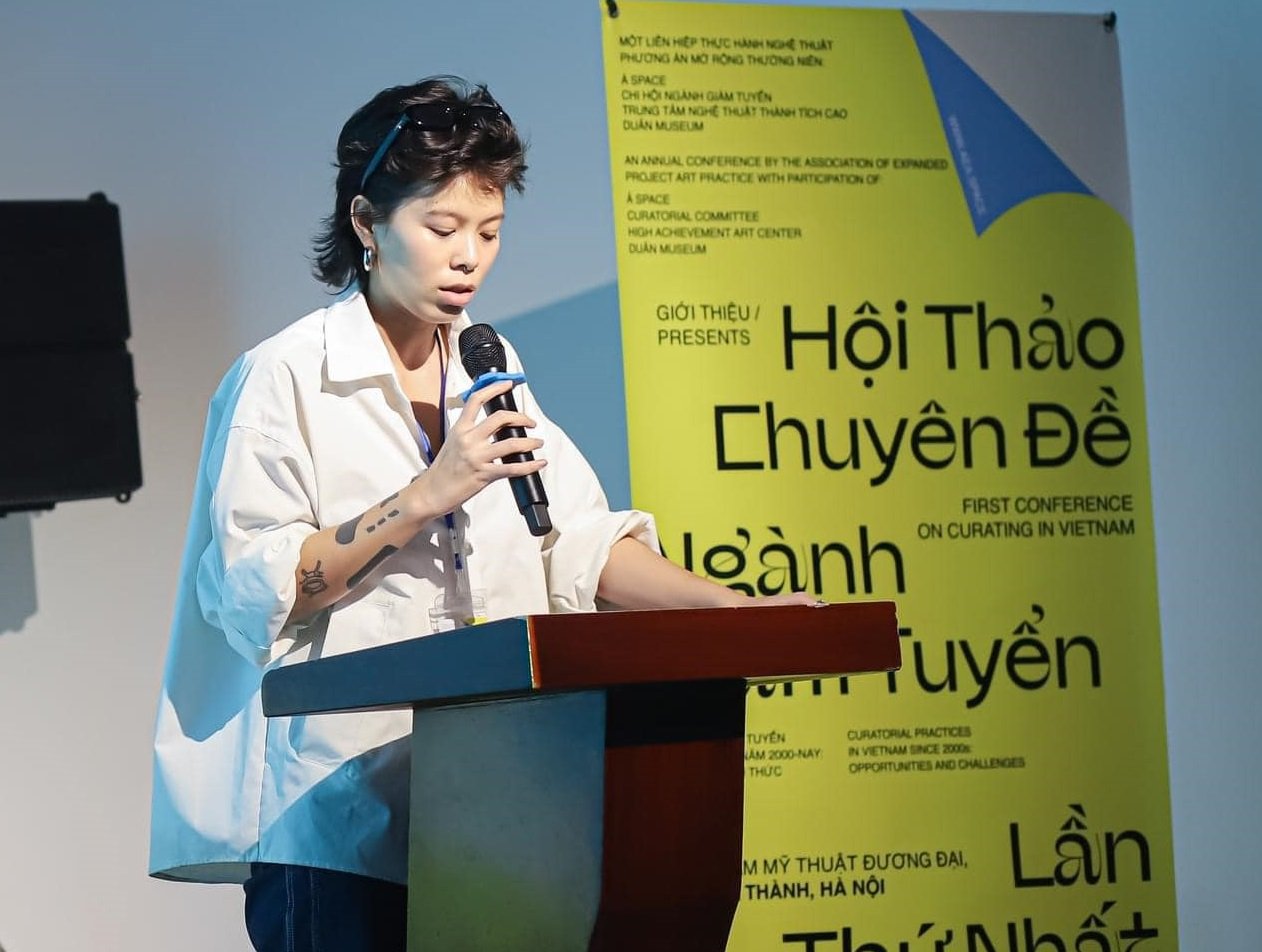
Ms. Van Do - Art Director of A Space.
Curators can define their own roles; whether to "expand," "enlarge," or "narrow" their work is entirely up to them, as there are no rigid, fixed models to follow. I think in the future, curation will be an attractive profession, especially for young people, because it always demands many skills and knowledge, and always provides opportunities for them to be creative and to surpass themselves.
However, the difficulties we face are also common to the art world: a lack of financial support; legal obstacles at times; and the concepts of "contemporary art" or "curatorship" are still relatively new, even for regulatory bodies. And what makes curatorship less attractive to young people today is that it's unlikely to provide a good income for those working in the field.
Mr. Nguyen Anh Tuan - Art Director of Heritage Space:
Curiosity practices are beginning to be taken seriously.
Curating is a highly "powerful" profession that demands a vast array of knowledge and skills, as well as a significant amount of time to establish oneself and gain recognition from the community as a qualified curator. Therefore, while there are many curatorial practices in the country today, very few pursue curatorial work professionally.
However, the number of curators has increased significantly. At a recent curatorial workshop held at The Outpost Art Center, curator Vu Duc Toan shared that back in 2005, when he applied to write a thesis on curatorial work in Vietnam, his professors "refused to let him," because at that time, the only research subject was Tran Luong.
But by 2024, at this conference, although not all participants had joined, there were already more than 20 people. This clearly shows development, even though this is a relatively new professional field, and more importantly, there has been a change in perception and diversity in curatorial practice.
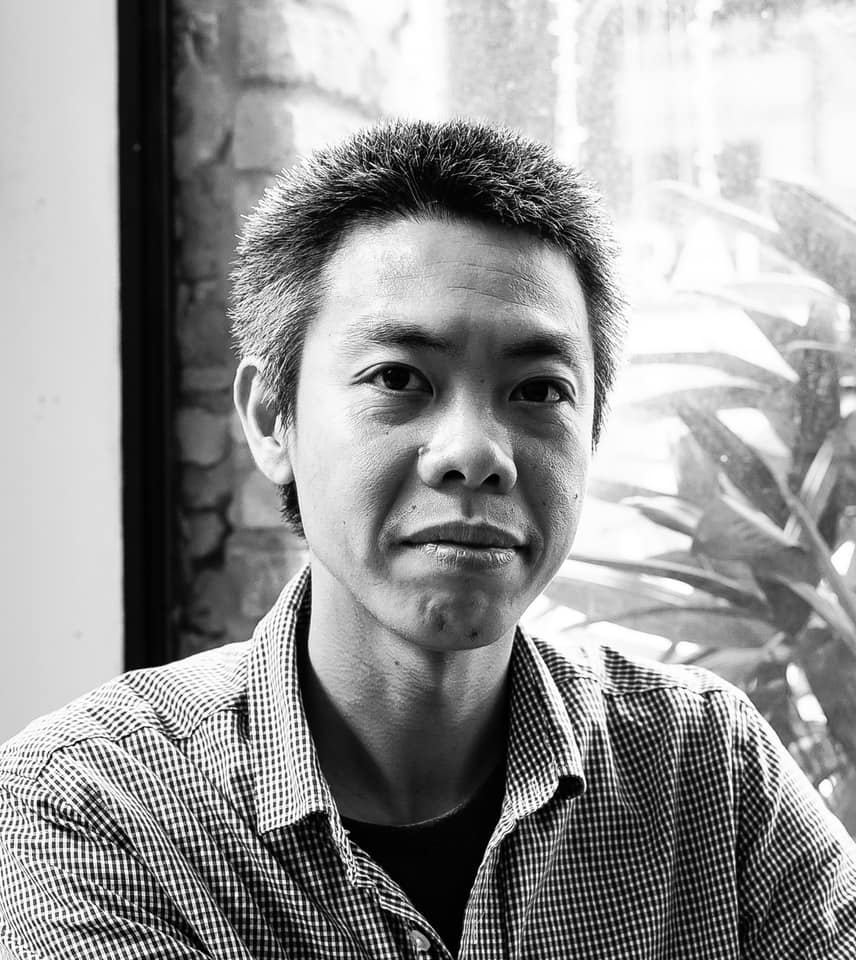
Mr. Nguyen Anh Tuan - Art Director of Heritage Space.
One positive development is that in the last five years, many young people have begun to take an interest in and seriously consider working as curators. A new and quite prominent generation of curators has emerged, some of whom have worked in the largest arts institutions in the region and around the world; others have undergone training in internationally standardized programs.
The common characteristics of this generation are that they are young, have a good foundation in foreign languages, have already formed their own artistic views, and are the most active. Following them is an even younger generation, around 25 years old. These young people were born in developed countries, received their education abroad, and then returned to Vietnam to work. They possess a unique blend and fusion of Eastern and Western cultures.
As for society, curatorial practices are beginning to gain respect, and the names of individuals pursuing this work are starting to appear seriously and regularly in the mass media, leaving a mark on public awareness. Curation is a profession that is gradually becoming integrated into the functioning of society, and its development potential remains incredibly rich in Vietnam.
Mr. Nguyen The Son - Lecturer at the School of Interdisciplinary Sciences and Arts (Vietnam National University, Hanoi):
Artistic practice goes hand in hand with education and training.
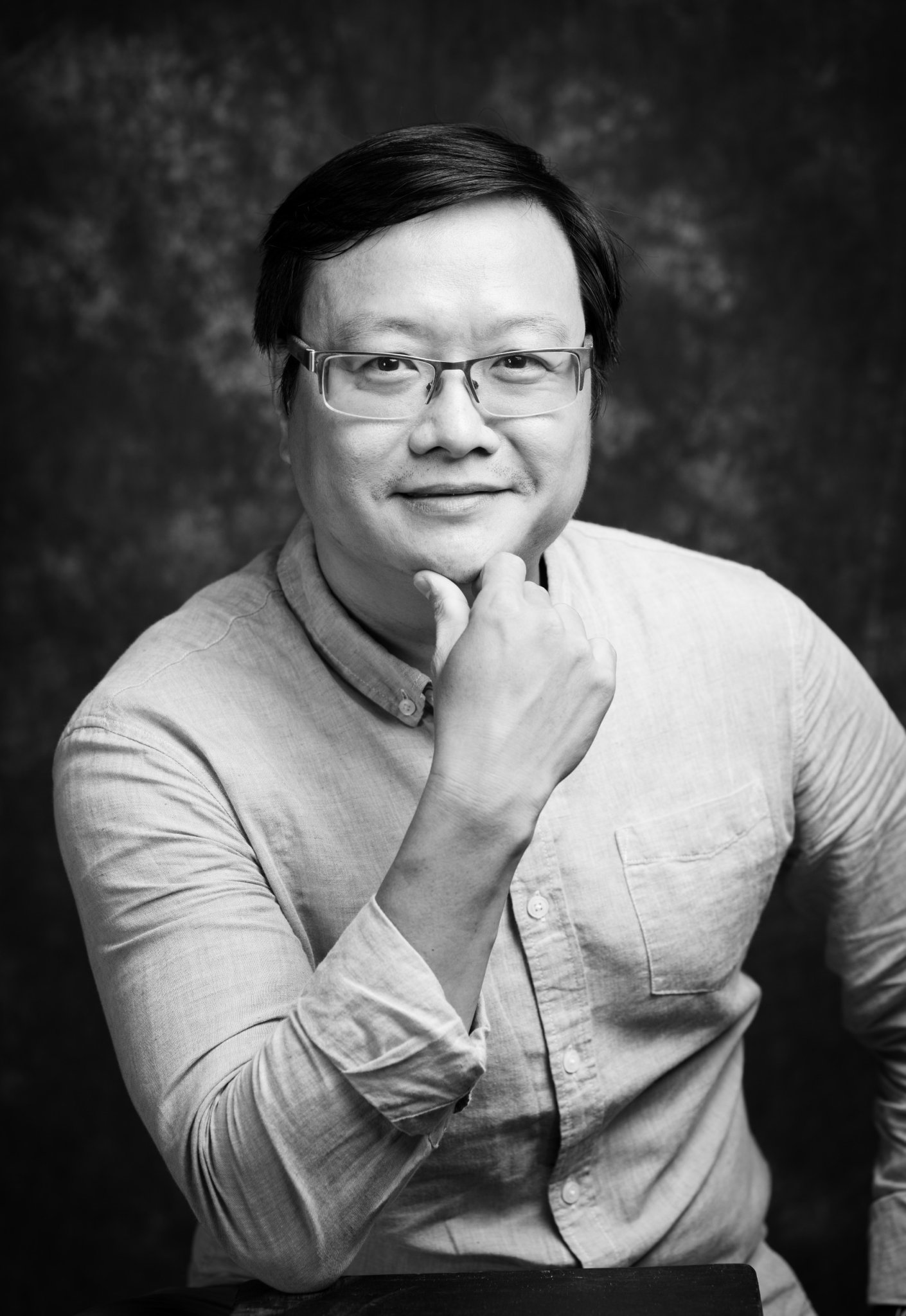
Mr. Nguyen The Son - Lecturer at the School of Interdisciplinary Sciences and Arts (Vietnam National University, Hanoi).
I myself am not a professionally trained curator, however, I did spend time studying for my Master's degree at the Central Academy of Fine Arts in China. There, the environment and training in contemporary art were relatively systematic. Regarding curators, the Chinese don't use the term "curator" but rather call them "exhibition strategists" (people who plan strategies for exhibitions).
During my four years at the Central Academy of Fine Arts in China, I witnessed professors and lecturers mentoring and curating their own graduate and undergraduate students. Upon returning to China and teaching, I observed that many graduates abandon their careers, one of the main reasons being the lack of professional curators. In my opinion, if students receive guidance from their lecturers, have opportunities to exhibit and practice at art events from an early age, they could potentially build successful careers later on.
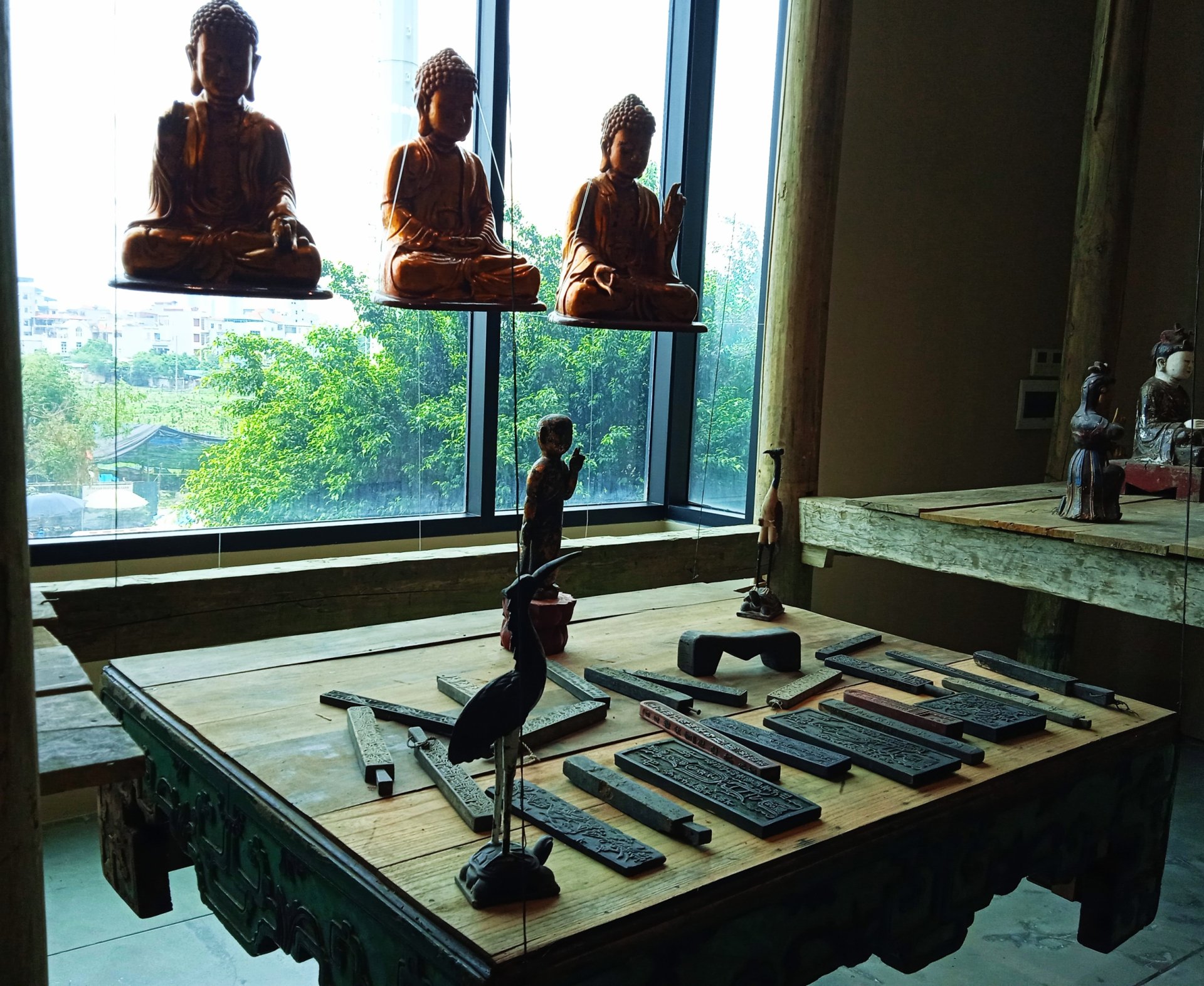
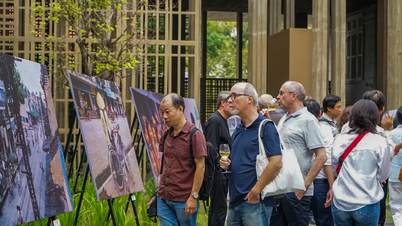
A corner of the exhibition "The Barrier Breaker, the Rebel, and the Eccentric" at The Outpost Art Center.
Therefore, in the last 4-5 years, I have started combining school assignments with specific social projects. These projects all have one thing in common: they don't just pick successful artists who already have works to put on an exhibition.
My approach is to support them from scratch, from having nothing. Through guidance, training, or workshop projects lasting from one to five to six months, the result of the project is an exhibition. Alternatively, I mentor disadvantaged groups in NGOs for about two months, then curate those same workshops. My curatorial work is often intertwined with this kind of guidance and training, which is somewhat different from the work of other curators.
Khanh Ngoc (Editor)
Source: https://www.congluan.vn/cai-nhin-cua-nguoi-trong-cuoc-post299940.html



























































Comment (0)