Sir, could you please tell us about the extent of damage caused by natural disasters in Lam Dong province from the beginning of 2026 to the present?

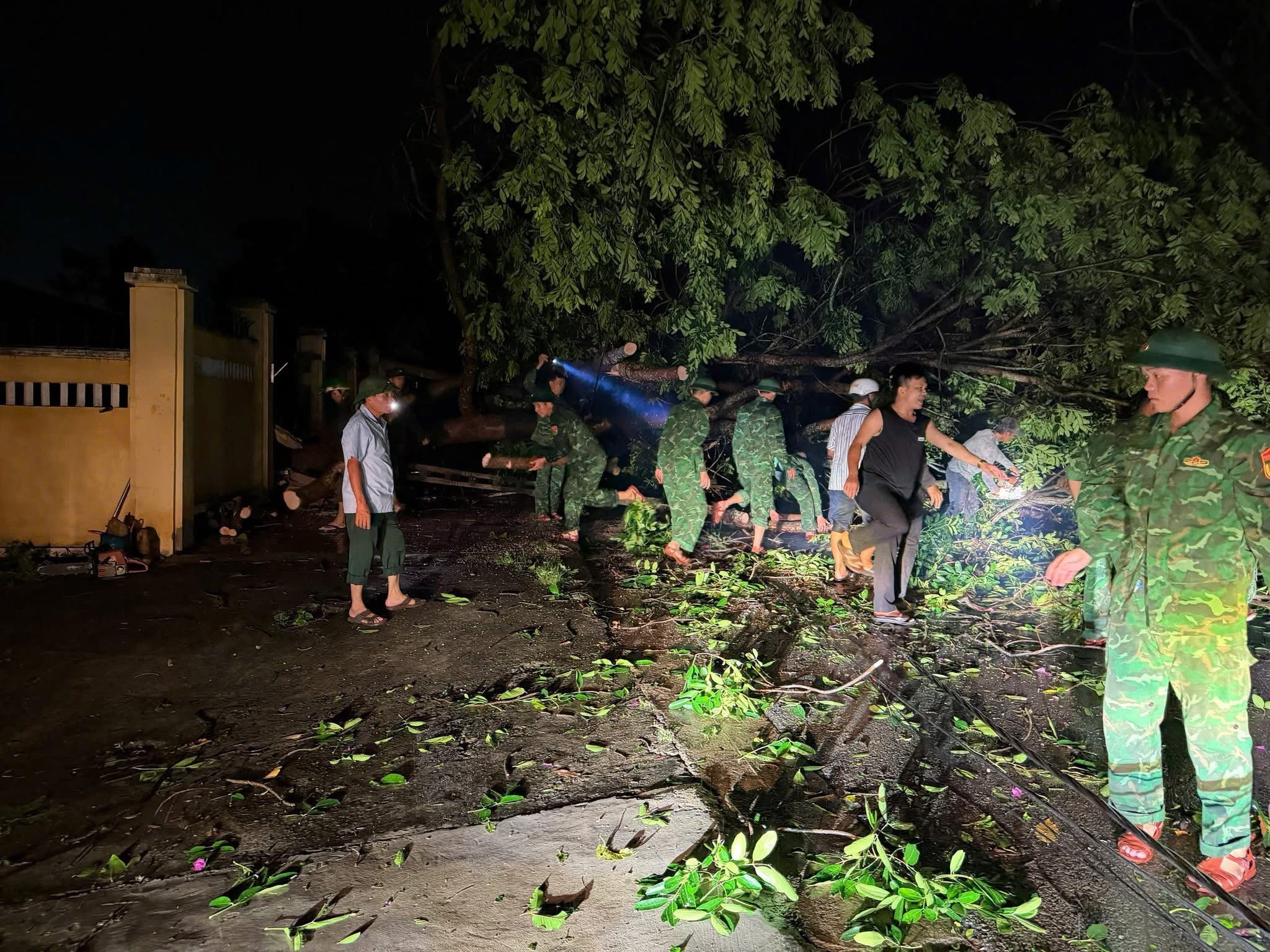
Mr. Nguyen Van Huynh: Currently, although it is only the beginning of the rainy season, there have already been losses of life and property. According to the Provincial Civil Defense Command, from June 17th to 23rd alone, Lam Dong experienced two periods of rain accompanied by thunderstorms and tornadoes. This affected many localities such as Nam Thanh, Don Duong, Ham Thang, Phu Thuy, Binh Thuan... As a result, 2 people were injured; 59 houses had their roofs blown off, and 3 fishing boats sank... with estimated damages exceeding 3.5 billion VND. From the beginning of 2026 to date, natural disasters in the province have caused estimated damages of nearly 37 billion VND.
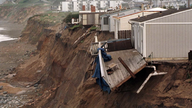
Notably, common natural disasters include strong winds at sea causing erosion and landslides along the coast, threatening coastal communities and infrastructure. Heatwaves and droughts from March to mid-May cause water shortages in areas with little rainfall and no irrigation systems. The 2026 rainy season in Lam Dong province will begin around mid-May. This period will see more frequent thunderstorms, accompanied by tornadoes, lightning, localized heavy rain, and hail.
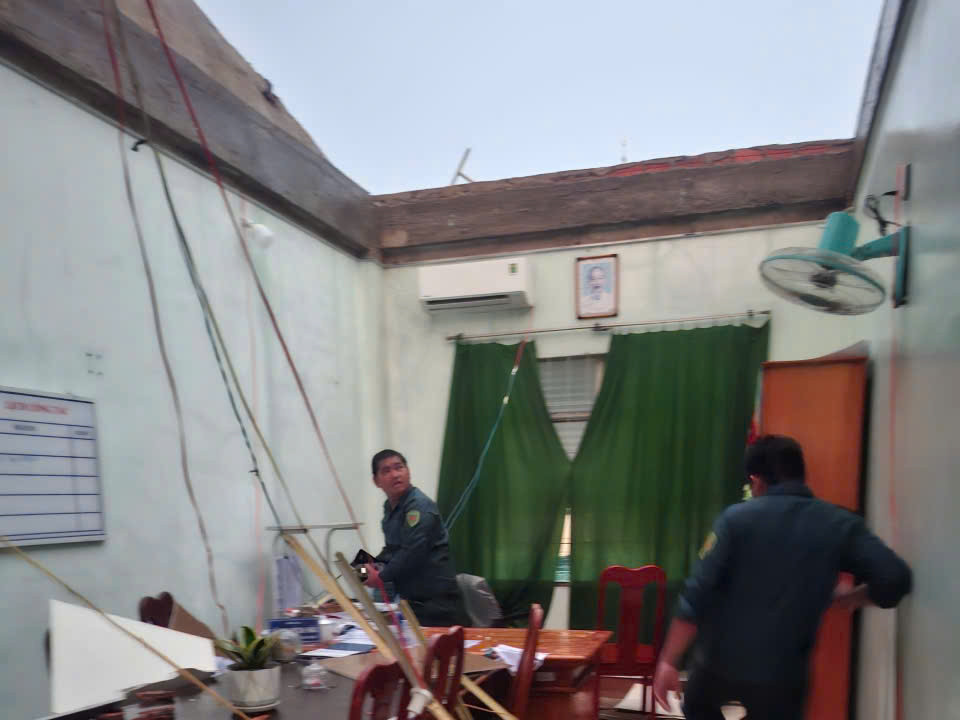
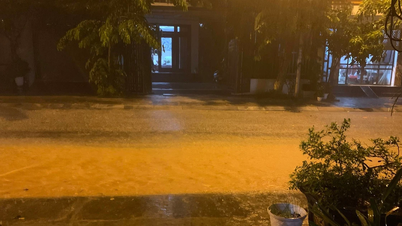
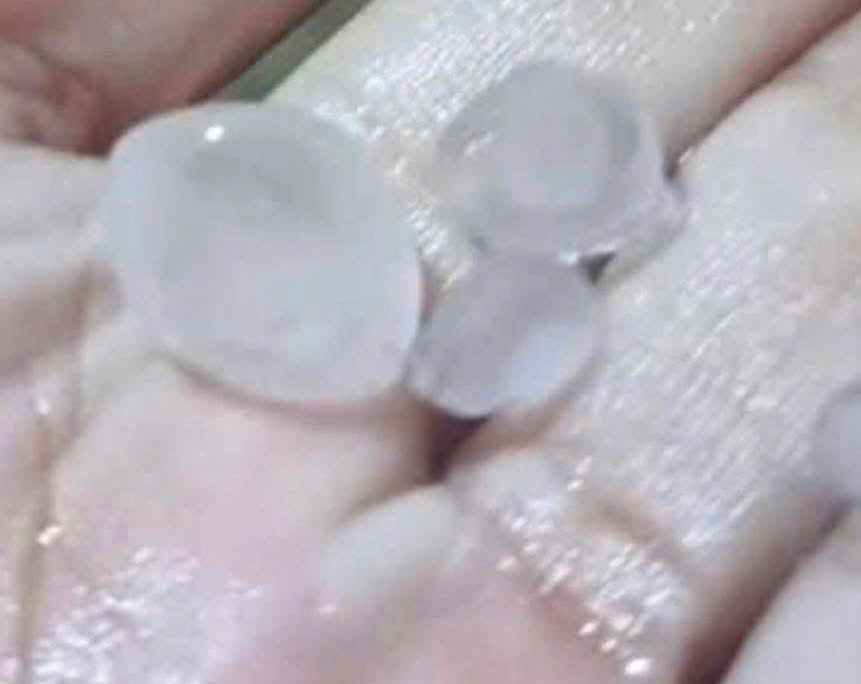
On the evening of June 22nd, heavy rain accompanied by tornadoes, lightning strikes, and hailstorms occurred in several communes and wards in the southeastern part of the province. According to reports, this was the first time hailstorms had occurred in this area. Could you please explain the sequence of events and the causes of these occurrences?
Mr. Nguyen Van Huynh:
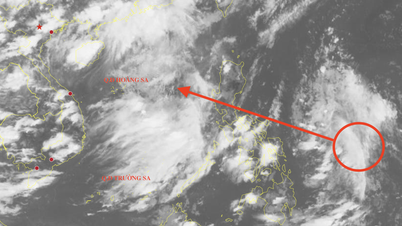
On June 22nd, many areas in the province experienced showers and thunderstorms, with some places receiving heavy rain, such as Song Luy, Tuy Phong, and Phan Thiet. Statistics from meteorological stations in the province show that 7 out of 10 stations recorded thunderstorms, accompanied by lightning, tornadoes, hail, and strong gusts of wind. The cause of this phenomenon is believed to be the interaction of the far southeastern edge of a hot low-pressure area in the West and the humid southwest monsoon, causing atmospheric disturbance.


Furthermore, the weakening of the subtropical high-pressure system, as well as the warming of the subsurface during periods of continuous sunshine, has significantly contributed to the formation and development of convective cloud systems. These strongly developed convective cloud systems give rise to extreme weather phenomena such as lightning, tornadoes, hailstorms, and strong gusts of wind in several communes and wards in the southeastern part of the province, including Ham Thang, Phu Thuy, Phan Thiet, Luong Son, and other areas within the province.
Hailstorms are generally less likely to occur than other phenomena. Lightning, tornadoes, and strong winds are consequences of convection, while hailstorms require the simultaneous convergence of multiple physical factors. The southeastern part of the province has a dry climate, making hail formation more difficult than in other areas. The damage from the natural disaster on the afternoon of June 22nd was mainly caused by heavy rain, tornadoes, and strong winds. The hailstorm, due to its small size and limited area, caused less damage.
Although the Lam Dong Meteorological and Hydrological Station has regularly monitored weather developments and issued warnings about dangerous weather, extreme weather phenomena occur very quickly and intensely, causing regrettable damage.
Could you please tell us about the weather trends in the province in general and southeastern Lam Dong in particular from now until the end of the year, especially during the peak of the rainy and stormy season? Also, what solutions and recommendations do the relevant authorities have for localities and residents to minimize damage caused by natural disasters?
Mr. Nguyen Van Huynh:
The El Niño phenomenon officially formed in June 2026 with a relatively rapid rate of development. This El Niño cycle is considered very special as it coincides with the global warming trend. Therefore, it has the potential to become one of the strongest El Niño events in history since 1950.
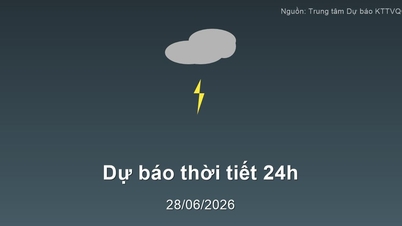
Lam Dong province is currently in its main rainy season. Forecasts indicate that total rainfall from now until the end of the year may be lower than the multi-year average, but the frequency of extreme rainfall events (heavy rain in a short period) is expected to increase. Temperatures are also expected to be higher than the multi-year average. Dangerous weather phenomena such as lightning, tornadoes, and strong winds are also increasing in intensity and scope. In particular, other natural disasters such as floods, flash floods, and landslides are also likely to occur. The rainfall deficit could lead to drought and water shortages during the following dry season.



Therefore, disaster prevention and control requires coordination between forecasting, early preparation, effective collaboration, and timely action from both the government and the people. To minimize damage caused by natural disasters, the meteorological and hydrological sector is gradually improving the quality of forecasts, early warnings, and timely and accurate communication to the government and the people. In addition, one of the important measures in localities is to review dangerous areas, prepare forces, equipment, supplies, and effectively implement the "four on-the-spot" principle. For the people, it is necessary to regularly monitor warning information, prepare essential supplies, reinforce houses, follow evacuation instructions, and absolutely not be complacent in the face of extreme weather phenomena. Close coordination between specialized sectors, the government, and the people will contribute to minimizing damage to people and property.
Thank you for this conversation!
Source: https://baolamdong.vn/can-trong-voi-thoi-tiet-cuc-doan-449973.html


































































![[INFOGRAPHICS] Can Tho implements the Strategy for Ethnic Affairs until 2030, with a vision to 2045](https://vphoto.vietnam.vn/thumb/402x226/vietnam/resource/IMAGE/2026/06/28/1782658308447_1782658217.webp)