

Hormonal changes during stress can cause the oil glands to become overactive, increasing sebum production and leading to acne.
Stress and acne have a two-way relationship. Stress can worsen acne, while acne breakouts can negatively impact emotions. According to the American Academy of Dermatology (AAD), stress causes the body to produce more androgen hormones, stimulating oil glands and hair follicles, leading to acne. This psychological state can also increase cortisol levels, exacerbating acne.
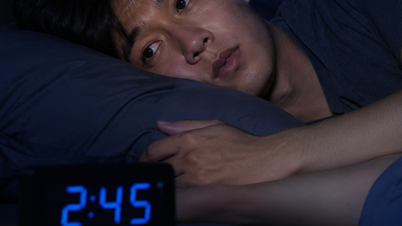
Researchers at the University of Pittsburgh Medical Center in the US suggest that people under stress tend to resort to bad habits such as eating junk food, not getting enough sleep, and being inactive, which can worsen their skin condition.
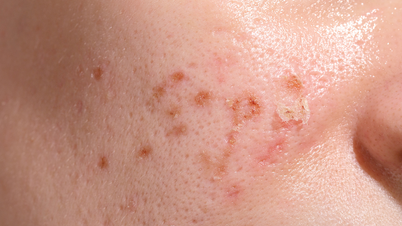
The body's stress response can affect the skin's protective barrier function, its ability to heal, and increase the risk of skin infections. Excessive scratching worsens inflammation, causing scarring or hyperpigmentation in darker areas.
Acne can occur at any age, but is most common in teenagers. It can also begin or continue into adulthood. Acne is more common in women than men due to hormonal changes during menstruation, pregnancy, or menopause.
Anyone experiencing stress can develop acne. A 2017 study of 144 female medical students, aged 22-24, at King Abdulaziz University in Saudi Arabia showed that those with higher stress levels had more severe acne. However, the mechanisms by which stress causes acne still require further research.
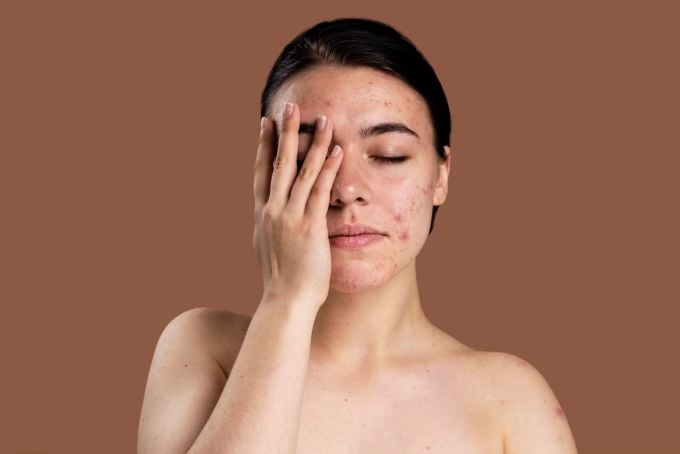
Acne breakouts can occur on the forehead, face, and chest. (Image: Freepik)
Some types of acne are caused by stress, such as milia, blackheads, papules, pustules, and cystic acne. Acne can appear on areas such as the forehead, face, chest, back, and shoulders. Stress can slow down acne healing, prolonging the condition and making it more severe.
To treat acne, doctors may prescribe oral or topical medications. Hormone therapy may be used to block the effects of androgen hormones on the sebaceous glands, often used for women. If this is ineffective, doctors may consider other treatments such as laser therapy, light therapy, or surgery to treat scarring.
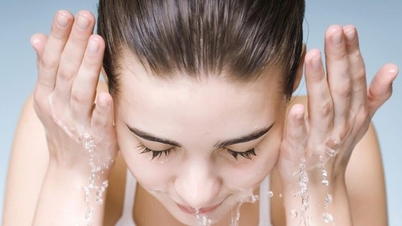
People prone to acne should gently cleanse their skin with a facial cleanser in the morning, evening, and after exercise. Use a mild product and rinse with warm water. Avoid touching, rubbing, or squeezing pimples. Use sunscreen when going outside, as some acne medications can make skin more susceptible to sunburn.
Wash your hair regularly if you have oily hair. Avoid makeup, choose oil-free cosmetics and hair care products, and drink plenty of water.
To reduce stress, maintain a healthy lifestyle, eat nutritious food, get enough sleep, exercise regularly, and avoid alcohol and caffeine. Engage in activities you enjoy, such as yoga, massage, or listening to music, and practice relaxation techniques like deep breathing and meditation. Talk to friends, family, or a mental health professional to address any psychological issues.
Anh Ngoc (According to Verywell Health )
| Readers can post their dermatological questions here for doctors to answer. |
Source link


































































































Comment (0)