

Identifying real and fake rice varieties
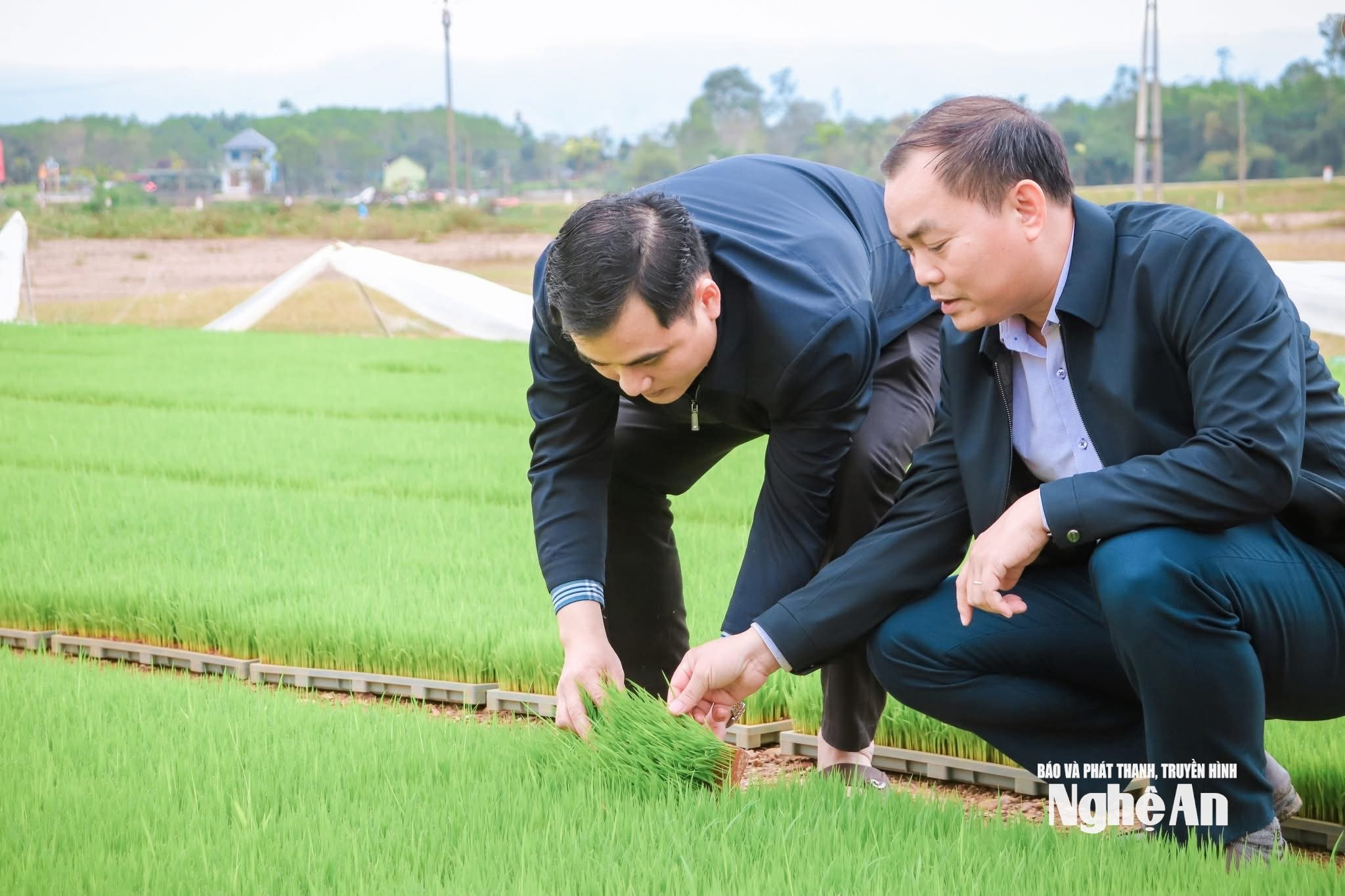
In Dong Thanh commune, a locality with a long tradition of rice production, the threat from counterfeit and low-quality rice seeds is receiving special attention from the authorities and the people.
According to Mr. Duong Xuan Phuc, Head of the Economic Department of Dong Thanh Commune People's Committee, the commune currently has about 1,700 hectares of rice fields, and the Spring crop of 2026 alone requires approximately 52 tons of various seeds. To ensure production, the local authorities regularly advise farmers to buy seeds from reputable establishments with clear origins and sources. However, in reality, many households still choose seeds from unreliable sources on the market, posing numerous risks.
According to Mr. Phuc, from the beginning of the season, the commune authorities have coordinated inspections of seed stores in the area. However, distinguishing between genuine and fake rice seeds with the naked eye is very difficult, because local officials do not always have in-depth expertise in plant seeds. This requires specific training courses and guidance for officials and farmers to help improve awareness and skills in identifying poor-quality seeds.
According to Mr. Ho Sy Quang, Chairman of Tho Thanh General Agricultural Service Cooperative (Dong Thanh commune), the situation of farmers in the area buying unregulated rice seeds from the market is still unavoidable. In the Spring crop of 2025, some households bought seeds of unknown origin, leading to poor rice growth, empty grains, and failure to bend the panicles, affecting yield.
The main reason stems from the desire to save on input costs, making farmers vulnerable to exploitation by businesses selling low-quality seeds.
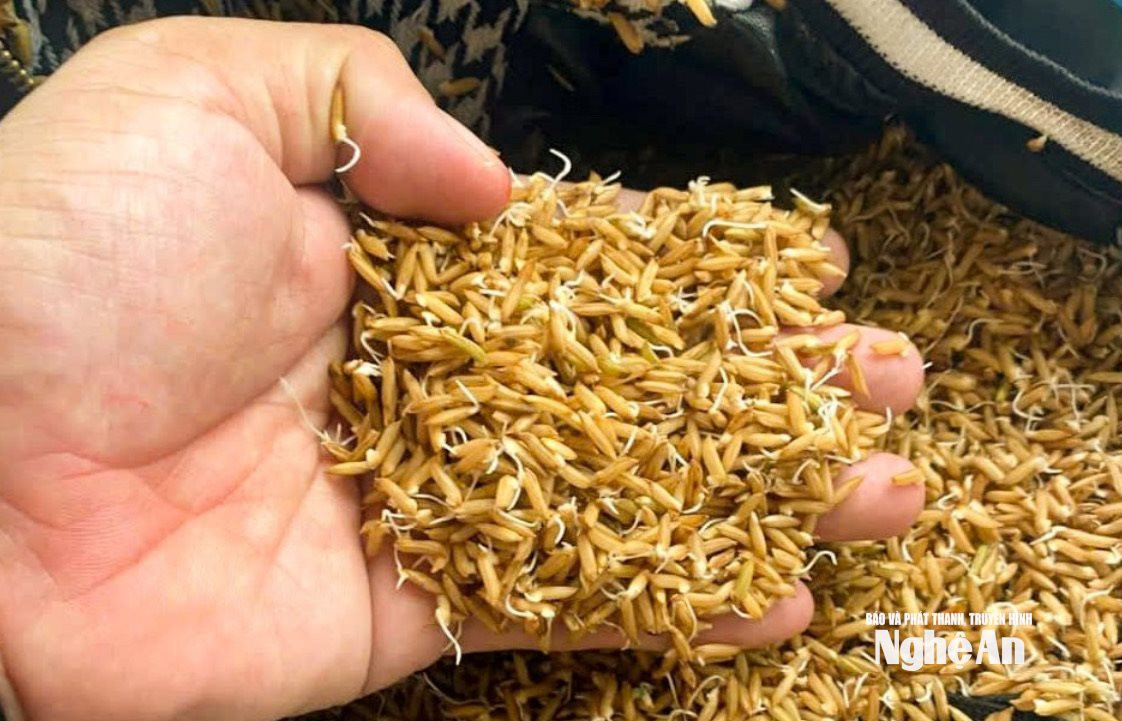
In this context, the role of agricultural cooperatives is seen as an important "shield" in screening and controlling the quality of rice seeds for farmers. Currently, Tho Thanh General Agricultural Service Cooperative is supplying about 24 tons of rice seeds for over 800 hectares of rice fields in the area, with main varieties such as Thai Xuyen 111, Duong Uu 612, and Long Huong.
Mr. Ho Sy Quang stated that to ensure the quality of rice seeds, the cooperative only signs contracts with seed suppliers that have valid circulation licenses and clear traceability. In addition, the cooperative allocates over 20 hectares of land for suppliers to conduct field trials of new varieties. After planting, the cooperative closely monitors everything from germination rates and growth potential to pest and disease levels, yield, and grain quality. Only when the seeds meet the requirements is the cooperative introduced into mass production for farmers.
This approach not only minimizes risks for farmers but also builds trust in production linkages, gradually improving the efficiency and sustainability of rice production.
Tighten seed source management to protect crops.
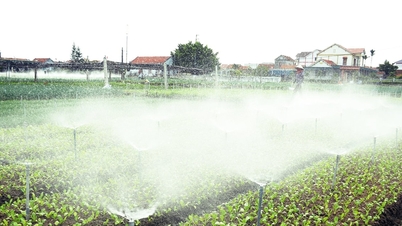
As those directly involved in farming, farmers are the ones who suffer the most if they buy fake or low-quality rice seeds. Ms. Nguyen Thi Ha, a farmer from Dong Thanh commune, shared that current production costs are very high, from seeds and fertilizers to land preparation and machinery rental. Just buying fake rice seeds means losing the entire crop. Therefore, farmers hope that relevant authorities will strengthen market control over seeds so that they can produce with peace of mind.
.jpeg)
In reality, many households, due to a lack of information or carelessness, have bought cheaper seeds, saving tens of thousands of dong per kilogram, without fully understanding the consequences. By the time they discover abnormal rice growth, it is already too late to remedy the situation.
According to agricultural experts, to minimize risks, in addition to purchasing seeds from reputable sources, farmers need to pay special attention to packaging, origin, and seed characteristics. Standard rice seeds usually have packaging with clear printing and complete information about the variety name, producer, address, batch number, packaging date, expiration date, and anti-counterfeiting seal. The seeds must be uniform, clean, with few empty grains, and free from impurities.
During the planting process, if farmers notice uneven rice growth, weak plants, slow growth, or non-uniform flowering, they should immediately report it to local agricultural officials for timely inspection.
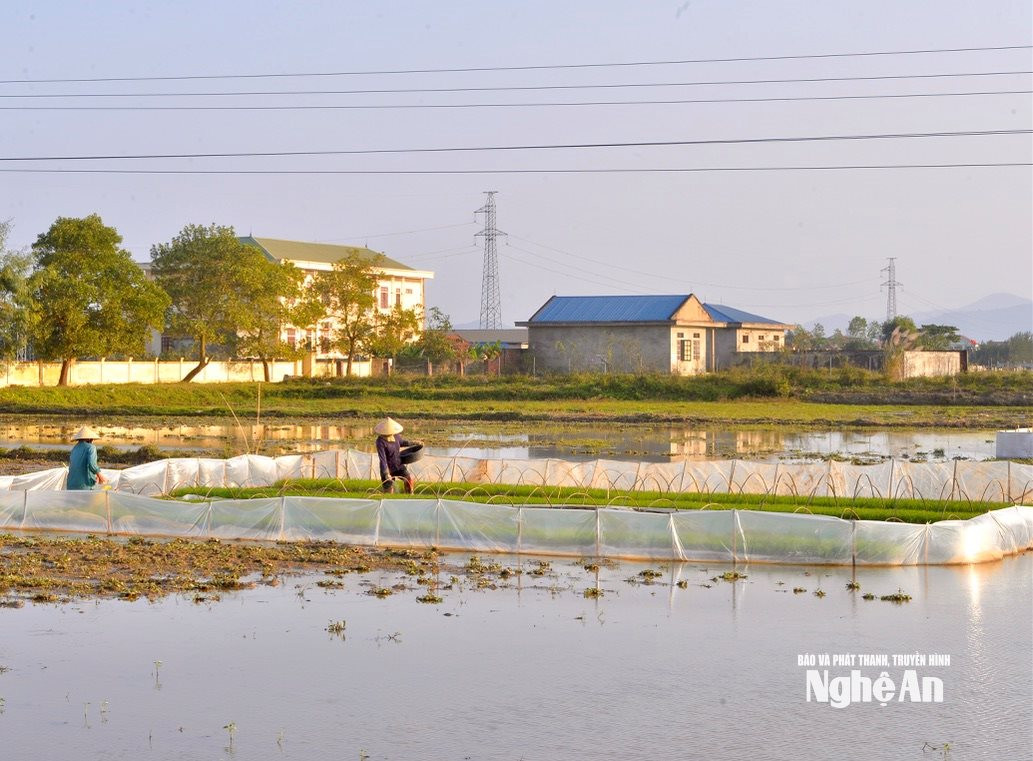
Discussing this issue, Mr. Nguyen Tien Duc, Head of the Department of Crop Production and Plant Protection of Nghe An province, said that with a cultivated area of over 90,500 hectares per season, Nghe An's seed demand reaches more than 3,100 tons of various seeds. To ensure production quality, the agricultural sector recommends that people only use rice varieties that have been tested and certified by relevant agencies.
According to Mr. Duc, there are currently two main sources of rice seeds: imported seeds and domestically produced seeds. Imported seeds must be tested and inspected by relevant agencies, with samples taken to assess the correct variety, germination rate, and pest risk before being imported. For domestically produced seeds, the producing unit must have a decision from the Ministry of Agriculture and Environment recognizing the seed as permitted for circulation. However, it is very difficult for people to distinguish between genuine and fake seeds with the naked eye, so buying seeds through provincial or commune production projects, through cooperatives, seed centers, or large, reputable enterprises is the safest solution.
Rice seeds are a crucial input in agricultural production. Allowing counterfeit or low-quality rice seeds to exist not only harms individual farmers but also affects the quality of rice throughout the region, reducing production efficiency and hindering the sustainable development of the rice industry.
To combat this situation, a coordinated effort is needed from management agencies, businesses, cooperatives, and the people themselves, ranging from strengthening inspections and handling violations to promoting awareness campaigns, protecting each crop, and, more importantly, safeguarding the sustainable livelihoods of rice farmers.
Source: https://baonghean.vn/canh-bao-giong-lua-gia-kem-chat-luong-10322775.html









































































Comment (0)