Acute liver failure can occur even in young, previously healthy individuals, after only a short period of exposure to liver-damaging factors such as drugs, chemicals, viruses, or rare metabolic diseases.
Content
- 1. Acute liver failure due to self-medication with traditional medicine to treat gastritis.
- 2. What causes acute liver failure?
- Self-medication and drug poisoning
- Viral hepatitis and other viruses
- Poisoning and chemicals
- Metabolic disorders and rare diseases
- Autoimmune diseases
- Sepsis and shock
- Hepatic vascular disease and cancer
- 3. Manifestations of acute liver failure
- 4. Dangerous complications of acute liver failure
- 5. Doctor's advice
1. Acute liver failure due to self-medication with traditional medicine to treat gastritis.
Recently, Mai Son Regional General Hospital ( Son La province ) admitted a 29-year-old female patient who presented with fatigue and pronounced jaundice (yellowing of the skin and eyes). Test results showed a sharp increase in liver enzyme levels: GOT 1,032 U/L (normal <40 U/L), GPT 1,230 U/L (normal <37 U/L), which is more than 25-30 times higher than normal, indicating serious liver damage.
Upon taking the patient's medical history, doctors noted that the patient had recently self-medicated with herbal remedies of unknown origin to treat gastritis. After conducting necessary tests and ruling out other causes, the patient was diagnosed with acute liver failure due to herbal medicine poisoning.
At Mai Son Regional General Hospital, the patient received intensive care, including bile-stimulating drugs, liver function support drugs, diuretics, and close monitoring of blood clotting parameters and liver and kidney function. Due to the severity of the condition and high risk of complications, the patient was transferred to the Poison Control Center at Bach Mai Hospital for further specialized treatment.
This case serves as a clear warning about the dangers of self-medicating with traditional , unproven herbal remedies, which can have serious consequences for the liver and even endanger the patient's life.
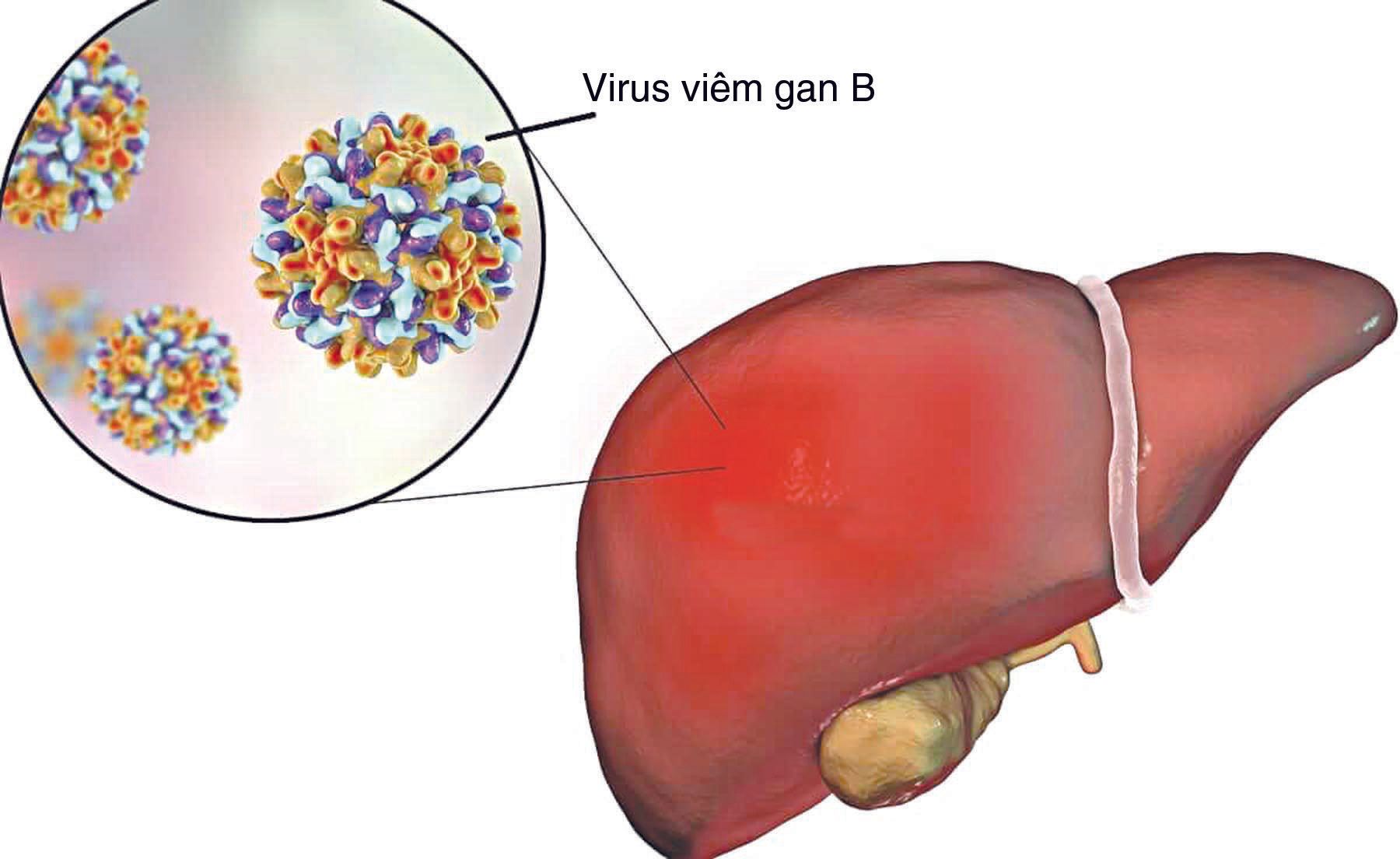
Hepatitis A, B, and C viruses can cause acute liver damage.
2. What causes acute liver failure?
Acute liver failure is a severe decline in liver function that occurs over a short period, usually within a few days to a few weeks, and can lead to hepatic coma, severe coagulopathy, multiple organ failure, and death.
The causes of acute liver failure are diverse, with the most common including:
Self-medication and drug poisoning
The indiscriminate use of medications, especially traditional Vietnamese and Chinese medicines, and dietary supplements of unknown origin, dosage, and composition, is one of the leading causes of acute liver failure today. Many preparations may contain toxins that cause liver cell necrosis without the user's knowledge.
Furthermore, the misuse of paracetamol (acetaminophen) – a common pain reliever and fever reducer – is also a frequent cause. Overdosing in a short period or prolonged high doses can cause acute liver necrosis. If paracetamol overdose is suspected, patients should seek medical attention immediately and not wait for symptoms of liver failure to appear.
Viral hepatitis and other viruses
Hepatitis A, B, and C viruses can cause acute liver damage, especially acute hepatitis A and B. In addition, other viruses such as herpes simplex, cytomegalovirus (CMV), and Epstein-Barr can also cause acute liver failure, particularly in people with weakened immune systems.
Poisoning and chemicals
Ingesting poisonous mushrooms, especially Amanita phalloides (white-gilled mushroom), is a classic cause of acute liver failure with a very high mortality rate. Additionally, exposure to industrial chemicals such as carbon tetrachloride – found in solvents, refrigerants, varnishes, and waxes – can also cause severe acute liver damage.
Metabolic disorders and rare diseases
Certain rare metabolic disorders, such as Wilson's disease (a copper metabolism disorder) and acute fatty liver disease during pregnancy, can also cause acute liver failure.
Autoimmune diseases
Autoimmune hepatitis occurs when the immune system attacks its own liver cells, causing inflammation and rapid liver destruction if left untreated.
Sepsis and shock
In cases of sepsis or shock, blood flow to the liver is severely reduced, leading to oxygen deprivation and acute liver failure.
Hepatic vascular disease and cancer
Budd–Chiari syndrome, which causes hepatic vein obstruction, or primary liver cancer, and liver metastases can also lead to acute liver failure.
Notably, a significant proportion of acute liver failure cases remain of unknown origin.
3. Manifestations of acute liver failure
Symptoms of acute liver failure usually appear quickly and can worsen rapidly, including:
Fatigue, loss of appetite, weakness, nausea, vomiting, itchy skin, jaundice, yellowing of the eyes, pain or tenderness in the liver area (right hypochondrium), altered consciousness (confusion, drowsiness, apathy, coma), sleep disturbances, behavioral changes.
When abnormal signs appear in the patient's mental state, behavior, or rapid onset of jaundice, they should go to a medical facility immediately for examination and timely treatment.
4. Dangerous complications of acute liver failure
If not treated promptly, acute liver failure has a very poor prognosis and can lead to many serious complications:
- Brain edema : caused by electrolyte and metabolic disturbances, leading to increased intracranial pressure.
- Hemorrhage : due to blood clotting disorders, gastrointestinal bleeding is likely, and bleeding can be difficult to control.
- Infections : blood infections, respiratory infections, urinary tract infections.
- Renal failure : occurs in approximately 55% of cases of acute liver failure, possibly as hepatorenal syndrome.
- Metabolic disorders : hypoglycemia, electrolyte imbalance, metabolic alkalosis.
- Multiple organ failure is a life-threatening condition.
5. Doctor's advice
Acute liver failure is uncommon but extremely dangerous. Prevention is the most important measure to protect liver health. People should take note:
Get fully vaccinated against hepatitis B; Limit alcohol consumption and avoid alcohol abuse; Do not self-medicate with herbal remedies, traditional medicines, or dietary supplements of unknown origin; Read medication instructions carefully, especially for paracetamol; People with hepatitis B and C need to be monitored and treated according to the correct protocol; Maintain a healthy lifestyle and a reasonable weight; Eat a balanced diet and supplement with foods beneficial to the liver such as green vegetables, berries, garlic, and coffee in moderation.
Acute liver failure is preventable if people raise their awareness, use medications safely, and seek timely medical attention when abnormal symptoms appear.
Source: https://suckhoedoisong.vn/canh-giac-voi-suy-gan-cap-169260202092016803.htm






























































![[Video] Sunset at Lap An Lagoon – Where the sun sets over the fishing nets](https://vphoto.vietnam.vn/thumb/1200x675/vietnam/resource/IMAGE/2026/05/31/1780192137701_beach-landscape-sea-water-nature-grass-745871-pxhere-com.jpeg)



































Comment (0)