The type of plant that you "grow for fun but eat for real"
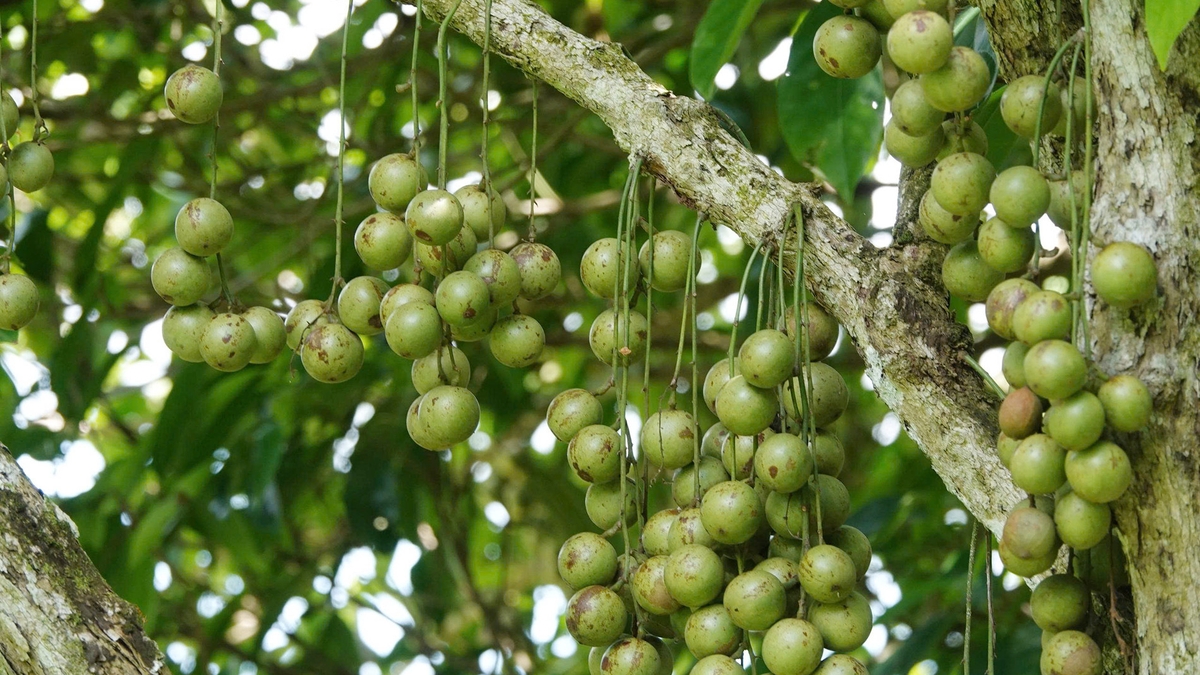
In recent years, alongside other staple fruit crops, fresh betel nuts in the southeastern part of the province have experienced periods of price surges. Currently, strolling through some communes and wards in Lam Dong , it's easy to spot rows of betel nut orchards laden with fruit. The laughter and chatter of harvesters, the comings and goings of traders' trucks – all create a bustling atmosphere in the countryside, especially for this seemingly insignificant crop.
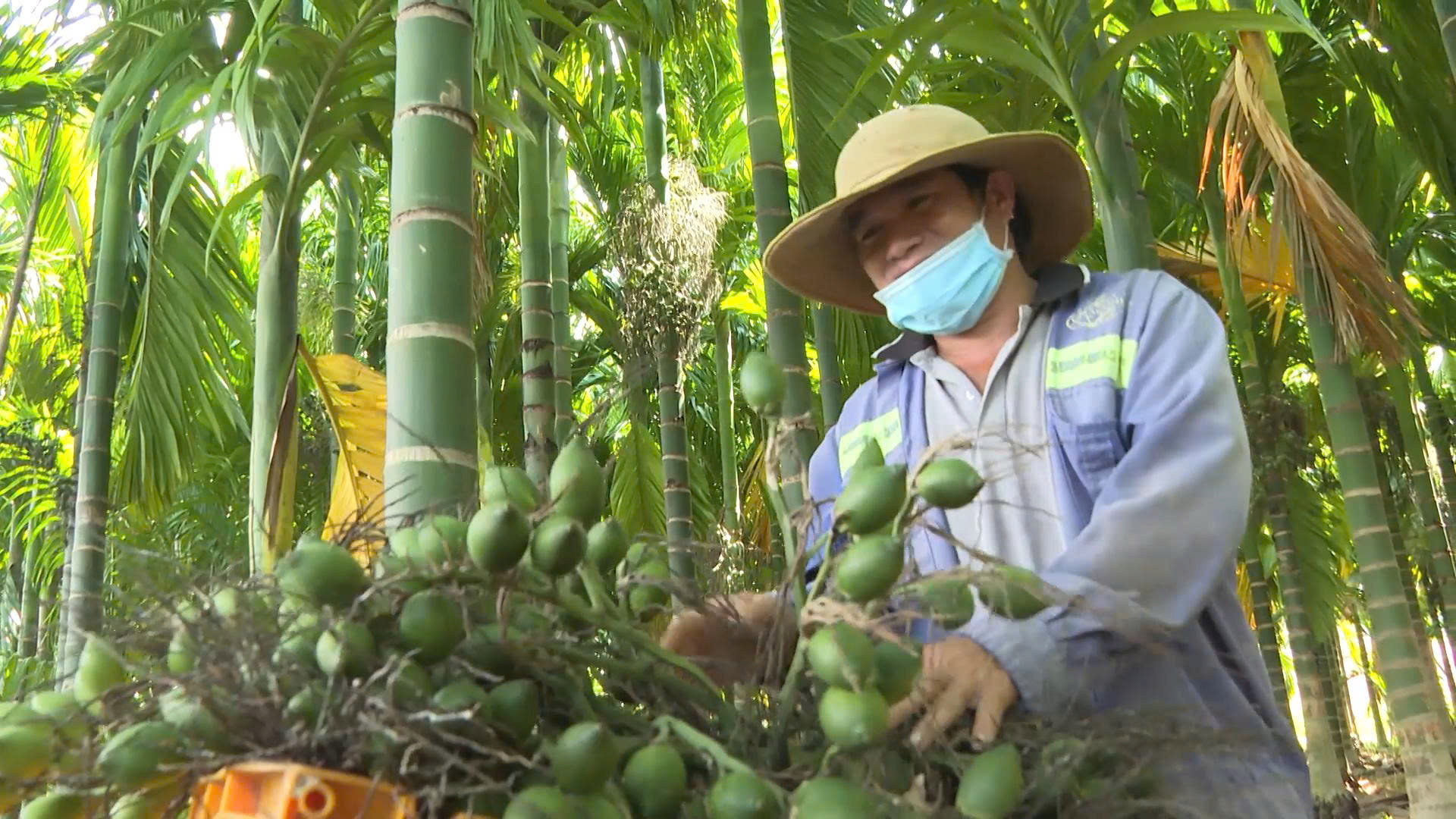
Previously, farmers mainly planted betel nut trees to prevent soil erosion, but now, this crop is grown as an intercrop or monoculture, providing a stable source of income. The crop conversion by Ms. Nguyen Thi Thuy Dung's family in Van Ke village, Tan Thanh commune, is considered quite successful to date. Ms. Dung has been involved in dragon fruit cultivation for many years. However, recently, the price of dragon fruit has fluctuated erratically, and many crops grown using artificial lighting have resulted in losses, causing significant hardship. Before this, she planted rows of betel nut trees around her land to prevent soil erosion. With heavy betel nut clusters, traders came directly to her garden to harvest them at high prices.
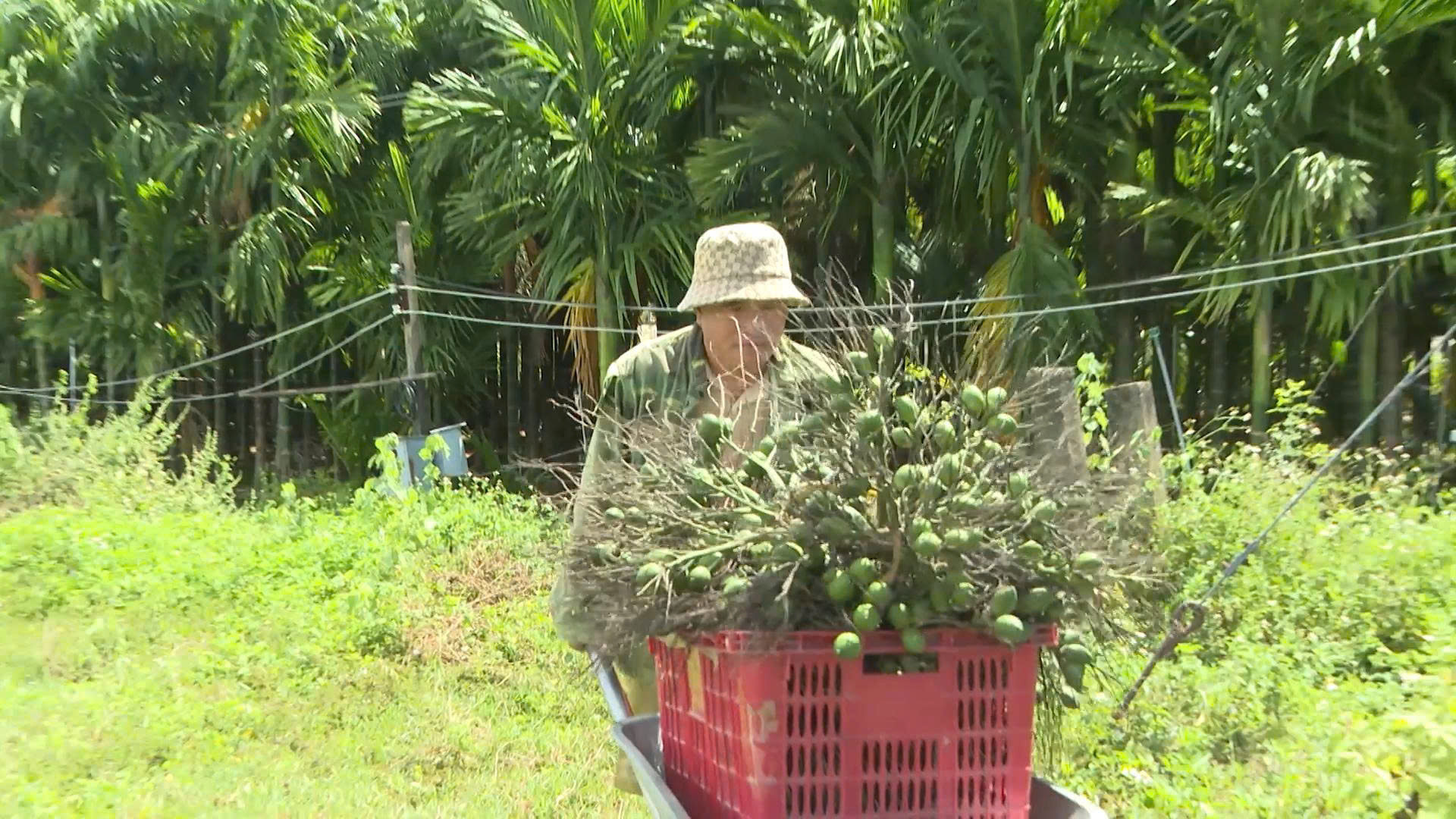
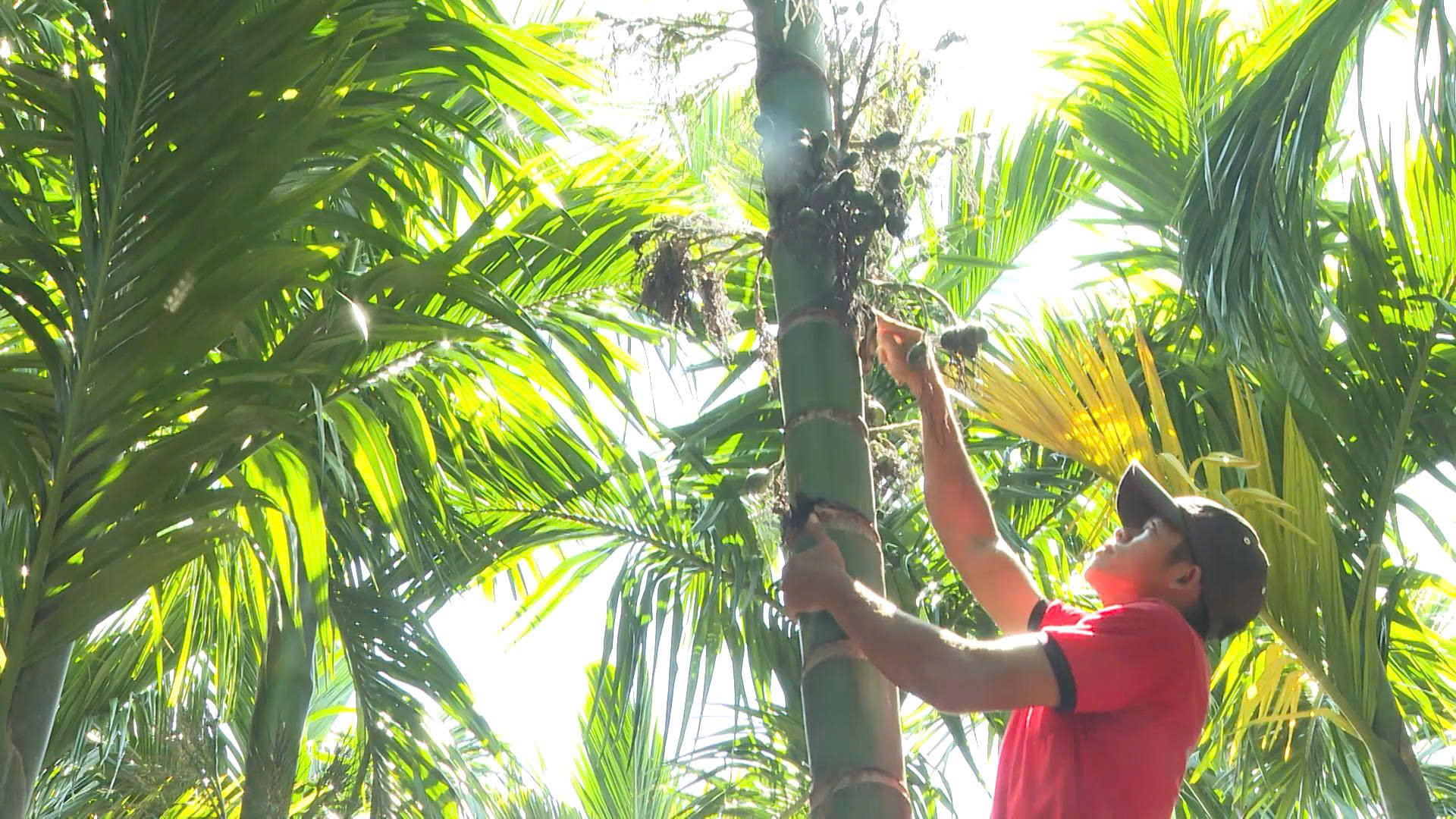
Therefore, she boldly decided to plant more betel nut trees. To date, on an area of 1.5 hectares, she has planted nearly 1,000 betel nut trees of various sizes. Of these, more than 500 trees are currently producing fruit. During the favorable season, each harvest can yield 300-400 kg, while in the unfavorable season, the yield is reduced by more than half. Some other growers shared that if betel nut trees are planted, cared for, and fertilized properly, they will yield fruit after 3-4 years. On average, each betel nut tree produces about 3-4 bunches of fruit, with each bunch weighing 8-10 kg.
Market prices fluctuate.



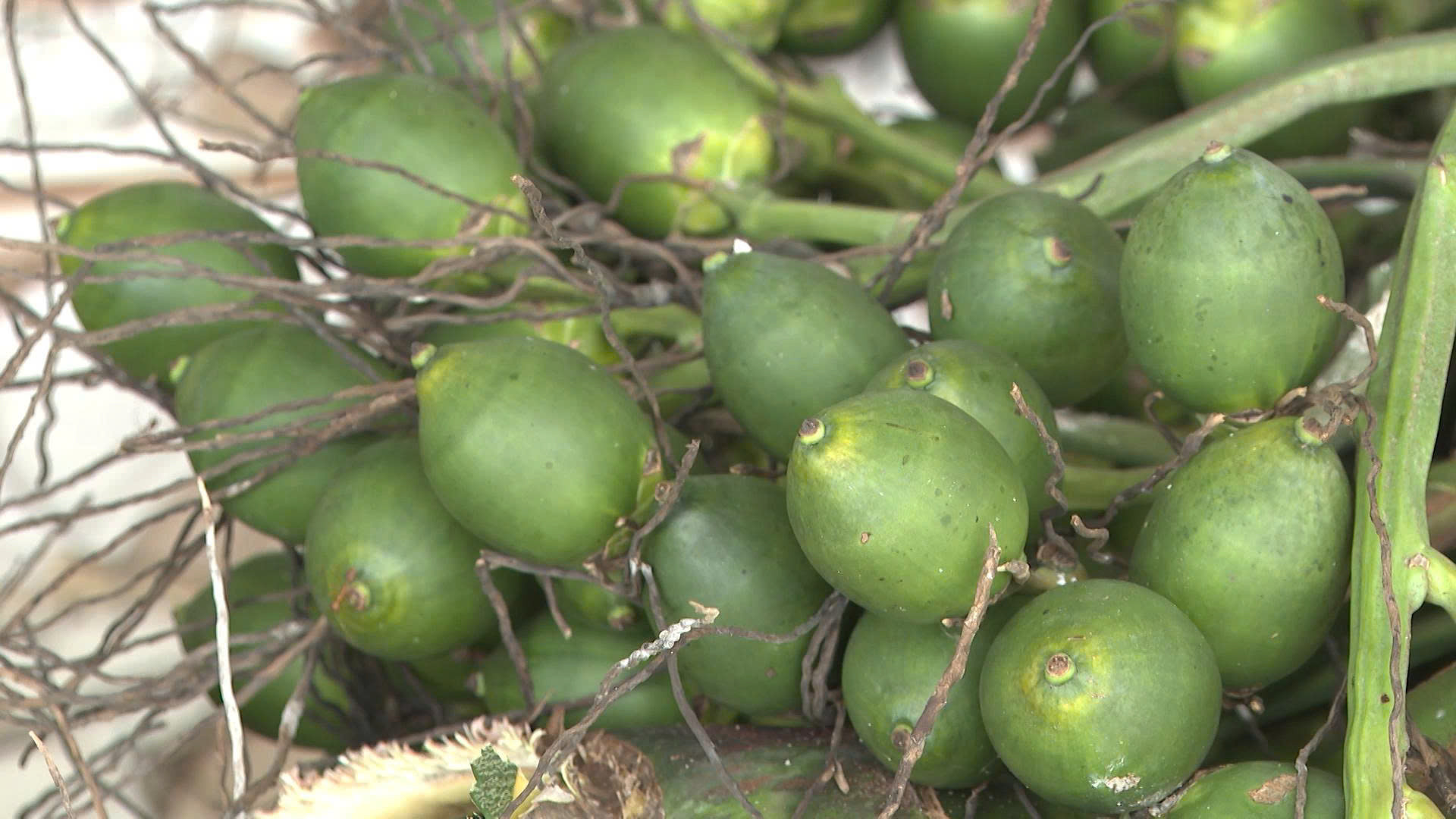
Besides Tan Thanh commune, this crop is also being developed in Ham Thuan Bac commune. For example, Mr. Vo Ngoc Thach's family in Dan Hoa village has a 1-hectare betel nut plantation, now 5 years old. Currently, the entire betel nut garden is yielding a harvest. On average, the garden is harvested once every 10-15 days, with a yield of 1-2 tons of fruit. Mr. Huynh Minh Sao (Tanh Linh commune), a local betel nut trader, said: "On average, traders come to the betel nut growers 2-3 times a month to buy. Like other crops, the price of this crop has remained stable at 40,000-50,000 VND/kg for the past few months. There was a period when the price of betel nuts surged to 80,000-150,000 VND/kg. However, at the moment, due to the main harvest season, the price fluctuates, with traders buying at around 25,000 VND/kg."
Compared to other crops, betel nut trees are less susceptible to diseases and require virtually no pesticides, and production costs are lower. When demand is high and the price of fresh betel nuts increases, farmers can earn a relatively stable income of over 15 million VND per hectare each month after deducting expenses.
Farmer Vo Ngoc Thach
According to the provincial agricultural department, Lam Dong currently has over 160 hectares of betel nut trees, with a harvest of approximately 700 tons last year. However, the main markets are domestic consumption and purchases by traders, with exports via informal channels. Therefore, when supply exceeds demand, prices and consumption will fluctuate significantly. Although it brings very large immediate profits, the "betel nut craze" is raising many concerns. The obvious lesson is that people have been abandoning traditional crops en masse to chase after crops that are experiencing a "boom in prices," leading to a surplus crisis and a situation where "good harvest, low prices."
Therefore, in addition to opening up new economic development opportunities, growers need to carefully consider the situation of bumper harvests leading to low prices, or high prices coinciding with poor harvests, in order to avoid the problems of bumper harvests and low prices. Furthermore, they need to meticulously calculate the soil conditions and economic efficiency in developing and expanding the area under cultivation for this crop.
Vietnam encourages US businesses to expand investment in high technology.On the morning of June 26th, at the Government Headquarters, Deputy Prime Minister Ho Quoc Dung received Mr. Jeff Place, Supply Chain Director of Coherent Group (USA). During the meeting, the Deputy Prime Minister affirmed that Vietnam encourages US businesses to expand investment, especially in high-tech, innovation, and semiconductor industries.Encourage U.S. businesses to expand investment in high-tech sectors.Deputy Prime Minister Ho Quoc Dung said that Vietnam welcomes US businesses to continue expanding their operations in Vietnam, especially in high-tech industries and sectors with high added value.Vietnam and the United States strengthen cooperation in addressing the consequences of war.VTV.vn - On June 22, General Secretary and President To Lam received Acting Secretary of the US Navy Hung Cao.According to research, the betel nut has many uses in both medicine (especially in traditional medicine) and culture. In traditional medicine, all parts of the betel nut are used as medicine. Notable uses of betel nut include: expelling worms and parasites, treating digestive diseases, acting as a diuretic, and treating oral diseases...



Source: https://baolamdong.vn/cay-cau-xanh-vo-do-thuong-lai-450179.html