Clinacanthus nutans , scientifically known as Clinacanthus nutans, belongs to the Acanthaceae family. It is also known by other names such as bìm bịp and mảnh cộng. This shrub grows to a height of 1–3 meters, with green stems and opposite, lance-shaped leaves. It is quite commonly cultivated in many provinces and cities in Vietnam for medicinal purposes or as a vegetable. The parts most often used are the leaves and young stems.
- 1. Monkey's paw plant helps reduce inflammation and boost immunity.
- 2. Supports wound healing
- 3. Supports liver cell protection
- 4. Supports blood sugar control
- 5. Potential for health support in cancer patients
- 6. Supports the treatment of skin diseases.
- See more trending articles:
According to traditional medicine, the monkey bone plant has a mildly sweet taste and a cooling nature, with effects such as clearing heat, detoxifying, reducing inflammation, promoting blood circulation, and relieving pain.
Here are some of the health benefits of the monkey's paw plant:
1. Monkey's paw plant helps reduce inflammation and boost immunity.
One of the most notable effects of the monkey's paw plant is its ability to help reduce inflammation. Studies show that monkey's paw leaves contain many flavonoid compounds such as vitexin, isovitexin, orientin, and isoorientin. These are active compounds that can inhibit the production of inflammatory mediators such as TNF-α, IL-1β, and IL-6.
In addition, the polyphenol compounds and phenolic acids in the plant help fight oxidation, protecting immune cells from damage caused by free radicals. Therefore, the monkey bone plant can contribute to strengthening the body's resistance and supporting recovery after illness.

The monkey bone plant has many health benefits.
2. Supports wound healing
In folk medicine and traditional remedies, monkey bone leaves are often used to help reduce bruising, improve blood circulation, and heal skin injuries. This effect is believed to be related to the presence of flavonoids, triterpenoids, and antioxidant compounds.
These active ingredients help reduce local inflammation, limit cell damage, and stimulate fibroblast proliferation—cells that play a crucial role in new tissue formation and skin regeneration. As a result, wounds can heal faster and the risk of scarring is reduced.



3. Supports liver cell protection
The liver is an organ easily damaged by free radicals produced during the metabolism of drugs, alcohol, and environmental toxins. Experimental studies show that the monkey's paw plant contains many flavonoids and phenolic compounds with strong antioxidant properties.
These active compounds help reduce lipid peroxidation in liver cell membranes while increasing the activity of endogenous antioxidant enzymes such as superoxide dismutase (SOD) and glutathione peroxidase. Therefore, the plant *Xanthium strumarium* can contribute to protecting liver cells from harmful agents.
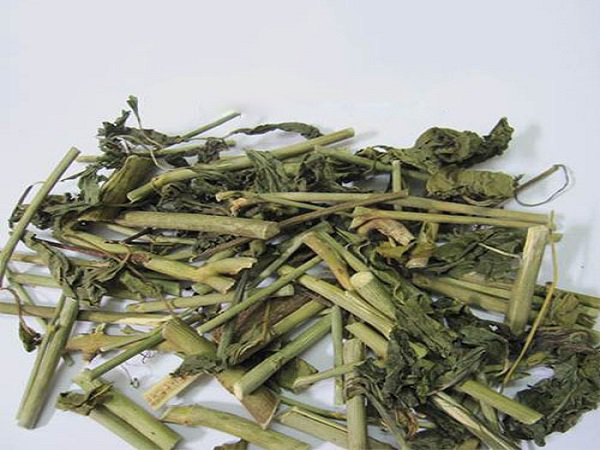
Dried monkey bone tree.
4. Supports blood sugar control
Some animal studies suggest that extracts from the plant *Pentapetes phoenix* may help regulate blood sugar. This effect is thought to be related to the flavonoids, phytosterols, and polyphenol compounds present in the plant.
These compounds help improve insulin sensitivity, increase glucose utilization in peripheral tissues, and reduce oxidative stress associated with diabetes. However, human studies are still limited, so they cannot yet be considered a substitute for medication.
5. Potential for health support in cancer patients
Numerous laboratory studies have found that the monkey's paw plant contains flavonoid, glycoside, and chlorophyll compounds that possess antioxidant properties and protect cells from DNA damage.
Some studies have indicated that extracts from the monkey's paw plant may inhibit the growth of certain cancer cell lines, such as liver cancer, cervical cancer, and breast cancer. The mechanism is thought to involve the ability to promote programmed cell death in abnormal cells and limit cell proliferation. However, these results are mainly from laboratory studies and there is insufficient evidence to confirm their therapeutic efficacy in humans.



6. Supports the treatment of skin diseases.
The leaves of the monkey's paw plant contain many flavonoids, chlorophyll, and compounds with natural antibacterial activity. Some studies have shown that extracts of the plant can inhibit the growth of some bacteria and viruses under research conditions. Thanks to its anti-inflammatory, antioxidant, and tissue-regeneration-supporting properties, the monkey's paw plant is often used to support the treatment of boils, dermatitis, shingles, or other minor skin lesions.
According to folk remedies, users can crush fresh leaves and apply them as a poultice, or boil them in water and use the resulting liquid to wash the skin.
See more trending articles:
Source: https://suckhoedoisong.vn/cay-xuong-khi-co-tac-dung-gi-169260605161202842.htm


![[Photo] Strengthening character and expertise: Intense training for artillery soldiers.](https://vphoto.vietnam.vn/thumb/1200x675/vietnam/resource/IMAGE/2026/06/30/1782815602541_lu-368-1875-4571-jpg.webp)