

Clarify priority groups and the roadmap for reducing healthcare costs for the people.
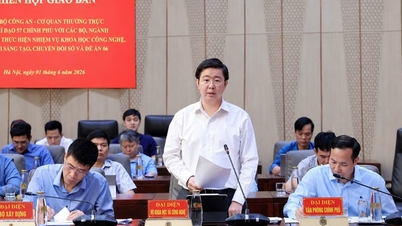
Agreeing with the necessity of issuing a National Assembly Resolution on some breakthrough mechanisms and policies for the protection, care, and improvement of people's health and the investment policy for the National Target Program on health care, population, and development for the period 2026-2035, National Assembly Deputy Duong Khac Mai ( Lam Dong ) emphasized that caring for the people's "most valuable asset" demonstrates the superiority of our system.
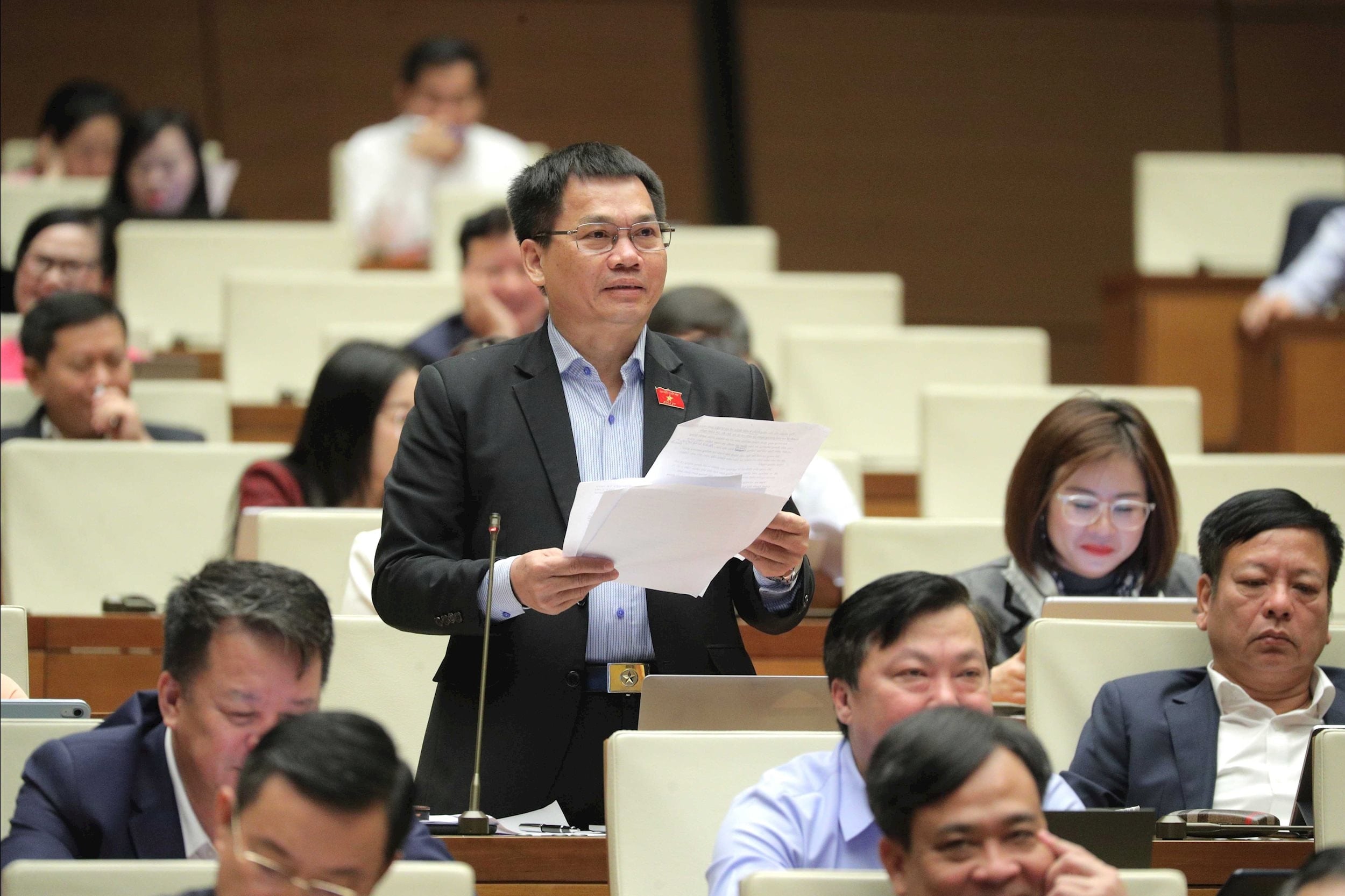
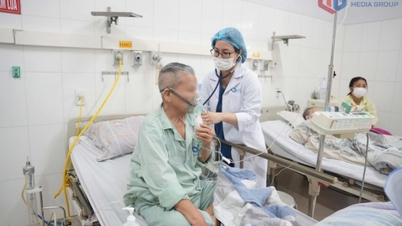
Representative Duong Khac Mai highly appreciated the provision on expanding healthcare rights and reducing medical costs for the people in Article 2 of the draft Resolution; he stated that this content clearly demonstrates the humane, progressive nature and inclusive development orientation of the national health policy. The representative also emphasized that this is a very timely and appropriate direction, meeting the aspirations of the people, especially the poor, vulnerable groups, the elderly, and people in mountainous, remote, and disadvantaged areas, as well as ethnic minority communities.
In addition, delegate Duong Khac Mai suggested that the roadmap for increasing benefits and eventually waiving hospital fees, as stipulated in Clauses 1 and 2, Article 2 of the draft Resolution, needs to be further specified, linked to targets for balancing the Health Insurance Fund and the state budget. He noted that practical experience shows the demand for medical examination and treatment is increasing rapidly due to population aging and the rise in non-communicable diseases. "Without a sufficiently rigorous roadmap, there is a risk of imbalance in the health insurance fund in the medium and long term. Sustainable healthcare for the people is only possible when the Health Insurance Fund operates safely, stably, and transparently," the delegate emphasized.
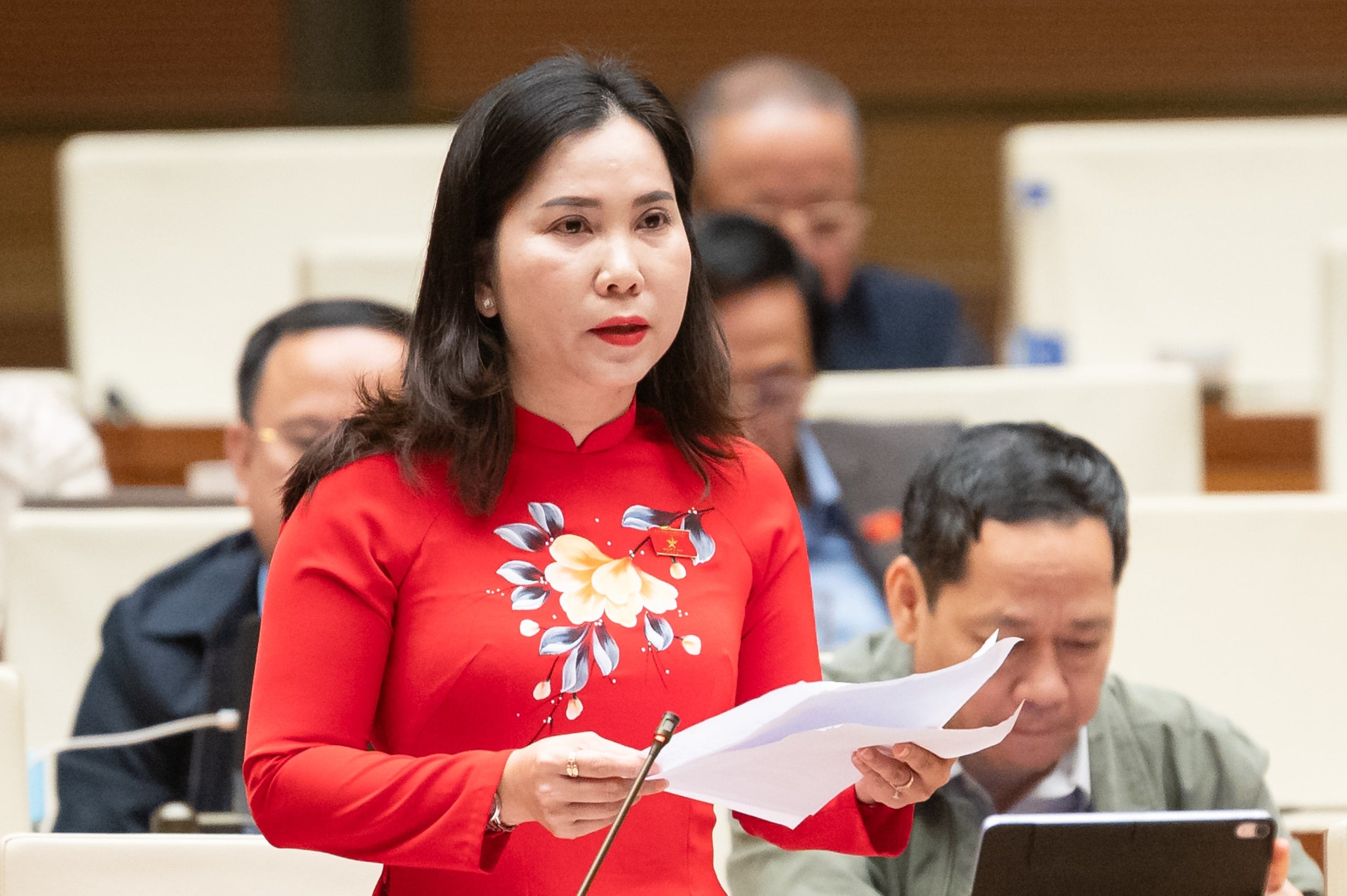
National Assembly Deputy Le Thi Ngoc Linh (Ca Mau) also basically agreed with the solutions to gradually reduce healthcare costs for people in Article 2 of the draft Resolution and requested the drafting agency to research and provide more specific guidelines, especially regarding priority groups and implementation roadmap; while ensuring financial resources and service delivery capacity.
Ensuring resources for program implementation.
Concerned about the investment resources for the National Target Program on Health Care, Population and Development for the period 2026-2035, National Assembly Deputy Nguyen Van Manh (Phu Tho) noted that the investment in health care and population and development objectives of the Program has not received adequate attention. The verification report of the Committee on Culture and Social Affairs indicated that the investment in population and development content only accounts for 15.5%, including local budgets. Compared to the total investment for the period 2026-2030, with the central government budget for the entire 5-year period being 68,000 billion VND, the sub-projects directly addressing population and development issues within the program are only allocated about 6,000 billion VND, accounting for approximately 8.9%.
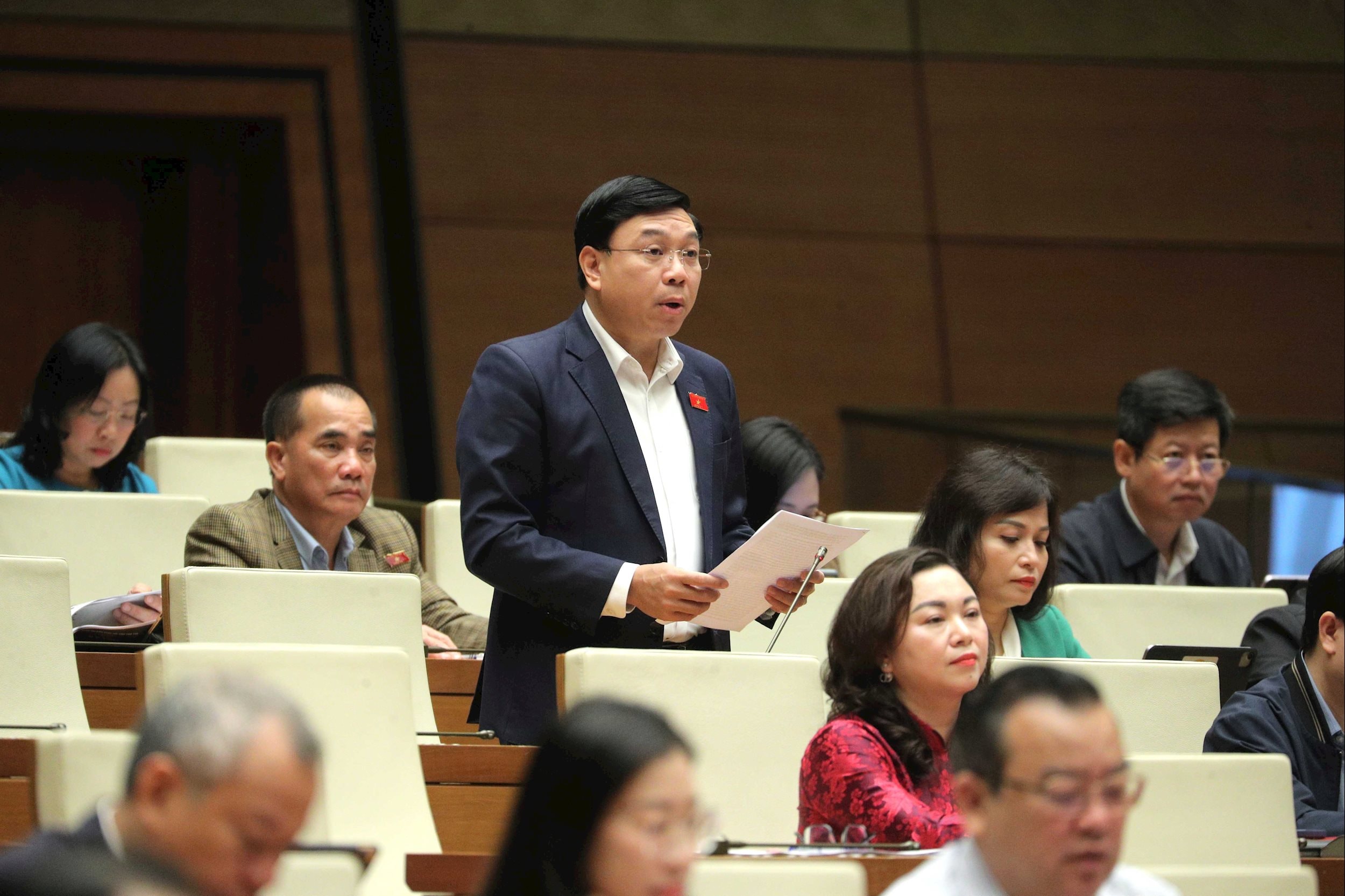
Representative Nguyen Van Manh argued that allocating resources only to each sub-project as described above does not ensure balance and harmony in implementation and will make it very difficult to achieve the important population and development goals set out in the Program.
Similarly, regarding the tasks of maintaining replacement fertility levels, improving population quality, and adapting to population aging, Resolution 72-NQ/TW of the Politburo has identified specific tasks and solutions for the issues of fertility levels, improving population quality, and adapting to population aging. These include solutions for adapting to population aging through investment in the development of geriatric hospitals or general hospitals with geriatric specialties, requiring each province and centrally-administered city to have at least one hospital of specialized level, one geriatric hospital, or one general hospital with a geriatric specialty, in order to provide better healthcare for the elderly.
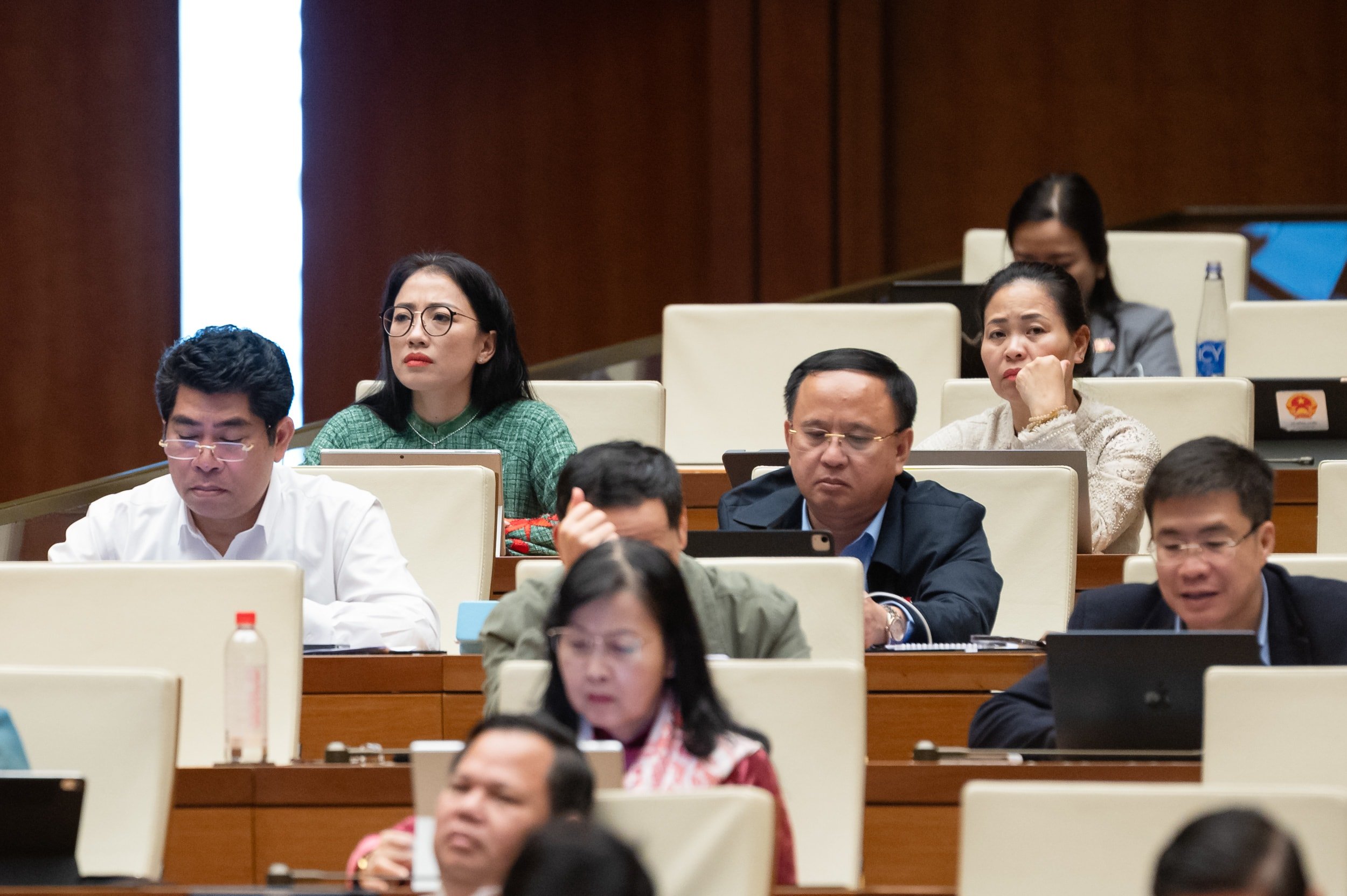
However, delegate Nguyen Van Manh pointed out that the investment in building geriatric hospitals or general hospitals with geriatric specialties and developing elderly care facilities has not been specifically detailed by the Ministry of Health in the National Target Program on People's Health Care, Population and Development for the period 2026-2035; he suggested that the Government balance the development investment capital already allocated in the Program to allocate investment capital for the sub-project on improving population quality and the sub-project on adapting to population aging and elderly health care.
Furthermore, delegates argued that the Program still relies heavily on state budget funding, while the role of other funding sources is minimal. The total budget for the 2026-2030 period is 88.6 trillion VND, of which the central and local state budgets account for 88/88.6 trillion VND, or 99.33%; other funding sources only amount to 594 billion VND, or approximately 0.67%. Raising this issue, delegates pointed out that relying solely on the state budget without strong solutions or mechanisms to mobilize and attract resources from the entire society will make it difficult to achieve the Program's objectives and fully realize the spirit of Resolution 72 of the Politburo.
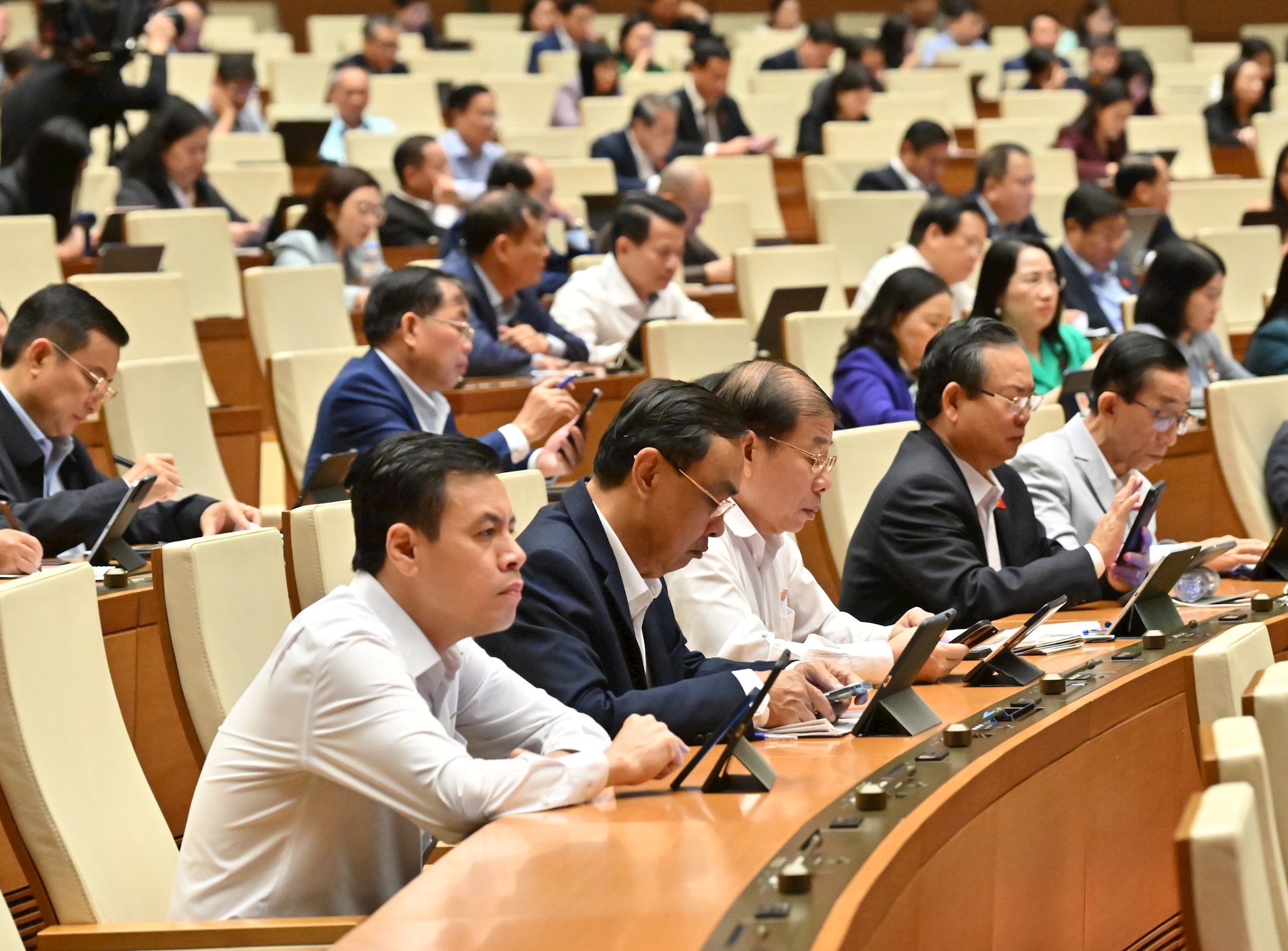
“This national target program will only truly be meaningful if we shift from a treatment-oriented mindset to a preventative one, from healthcare spending to investing in health from the root, and from individual accountability to systemic responsibility in protecting people from environmental and lifestyle risks… Every dollar invested in the program today will become the greatest return on investment for the people and for the future of the nation.” Emphasizing this point, National Assembly Deputy Pham Trong Nhan (Ho Chi Minh City) also suggested that breakthroughs are needed in primary healthcare, where chronic diseases are prevented and detected early. It is necessary to ensure minimum resources and funding for commune health stations; implement community-based chronic disease management covered by health insurance; increase the capacity for small-scale testing; establish electronic health records; and reduce the overuse of unnecessary high-tech tests.
Source: https://daibieunhandan.vn/cham-lo-von-quy-nhat-cua-nhan-dan-10397918.html


























![[Photo] Reception to welcome General Secretary and President To Lam and his wife on their State visit to the Philippines](https://vphoto.vietnam.vn/thumb/1200x675/vietnam/resource/IMAGE/2026/06/01/1780295488620_vna-potal-chieu-dai-chao-mung-tong-bi-thu-chu-tich-nuoc-to-lam-va-phu-nhan-tham-cap-nha-nuoc-toi-philippines-8798060-7855-jpg.webp)




































































Comment (0)