
Obesity affects more than 1 billion people globally. (Image: Freepik)
How does fat accumulate?
According to Dr. Tran Chau Quyen, Head of the Adult Nutrition Examination and Counseling Department at the National Institute of Nutrition, the first reason for fat accumulation in the body is "consuming more than expending." When the amount of calories taken into the body (through food/drink) is greater than the amount of calories burned, the body will store the excess energy as fat.
Sugars in food, when not used by the body, are converted into triglycerides—the original form of fat—which are then stored in fat cells.
This is the answer to many people's question: "Why do they say eating lots of fruit is good for the skin, but I only gain weight?" It's because the sugar in the fruit isn't used by the body and is instead converted into fat, leading to weight gain.
A high-calorie diet, especially one high in sugar and fat, contributes to fat accumulation. Consuming too much processed food, sugary drinks, and high-fat snacks can lead to excess energy intake, promoting fat storage.
The distribution of meals throughout the day also plays a significant role in fat accumulation. Irregular eating habits, overeating, and eating late at night can disrupt metabolism and lead to fat accumulation.
Secondly, there's the role of hormones: When food is consumed, the body releases the hormone insulin to regulate how cells absorb and store glucose. When cells become less sensitive to insulin, glucose is not absorbed and used by the cells, and instead accumulates as fat.
In addition, other hormones such as leptin and ghrelin affect hunger and satiety, influencing food intake and energy storage.
A sedentary lifestyle and prolonged sitting reduce energy expenditure and promote fat storage.



Sleep and stress significantly impact fat accumulation. Insufficient sleep can disrupt the regulation of hormones that cause hunger or satiety, leading to eating disorders that can cause overeating. Prolonged stress increases cortisol levels, which can promote fat storage, especially in the abdominal area.
Habits such as emotional eating, binge eating, and a lack of belief in one's diet can lead to excessive calorie intake and fat accumulation. Building healthy eating habits and stress coping mechanisms can mitigate these effects.
The availability and easy access to unhealthy foods, such as fast food and snacks in convenience stores, or the stockpiling of such foods at home, also contributes to poor dietary choices and excess calorie intake.
Cultural factors and social norms can influence eating behavior and attitudes toward body weight. Societal expectations and the marketing of unhealthy foods can promote overeating and unhealthy diets.
Furthermore, genetics can significantly influence an individual's tendency to accumulate fat. Science has identified several genes that affect metabolism, fat distribution, and appetite control.
For example, variants of the FTO gene are associated with higher body mass index (BMI) and an increased risk of obesity. In addition, factors such as diet, stress, and exposure to toxins can cause changes in gene expression, affecting metabolism and fat storage.
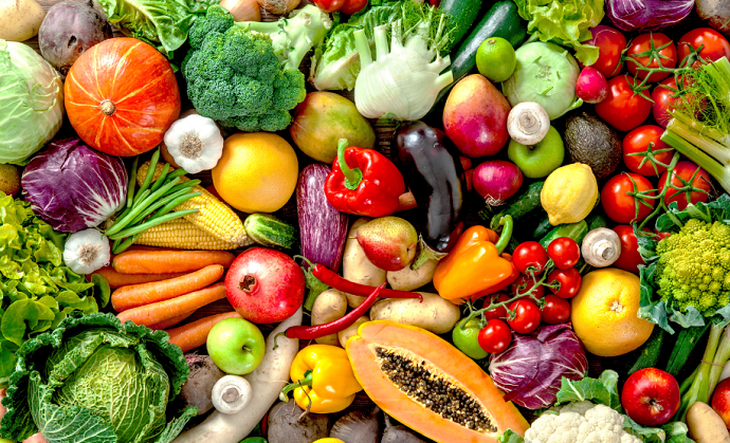
A balanced diet with sufficient nutrients combined with an active, healthy lifestyle helps prevent excess fat - Illustration.
What can be done to reduce the risk of accumulating excess fat?
According to Dr. Quyen, to minimize the risk of excess fat accumulation, which leads to many health problems such as obesity, cardiovascular disease, diabetes, and cancer, adopting a balanced diet and a healthy lifestyle plays a very important role.
First and foremost, it's essential to establish a balanced diet that includes all nutrient groups, prioritizing green vegetables, fresh fruits, whole grains, and protein-rich foods from fish and legumes, while limiting saturated fats, refined sugars, and fast food. Choosing healthy foods helps control calorie intake while providing essential vitamins and minerals to the body.
Besides diet, it's important to maintain an active lifestyle with regular physical activity such as walking, cycling, dancing, and yoga to burn excess energy, boost metabolism, and maintain a healthy weight.



Each day, you should dedicate at least 30 minutes to physical activity, and always strive to be physically active whenever possible, from simple daily activities like walking to the store, taking the stairs instead of the elevator, stretching your arms and legs after each bathroom visit, etc.
In addition, getting enough sleep (7-8 hours per night) is also an important factor in regulating hormones and preventing uncontrollable cravings.
At the same time, managing stress through meditation, deep breathing, or other relaxation activities can reduce the risk of emotional eating, contributing to limiting the accumulation of excess fat.
"Combining a scientific diet, choosing healthy foods, maintaining regular exercise, getting enough sleep, and managing stress are core factors in preventing excess fat accumulation and protecting long-term health," Dr. Quyen advised.
Source: https://tuoitre.vn/che-do-an-the-nao-de-ngan-mo-tich-tu-2026011021300757.htm