

As Tet (Lunar New Year) comes to an end, a void opens up.
For many young people, Lunar New Year is a journey away from the hustle and bustle of the city, back to the smoky kitchens, the laughter of loved ones, and the slow pace of life in their hometowns. But when the echoes of the New Year's Eve fireworks fade and the traffic rolls back to the city, many young people fall into an indescribable emotional state, which many call "Blue Holiday," or post-holiday sadness.
"Blue Holiday" is not a new term in the world . In the West, after Christmas or New Year, many people experience a feeling of emptiness and disappointment when they have to return to work. However, in the Vietnamese context, especially after the Lunar New Year, this feeling takes on a unique character. Tet is not just about rest; it's about reunion, reconnecting with roots, and a rare moment when young people can fully experience their role as children and grandchildren in the family instead of being employees, managers, or colleagues in the city.
In the final days of the year, many young people are busy finishing work to "make it back to their hometowns in time." Night buses, last-minute train tickets, and suitcases overflowing with Tet gifts are testaments to their longing for family reunions. But then, in just a few short days, the cycle begins again. After the 4th or 5th day of the Lunar New Year, company chat groups are filled with reminders of meetings and work schedules. And in the moment of closing the door to return to the city, many feel a quiet emptiness creeping into their hearts.
According to an internal survey by a major recruitment platform in Vietnam in 2023, approximately 30-35% of young employees under 30 considered quitting their jobs right after Tet (Lunar New Year). While this number may vary from year to year, it reflects the reality that after a long holiday, young people tend to reassess their work and career paths. Having had the chance to slow down and spend time with family, they suddenly ask themselves: "Am I truly happy with my current job?"
Numerous specific stories illustrate this. Nguyen Ngoc Anh, 27, who works in marketing in Ho Chi Minh City, shared that after Tet 2026, she submitted her resignation last weekend. The reason wasn't low salary or internal conflict, but because she realized she had been exhausted throughout the previous year. She said: "At home, every morning I had breakfast with my parents, and in the afternoon I helped my mother weed the garden. I suddenly felt strangely peaceful. Returning to the city, after only two days, I already felt suffocated."
"Post-holiday crisis" here isn't just about sadness, but also about the contrast between two rhythms of life. On one side is the rhythm of family, closeness, and a relaxed pace; on the other is the rhythm of work, quotas, and sales targets. This abrupt shift causes many young people to experience temporary demotivation. They request a few extra days off, citing a lack of adjustment or simply wanting to prolong the feeling of the holiday a little longer.

Besides emotional factors, there's also social pressure after Tet (Lunar New Year). Familiar questions like "When are you getting married?", "How much is your monthly salary?", "When are you buying a house?" are asked in a cheerful atmosphere, but sometimes leave a heavy aftertaste. Upon returning to the city, these questions continue to echo in their minds, causing young people to think more deeply about their place in life. Therefore, the post-Tet crisis isn't just sadness over the end of the holiday, but also a profound reflection on the future and the path ahead for young people.
Notably, the phenomenon of employees quitting after the Lunar New Year has become an unspoken "rule" in the Vietnamese labor market. Many businesses acknowledge a sharp increase in employee turnover during the first and second months of the lunar calendar. Some companies even prepare plans for post-Tet recruitment, anticipating that around 10-15% of their staff will leave.
However, not all decisions to quit a job are negative. For some, the quiet period after Tet (Lunar New Year) is an opportunity to reflect and bravely make a change. Some switch to more flexible jobs to be closer to their families. Others start learning a new skill. But there are also cases where it's simply a temporary emotional outburst, and things stabilize a few weeks later.
The post-Tet crisis therefore resembles a neutral color—not entirely gloomy gray, nor entirely vibrant. It's a transition between two seasons: the season of family reunions and the season of work. And like any transition, people, especially the younger generation, need time to adapt.
How young people navigate the "uncertainty" phase of life.
Many young Vietnamese people have become more aware of their mental health in recent years. They no longer view feelings of depression after Tet (Lunar New Year) as "weakness" or "unprofessionalism," but rather as a signal that needs to be listened to.
Some psychologists suggest that this state is similar to "post-holiday blues," or the feeling of emptiness after a long holiday. The sudden change in daily routines, sleep schedules, and living environment requires the body and mind to adjust. Instead of immediately making a major decision like quitting their job, many young people choose to set a "waiting period" for themselves. For example, 30 days after Tet (Lunar New Year) to objectively reassess their emotions.
Nguyen Minh Phuong, 24, a design employee in Da Nang , took four extra days off after last year's Tet holiday. He said he didn't quit his job, but used the time to reorganize his rented room and plan to take an illustration course. He shared, "I realized I didn't hate my job, I was just tired because I lacked clear goals." After three months, Minh Phuong felt more stable and even received a raise thanks to his new skills.
Furthermore, many young businesses are also starting to pay more attention to this phenomenon. Some companies allow employees flexible working hours during the first week after Tet, or organize gentle "new year kick-off" activities instead of a hectic meeting schedule. These small changes help reduce the shock of the transition from rest to work.

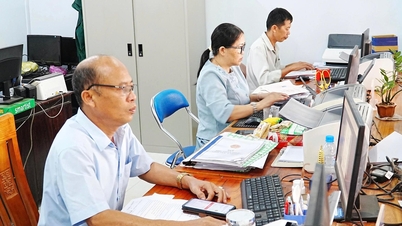
(Illustrative image: NH)
From a personal perspective, young people can create a "bridge" between Tet (Lunar New Year) and work. Instead of viewing Tet as two completely separate weeks, they bring a part of their family energy into their daily lives: maintaining the habit of calling home every week, cooking a traditional dish from their hometown on the weekend, or simply keeping a regular routine as they would at home. These small actions help prevent the feeling of warmth from being abruptly cut off.
The psychological crisis following the Lunar New Year holiday can also be an opportunity for young people to think more deeply about the meaning of "success." After the initial questions at the beginning of the year, many realize they have been chasing societal standards for too long. Upon returning to the city, instead of immediately jumping back into the old routine, they try setting more achievable goals or learning to balance work and personal life.
Of course, it's undeniable that some instances of "post-Tet crisis" are signs of prolonged burnout. If feelings of depression and lack of motivation persist for months, affecting sleep and work performance, it could be a warning sign that needs serious attention. In such cases, seeking mental health help or having an open discussion with management may be necessary.
Tran Ngoc Minh (29 years old, living in Hanoi) said that, standing at the threshold of 30, she felt lost and confused about life. Especially after the holiday, she met with many family members, listened to their advice and reminders, which left her with a jumble of thoughts. To regain her composure, she decided to take 5 days off to travel , regain motivation, and cast aside her anxieties before returning to her normal life.
More broadly, the "post-Tet holiday crisis" reflects a generation in transition. Young Vietnamese people today are not just working to survive, but are also seeking meaning and balance. They dare to question, dare to change, and dare to acknowledge their anxieties and worries.
Spring will pass, but the values of Tet—connection, slowness, and caring—don't necessarily have to remain. The post-Tet crisis can simply be a reminder that amidst the hustle and bustle of modern life, people still need moments of quiet reflection. By listening to themselves, young people can transform post-Tet sadness into a starting point for a happier and more balanced new year.
Source: https://baophapluat.vn/chenh-venh-sau-ky-nghi-tet.html




































































































Comment (0)