Making their first appearance at the World Cup , Cape Verde were not expected to go far. The nation, with a population of only about half a million, was considered one of the weakest teams in the tournament, with virtually no chance of getting past the group stage.
However, after three unbeaten matches against Spain , Uruguay, and Saudi Arabia, the African representative wrote their own fairytale, securing a place in the knockout round against the defending champions Argentina.
Ironically, this very disparity became Cape Verde's greatest advantage. Unhaunted by predictions, unafraid of the reputations of Messi or Argentina, they entered the match with the mindset of a team with nothing to lose.
And this psychological strength could be the most dangerous weapon of the team that is considered the underdog in this qualifying round.
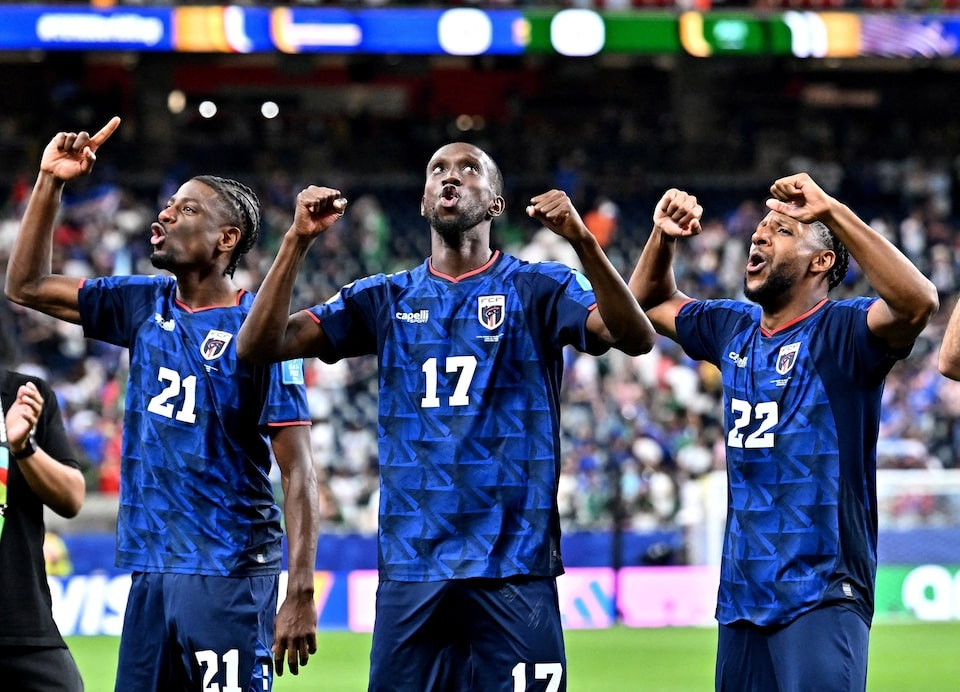 |
Cape Verde was not highly rated at the World Cup. Photo: Reuters . |
The "underdog" mentality
Before the tournament, many prediction models gave them only about a 1% chance of progressing far. After the group stage, that number increased to around 4%, but for the Cape Verde coaching staff, those percentages were never the deciding factor.
"Statistics are just theory. In football, as history has shown many times, what really matters is what happens inside the four sidelines," assistant coach Humberto Bettencourt said before the match.
According to him, being underestimated didn't make Cape Verde withdraw, but rather helped the team focus more on what they could control: "Before, they gave us a 1% chance, now it's 4%. For us, those numbers don't matter. We focus on our ambition, expectations, and the values that have made this team."
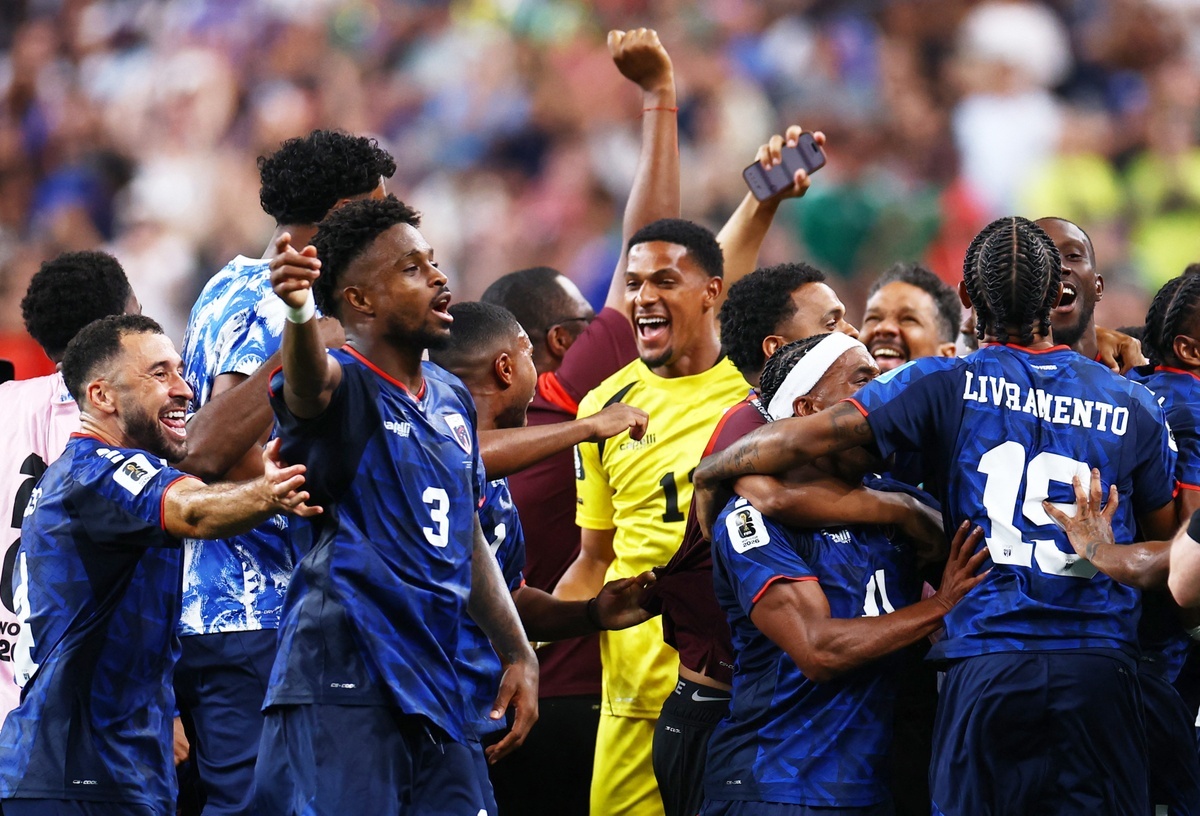 |
Cape Verde achieved many remarkable feats at the 2026 World Cup. Photo: Reuters . |
This perspective also aligns with numerous studies in sports psychology. One study published in the Journal of Applied Social Psychology showed that when free from external expectations, underdog teams tend to increase their intrinsic motivation, become more cohesive, and focus more on their own efforts rather than obsessing over results.
The study Motivating Underdogs and Favorites (2017) also pointed out a notable difference: while favored teams tend to think more about the consequences of defeat, underdog teams pay more attention to the rewards of victory.



That's also why Cape Verde entered the knockout round with a completely different mindset than many of their opponents. With the pressure to win almost non-existent, fear gradually disappeared. Even President Jose Maria Neves was optimistic that his team could cause an upset. "I think Cape Verde will win 1-0. We're going into the match to win," he told the BBC .
Put your trust in the team.
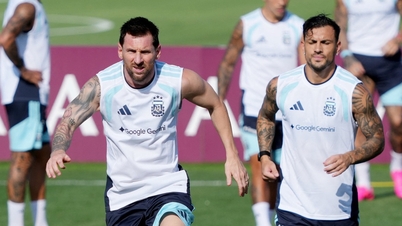
While in many other teams, Lionel Messi is the name around which the entire tactical system revolves, with Cape Verde, the greatest danger is not Messi himself, but the fear of him.
"Honestly, nobody felt any pressure. If you just think, 'Oh, that's Messi,' you'll lose yourself," defender Sid Lopes Cabral told The Guardian .
It wasn't a challenge, nor was it blind confidence. Cape Verde understood they were about to face the reigning world champion and the best player on the planet. But they also understood something else: if they let Messi's name dominate their minds, the match might have been lost before the ball even kicked off.
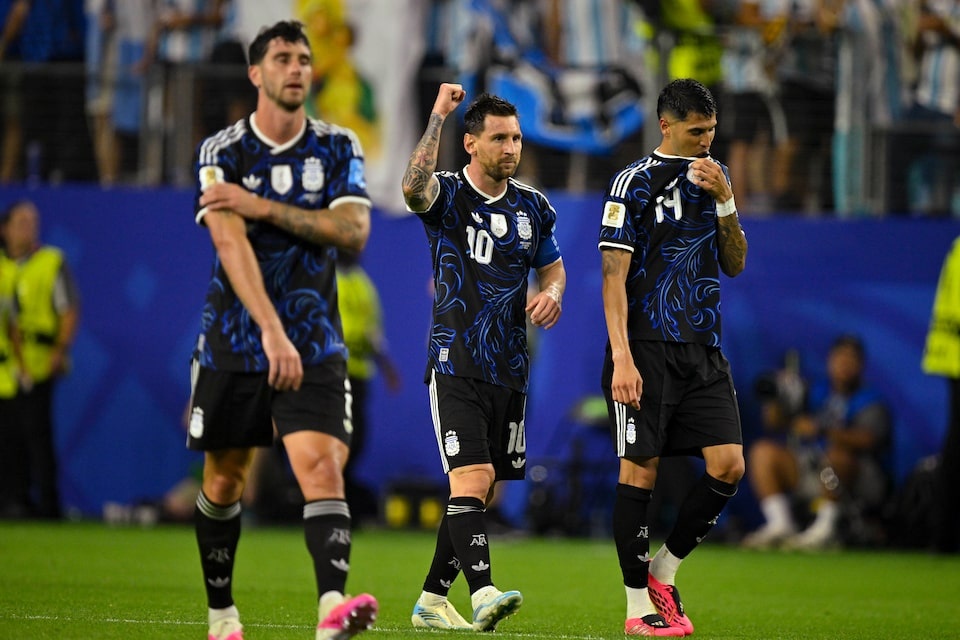 |
Coach Bubista didn't devise a plan solely to neutralize Messi. Photo: Reuters . |
Therefore, coach Bubista didn't devise a plan solely to neutralize Messi. Instead, he instructed his players to focus on how to counter the entire Argentinian team.
"We're just focused on the plan and tactics. The coach always reminds us that we're a family. This is a battle of 11 people, not one individual," said Lopes Cabral.
Cape Verde placed its faith not in a single star who could make a difference, but in the strength of the collective. In sports psychology, this state is called collective efficacy, a concept proposed by psychologist Albert Bandura.
According to this theory, when members collectively believe that the team is capable of accomplishing the task, they will cooperate more effectively, persevere more under pressure, and tend to exceed expectations.
What makes Argentina wary?
That very confidence is also the reason why Argentina doesn't underestimate their opponent, who is considered the weakest in the knockout round. Central defender Lisandro Martínez admitted that Cape Verde is one of the most difficult teams Argentina has faced since the beginning of the tournament.
"It will be a very difficult match. They play with high intensity, have fast players, and defend very well as a block," he said.



Coach Lionel Scaloni insists Argentina will not underestimate Cape Verde in the Round of 16 of the 2026 World Cup, despite the defending champions having just had a near-perfect group stage. According to him, the African team did not reach the knockout round by luck but fully deserved their place based on their performance.
He revealed that the coaching staff had been monitoring Cape Verde even before knowing the two teams would meet in the knockout round. "They are a quality team. We analyzed them beforehand because they are one of the potential opponents. Honestly, we weren't surprised at all that they qualified. They aren't here by chance. We have to give them the utmost respect," the strategist said.
Before the match against Cape Verde, Argentina was not only preparing to deal with a disciplined tactical system or fast-paced players. What made them even more cautious was an opponent who entered the game seemingly without any fear.
Source: https://znews.vn/chi-co-1-co-hoi-cape-verde-van-khong-so-messi-post1665899.html