

After the merger, Chiềng Sại commune has 10 villages with a population of over 6,500 people, mainly ethnic minorities such as the Dao, Muong, Thai, and Mong. The terrain is mainly low-lying basins interspersed with hills along the river, creating many advantages for the development of food crop cultivation, livestock and poultry farming, tropical fruit tree cultivation, forestry, and aquaculture. However, the average per capita income of the commune is currently only about 22 million VND/year, still low compared to the potential and requirements set for building new rural areas.
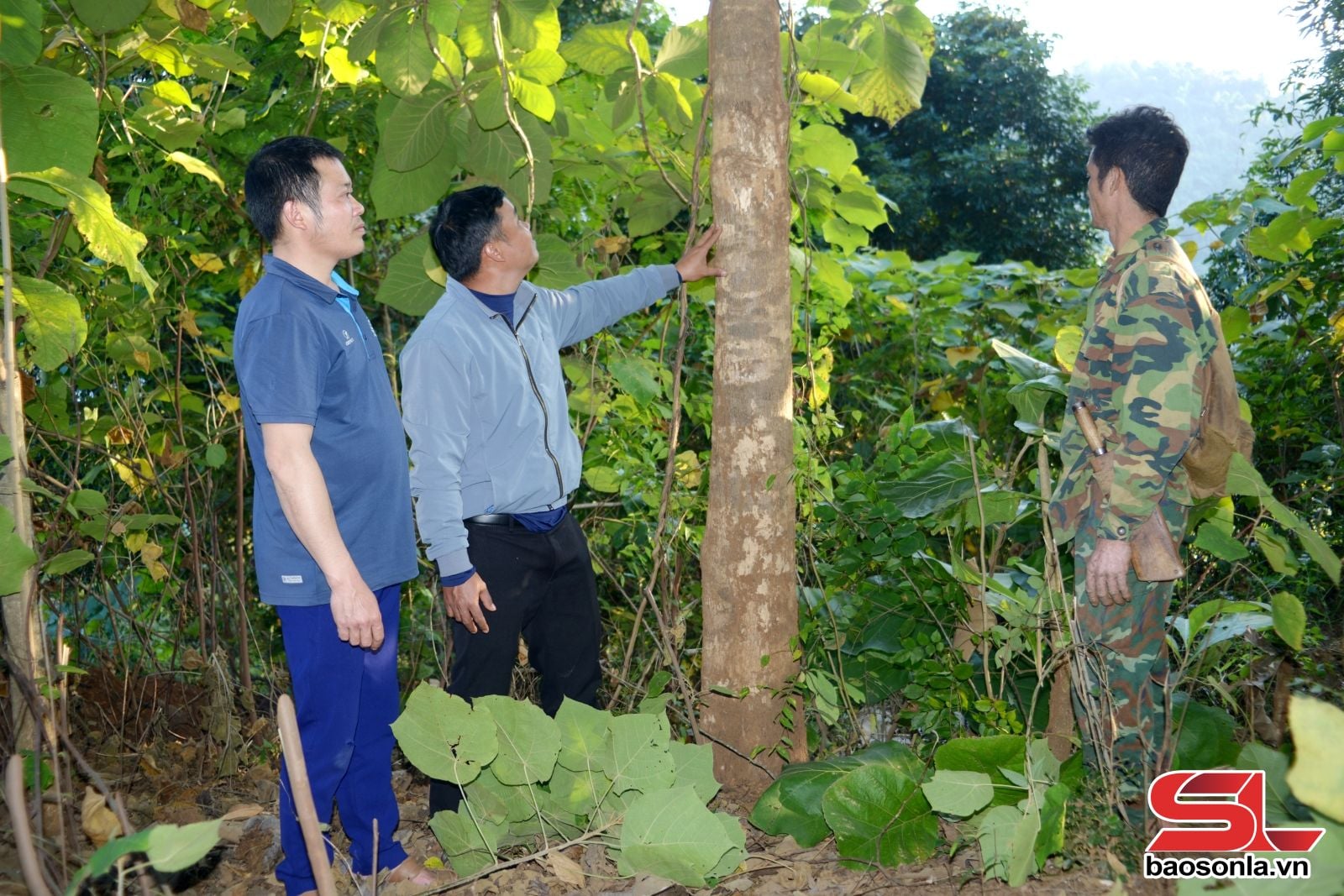
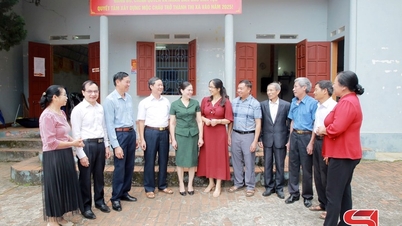
Mr. Vang A Chu, Chairman of the People's Committee of Chieng Sai commune, said: The People's Committee is reviewing and directing specialized agencies to promote and encourage people to intensify cultivation, increase crop yields, apply science and technology, advanced farming processes and new varieties to production; produce food crops in a commercial direction; gradually reduce the area of inefficient crops and develop high - value crops that meet market demand; develop industrial crops according to the plan, forming concentrated raw material areas linked to processing and consumption. The commune is encouraging people to actively plant forestry trees, such as mahogany and teak, on abandoned forestry and agricultural land. In addition, it is researching pilot models for planting coffee and medicinal plants; and maintaining the OCOP product of Song Da candlefish. The commune strives to achieve an average per capita income of over 25 million VND/person/year by 2030.
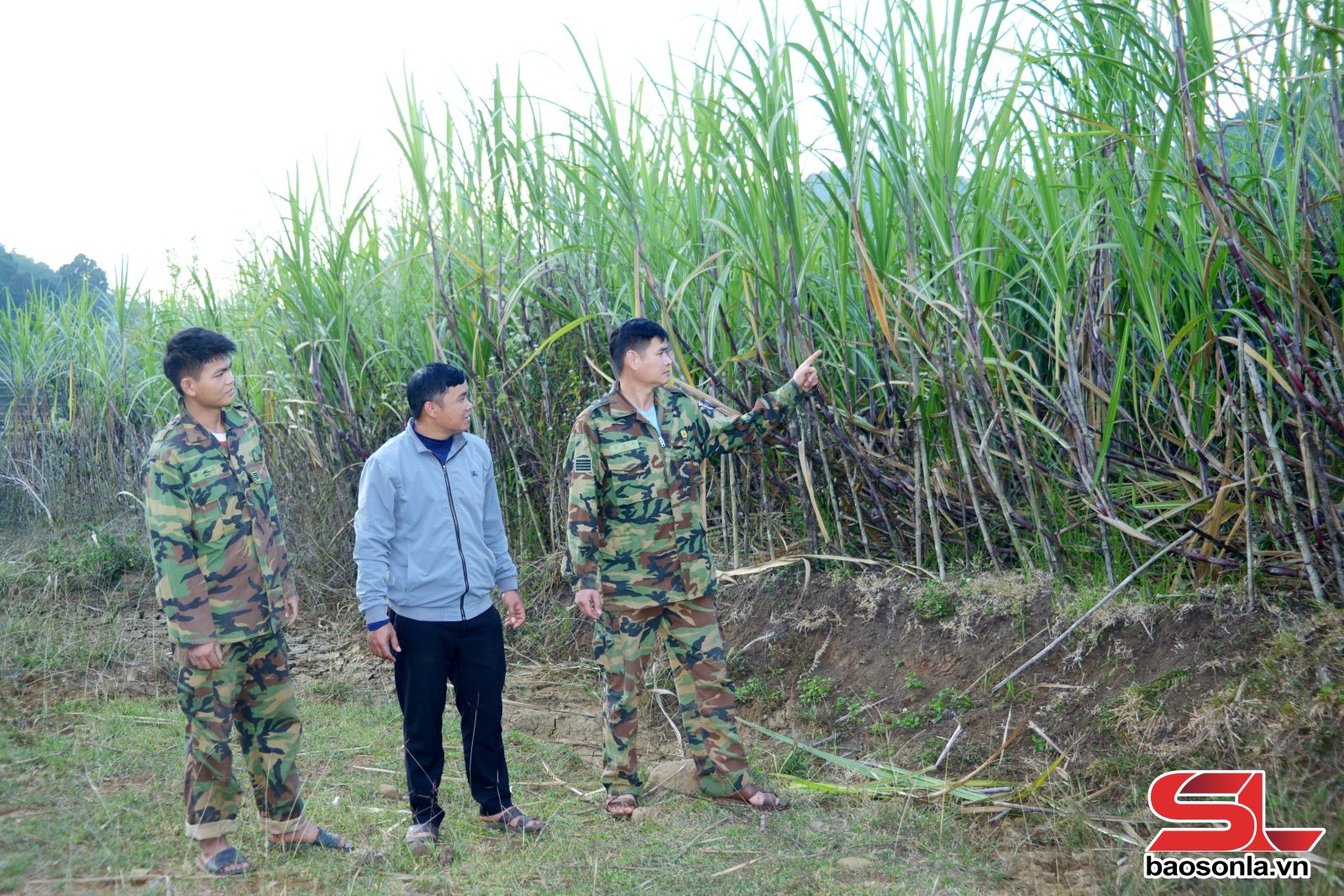
Annually, the commune directs its people to intensively cultivate 50.2 hectares of spring rice; 65.8 hectares of autumn rice; 5 hectares of upland rice; 1,235 hectares of corn; 306 hectares of cassava; 625 hectares of fruit trees; and 90.5 hectares of grass for livestock feed. Notably, since 2017, the commune has implemented a policy of reducing the area of low-yield crops on sloping land, gradually converting corn and cassava cultivation to sugarcane cultivation, and partnering with Son La Sugarcane Joint Stock Company for support in terms of seeds, fertilizers, technology, and product purchase. To date, the entire commune cultivates over 457 hectares, concentrated in the villages of Co Muong, Na Don, Que Son, Tang, Ban En, Suoi Trang, Nam Lin, and Suoi Ngang, with an annual sugarcane yield of approximately 17,640 tons, generating a total income of over 17 billion VND per year from sugarcane cultivation.
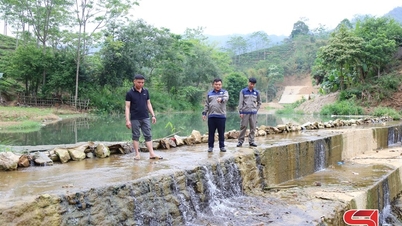
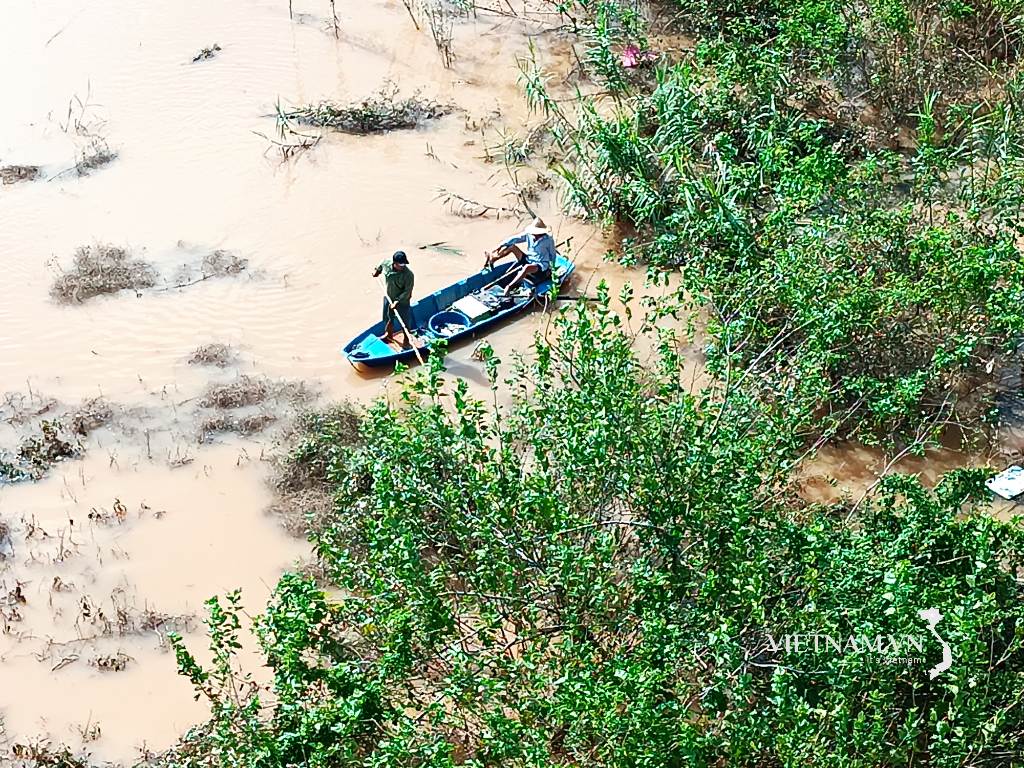
With terrain suitable for commercial livestock farming, the commune's total livestock and poultry population reaches 43,010 animals, including 9,980 cattle and 32,030 poultry. The commune regularly guides its people in effectively implementing measures to prevent and combat cold weather, prevent and control diseases, and maintain hygiene in livestock facilities; developing livestock farming in a safe, efficient, and sustainable manner. In addition, exploiting the potential for aquaculture and fishing from the ponds and reservoirs of the Da River has contributed to diversifying livelihoods and creating additional income for the people. Currently, 874 people from the commune work away from home, providing stable income and contributing to improving the lives of many households.
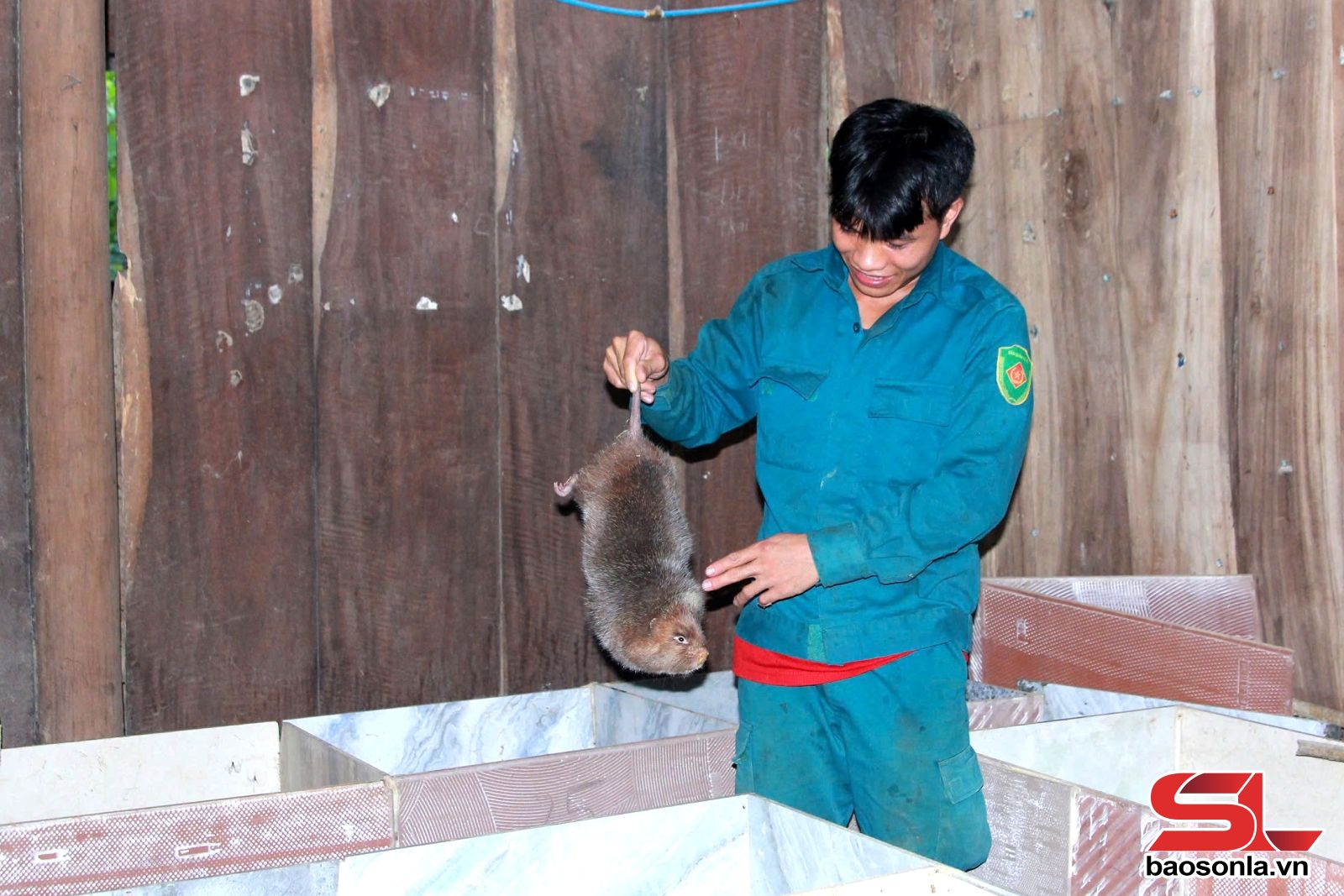
In Na Don village, many household economic models are proving to be very effective. A prime example is the family of Mr. Dinh Van Ngao, who raises over 30 goats, 10 cows, and cultivates over 1 hectare of sugarcane. Thanks to the combination of farming and livestock raising, and the proactive application of science and technology in production, his family earns over 150 million VND per year. Mr. Ngao said: "Previously, my family mainly worked on hillside farming, so our income was unstable; since switching to sugarcane cultivation and developing livestock farming towards a commercial scale, our economy has become more stable, and our living standards have gradually improved."
Along with replicating effective economic models, Na Don village focuses on mobilizing people to change the crop structure, gradually increasing income. To date, the average per capita income of the village has reached approximately 34 million VND/year. Mr. Dinh Van Dung, Party Secretary and Head of Na Don village, said: The village currently has 165 households and 733 inhabitants. This year, the Party branch and the village management board mobilized people to plant 31 hectares of sugarcane, bringing the total sugarcane area of the village to 65 hectares; and raise over 5,000 livestock and poultry. In addition, 86 laborers from the village are working in Bac Ninh and Hung Yen provinces, contributing to increased income and improved living standards for households.
Despite facing many challenges, with the coordinated efforts of the Party committee and government, and the proactive participation of the people, Chiềng Sại commune is gradually and effectively exploiting its existing potential and advantages, creating significant changes in improving income criteria and contributing to the goal of building a sustainable new rural area.
Source: https://baosonla.vn/kinh-te/chieng-sai-thuc-hien-tieu-chi-thu-nhap-9WITOA4Dg.html







































































Comment (0)