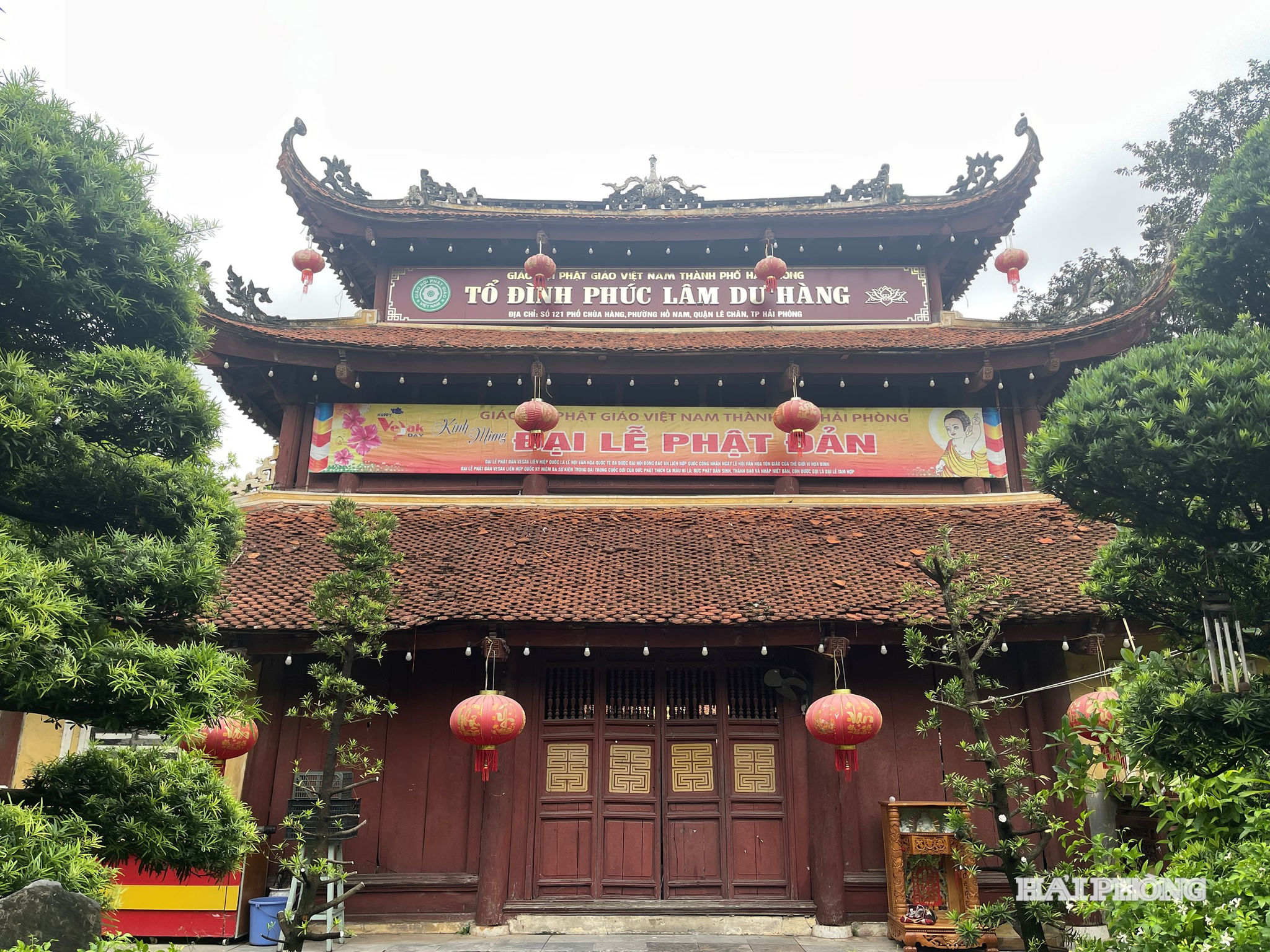
A thousand-year-old temple
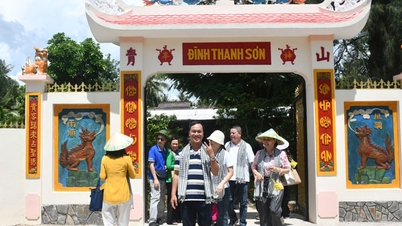
Located on Du Hang Street in Le Chan Ward, Du Hang Pagoda (also known as Phuc Lam Temple) has long been one of the most famous and oldest pagodas in Hai Phong. Unlike the hustle and bustle of the surrounding streets, upon passing through the triple-arched gate, visitors can easily feel the tranquil atmosphere with the shade of ancient trees, the ringing of bells, and moss-covered tiled roofs bearing the distinct mark of time.
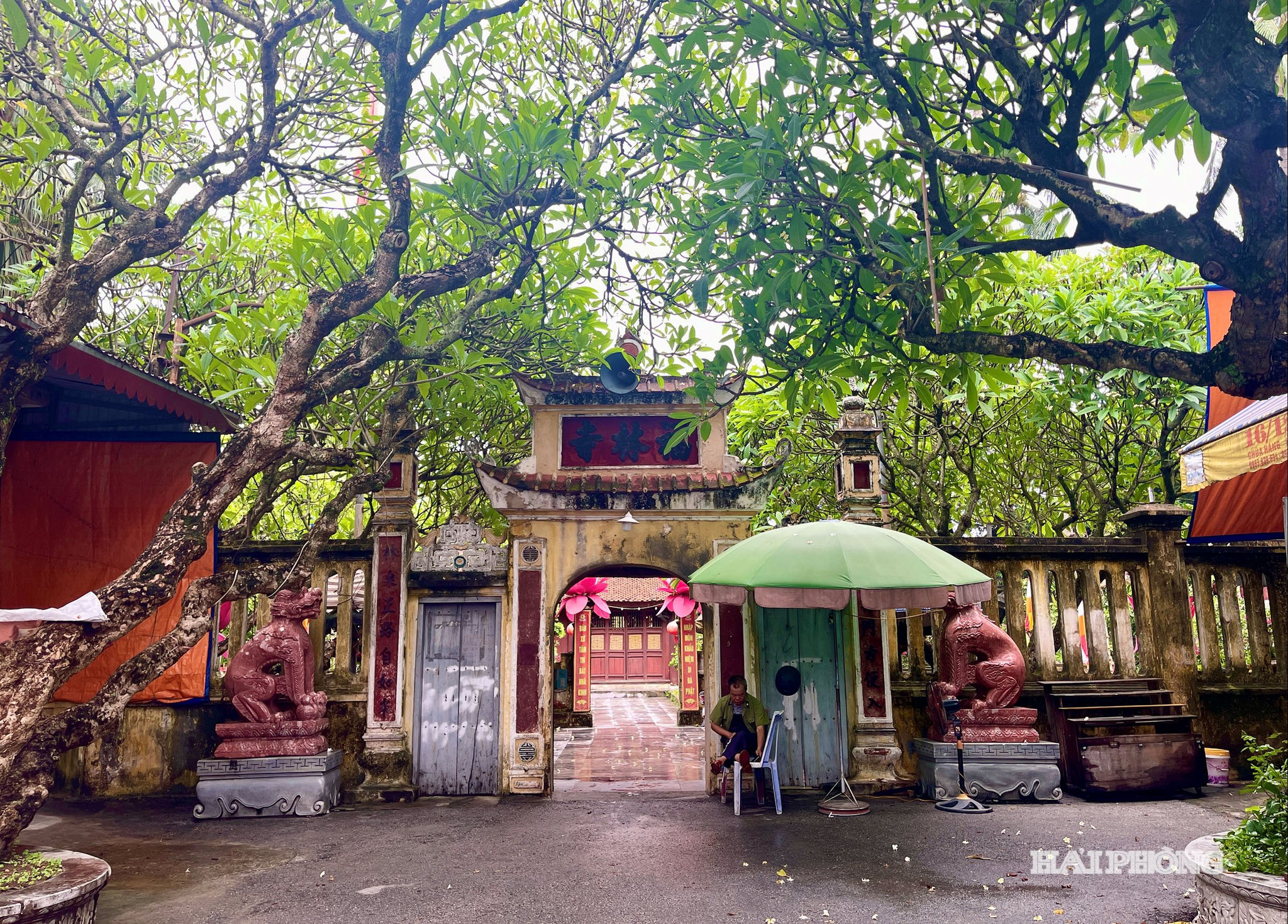
According to historical records, the pagoda dates back to the Early Le Dynasty, around the late 10th or early 11th century. Legend says that during the late reign of King Le Dai Hanh, a high-ranking monk came here to spread Buddhist teachings, laying the foundation for the pagoda's formation. During the Tran Dynasty, the pagoda had close ties with the Truc Lam Yen Tu Zen sect founded by Emperor Tran Nhan Tong. From then until now, the pagoda has maintained many rituals commemorating the founders of the Truc Lam Zen sect.
Throughout its history, the temple has undergone numerous renovations. In 1672, during the reign of King Le Gia Tong, Venerable Nguyen Dinh Sach spearheaded the expansion of the temple grounds, adding a bell tower, an ancestral hall, monks' quarters, and many other structures. Further renovations in the late 19th and early 20th centuries further refined the appearance of this ancient temple, which visitors can still see today.
For over a millennium, Du Hang Pagoda has retained its ancient charm amidst the modern city. The overlapping tiled roofs, wooden rafters, couplets, horizontal plaques, and exquisite carvings create a solemn yet welcoming beauty, making the pagoda a familiar destination for locals and tourists alike whenever they visit Hai Phong.
Historical significance and cultural value



Du Hang Pagoda is built in the traditional "Dinh" shaped architectural style. At its center is a large seven-bay Buddha hall, with a triple-arched gate and a three-tiered bell tower with soaring curved roofs in front. On either side are the ancestral hall, monks' quarters, a rear worship hall, and many other auxiliary structures, creating a harmonious and imposing overall structure while still retaining the characteristic elegance of Vietnamese pagoda architecture.
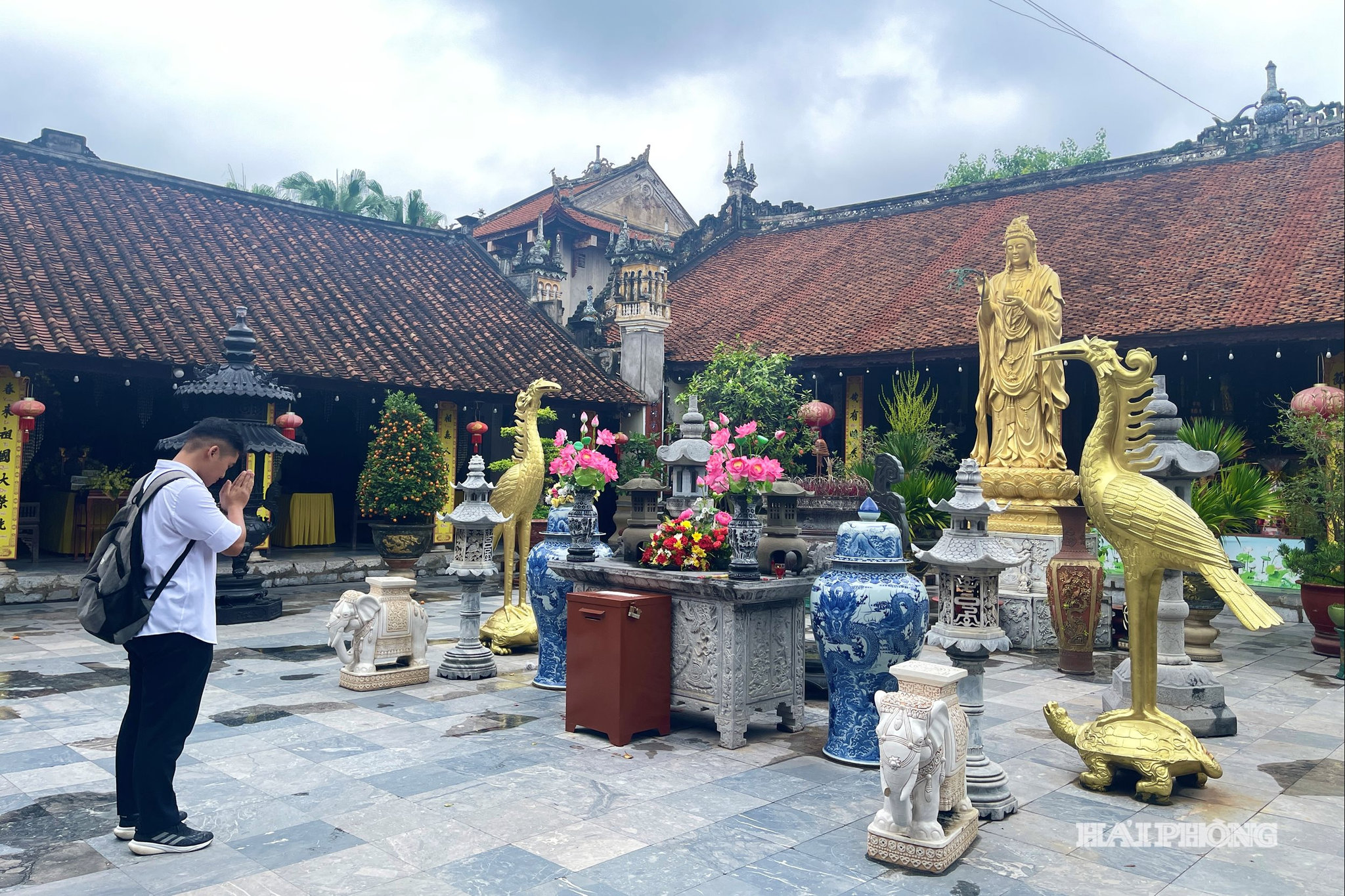
Inside the main hall, many ancient statues are still preserved almost intact. The set of Three Buddhas, the Nine Dragons altar, the Shakyamuni Triad, the Amitabha Triad, along with the system of Guardian Deities and the Ten Kings of Hell, all possess high artistic value. The horizontal plaques, couplets, and ornate archways are elaborately carved with dragons, clouds, and flowers, reflecting the exquisite sculpting techniques of ancient artisans.
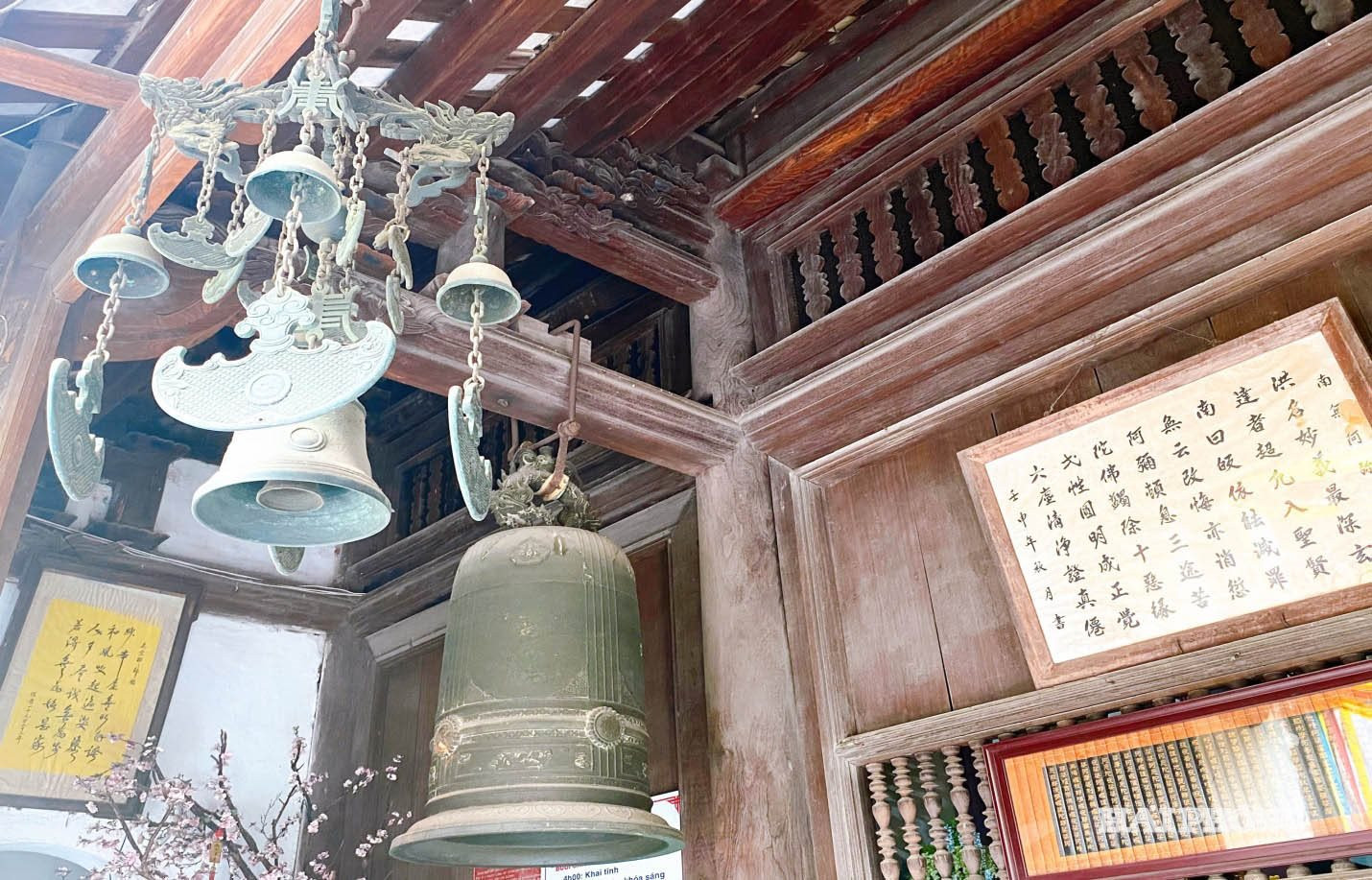
One of the highlights of Du Hang Pagoda is its bell tower with a large bronze bell bearing the inscription "Phuc Lam Temple Bell". Whenever the bell rings, the atmosphere seems to quiet down amidst the hustle and bustle of city life, bringing a sense of tranquility and peace.
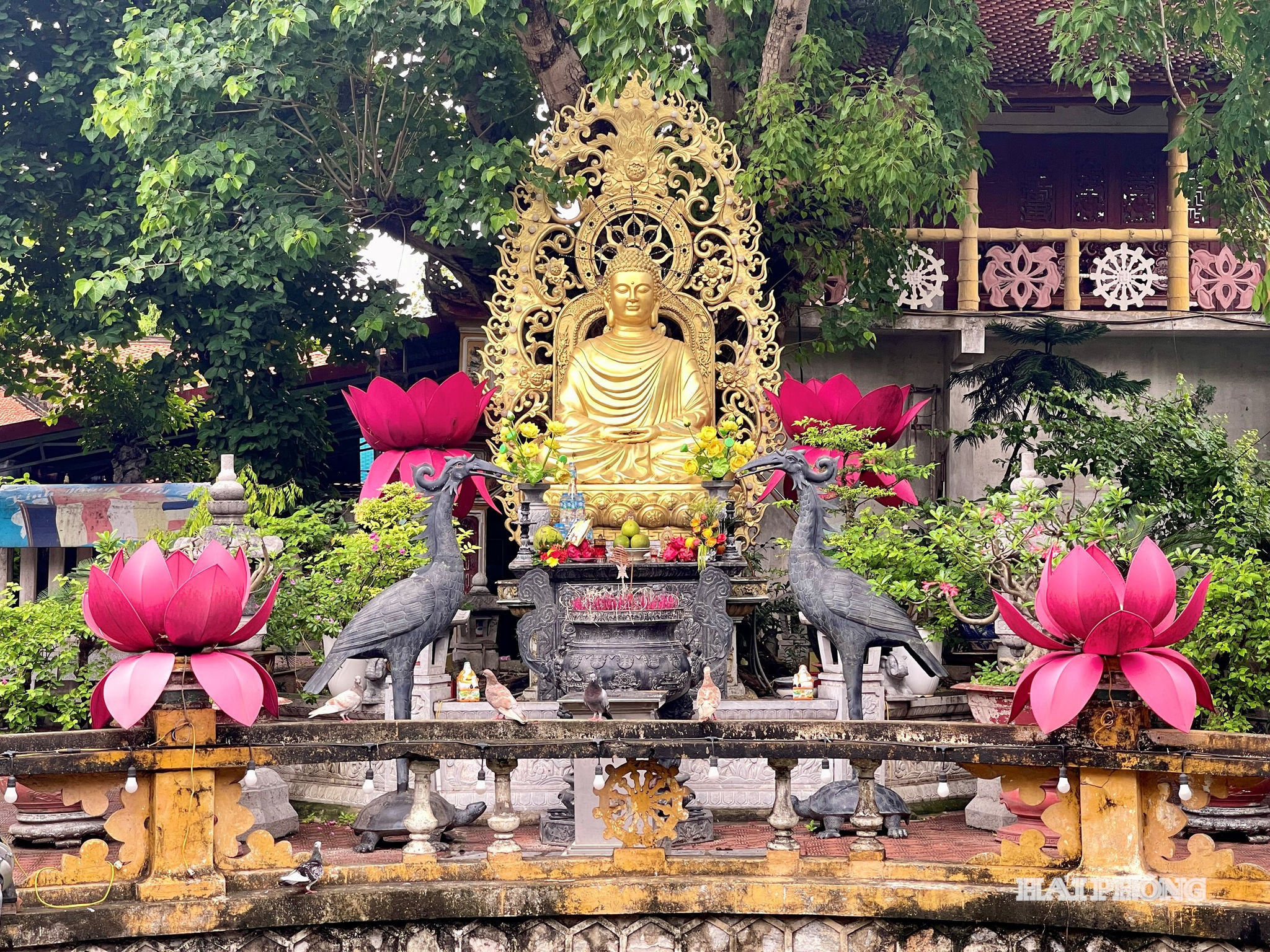
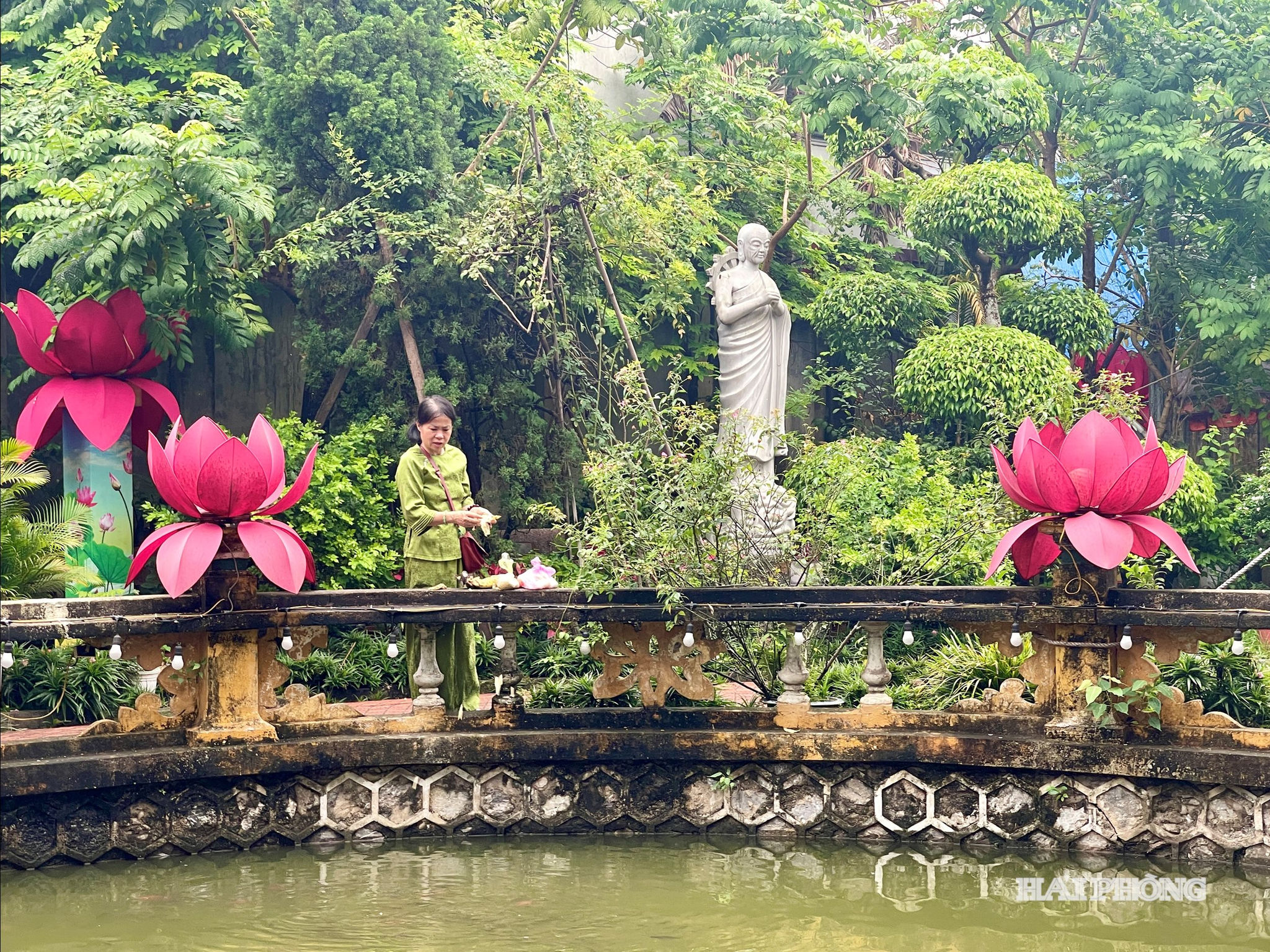
Behind the main hall is the stupa garden, which houses the stupas of many high-ranking monks and abbots throughout history. Beside it is a sculpture garden with a pond, a statue of Buddha Shakyamuni meditating under a Bodhi tree, a statue of Maitreya Buddha, and statues of his disciples, all crafted from white stone. The lush green space, harmoniously blending trees and architecture, makes this place a popular destination for those seeking tranquility after the stresses of life.
Besides its architectural structures, the pagoda also preserves many valuable artifacts such as bronze bells, gongs, bronze incense burners, stone and ceramic religious objects, and especially the Long Agama Sutra, a valuable document for the history of Vietnamese Buddhism. These also serve as evidence of the preservation of heritage through many generations of monks, nuns, and Buddhists.
More than just a religious structure, Du Hang Pagoda is also associated with many historical events of the country. In 1926, it hosted a memorial service for the patriot Phan Chu Trinh, attended by numerous monks, nuns, students, intellectuals, and people of Hai Phong. After the August Revolution of 1945, the pagoda was the launching place of the Hai Phong Buddhist Sangha for National Salvation, and also hosted many meetings of revolutionary organizations preparing to welcome President Ho Chi Minh to the city.
Throughout the years of resistance, the pagoda opened its doors to shelter revolutionary cadres and provided food and clothing to the revolutionary forces. Many monks directly participated in the resistance, contributing to the protection of national independence. In 1986, Du Hang Pagoda was recognized as a national historical and cultural relic.



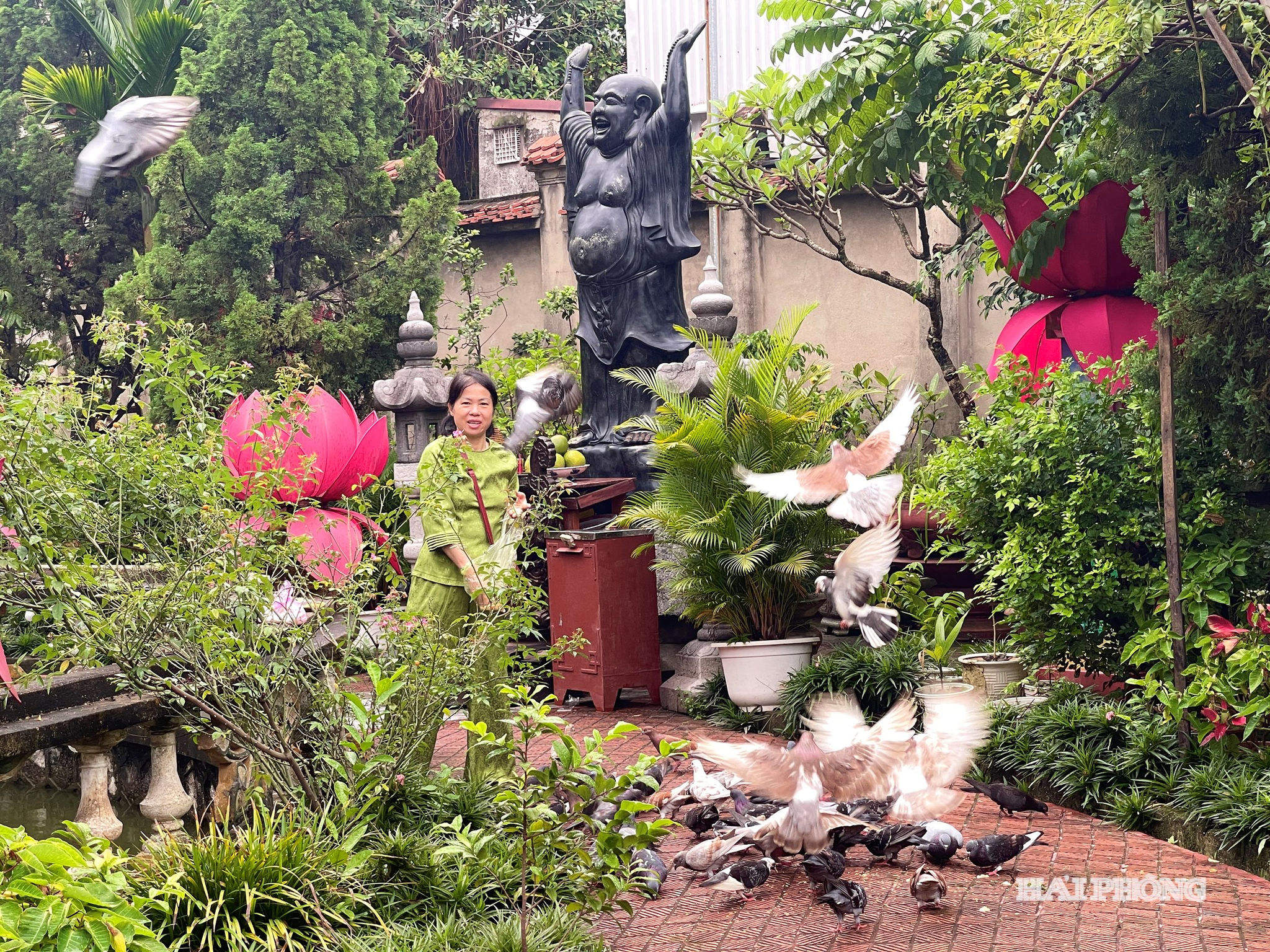
Today, Du Hang Pagoda is not only a spiritual anchor for the people of Hai Phong but also an attractive destination for tourists. Many people come here not only to worship Buddha and pray for peace but also to admire the architectural values preserved over centuries.
Amidst the bustling development of the port city, Du Hang Pagoda quietly preserves cultural, historical, and spiritual values accumulated over thousands of years. The pagoda is a repository of the memories of the land and people of Hai Phong, allowing each visitor to better appreciate the depth of the city's culture.
PHUONG LINHSource: https://baohaiphong.vn/chua-du-hang-net-co-kinh-giua-long-pho-cang-546940.html