

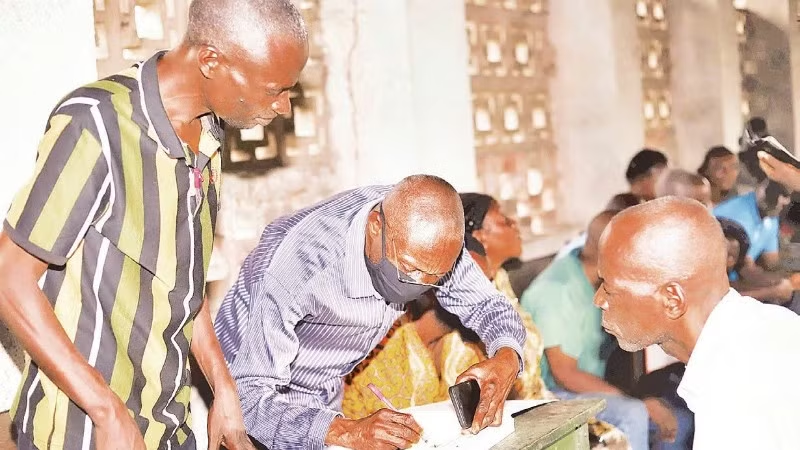
The lessons learned from the Covid-19 pandemic regarding fostering a spirit of sharing, solidarity, and cooperation in healthcare remain highly relevant today, as conflicts continue and place immense pressure on global healthcare systems.
Europe has just taken a landmark step to support Africa in building vaccine production facilities. Specifically, the European Investment Bank (EIB), the European Commission, and the International Finance Corporation (IFC) are participating in a project to support pharmaceutical company Biovac in building Africa's first self-contained multi-vaccine production facility in South Africa. This is a crucial step to strengthen health security and improve access to essential vaccines for people in Africa, as the continent has long been a weak and vulnerable link in the global health system, especially during the Covid-19 pandemic.
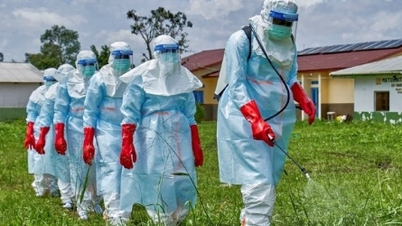
The paradox of vaccine shortages and surpluses was clearly demonstrated during the Covid-19 pandemic. In early 2022, while the US and Europe were ramping up booster vaccination campaigns, less than 15% of Africa's more than 1.3 billion people had received at least one dose. At the time, the World Health Organization (WHO) advised wealthy nations to postpone third-dose vaccinations to prioritize poorer countries struggling with vaccine shortages. The lack of vaccine supply was a major reason for this situation. Furthermore, Africa's already weak healthcare network before the Covid-19 pandemic, coupled with dilapidated transportation systems and a severe shortage of healthcare workers, made the proper transportation and storage of vaccines a significant challenge. The pandemic situation is particularly serious in areas where conflict is a daily occurrence and food shortages are a chronic problem. Therefore, building and locating vaccine production facilities in Africa is especially important to ensure a timely supply of vaccines to the population.
The European side stated that the new plant, expected to be completed in 2028, will initially produce oral cholera vaccine, then expand to polio, pneumonia, and meningitis vaccines. Once operational, the plant is expected to produce 30 to 40 million doses per year. The CEO of Biovac expressed confidence that the new plant will ensure a stable supply of vaccines for Africa, while also improving workforce skills, promoting technology transfer, and fostering vaccine innovation on the continent.
In recent times, health cooperation between Europe and Africa has been significantly promoted. The two Centers for Disease Control and Prevention (Africa CDC) and Europe CDC recently signed a Memorandum of Understanding on cooperation in disease surveillance, risk assessment, and emergency response. This event is considered a "win-win" step. Europe's support for Africa in stabilizing its healthcare system and society also contributes to reducing the influx of illegal migration to the continent. Meanwhile, through these cooperation agreements, Africa has the opportunity to access technology and enhance its domestic vaccine production capacity. Zambian President Hakainde Hichilema has affirmed that the Covid-19 pandemic clearly revealed Africa's dependence on external vaccine supplies. He emphasized the urgent need to build domestic vaccine production capacity for Africa.
Following the Covid-19 pandemic, the world is facing many other major health challenges under the impact of conflict, climate change, and more. The key to ensuring health for all remains solidarity, cooperation, and sharing. Collaborative health initiatives are contributing to strengthening collective power and improving the effectiveness of the global health system's response to these challenges.
Source: https://nhandan.vn/chung-tay-xay-dung-he-thong-y-te-ben-vung-post961337.html







































































Comment (0)