Livelihood in the old village
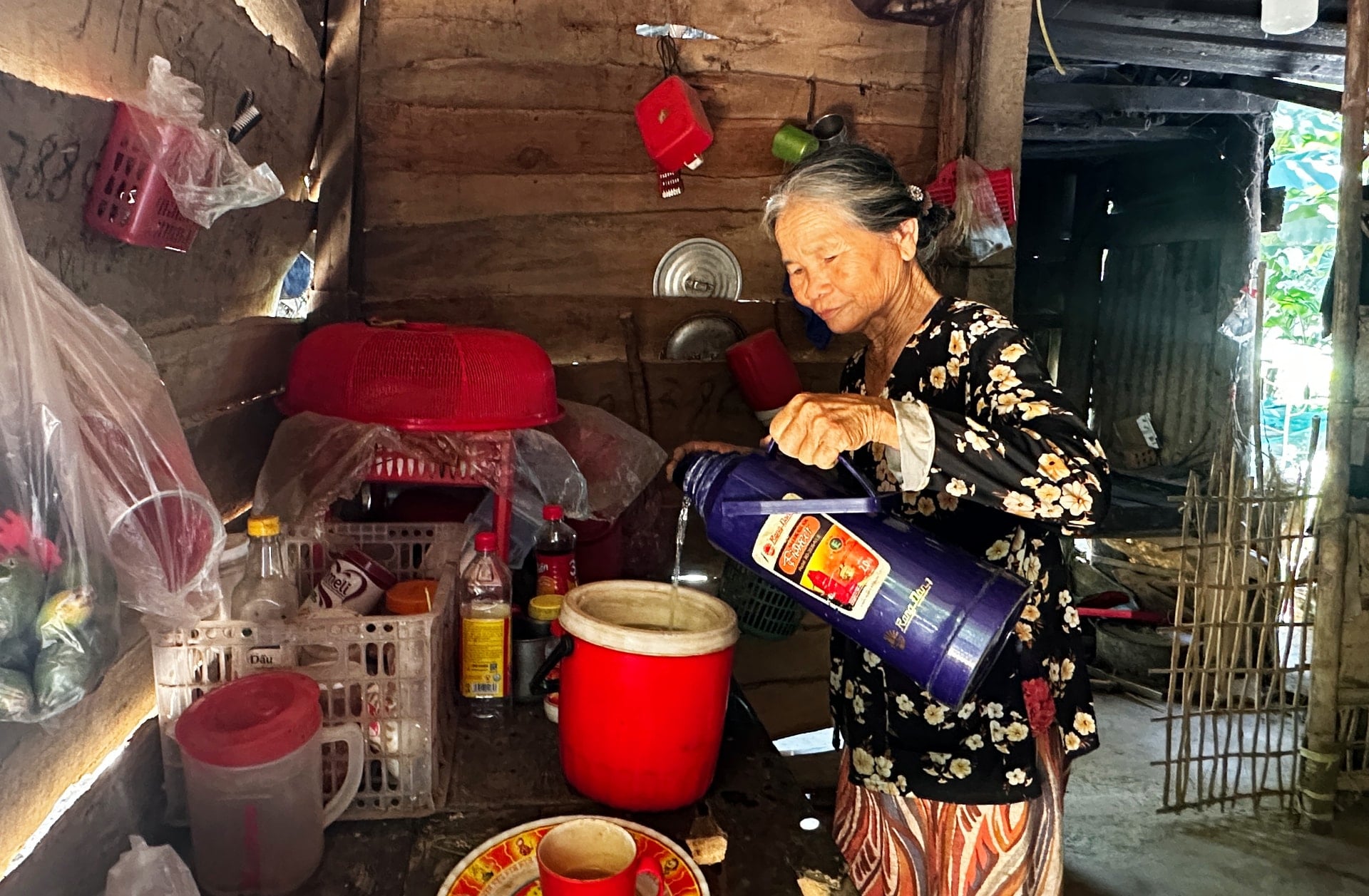
In a makeshift house sheltered by wooden planks in the Ấp Bắc area, Mrs. Trần Thị Trí (77 years old) and Mr. Lâm Văn Láng (79 years old) still live amidst the garden that has been their home for almost their entire lives.
Ms. Tri recounted that the Ấp Bắc area previously had over 30 households living in a severely landslide-prone zone along the Vu Gia River. Since 2019, the Đại Phong commune government (formerly Đại Lộc district, Quảng Nam province) has been encouraging residents to relocate from the dangerous area. By 2020, most households were allocated resettlement land in a new area, also within Mỹ Hảo village. Her family was allocated a 150m² plot of land, after which they dismantled their old house and moved it to the new area to build a single-story house.
The new house was sturdier and in a safer location, but Mrs. Tri only stayed there for a short time before returning to her old home. She said that at nearly 80 years old, what kept them connected to their old village was the entire 2,500 square meter garden with its vegetables, cows, chickens, and daily work.
It's not just Mrs. Tri's family; many households, after having houses in the resettlement area, still return to Ap Bac to farm and raise livestock. The new houses in the resettlement area are therefore sometimes closed and silent, while the old village across the fields still has its cooking fires burning...
Some houses do not yet have land ownership certificates.


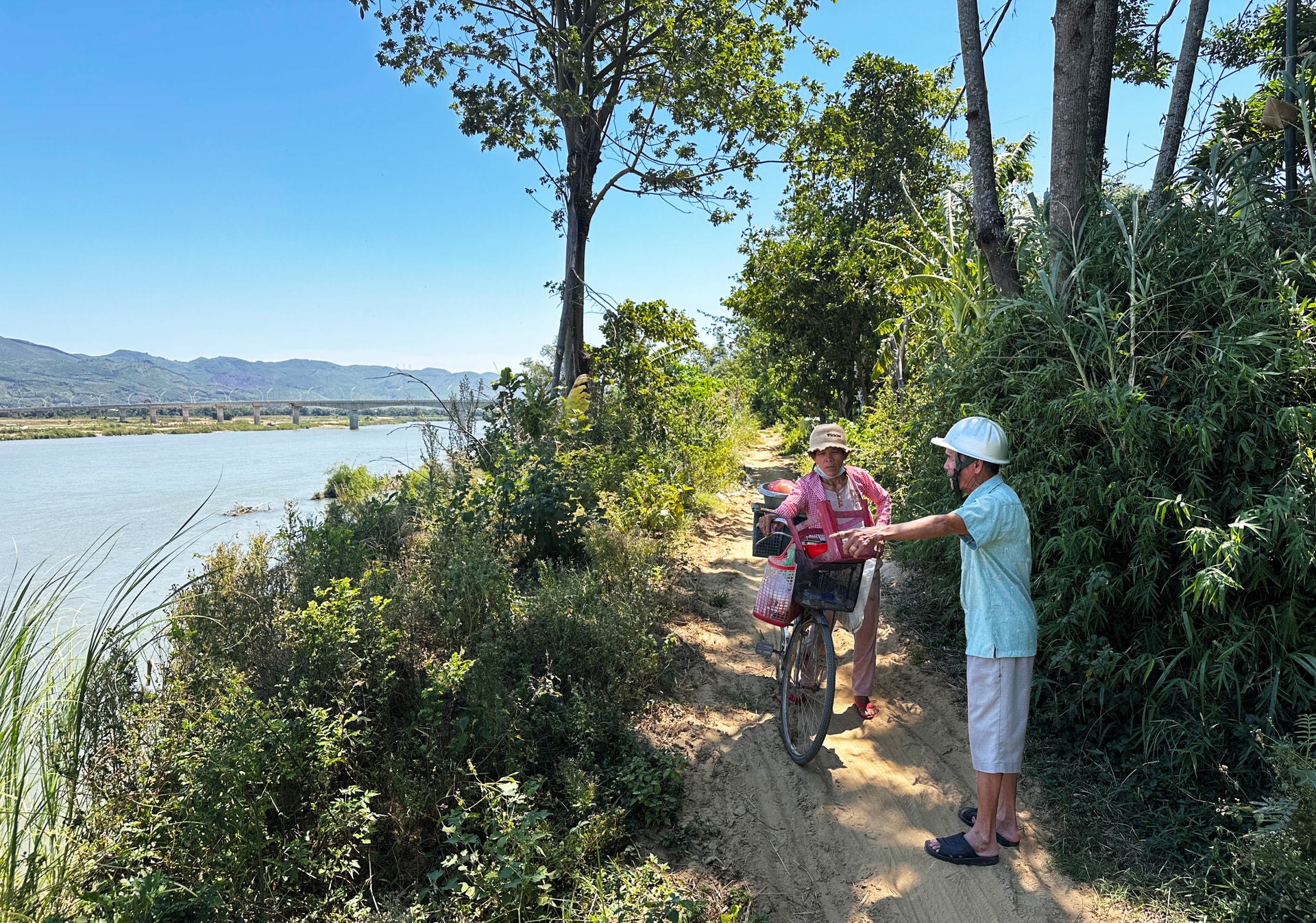
Following the old dirt road to the edge of the Vu Gia River, the signs of erosion in the Ap Bac area are quite clear. According to locals, in just the last 5 years, the water has eroded more than 50 meters of land from the riverbank into the old village. This is a dangerous area during the rainy season, but it is also where many households still have land for farming, livestock pens, fruit trees, and their main source of income.
Ms. Nguyen Thi An (52 years old, My Hao village) owns over 3,000 square meters of garden land in the old Ap Bac area. Besides growing vegetables, she raises two cows and occasionally does odd jobs around the area to make ends meet.
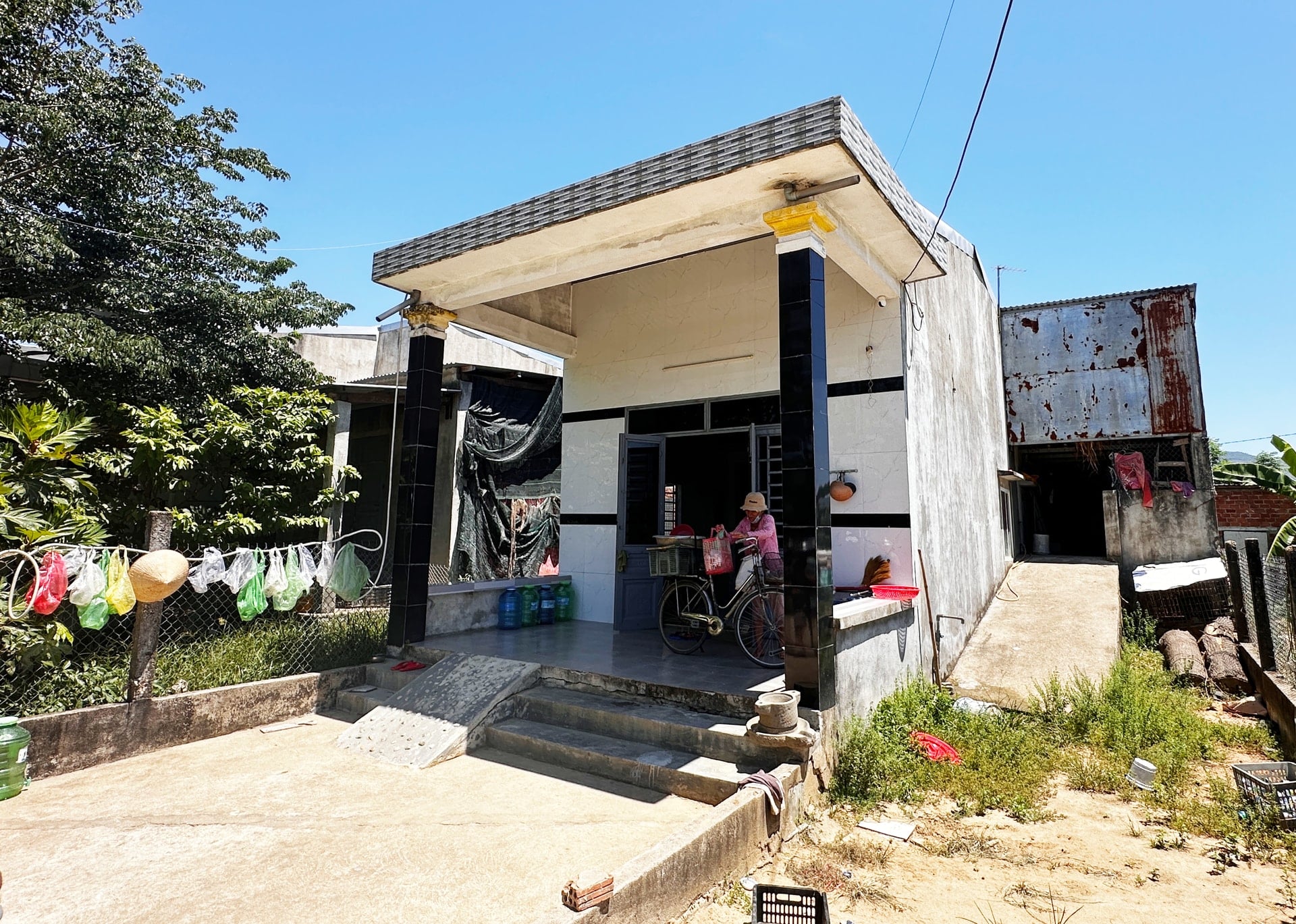
Like many other households, her family was allocated a 150m² plot of land in the resettlement area, received 20 million VND in assistance for relocating their old house, an additional 50 million VND from benefactors, and support from the local authorities for building materials. Thanks to this, she was able to build a house with a mezzanine.
What worries her is that the new house, built many years ago, has not yet been issued a land use certificate, so the family cannot mortgage it to borrow money from the bank when needed. “We have a new house, but without the land title, I still don't feel completely secure. We had to borrow money to build the house, and now it's difficult to raise capital to repay the debt because the bank is asking for the land use certificate. We live in the house, the land is there, but without the title, we feel uncertain. And we still have to go back to work the old garden; if we leave it like that, what will we live on?” Mrs. An said.
This situation is also a common concern for the 31 households relocated from Ấp Bắc to the Mỹ Hảo resettlement area. Until land use certificates are issued, their sense of security and stability remains uncertain.
Removing obstacles to settle down
Mr. Ngo Van Truong, Deputy Head of the Economic Department of Vu Gia commune, said that the relocation of households from the Ấp Bắc area, which is at risk of landslides, was carried out according to the plan of the former Dai Loc District People's Committee since 2019. By the end of 2020, the households were relocated to the My Hao village resettlement area. This is a resettlement plan due to natural disasters, with the primary goal of moving people out of the dangerous area, so only residential land was allocated, while most households continued to live by farming, growing vegetables and chili peppers, and raising livestock in their old location.
“The local authorities have noted that some households, despite having new houses, still return to their old areas to live or stay longer than necessary. The commune has repeatedly disseminated information, encouraged residents, and analyzed the risk of landslides, especially during the rainy season, and has also drawn up written commitments not to stay in dangerous areas. However, due to their livelihoods and work habits still tied to their old homes, this situation persists. During the rainy season, this area is always closely monitored, and people are urged to move to safer locations,” Mr. Truong said.

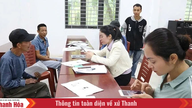
Another obstacle is the issuance of land use right certificates in the resettlement area. According to Mr. Truong, from 2020 until the implementation of the two-tiered local government model, this matter fell under the authority of the former Dai Loc District People's Committee. Due to complications with paperwork, procedures, land use plans, and survey data, many households have been allocated land and built houses but have not yet received certificates, causing frustration, especially for those who need to mortgage their land to borrow capital.
After Vu Gia commune adopted a two-tiered local government model, the People's Committee of the commune assigned the Economic Department, specifically the land department, to review the old land allocation plans and survey data at the My Hao resettlement area. Currently, the locality is implementing a campaign to accelerate the completion and cleaning of the national land database by 2026, so the backlog of 31 households is being reviewed and surveyed more comprehensively.
“The commune’s stance is to definitively resolve the legitimate concerns of the people. The issuance of land use right certificates to 31 households in the My Hao resettlement area is being reviewed and finalized. Once the land documents are resolved, people will feel more secure in their new homes. The local authorities are also continuing to encourage households not to return to the landslide-prone area, so that the resettlement achieves the goal of long-term safety and stability,” Mr. Truong informed.
Source: https://baodanang.vn/chuyen-ghi-o-ap-bac-3339941.html

![[Photo] General Secretary and President To Lam attends the Central Public Security Party Committee Conference](https://vphoto.vietnam.vn/thumb/1200x675/vietnam/resource/IMAGE/2026/06/24/1782302063612_a1-bnd-9302-9166-jpg.webp)
![[Photo] Opening Ceremony of the 13th National Congress of the Ho Chi Minh Communist Youth Union](https://vphoto.vietnam.vn/thumb/1200x675/vietnam/resource/IMAGE/2026/06/24/1782286753905_ndo_br_1-8510-jpg.webp)

![[Photo] The 13th National Congress of the Youth Union conducts personnel work.](https://vphoto.vietnam.vn/thumb/1200x675/vietnam/resource/IMAGE/2026/06/24/1782299943080_ndo_br_1-6868-jpg.webp)