

Set in the 1990s, with many scenes filmed in eastern Dak Lak, the film shows how cinema can become a "lever" to boost tourism . However, for this effect to be sustainable, a well-planned strategy is needed, linking cinema, local areas, and the tourism industry.
When cinema guides travelers
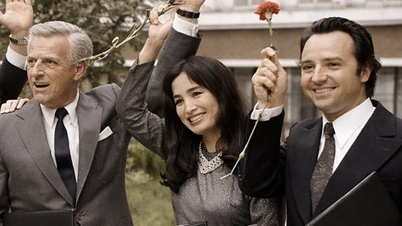
In "A Date on Eclipse," the story revolves around Thien An (Doan Thien An), a Catholic girl, and her love for Thien (Khuong Le), an electrician from afar. Their love faces obstacles when Mrs. Hoa (actress Le Khanh), An's mother, opposes the relationship with a non-Catholic and steers her daughter towards a safer choice: Dr. Hai (Thanh Son). The conflict between filial piety and personal happiness escalates the story, adding emotional depth to the film.
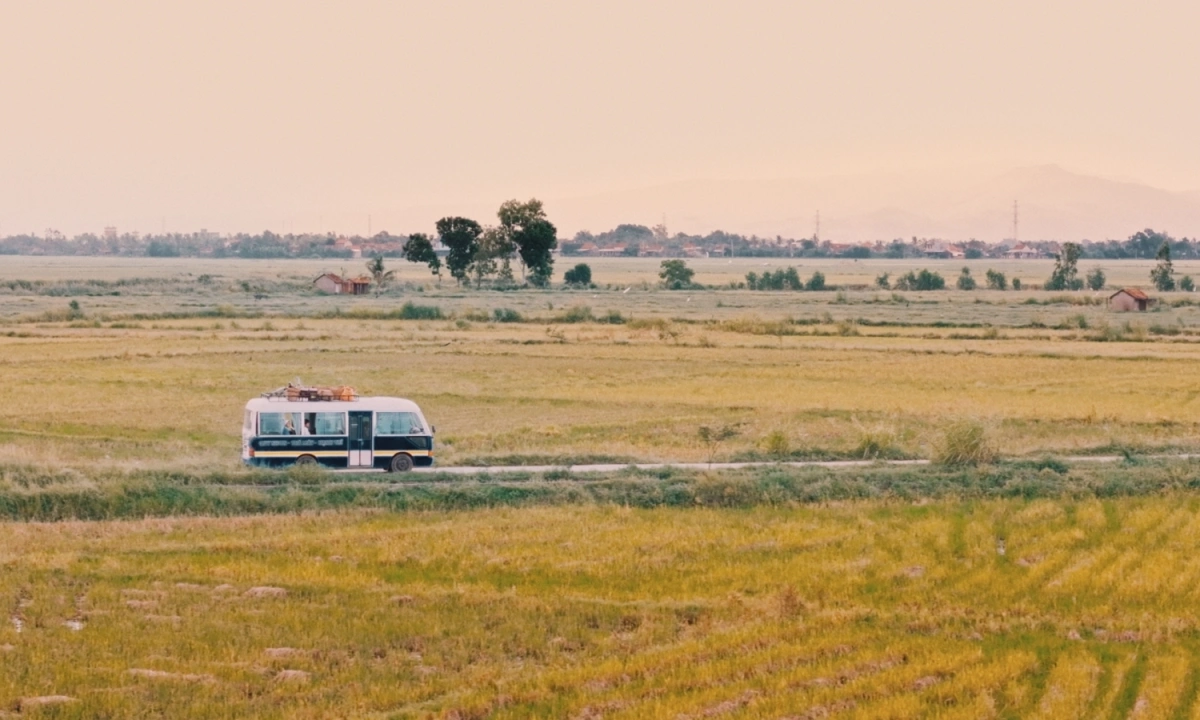 |
| Hoc Ram (Tay Hoa commune) with its rice fields and buses constantly traveling back and forth. Photo: Provided by the film crew. |
Beyond its captivating story, the film also scores points for its richly cinematic setting. Red-tiled houses nestled along village roads, vast fields of ripening rice, and bustling buses are depicted through wide-angle shots, especially aerial shots, creating a space that is both realistic and aesthetically pleasing. The village setting, with its church and religious life, also contributes to the unique charm of "Meet Me on Eclipse Day."
Upon its release, the film quickly garnered audience attention, grossing over 60 billion VND after more than a week of screening. Along with that, many locations featured in the film, such as Lang Song Church (Gia Lai province); Lang Lo Beach (Hoa Hiep ward), Hoc Ram (Tay Hoa commune), Hoc Gao Church (Phu Hoa 2 commune, Dak Lak province)... were also widely searched for and shared on social media. This shows that the film's appeal stems not only from its content but also from its ability to evoke emotions and a desire to experience real-life settings.
This effect is not an isolated case. Previously, many films shot in Phu Yen (now eastern Dak Lak) such as "I See Yellow Flowers on Green Grass" or "Once Upon a Time There Was a Love Story"... also created a phenomenon, attracting a large number of tourists to the "land of yellow flowers and green grass." At that time, places like Bai Xep, Ganh Da Dia, O Loan Lagoon, Bai Mon - Mui Dien... from being pristine quickly became famous tourist destinations. Notably, this spread mainly came from the poetic and emotionally rich imagery provided by cinema, contributing to redefining the image of the region in the public's mind.
Thus, cinema is clearly opening up a great opportunity for tourism. A successful film can become an effective promotional channel, bringing the image of a locality to millions of viewers without requiring excessive media costs. At the same time, the trend of film-based tourism is becoming increasingly popular, as tourists seek out locations featured on screen to experience them firsthand.
From emotional effects to the challenge of sustainable development
Speaking at the recent seminar "Connecting and Promoting Culture, Heritage, History, and Tourism," Dr. Le Quoc Vinh, Chairman and CEO of Le Media Group, stated that cinema is a crucial link in the cultural industry, contributing to the promotion of tourism. A successful film can inspire and encourage tourists to visit the region depicted. When stories about people and heritage are told in a compelling way, they become vibrant "cultural assets," creating motivation for travel and contributing to promoting the image of the locality to domestic and international tourists.
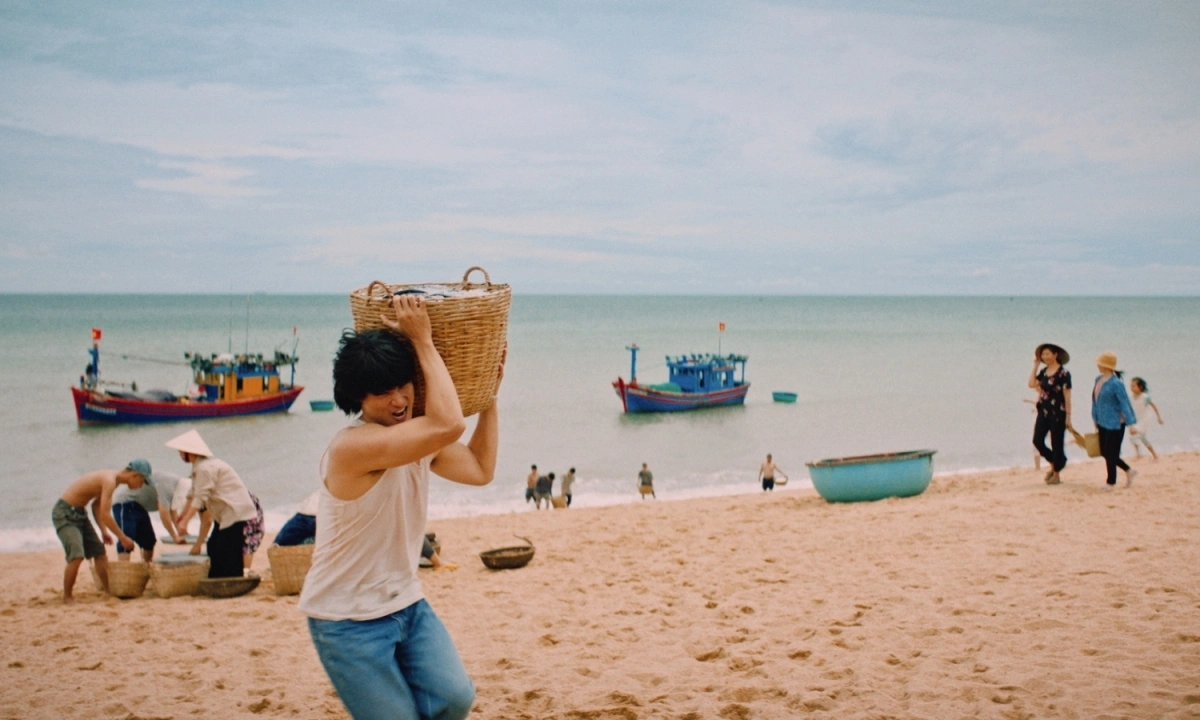 |
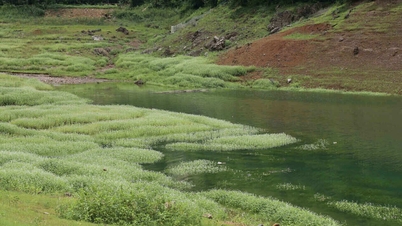
| Lo Village Beach (Hoa Hiep Ward) - one of the film's settings. Photo: Provided by the film crew . |
However, opportunities cannot automatically translate into results without synchronized preparation. In reality, the effect of films is often temporary. Many tourists come following the trend, take photos, and then leave, while the accompanying tourism products remain monotonous and lack depth. This necessitates a shift from a "follow the trend" mindset to proactive development.
To achieve this, each setting in the film needs to be exploited to develop specific experiential tourism products. Simultaneously, investment in infrastructure, services, and landscape preservation must be implemented in a coordinated manner to ensure that when tourists visit, they not only encounter familiar scenes but also have a complete and memorable journey. In parallel, developing specialized tourism products such as film-themed tours, recreated setting spaces, or local cultural experiences is essential to extend the length of stay and increase the value of tourism...
From "I See Yellow Flowers on Green Grass" to "Meet Me on Eclipse Day," it's clear that cinema is becoming a bridge bringing images of the land closer to the public. Emotionally rich stories, when placed in a space imbued with cultural identity, have a powerful impact. And for these films to not just be a fleeting effect but a driving force for sustainable development, a long-term vision and coordinated efforts are needed. Then, each film will not only be a work of art, but also a "door" opening opportunities for tourism development, where audiences can step outside the screen to continue their own stories in the very land that once moved them.
Viet An
Source: https://baodaklak.vn/kinh-te/du-lich/202604/co-hoi-phat-trien-du-lich-tu-dien-anh-e9b4e1b/





































































Comment (0)