A "golden opportunity" to select talented individuals.
Báo Dân trí•21/12/2024
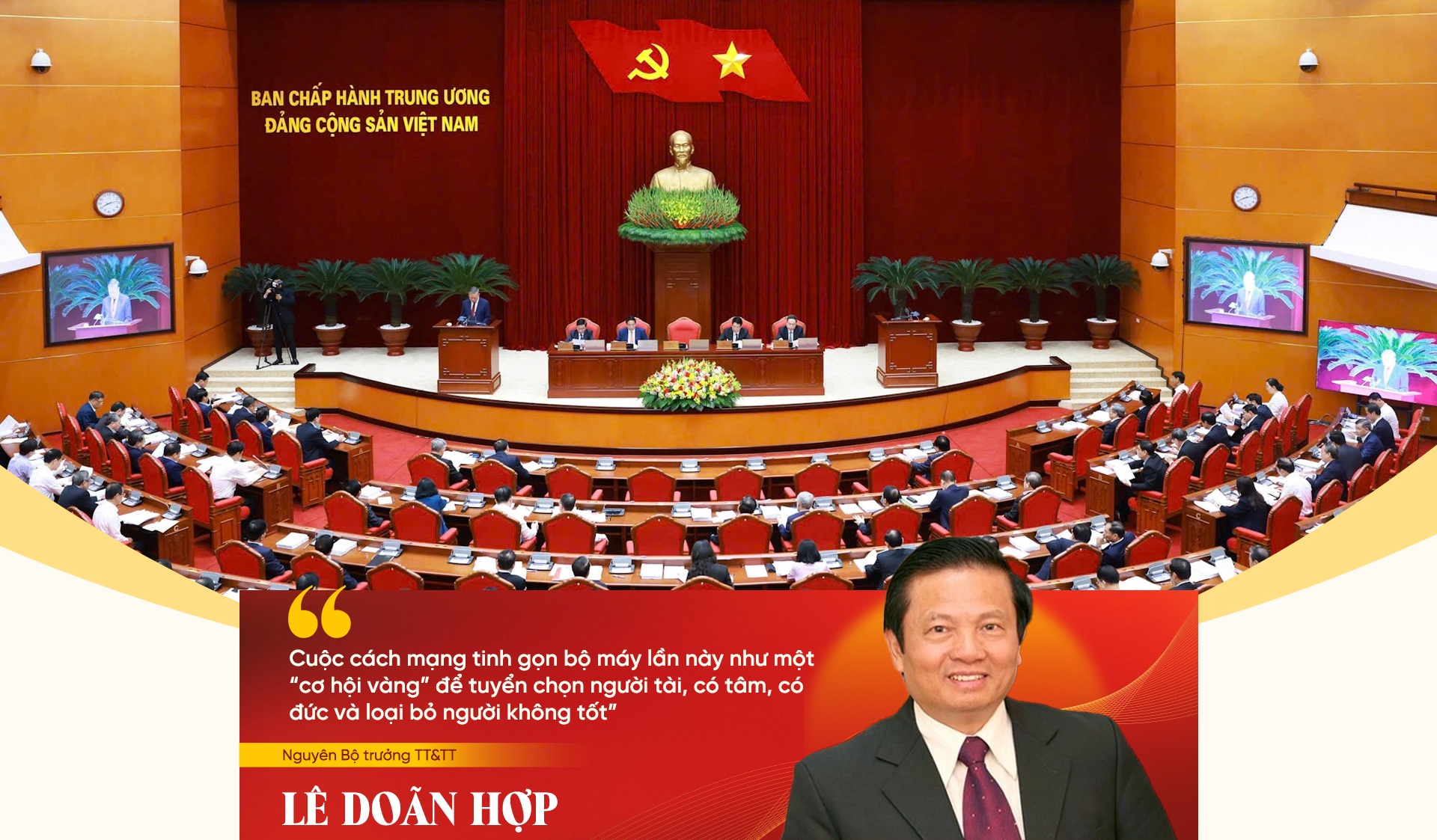
(Dan Tri Newspaper) - Former Minister Le Doan Hop likened this current revolution to streamlining the administrative apparatus as a "golden opportunity" to select talented people and eliminate unsuitable ones. He emphasized the need for mechanisms and standards for this process.
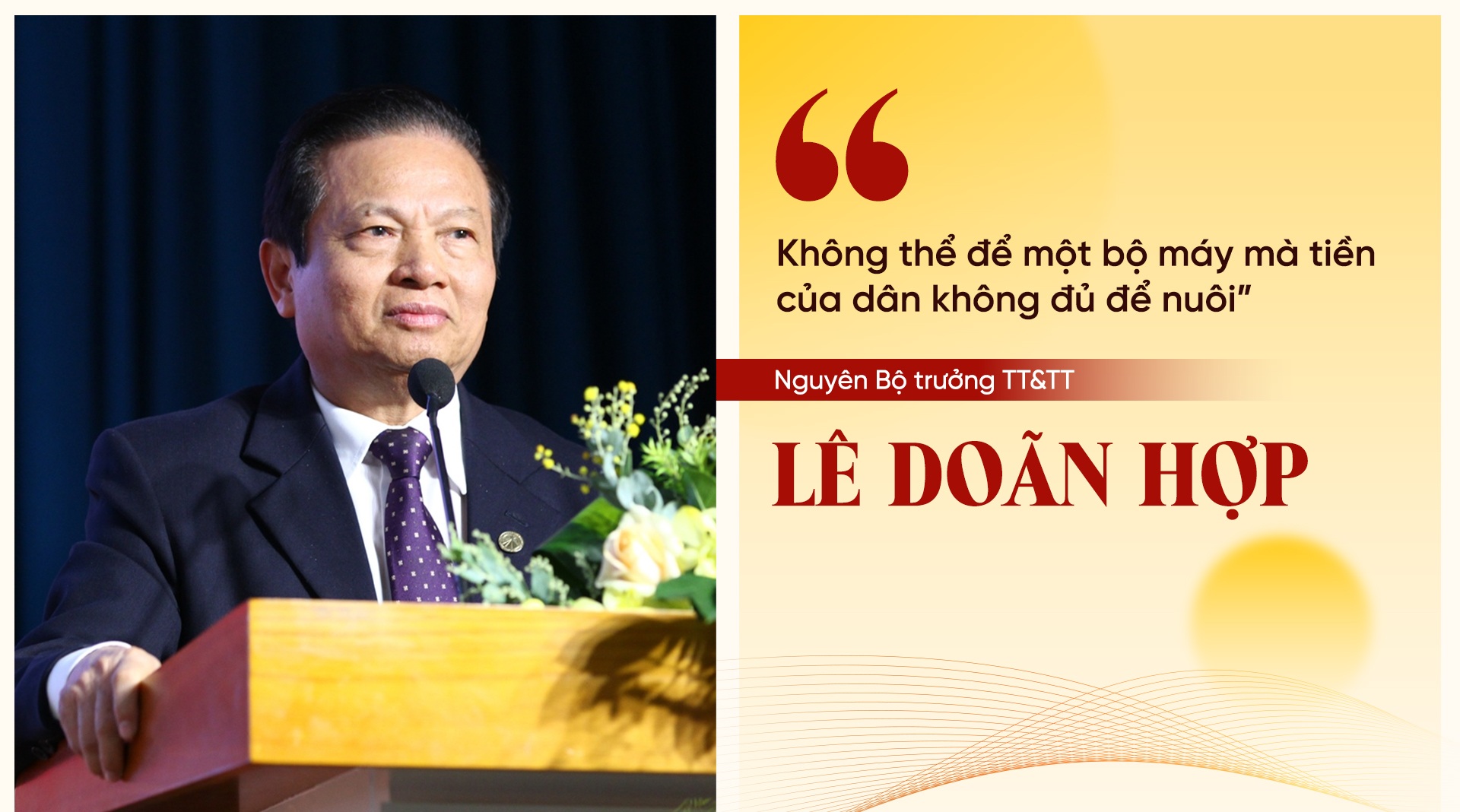
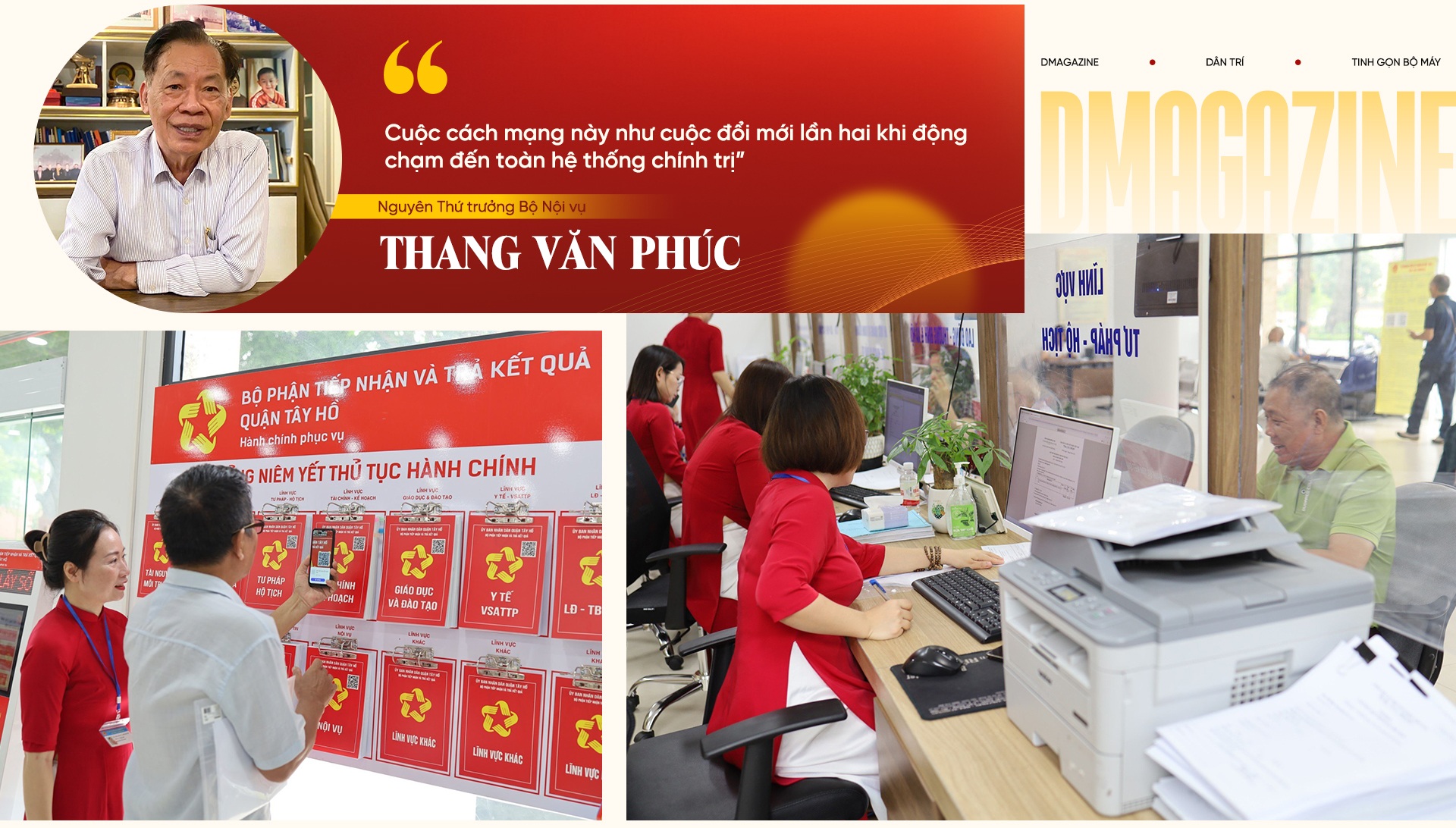
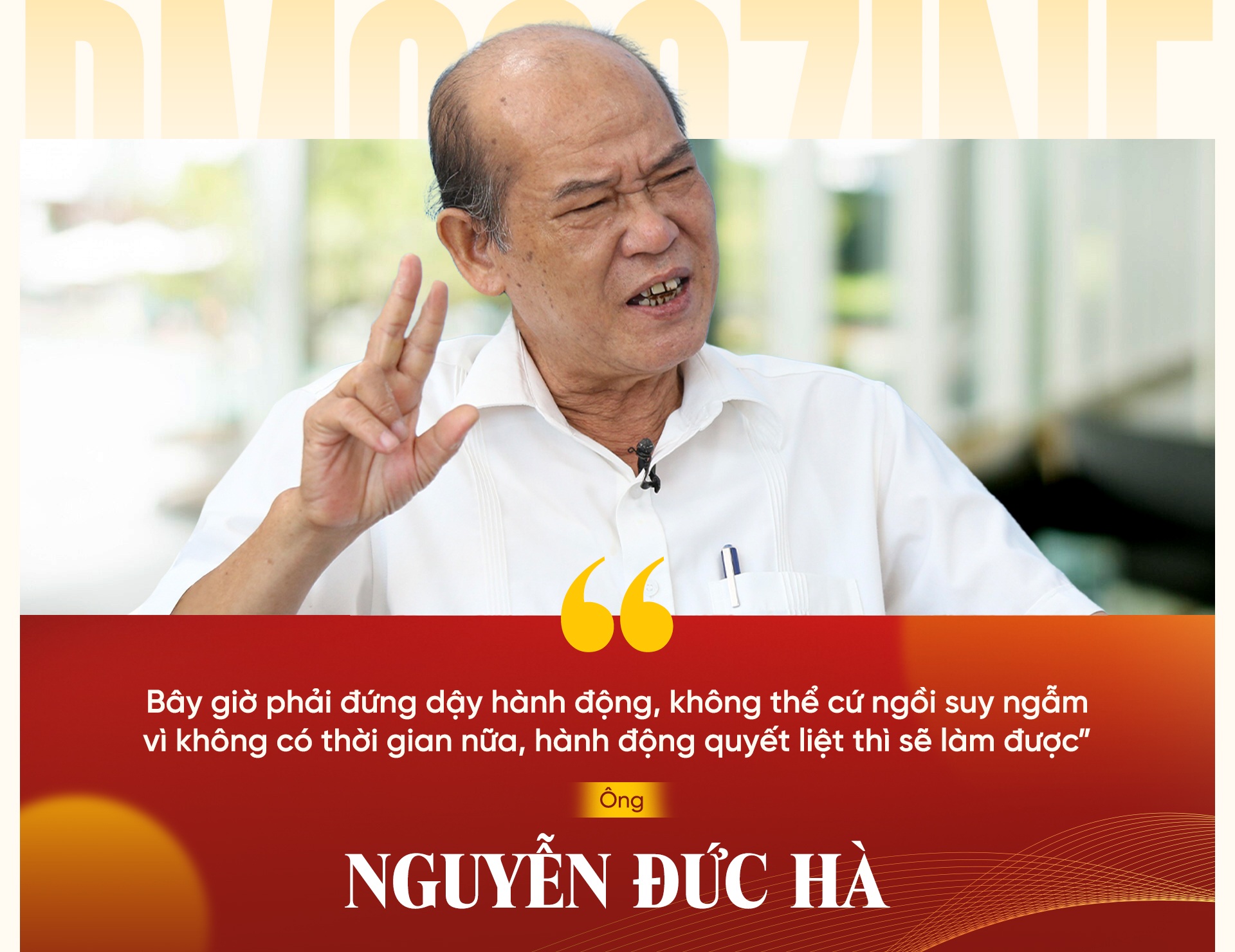
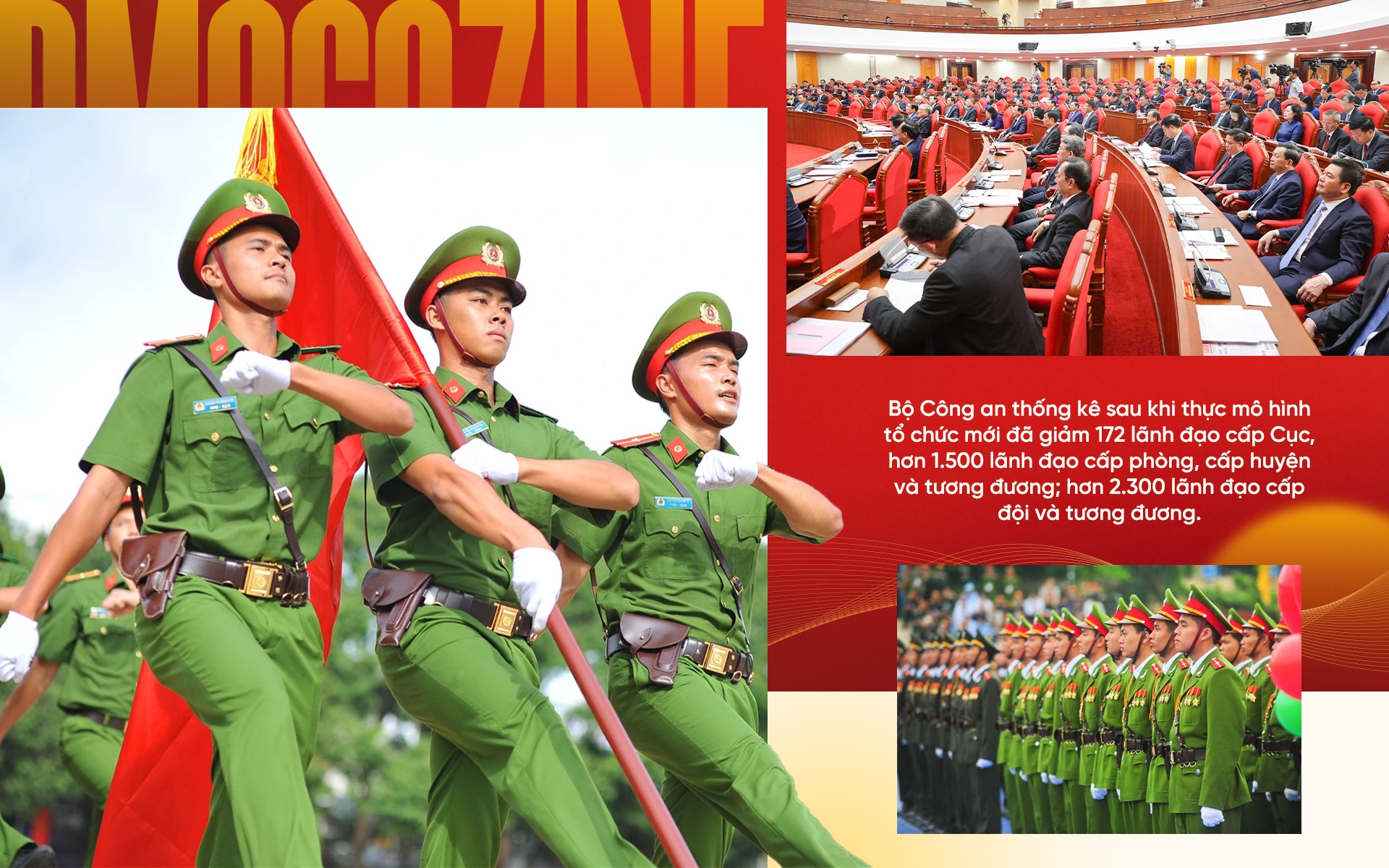
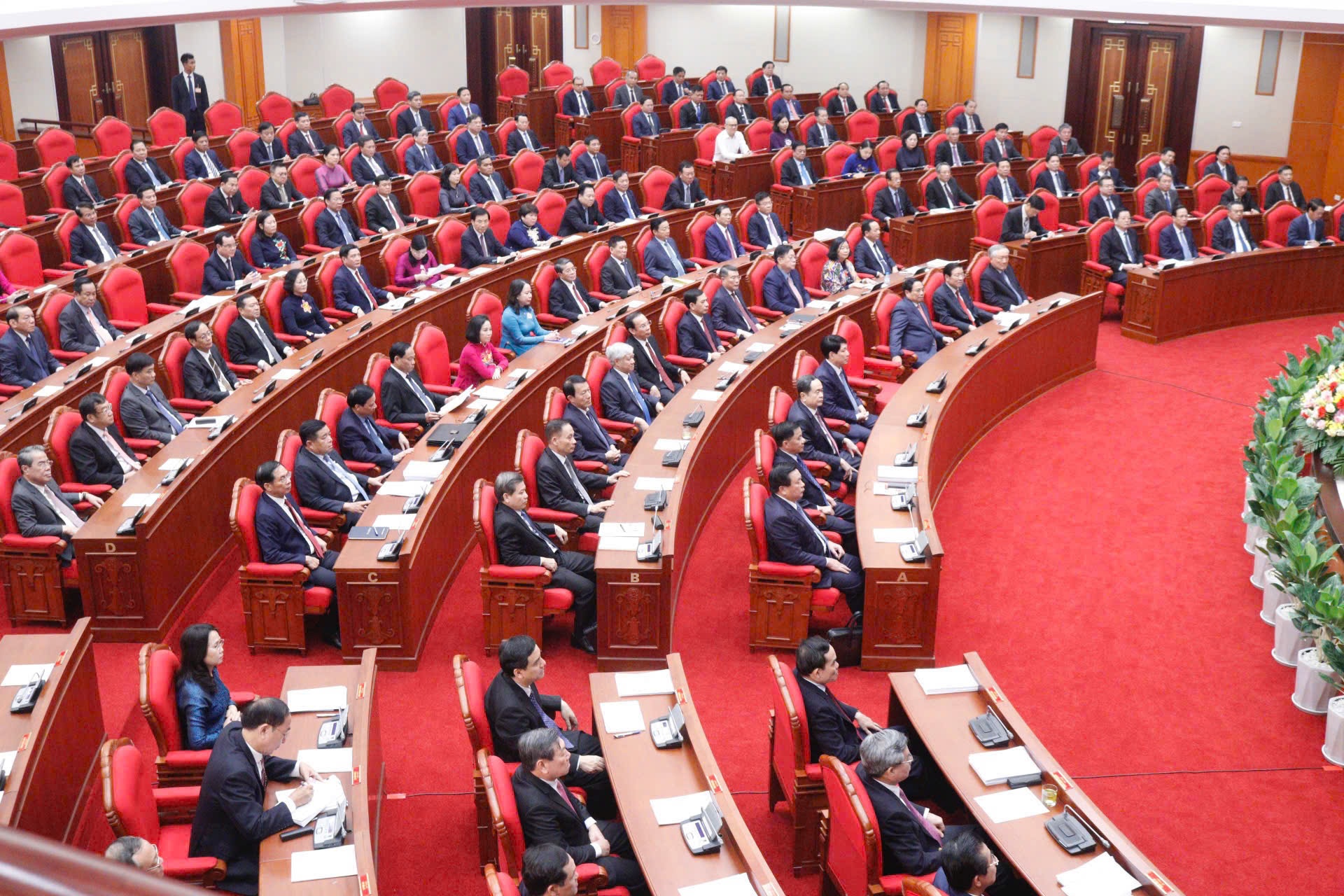
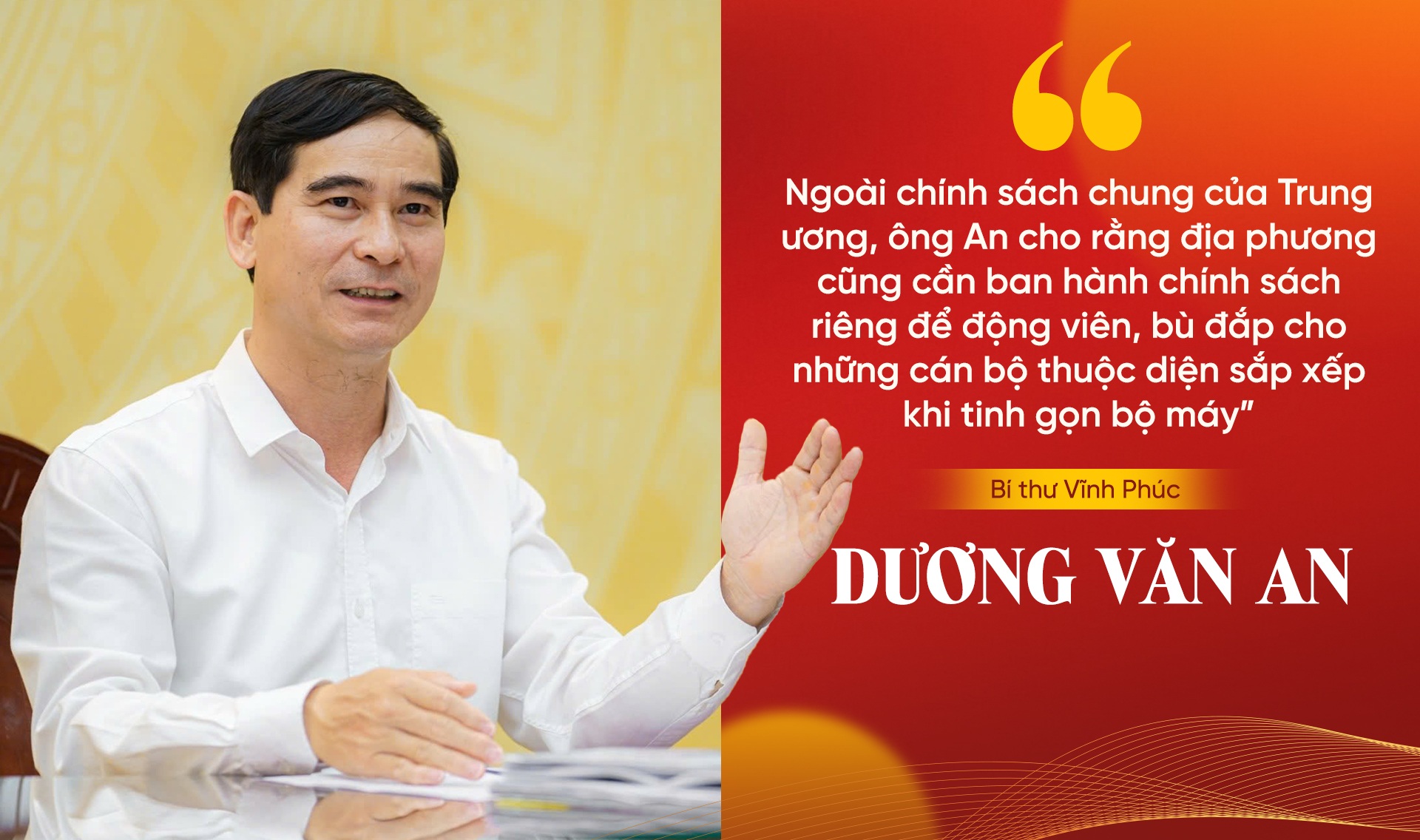
Streamlining the Party, National Assembly, Government, Fatherland Front, and other political and social organizations was one of the important issues raised at the recent 10th Conference. This is also a central theme that General Secretary To Lam has repeatedly mentioned since taking office. Speaking with a reporter from Dan Tri newspaper , former Minister of Information and Communications Le Doan Hop emphasized that this restructuring and streamlining of the political system is a revolution, as it affects a large number of officials, civil servants, and employees; it touches upon the functions and tasks of agencies as well as long-standing habits, so this revolution is "not simple at all." Nevertheless, he affirmed that the time has come to streamline the system for three reasons. Firstly, the salaries paid to the system have reached a level that "the economy can no longer bear." "We cannot have a system that the people's money cannot afford to support," Mr. Hop said. Secondly, the system is so large that it breeds corruption and negative practices instead of serving the people. Thirdly, the system has too many officials who do not fulfill their functions and tasks, nor do they serve the people according to their abilities, strengths, and qualifications. According to former Minister Le Doan Hop, the effectiveness of streamlining the administrative apparatus will first and foremost help decentralize power and reduce the workload for higher levels, allowing them more time to focus on "important matters." Mr. Hop pointed out the current inadequacy where higher levels are burdened with many tasks previously handled by lower levels. Another benefit is increasing the authority of lower levels and accelerating the progress of work for the people. Meanwhile, Dr. Thang Van Phuc, former Deputy Minister of the Ministry of Interior and former Director of the Institute of State Organizational Science, likened this revolution to a "second wave of reform" as it "touches" the entire political system. "Throughout my life working on reforms, only now do I truly have hope for a strong reform," Dr. Phuc expressed his expectation and believes that Vietnam has many advantages to carry out this administrative streamlining revolution. According to Dr. Phuc, previously, we had a rather long process of reorganizing the administrative apparatus, but while creating new structures was simple, consolidating them was very complex due to the impact on vested interests. As the General Secretary said, if we don't know how to sacrifice, if we don't work for the greater good of the nation, we can't succeed. Also placing his hopes on General Secretary To Lam's determination, Mr. Nguyen Duc Ha (former Director of the Party Organization Department, Central Organization Committee) believed in the success of this revolution, because in his capacity as Minister of Public Security, General Secretary To Lam had also directed and made his mark in pioneering the streamlining of the Ministry of Public Security 's apparatus. According to Mr. Ha, the Ministry of Public Security pioneered the abolition of the general departments, departments, divisions, and offices; bringing regular police officers to the communes, meaning a synchronized arrangement at all four levels: central, provincial, district, and commune, with the spirit of "a lean central ministry, a strong provincial ministry, a comprehensive district ministry, and a grassroots-based commune ministry." The Ministry of Public Security also deployed advisory and research staff from the Ministry's departments and divisions to border areas and difficult regions, and rotated local police officers for training. With many achievements, Mr. Ha assessed the Ministry of Public Security at that time as a shining example of streamlining the organizational structure and arranging and assigning personnel. It was a successful revolution, according to the expert's observation. General Secretary To Lam was then the Minister of Public Security, so Mr. Ha saw that the Party leader's directives this time showed strong determination, coupled with the advantage of practical lessons and implementation experience. Mr. Ha also mentioned the advantage of Prime Minister Pham Minh Chinh being the Head of the Government's Steering Committee for implementing Resolution 18, and also having previously been the Head of the Central Organization Committee, directly overseeing the drafting of Resolution 18. Given the exceptionally important roles of the leaders, and with their exemplary conduct, decisiveness, and experience, Mr. Ha is confident in the positive outcome of this streamlining of the administrative apparatus. "This time we have a very high level of determination and revolutionary spirit. Now we must stand up and act; we cannot just sit and ponder because there is no more time. With decisive action, we will succeed," Mr. Ha said. Looking back at the organizational restructuring revolution at the Ministry of Public Security in mid-2018, experts liken it to a major, comprehensive "revolution" in organization, positively changing all aspects of the work of the People's Public Security Force. At that time, the Central Party Committee of Public Security and the Ministry of Public Security proactively researched and advised the Politburo on the policy and direction for building the Project "Some issues on continuing to innovate and reorganize the organizational structure of the Ministry of Public Security to be streamlined, effective and efficient" (Project No. 106). After Project 106 was approved, the Central Party Committee of Public Security continued to advise the Politburo to issue Resolution No. 22 on "Continuing to innovate and reorganize the organizational structure of the Ministry of Public Security to be streamlined, effective and efficient". This is a particularly important basis for the Government to issue Decree No. 01 stipulating the functions, tasks, powers and organizational structure of the Ministry of Public Security. The principle emphasized by the Ministry of Public Security in restructuring its apparatus is centralized, unified, and specialized organization and management in each area of work, combining sectoral management with territorial management and administrative level allocation. The Ministry of Public Security also advocates separating state management agencies from public service organizations; clearly defining the responsibilities, functions, duties, and powers of each level, organization, and unit of the Public Security force. The organizational structure was unified from the Ministry to local police forces according to the principle of "a streamlined Ministry, strong provinces, comprehensive districts, and grassroots-based communes"; the coordination and cooperation between forces, units, and levels of police became increasingly close and effective. As a result, the Ministry of Public Security reduced 6 general departments while still ensuring faster, more accurate, and timely leadership from the Ministry to the Departments, without going through intermediate levels. The Ministry also merged units with similar functions and tasks to reduce 55 department-level units and nearly 300 division-level units; and reorganized and streamlined public service units. At the local police level, 20 fire prevention, firefighting, and rescue units were merged with the provincial and city police forces and organized into a single division-level unit under the provincial police; several units with similar functions and tasks were merged... to reduce more than 500 division-level units and over 1,000 team-level units. By July 2023, the Ministry of Public Security continued to streamline the internal organizational structure of the police forces at all levels and localities, further reducing 279 departmental-level units and 1,237 team-level units. To date, the Ministry of Public Security has reinforced thousands of officers and soldiers from the Ministry to local police forces, and from provincial-level police forces to grassroots levels, including over 55,000 officers and soldiers assigned to regular commune police positions in more than 8,800 communes and towns. The Ministry of Public Security reported that after implementing the new organizational model, 172 leaders at the departmental level, over 1,500 leaders at the departmental, district, and equivalent levels, and over 2,300 leaders at the team and equivalent levels were eliminated. Despite achieving many positive results, the Ministry of Public Security also encountered numerous difficulties during the implementation process, particularly in arranging and assigning leadership and command personnel, implementing policies, and stabilizing the morale and sentiments of officers and soldiers in dissolved and merged units. However, after only a short time, these issues were fundamentally resolved through a series of comprehensive solutions. In implementing this streamlining revolution, former Minister Le Doan Hop emphasized the need for scientific principles and action guidelines to "avoid going astray." The first principle he stressed was that the level directly responsible should be the one to make decisions. He stated that communes must make decisions; not everything can be decided by higher levels. The second principle is that the level with the most complete information should make the decision, avoiding a situation where one level with sufficient information presents the issue to a level without sufficient information, leading to a decision. The third principle is that the level closest to and best understanding of the officials should be prioritized in making decisions. The fourth principle is clarity of task, clear responsibilities, and clear accountability. Another principle mentioned by Mr. Hop is that decentralization depends on the ethics, capabilities, and trustworthiness of the officials. "Officials with different levels of virtue, talent, and trustworthiness will be assigned different levels of authority, like choosing the right person for the job," Mr. Hop said. To illustrate the point of decentralization and delegation of power, Mr. Hop recounted his nearly 15 years serving as Deputy Secretary, Chairman, and Secretary of the Nghe An Provincial Party Committee. At that time, simply electing an additional Vice Chairman of Nghe An province and a member of the Provincial Party Standing Committee took almost a year to report to the Central Committee and complete the necessary procedures, even though the term was five years. According to him, if the Provincial Party Secretary were managed by the Politburo, the Standing Deputy Provincial Party Secretary by the Secretariat, the Chairman of the Provincial People's Committee by the Government, and the Chairman of the Provincial People's Council by the Standing Committee of the National Assembly, with the remaining authority entirely delegated to the Standing Committee of the Nghe An Provincial Party Committee, then all procedures would be faster, less prone to errors, and if errors did occur, accountability would be clearer. Another example: when he served as Minister of Culture and Information, and later as Minister of Information and Communications, he stated that "it is unacceptable for a minister to sign decisions on the recruitment and promotion of a staff member serving as a deputy or head of a department – someone whose name, face, and abilities are unknown." Therefore, he decided to delegate the authority to the department head to recruit and promote deputy heads and heads of departments, as these are the direct assistants to the department head. As a result, work was processed faster and more efficiently, without errors. However, according to Mr. Hop, after decentralization, it is necessary to urge subordinates to work faster, accompanied by inspection, supervision, and close monitoring of practical situations to see what is reasonable, what is not, and what needs to be supplemented to improve. "Even if I delegate to you and you do not do well, I can still withdraw," Mr. Hop said. To streamline the apparatus and promote decentralization and delegation of power, according to the former Minister of Information and Communications, first and foremost, it is necessary to do a good job of ideological work to create unity of understanding and action, because the strength of an organization begins with ideological work. "Even a brick can fall if it is not carefully laid, let alone people. We must ensure that officials have the right understanding and are determined to implement it," Mr. Hop stated. In addition, he believes that there needs to be a mechanism and standards for screening to select people with virtue and talent, because that is the most important thing. Former Minister Le Doan Hop likened this recent streamlining of the government apparatus to a "golden opportunity" to select talented, dedicated, and virtuous individuals and eliminate those who are not good. He emphasized the need for appropriate mechanisms and policies for officials subject to restructuring. Because they have contributed to the State to varying degrees within the system, when they leave for the sake of the overall policy, there must be appropriate policies to acknowledge their contributions and provide resources to help them transition to other careers. For example, those with a few years left could be encouraged to retire early, but they must be provided with a minimum source of income to maintain their livelihood. Regarding the "positioning" after the merger of agencies, former Minister Le Doan Hop suggested organizing competitive examinations to select leaders. For instance, if two ministries merge and the number of deputy ministers is excessive, an examination could be held with the question, "If you were a deputy minister in charge of a particular field, what would you do?", followed by presentations from the "candidates." With this approach, he believes that more skilled and capable people will be selected. Meanwhile, from the perspective of practical implementation at the local level, Vinh Phuc Party Secretary Duong Van An believes that before implementing the policy of streamlining the apparatus, it is necessary to meet with officials to discuss and clearly explain the purpose, significance, and urgent requirements of the policy. As General Secretary To Lam noted, the current apparatus is cumbersome and multi-layered, increasing the burden on the budget. Therefore, according to Mr. An, streamlining the apparatus as soon as possible is beneficial to the people and the country. Besides motivating the morale of officials and civil servants, the Vinh Phuc Party Secretary believes it is necessary to inspire a spirit of dedication and sacrifice for the common cause among officials. To achieve this, criteria for selecting and assigning personnel and jobs must be set openly and fairly, with methods such as consideration, evaluation, and democratic selection through collective opinions from agencies and units. In particular, in addition to the general policies of the central government, Mr. An believes that localities also need to issue their own policies to motivate and compensate officials who are subject to restructuring when streamlining the administrative apparatus. When the two agencies merge, Party Secretary Duong Van An stated that only one person will hold the top leadership position, while the other may move to another unit to take on a leadership role if their qualifications and capabilities are suitable, or accept a deputy position, or even choose to retire. However, to avoid "eliminating talented people," he emphasized the need for specific selection criteria, along with an assessment of the qualifications, reputation, responsibility, and dedication of officials, to choose the right person. The National Assembly , the Government, and ministries, sectors, and localities are urgently developing and implementing a plan to streamline the apparatus and reduce staffing levels. As requested by the Central Committee, agencies must complete the review of Resolution 18 and report to the Central Committee on the plan for arranging and consolidating the political system's organizational structure in the first quarter of 2025.




![[Photo] National Assembly Chairman Tran Thanh Man attends the policy seminar to promote Vietnam-Türkiye cooperation.](https://vphoto.vietnam.vn/thumb/1200x675/vietnam/resource/IMAGE/2026/04/16/1776351415367_vna-potal-chu-tich-quoc-hoi-tran-thanh-man-du-toa-dam-chinh-sach-thuc-day-hop-tac-viet-nam-tho-nhi-ky-8705791-jpg.webp)
























![[Image] Bridges and roads connecting the eastern part of Ho Chi Minh City](https://vphoto.vietnam.vn/thumb/1200x675/vietnam/resource/IMAGE/2026/04/16/1776328595108_ndo_br_bh-vt5-jpg.webp)




























![[Infographic] Details of the Hanoi-Quang Ninh High-Speed Railway Project](https://vphoto.vietnam.vn/thumb/402x226/vietnam/resource/IMAGE/2026/04/16/1776338188424_anh-man-hinh-2026-04-16-luc-18-16-10.png)

![[Photo] National Assembly Chairman Tran Thanh Man meets with the Speaker of the Georgian Parliament](https://vphoto.vietnam.vn/thumb/402x226/vietnam/resource/IMAGE/2026/04/16/1776338494029_anh-man-hinh-2026-04-16-luc-18-21-21.png)

















Comment (0)