

 |
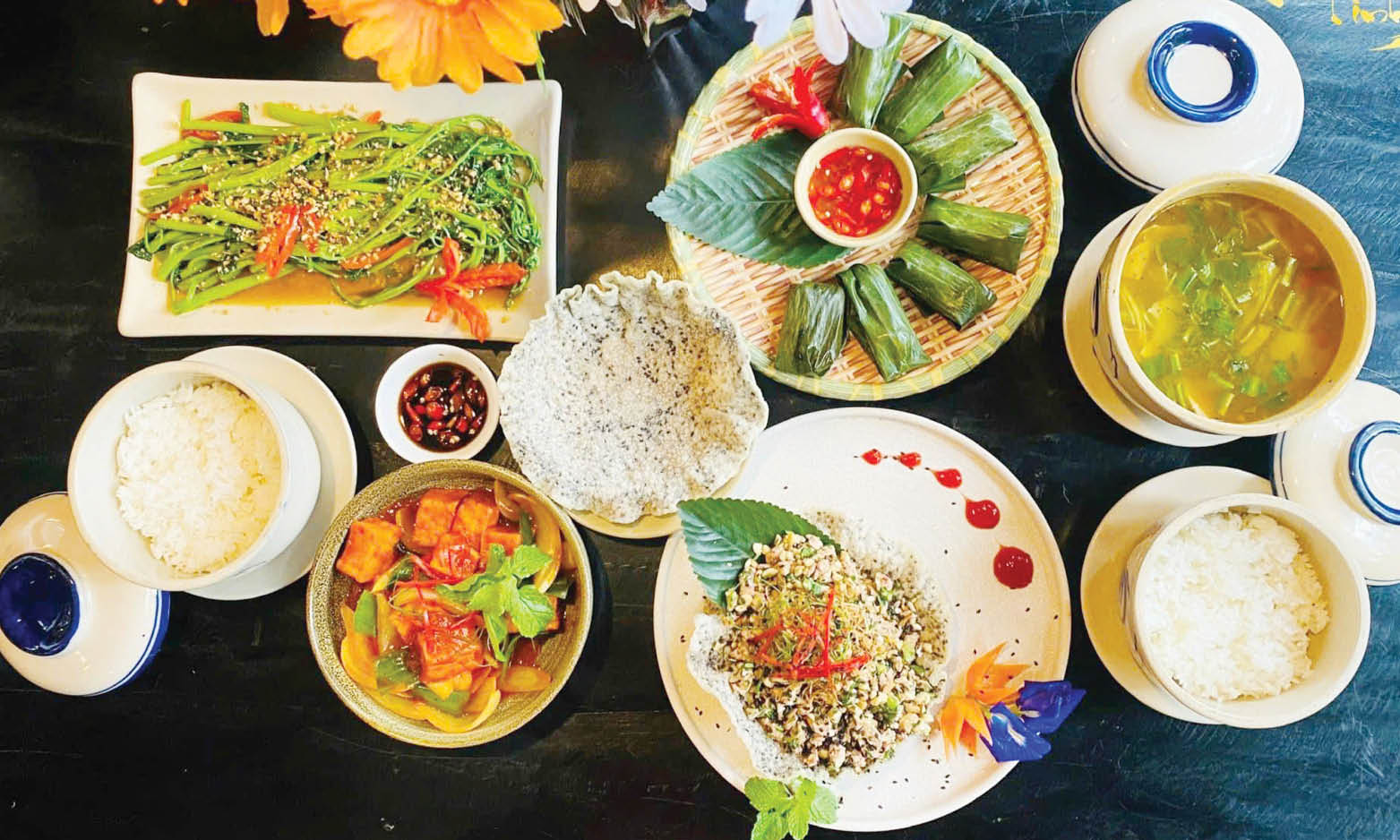
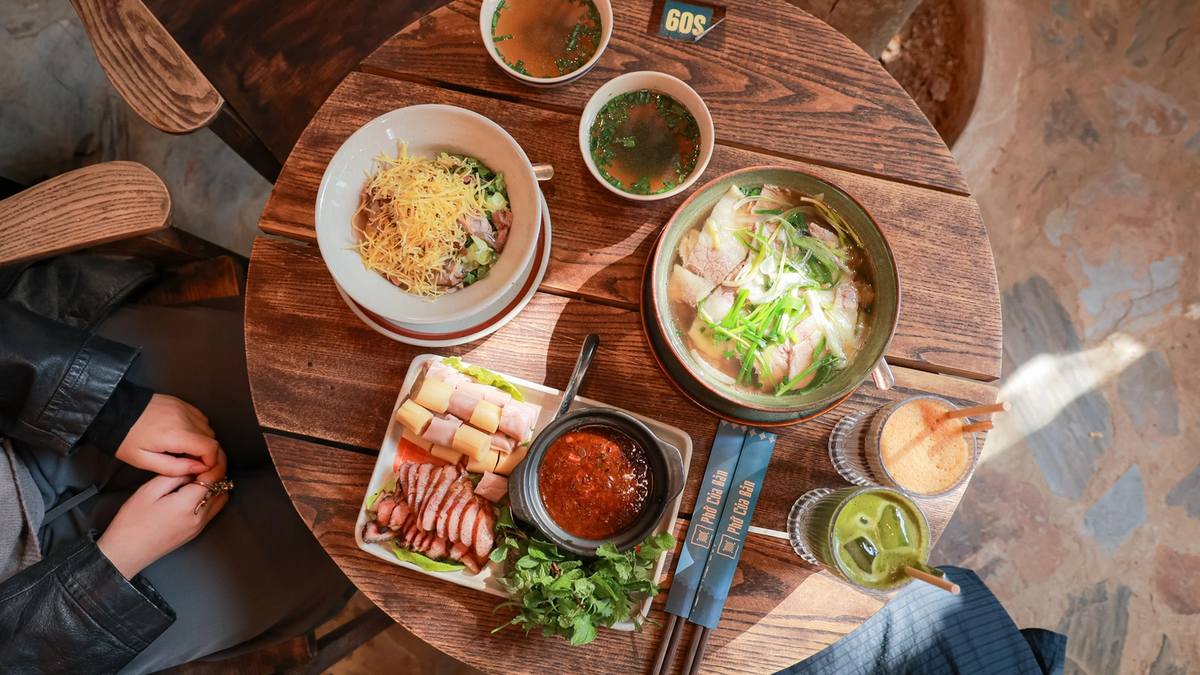
A vegetarian meal in Hue . Photo: Tinh |
Eating habits in Buddhism
Regarding Hoang Mai Meditation Center, a nun kindly explained: The original purpose of vegetarianism is to practice the Dharma, to observe the precepts against killing, to avoid karmic retribution and reincarnation, and most importantly, to cultivate compassion. Vegetarianism, in Buddhism, is called "trai giới" (meaning "to restrict" or "to limit"). The purpose of vegetarianism is to restrain the animalistic side, develop the wisdom side, help the mind become calm, and eliminate ignorance.
Vegetarianism in Buddhism has many different rules. Most importantly, during a meal at the monastery, the first three bites of rice must be plain (without any seasoning). Buddhism believes that everything is interconnected, so each person must be indebted to four great debts: the debt to parents, the debt to teachers and friends, the debt to the nation, and the debt to family. Therefore, eating the first three plain bites of rice symbolizes spiritual practice. The first bite represents a vow to eradicate evil, the second a vow to cultivate all good deeds, and the third a vow to save all sentient beings.
Furthermore, at the beginning of a meal, one must recite a mantra to purify the mind, and simultaneously make five vows: First, to acknowledge the effort put into producing the rice; second, to examine one's own worthiness to eat that rice; third, to maintain the body's strength for spiritual practice; fourth, to treat eating as medicine; and fifth, to eat this food for the sake of spiritual practice. There is also a distinction between ordinary days and the three months of "Summer Solstice." On ordinary days, the monastic community eats a light breakfast and a normal vegetarian meal. At noon, there is a main meal called "Noon Meal" with vegetarian dishes. Dinner is simpler, called "Small Meal." During the three summer months, for practitioners of the "Summer Solstice," lunch is called "Passing the Way," preceded by a ritual of chanting scriptures; breakfast is still a light breakfast, and dinner is still called "Small Meal."
Vegetables and farming
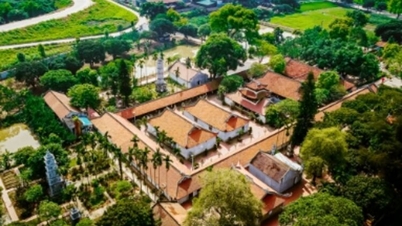
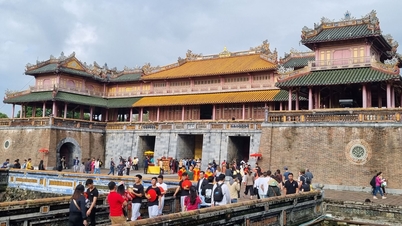
Hue boasts some of the oldest temples in Vietnam. In the past, temples were often far from residential areas; although they are now closer due to population expansion, most temples in Hue are located on the hills and mounds to the west. These semi-mountainous temples, in addition to maintaining tranquility for religious practice, are also very close to Hue's wild vegetation, providing food.
There are over thirty types of vegetables that can be used to make simple, rustic vegetarian meals. These include purslane, centella, amaranth, water spinach, plantain, watercress, spinach, water morning glory, watercress, bamboo shoots, mushrooms, etc., all of which can be used in soups, salads, boiled dishes, or stir-fries. Many wild plants provide spices that make the simple meals at the monastery appealing, such as betel leaves used to make banana soup, ground tamarind for sour soup, and fish mint for jackfruit salad. The wild plant ecosystem also provides the monastery with wonderful desserts, such as wild fruits like sim, mua, raspberries, leftover rice, popcorn, fermented fish sauce, and orange wine.
From those desolate hills, agricultural practices were implemented, providing the temples with various items not only for food but also for offerings. The woody plants surrounding the temples in Hue yielded many unusual fruits such as jackfruit, bananas, papayas, figs, etc. Agricultural practices also provided many staple foods, such as sweet potato leaves, water spinach, cabbage, gourds, cucumbers, cassava, taro, and arrowroot.
When the grass and flowers awaken
It's worth mentioning the extremely skillful preparation by the nuns and female devotees of the temple. Under their hands, the vegetables in the temple come alive, transforming the simple yet elegant sticky rice into something truly refined. The sticky rice served at the temple is also very visually appealing, easy on the eyes, and delicious. Don't think that sticky rice is just a simple dish of vegetables and pickles. Under the skillful hands of the nuns and female devotees, reaching the level of artisans, the sticky rice dishes also have very impressive names such as: braised fermented tofu, grilled salt, stir-fried coconut stems, fried tofu with lime leaves, mixed sake... Often, these elaborately prepared dishes stem from the students' respect for their teacher, not from any hierarchical distinction within the temple, because there is a temple concept of "harmony and equality."
The harsh and unpredictable nature of the land has instilled in the people of Hue a tendency towards preparedness and frugality. The Buddhist temples of Hue are no exception to this psychological pattern, and are even more thorough in their frugality. During the dry season, vegetation is abundant and lush, but this is not the case in winter. Explaining the need to stockpile for winter, Venerable Thich Dai San wrote: “Often, when it rains incessantly, with fog everywhere, streams fill up, and roads are deserted. At such times, everything becomes expensive; a bundle of firewood costs 10 dong, barely enough to cook a pot of rice. Therefore, people here must prepare for everything.”
In the summer, with fresh produce readily available, the temple often dries vegetables (vegetables, bamboo shoots, gourds, starfruit, etc.) and makes pickles (cabbage, taro, gourd peels, etc.). Notably, the temple offers dishes not commonly found in Hue's folk cuisine, such as dried water spinach, dried cabbage, starfruit pickle, fig pickle, and pickled rambutan. With the skillful hands of the nuns, seemingly discarded items are transformed into specialty dishes like sticky rice cooked in bamboo tubes. Other delicious dishes include pickled gourd and banana peels, pickled papaya tree bark (used both for pickling and stewing), and jackfruit pulp and peel (which are very tasty when stewed). Even offerings of flowers are not wasted; soups and stir-fries made from jasmine and lotus flowers are traditionally used.
There are some delicious dishes made in temples, which people later imitate and make in large quantities, such as soy sauce and fermented bean curd. The vegetarian dishes that mimic meat dishes, often seen in temples during important religious ceremonies, are mostly cooked by the children of devout families, primarily to showcase their culinary skills. There are many cookbooks on vegetarian cuisine, the most famous perhaps being "Peaceful Vegetarian Season - Vegetarian Dishes for Mother" by artisan Ho Dac Thieu Anh, published in Hue in early summer 2024. The book shares experiences with those who love and are interested in Hue's vegetarian cuisine , as the author confides: "It's just a small contribution from a younger generation to the culinary landscape of my homeland."
Source: https://baoangiang.com.vn/com-nha-lam-hue-a471050.html






























































Comment (0)