President Donald Trump's prediction of a swift war in Iran did not materialize. The conflict has become more protracted and complex, reflecting the significant challenge facing the U.S. in wars of attrition.
These campaigns depleted ammunition stockpiles and tested the resolve of all sides, notably with the US facing shortages of many critical missile types.
According to Foreign Affairs , while the U.S. military still possesses superior capabilities in operations requiring high precision, the war in Iran showed they are better at sprinting than running a marathon.
America faces the challenge of a new type of warfare.
Washington needs to accumulate more weapons and ammunition, and also needs better defenses against new weapon technologies. Specifically, the US needs to strengthen the resilience of its military bases and logistics facilities against missile and drone attacks.
Washington needs to accumulate more weapons and ammunition and strengthen the defenses of its military bases and logistical facilities against the threat of missiles and drones. Despite possessing the world's most modern military force, as demonstrated by complex operations over the past year, the U.S. is revealing limitations in pursuing broad strategic goals.
The overnight raid on Caracas in early January was a complex operation. U.S. special forces secretly infiltrated the Venezuelan capital, neutralized Venezuela's air defenses, before moving in and out of the country within three hours. The U.S. suffered no casualties in this operation.
Previously, the surprise attack on Iran's nuclear facilities in June 2025 also showcased the power of the US Air Force. B-2 stealth bombers flew halfway around the world, penetrating Iran's sophisticated air defense system to strike its nuclear infrastructure.
Meanwhile, the campaign to eliminate high-ranking Iranian targets in the early stages of this year's conflict also required a significant level of coordination between US intelligence and the Israeli air force.
However, all of these campaigns had specific objectives. But when it came to setting broader goals, the U.S. military encountered difficulties.
 |
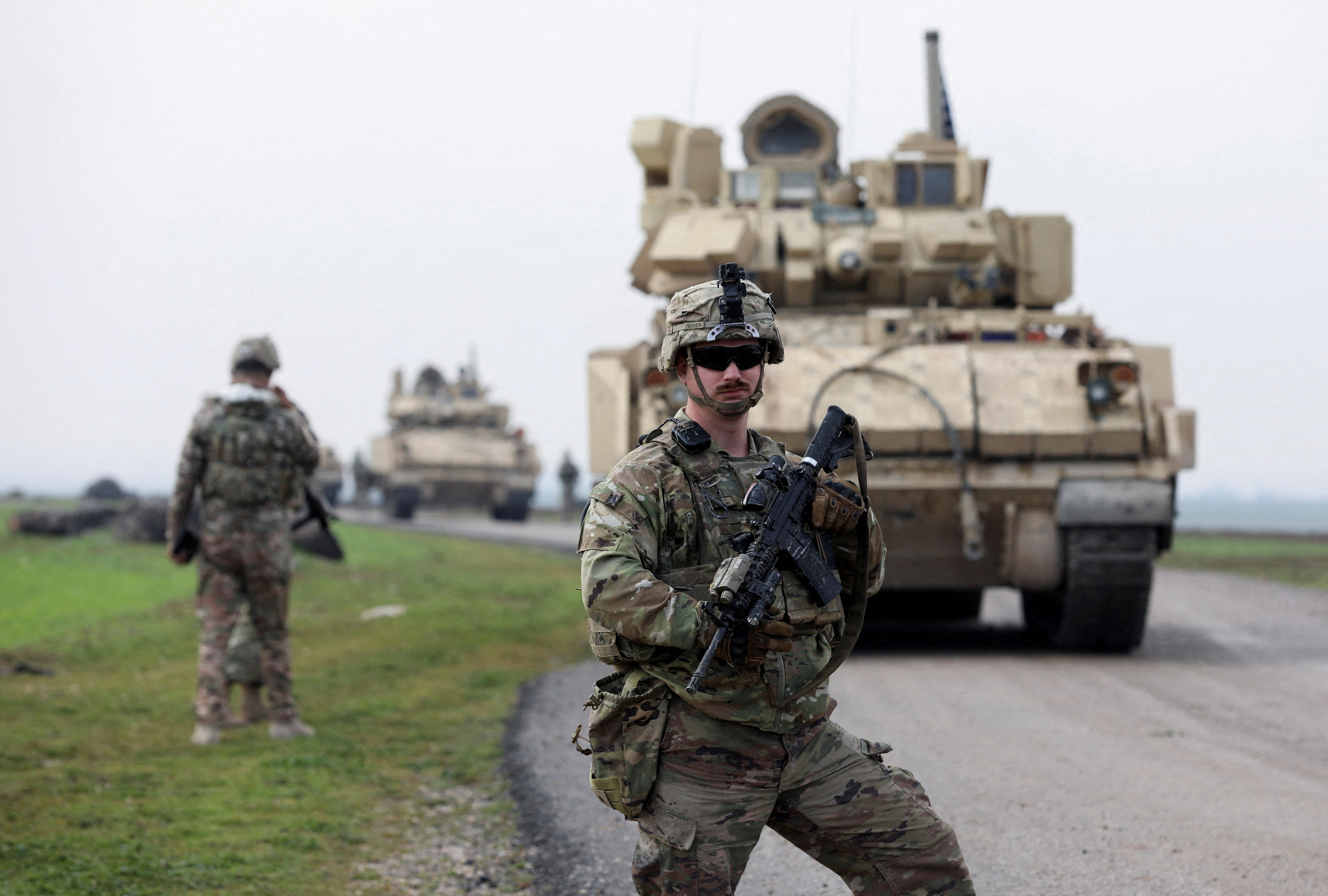
The U.S. ammunition stockpile has revealed weaknesses in the Iran conflict. Photo: Reuters . |
In the recent conflict, Iran demonstrated its ability to sustain a prolonged war, even with the assassination of numerous high-ranking officials. This is partly due to Iran's large stockpile of missiles and UAVs.
Previously, the combination of large weaponry and high precision was almost exclusively the prerogative of the U.S. military. However, the emergence of inexpensive unmanned aerial vehicles has enabled countries with weaker defense capabilities, and even non-state armed forces, to produce and effectively utilize aerial weapons.
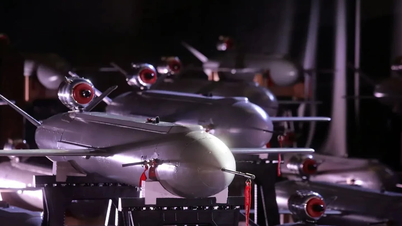
Iran deployed Shahed drones to overwhelm US air defenses and attack US bases in the Middle East. Tehran was even able to precisely target specific objectives inside the bases, such as air defense radar.


The U.S. military relies heavily on large-scale fixed assets such as military bases, seaports, and airports. However, Washington has not invested adequately in the defense of these targets.
For example, the U.S. spent relatively little on shelters capable of protecting military aircraft when parked on the ground. As a result, Washington lost many expensive refueling and command-and-control aircraft in the war with Iran.
Not ready for a war of attrition.
The U.S. also needs to reconsider its current operational strategy. Washington's offensive plans still rely heavily on achieving air superiority.
While the war with Iran once again demonstrated the destructive power of modern air forces, it also exposed the limitations of airstrikes. Despite inflicting damage on Iran through airstrikes, the US and Israel were unable to quickly persuade the Iranian leadership to make concessions.
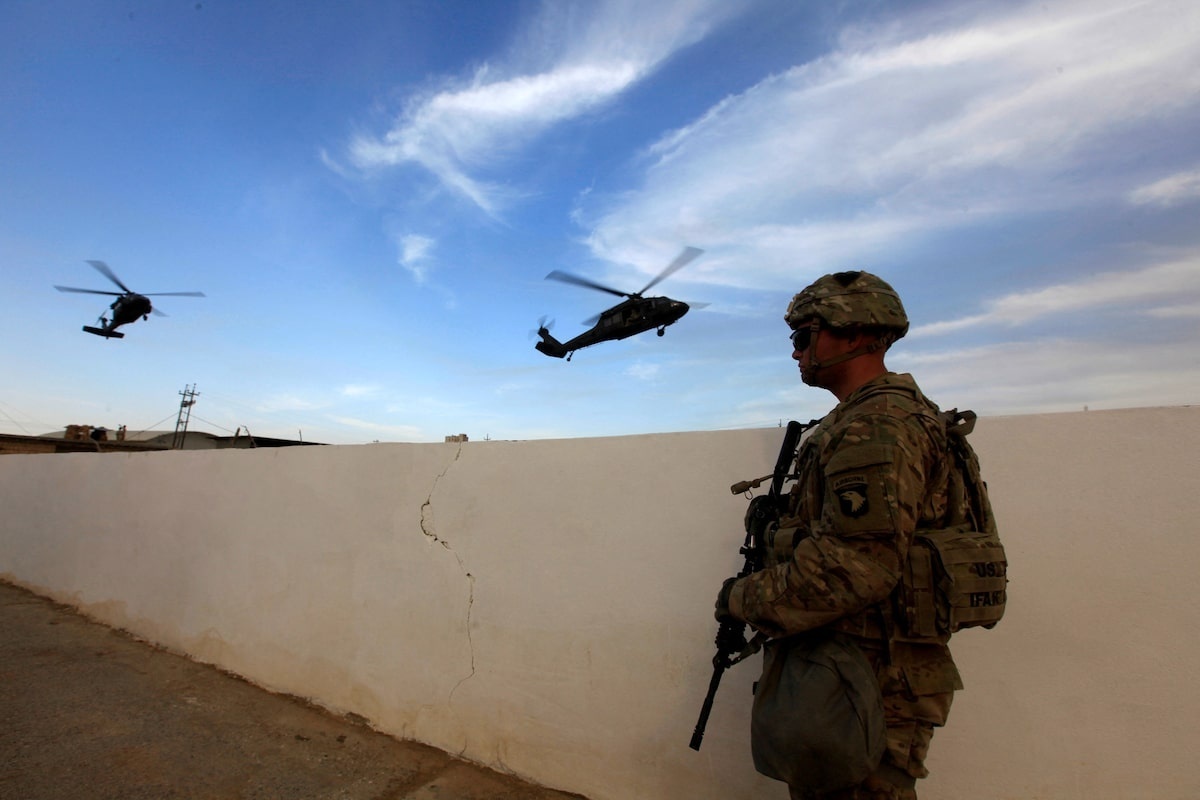 |
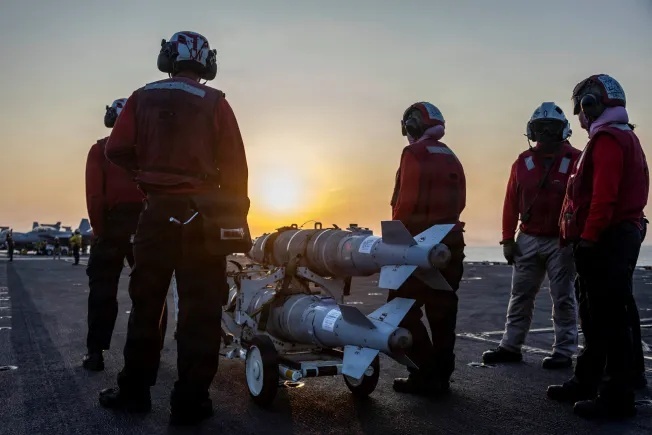
Modern warfare is primarily a war of attrition; the US excels at sprints but lacks the ideal endurance for a marathon on the battlefield. Photo: Reuters . |
Once again, Tehran's ability to mass-produce inexpensive weapons helped it withstand US airstrikes, even shooting down some American aircraft. The US war with Iran shifted from a "quick victory" plan through airstrikes to a war of attrition.
The US is forced to find ways to wear down Iran by destroying its missile stockpiles and launch sites. Iran, in turn, seeks to exhaust the US by attacking US military facilities in the region, targeting critical infrastructure of Washington's allies in the Gulf, and disrupting trade through the Strait of Hormuz.
In a war of attrition, the determining factor of military strength lies in the quantity of ammunition and weapons available in stockpiles, along with the rate of replenishment. This is precisely where Washington faces difficulties.
In recent times, Washington has depleted a large portion of its UAV and interceptor missile stockpiles in a short period; it will take the US a considerable amount of time to replenish these reserves.
According to estimates by the Center for Strategic and International Studies (CSIS), the US has used nearly half of its THAAD precision strike missile arsenal, and at least half of its THAAD interceptor missile arsenal.
The US military will have to run a marathon.
The US ammunition shortage is not surprising. Observers have long warned that Washington tends to procure weapons in a piecemeal fashion.



In the months leading up to the war, the Trump administration made some progress toward resolving this issue. They signed large-scale, long-term arms procurement contracts with key defense corporations, encouraging these entities to increase production for years to come.
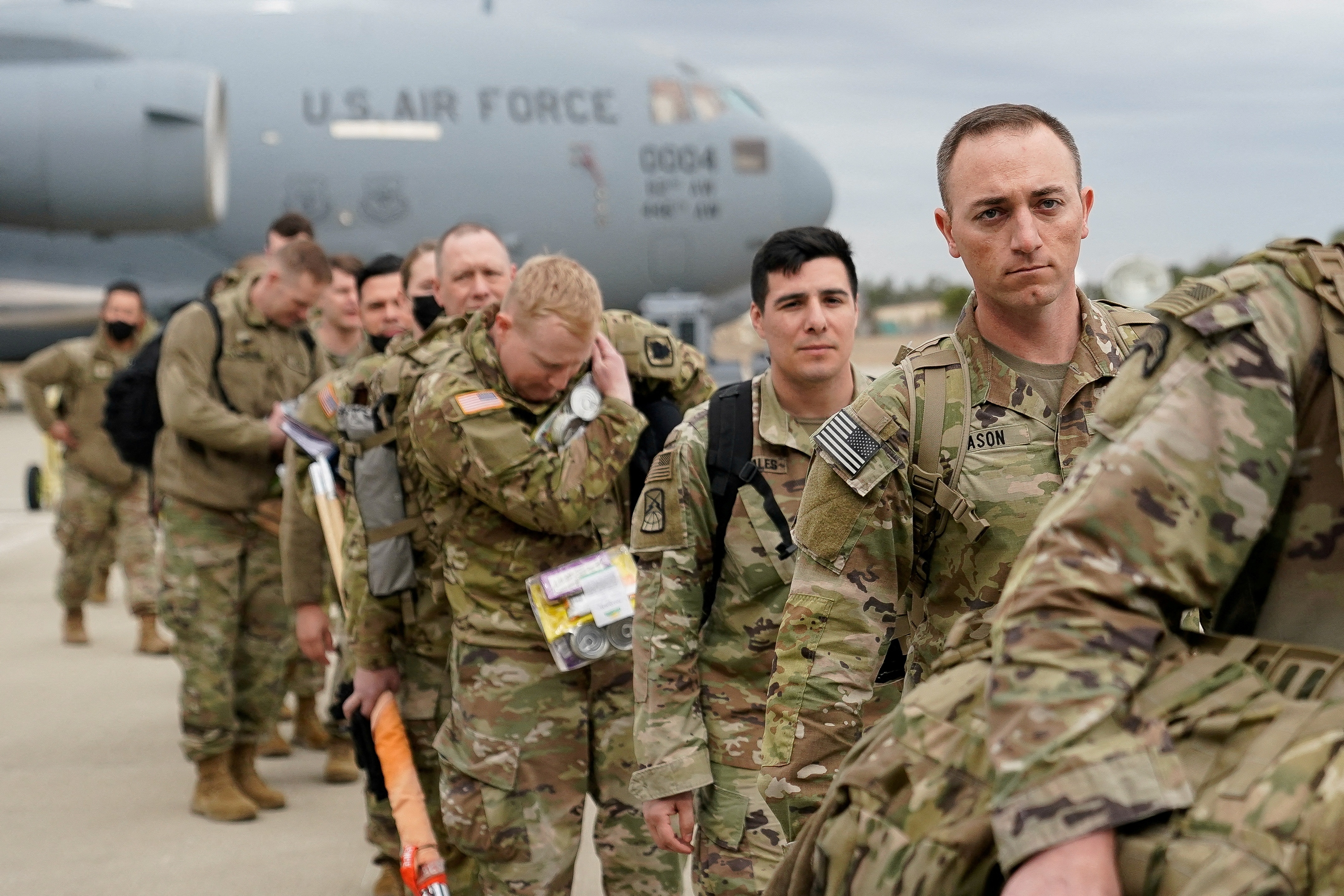 |
The conflict in Iran will continue to be analyzed by the US and the world to better understand the nature of modern warfare. Photo: Reuters . |
The U.S. War Department also encouraged new businesses to enter the defense industry. However, those steps were still not enough.
The necessary funding for defense corporations to expand and modernize their ammunition production capabilities has yet to be disbursed. Therefore, defense corporations have not yet received the tangible support they desire.
To truly assume the role of a global military superpower, the United States will need to prepare for protracted wars of attrition, as well as more effective cooperation with its allies. The war in Iran clearly demonstrates that the U.S. would not have been able to conduct such a campaign without the support of its Gulf allies and Israel.
The US also needs support from its NATO allies, through granting access to bases and the right to fly through their airspace. Not only will Washington have to learn lessons from its military campaign in Iran, but the world is also watching and analyzing this conflict very closely.
Source: https://znews.vn/cuoc-chien-tiep-theo-dang-cho-quan-doi-my-post1660138.html