

Years of ups and downs
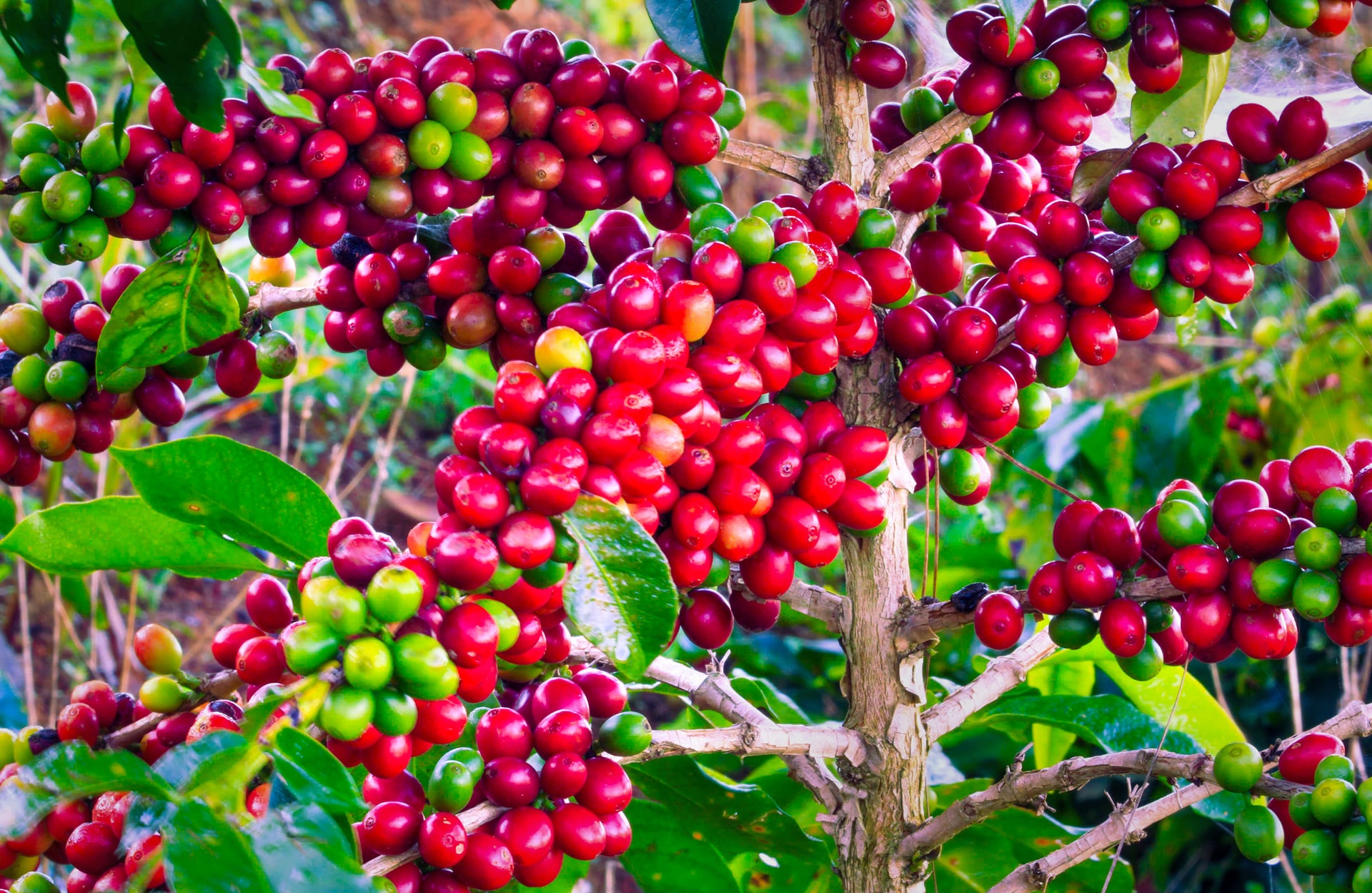
There was a time when mentioning Cau Dat coffee brought to mind the sighs of the farmers. The period from 2010 to 2015 was the most somber time for coffee growers in the Cau Dat region. During that time, the arabica coffee from this area, already low-yielding, saw its price plummet to rock bottom, sometimes falling disastrously to 5,000-10,000 VND/kg.
In the memories of many long-time coffee growers here, that was the most heartbreaking period, when many people in the region were forced to uproot their coffee plants and replace them with tea, vegetables, or flowers. The coffee plantations, once a source of pride, became barren and neglected due to low yields and prices so cheap they couldn't get any cheaper.
Located at an average altitude of 1,500 meters above sea level, in Xuan Truong ward, Da Lat, Cau Dat possesses significant natural advantages not found in every region: a cool temperate climate year-round, fertile red basalt soil, and especially a large temperature difference between day and night. These factors contribute to the distinctive and refined flavor of each Arabica coffee bean grown here.
Looking back through archives, the history of Cau Dat coffee begins in the early 20th century, when French agricultural and forestry experts brought Arabica coffee varieties to Vietnam for experimental cultivation. After much research and improvement, coffee cultivation in Cau Dat - Da Lat began to flourish from the 1920s. Classic Bourbon, Typica, and Mocha coffee varieties, which are difficult to grow and prone to pests and diseases, unexpectedly thrived in Cau Dat. However, Cau Dat Arabica, especially Mocha coffee, is the pride of this region, with its unique and irresistible flavor.
The "boost" named Starbucks
If Arabica is known as the "queen" of coffee thanks to its delicate flavor, then Cau Dat Arabica is the jewel in that crown. However, this position was only truly strongly affirmed on the international map in 2016.
A landmark event occurred in this region when Starbucks Corporation (USA) officially recognized Cau Dat Arabica as one of the seven best coffees in the world . Previously, Starbucks prioritized sourcing from only six renowned countries: Indonesia, Kenya, Rwanda, Brazil, Colombia, and Guatemala.
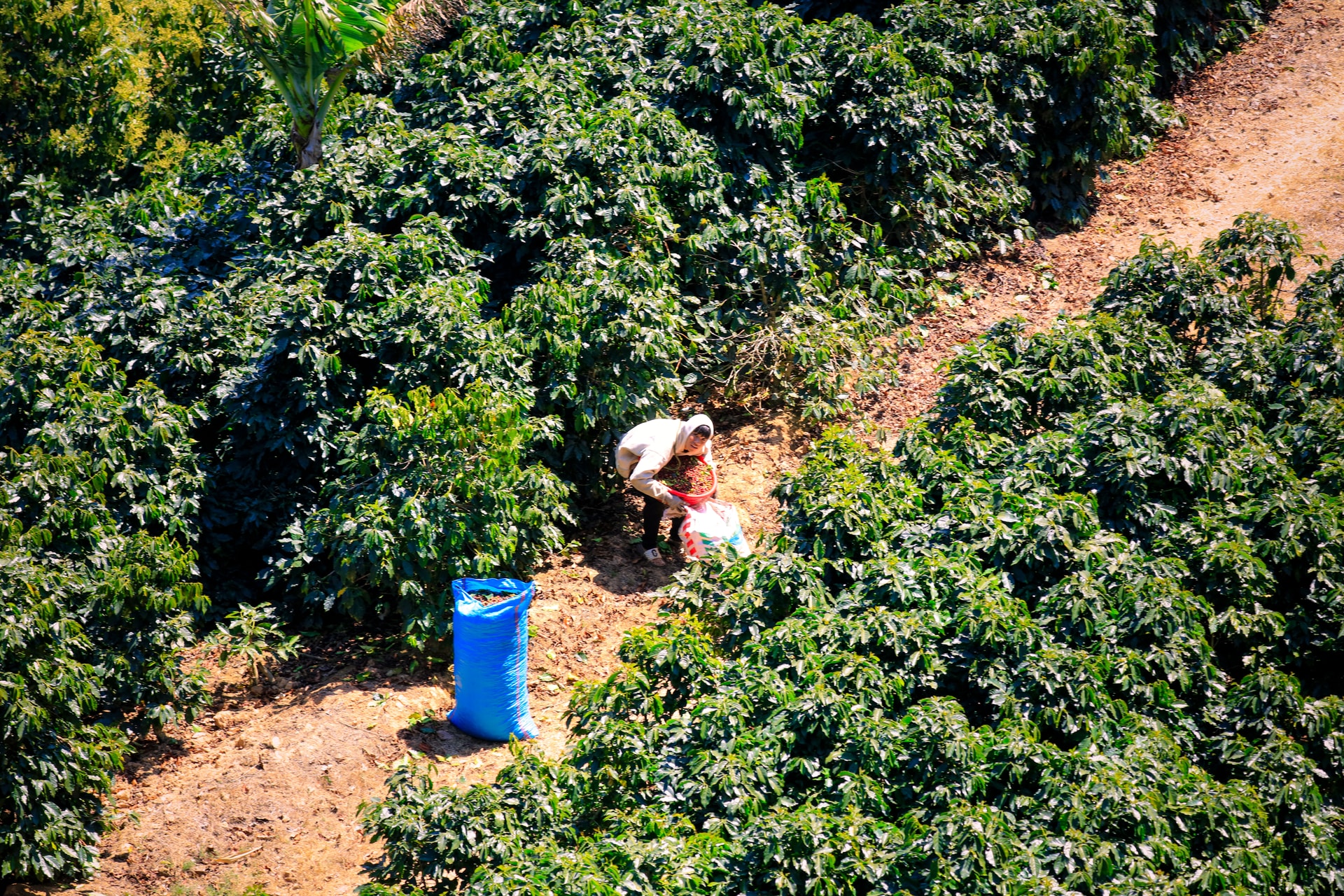
The presence of Cau Dat Arabica coffee in Starbucks' global store system is not just a simple commercial signal, but an affirmation of the value of Arabica coffee from the Cau Dat region.
This recognition awakened farmers and managers, making them realize that Cau Dat coffee needed to be preserved and developed to penetrate the Specialty Coffee segment. From there, the Provincial People's Committee formulated a new strategy to transform Cau Dat into a specialty coffee production region. No longer just raw coffee beans exported in large quantities, Cau Dat Arabica coffee is gradually being restored and oriented towards becoming a specialty coffee, competing with the best and most distinctive coffees to win over even the most discerning coffee connoisseurs.
The revolution in farmers' thinking.
The biggest challenge in the revival of Cau Dat Arabica coffee lies not in the techniques, but in changing the mindset deeply ingrained over generations. Previously, farmers cultivated using traditional methods, with a lack of transparency in every step from fertilization to harvesting. Images of neglected coffee plantations and sacks of coffee harvested in bulk, with up to 50% green beans and sometimes only 30% ripe, were commonplace.
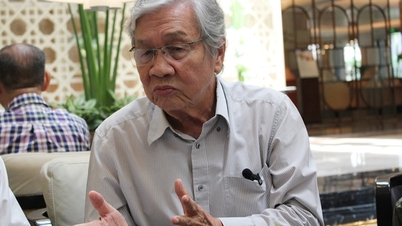
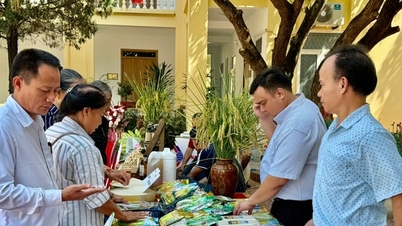
The change has begun with the smallest things, from caring for the plants, harvesting ripe fruit, processing, and preserving... The "harvesting in bulk" mentality (picking both green and ripe fruit) has gradually been eliminated. A prime example is the story of Mr. Nguyen Song Vu, who has a long tradition of growing coffee in Cau Dat.
After accidentally learning that Cau Dat coffee had been selected by buyers to compete internationally and win awards, Mr. Vu researched and learned how to produce high-quality coffee. He and his family care for the coffee plants using a strictly controlled process. "Before, we only focused on quantity. Now, we farmers cherish every step from planting, caring for, harvesting 95-100% ripe beans, processing… and farming has gradually shifted towards organic farming," Mr. Nguyen Song Vu shared proudly.
The results of this revolution in thinking are reflected in the numbers. From the dirt-cheap prices of the past, raw Cau Dat coffee now costs 150,000 VND/kg. Coffee plantations that were once cut down to make way for tea or vegetables are now being converted back to coffee by farmers, but using clean and transparent farming practices, competing on quality.
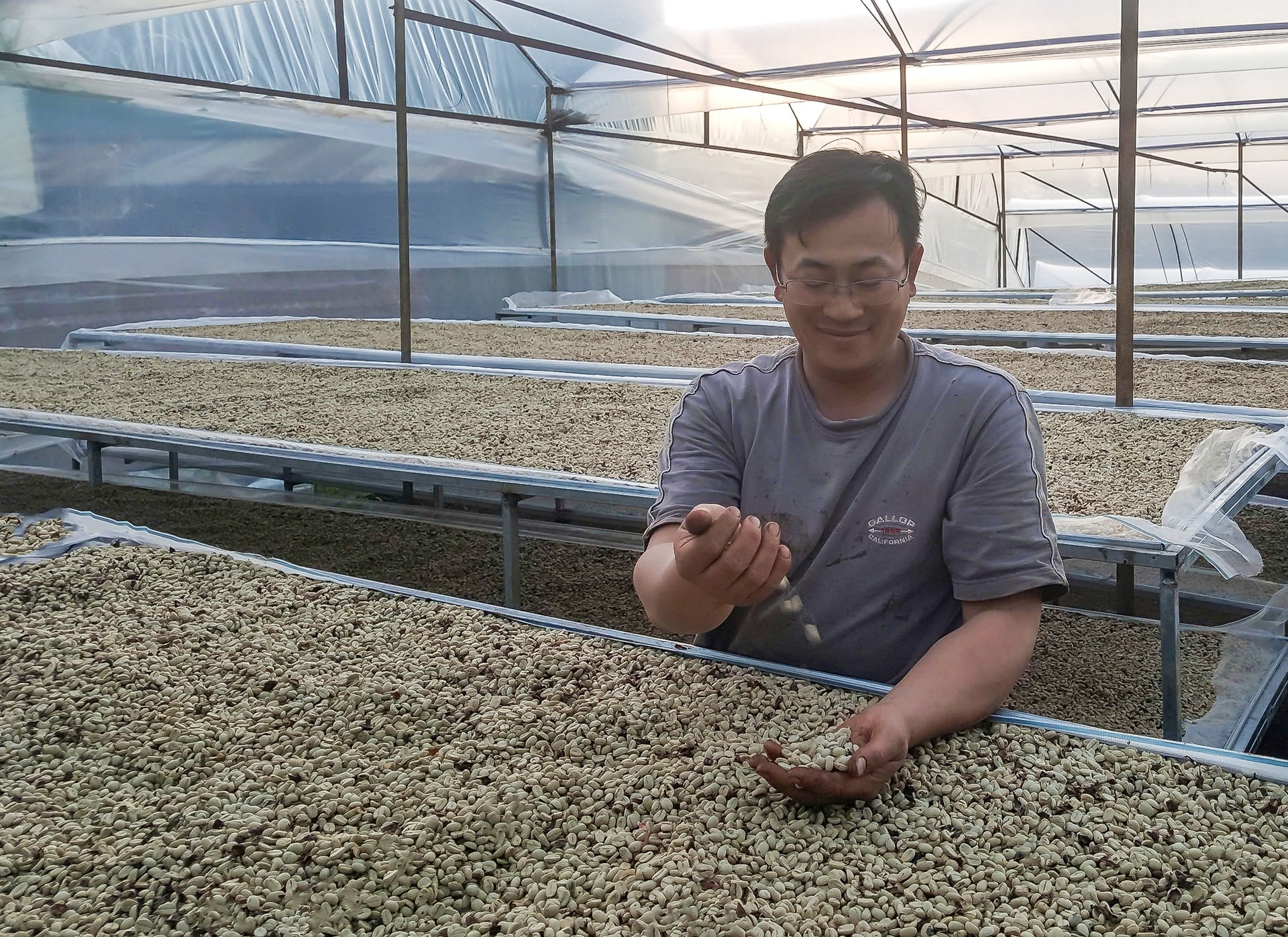
Beyond the efforts of farmers, the flourishing of Cau Dat Arabica coffee is also supported and recognized by leading businesses in the industry. Many coffee purchasing companies from Vietnam, Japan, and other countries continuously organize annual coffee selection competitions for export, creating a healthy competitive environment and promoting the quality of coffee in this region.
Ms. Le Hoang Diep Thao, founder and CEO of King Coffee, dubbed the "female general" of Vietnam's coffee industry, has praised the arabica coffee from this region. Throughout her journey of collaborating with farmers and aiming to make Lam Dong the coffee capital of Vietnam, Ms. Diep Thao has consistently emphasized the unique position of arabica coffee from this area.
Arabica coffee beans have now become an integral part of the people of Cau Dat, cherished with pride. The flavor of Cau Dat Arabica today is not only the culmination of the climate and soil, but also the result of love and a virtuous agricultural philosophy.
With the goal of developing 19,000 hectares of specialty coffee by 2030, Cau Dat Arabica has not only been revived but also promises to soar to new heights, reaching consumers all over the world.
Source: https://baolamdong.vn/cuoc-hoi-sinh-cua-ca-phe-arabica-cau-dat-419714.html
![[Photo] First session of the 14th Congress of the Vietnam Trade Union](https://vphoto.vietnam.vn/thumb/1200x675/vietnam/resource/IMAGE/2026/06/03/1780465947883_ndo_br_img-3852-jpg.webp)

![[Photo] General Secretary and President To Lam presides over a meeting with the Central Organizing Committee.](https://vphoto.vietnam.vn/thumb/1200x675/vietnam/resource/IMAGE/2026/06/03/1780482764658_a1-bnd-4741-3342-jpg.webp)
![[Photo] Secretary of the National Assembly Party Committee, Chairman of the National Assembly presides over the meeting of the Standing Committee and Executive Committee of the National Assembly Party Committee.](https://vphoto.vietnam.vn/thumb/1200x675/vietnam/resource/IMAGE/2026/06/03/1780480353201_ndo_br_bnd-2585-jpg.webp)


































![[Video] Sunset at Lap An Lagoon – Where the sun sets over the fishing nets](https://vphoto.vietnam.vn/thumb/1200x675/vietnam/resource/IMAGE/2026/05/31/1780192137701_beach-landscape-sea-water-nature-grass-745871-pxhere-com.jpeg)


























Comment (0)