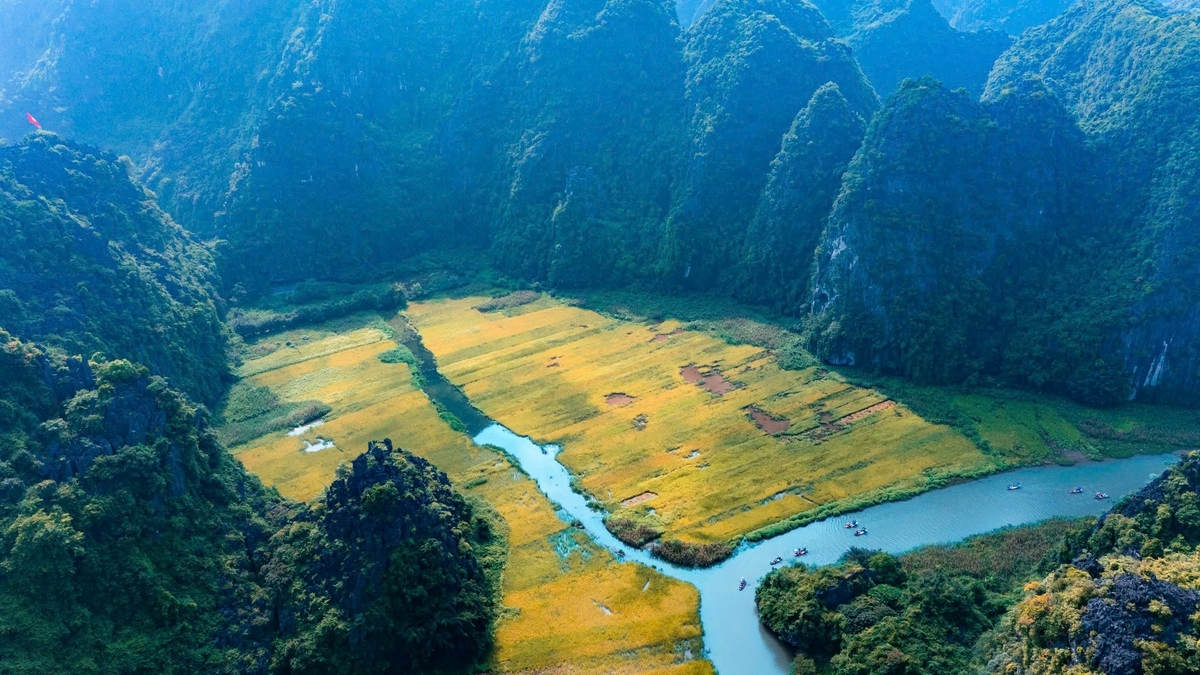
After traversing the long, steep Ton K'Long slope and the winding Snake Gorge, Ton K'Long (Da Teh 2 commune) appears with its peaceful houses nestled amidst lush green coffee and durian orchards. Ms. Ka Theao, the village Party Secretary and a daughter of the Ma ethnic group, recounts that Ton K'Long was formerly home to the indigenous Ma people.
“In the old days, my grandparents lived here. The old village name was Tan K’Long, later renamed Ton K’Long. People cultivated rice in the fields, but after a few seasons, the land became barren, so they moved to find land elsewhere. Life was very hard; rice cultivation depended solely on rainwater, resulting in low yields and constant hunger,” recalled Ka Thẻo.
In 2000, Ka Thẻo and over 100 other Ma ethnic minority households were encouraged by the Da Teh district government to settle in Ton K'Long. Returning to their ancestral land, the Ma people were both happy and worried. “Ton K'Long was very difficult to get to back then; the slopes were long and far, and the Snake Stream was winding. It took us half a day to carry rice, noodles, and dried fish up the slope. Luckily, we had land to grow coffee and cashew nuts, so it was a relief,” Ka Thẻo recalled.
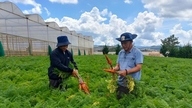
Initially, due to a lack of water and transportation routes, the Ma people in Ton K'Long mainly cultivated cashew trees, a crop that requires little care. Then, encouraged and supported by the government with seedlings, fertilizers, and pesticides, they cleared some of the cashew trees and planted coffee. Ton K'Long is one of the areas where coffee cultivation thrives. In recent years, Kinh people have also moved into the village, planting lush durian orchards. Following their example, the Ma people have also planted durian trees interspersed among their traditional coffee plantations.


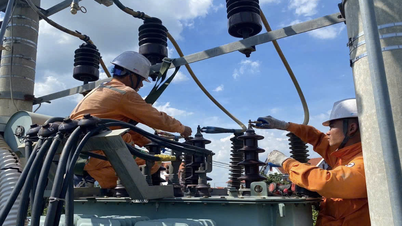
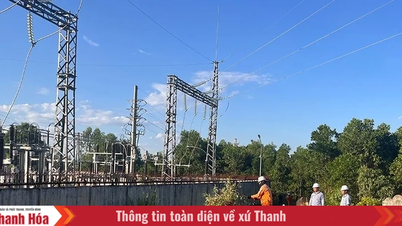
“Ton K’Long got electricity in 2007, and it was a huge change. With electricity, houses were lit, life improved with electric rice cookers and televisions. Every night, the whole village was brightly lit, no longer a desolate place that had been shrouded in darkness for so many years. Especially for irrigating coffee plants, we no longer had to use diesel generators but electricity, which was both convenient and cheap,” recalled Ms. Ka Thẻo.
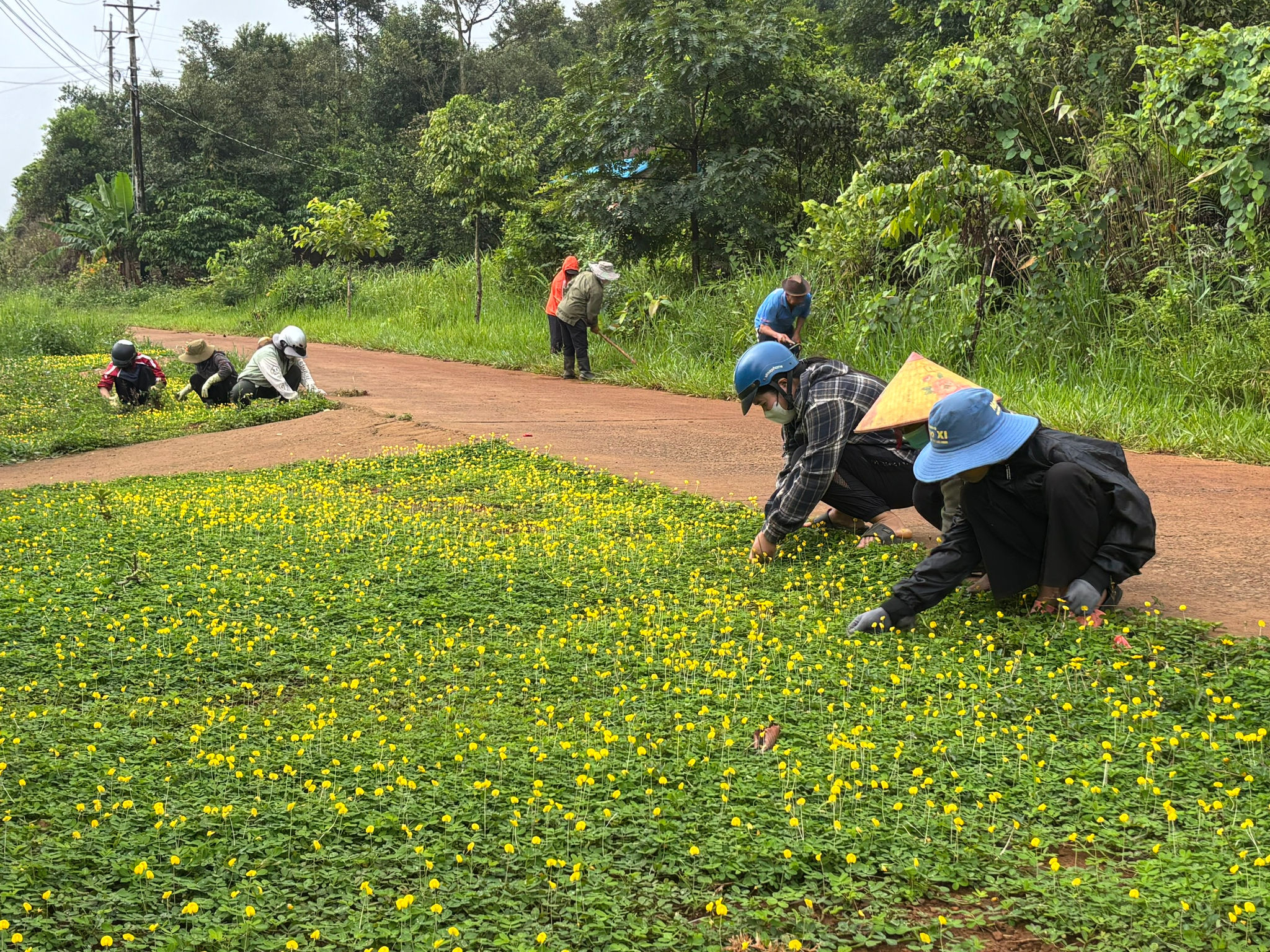
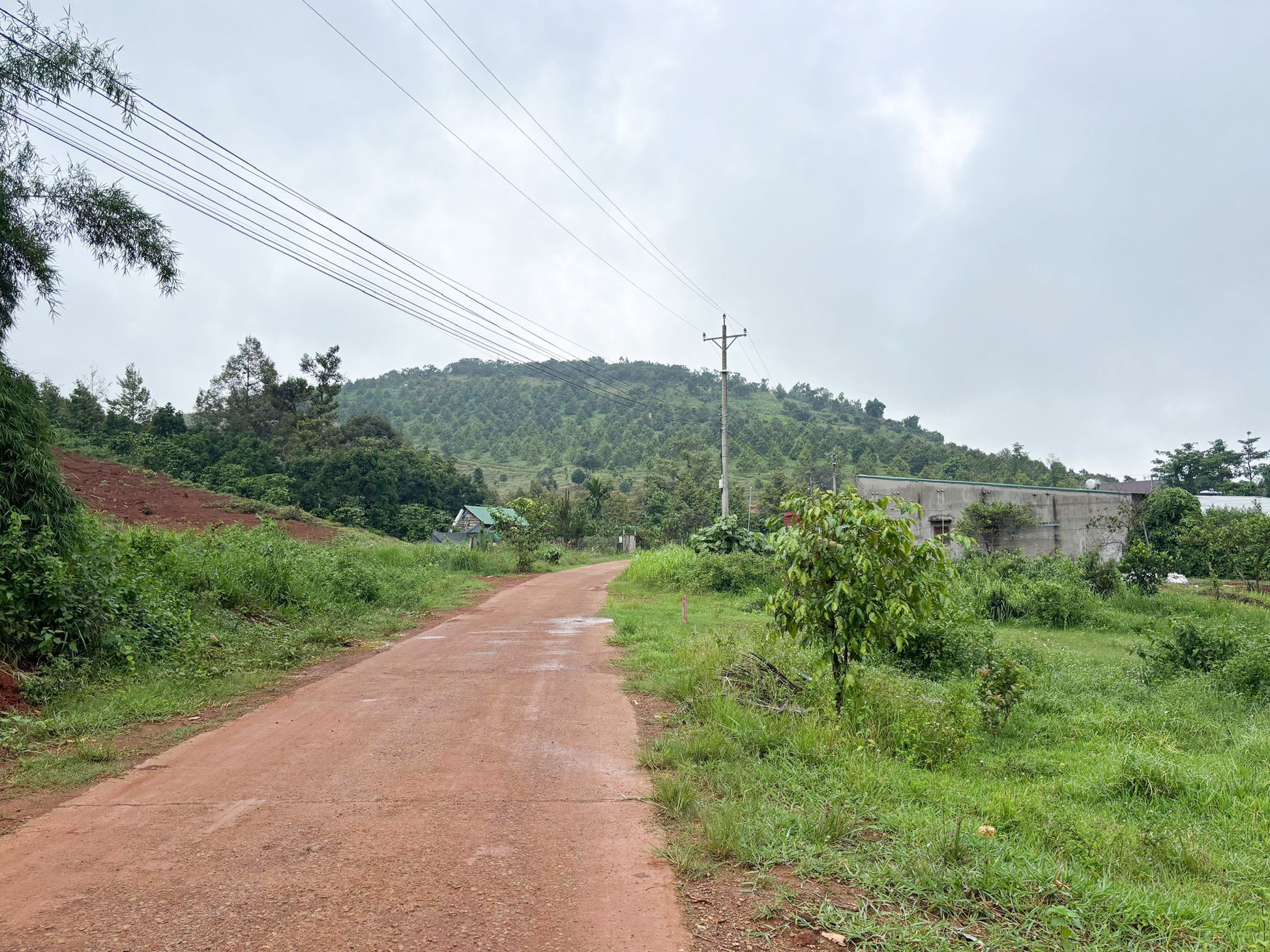
And the changes became even more dramatic in 2019 when a concrete road was built connecting the main road to Ton K'Long. The road, stretching 17 kilometers, winds its way through lush green forests. It connects the highland village with the people at the foot of the mountain, facilitating the transport of fertilizers and food to Ton K'Long and the delivery of coffee and durian to the town center.
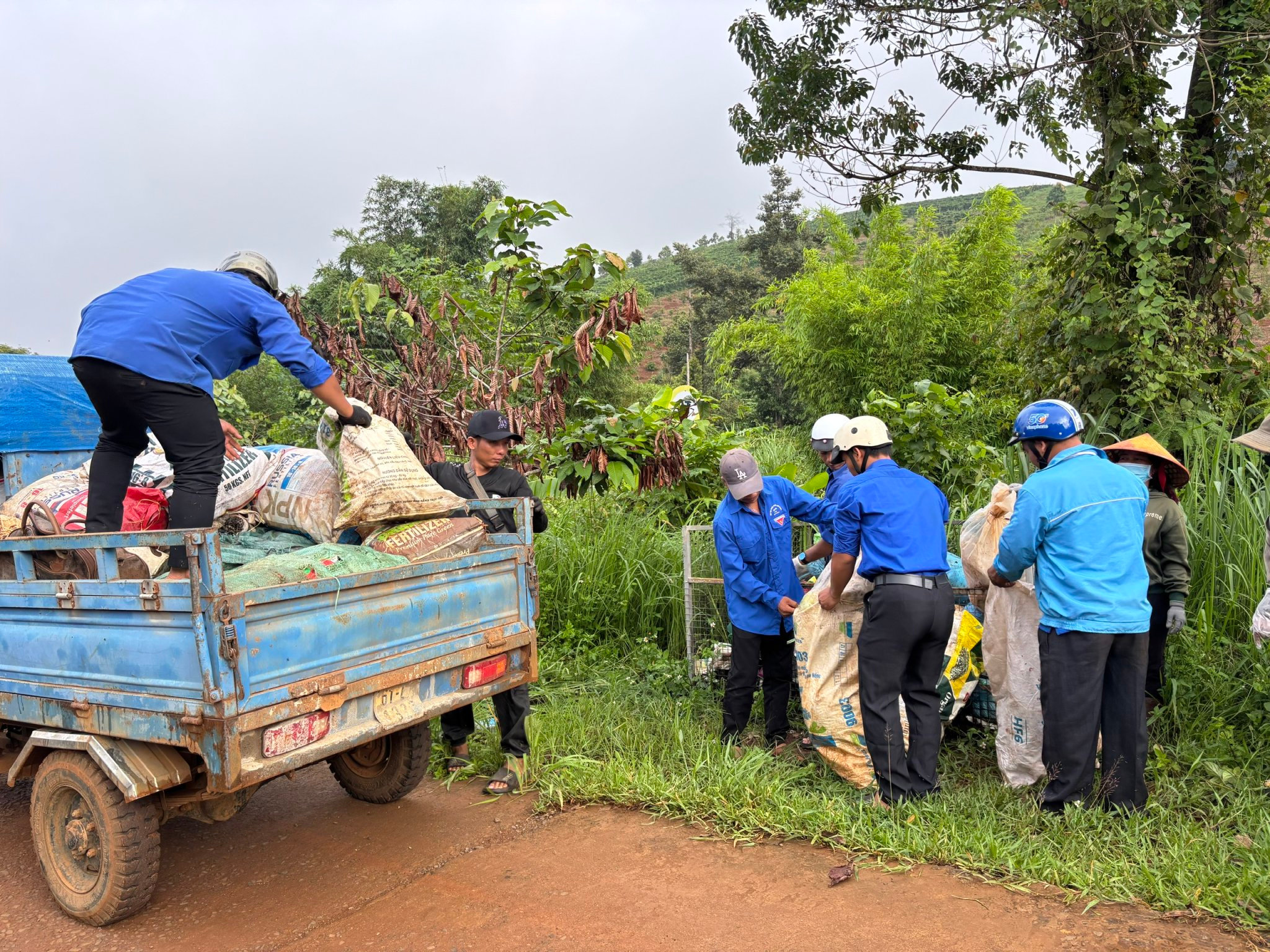
With roads, electricity, a health station, and preschools, kindergartens, primary schools, and secondary schools, the children of Ton K'Long village receive an education right in their village, resulting in a noticeable increase in their literacy rate. Besides tending coffee and durian crops, they also work as laborers for companies in the surrounding area. Those who stay at home participate in contracted forest protection activities.
The village's income is quite stable; out of 192 households, 176 Ma households have escaped poverty. "It's not wrong to say Ton K'Long has undergone a dramatic transformation. When we settled here in 2000, we couldn't have imagined things would turn out like this today," exclaimed Ms. Ka Thẻo. She also proudly stated that Ton K'Long has a Party branch with 7 members, mostly indigenous Ma people.


“Ton K’Long is our successful resettlement model, where the nomadic Ma people have settled down and focused on production,” proudly stated Mr. Phan Van Duong, Vice Chairman of the People's Committee of Da Teh 2 commune. Ton K’Long shines brightly in the night today, with its spacious houses built by the labor of its residents and with the support of the government, a testament to 26 years of transformation in this area.
Source: https://baolamdong.vn/cuoc-life-moi-o-ton-k-long-448291.html
![[Photo] General Secretary and President To Lam attends the Central Public Security Party Committee Conference](https://vphoto.vietnam.vn/thumb/1200x675/vietnam/resource/IMAGE/2026/06/24/1782302063612_a1-bnd-9302-9166-jpg.webp)
![[Photo] The 13th National Congress of the Youth Union conducts personnel work.](https://vphoto.vietnam.vn/thumb/1200x675/vietnam/resource/IMAGE/2026/06/24/1782299943080_ndo_br_1-6868-jpg.webp)
![[Photo] Opening Ceremony of the 13th National Congress of the Ho Chi Minh Communist Youth Union](https://vphoto.vietnam.vn/thumb/1200x675/vietnam/resource/IMAGE/2026/06/24/1782286753905_ndo_br_1-8510-jpg.webp)