

Diverse transportation options pave the way for inter-regional tourism.
In recent years, Vietnam's highway system has developed rapidly, contributing to a transformation of the tourism landscape. Highways such as the North-South Expressway, the Hanoi -Hai Phong-Quang Ninh Expressway, the Hanoi-Lao Cai Expressway, and the Dau Giay-Phan Thiet Expressway have significantly shortened travel time between tourist centers.
The development of road transport has also led to the expansion of high-quality passenger transport options such as limousines and luxury sleeper buses. These are becoming a popular choice for families and young travelers who prefer flexible experiences.
According to many travel businesses, improved road infrastructure makes it easier for them to develop inter-provincial tours, expand their product range, and increase the length of stay for tourists.
Besides road transport, many localities are also focusing on investing in waterway transport to exploit its tourism potential. According to the annual forecast published in mid-April by the International Cruise Association (CLIA), an estimated 38.3 million people will travel by cruise ship this year, a 4% increase compared to last year's record of 37.2 million visitors.
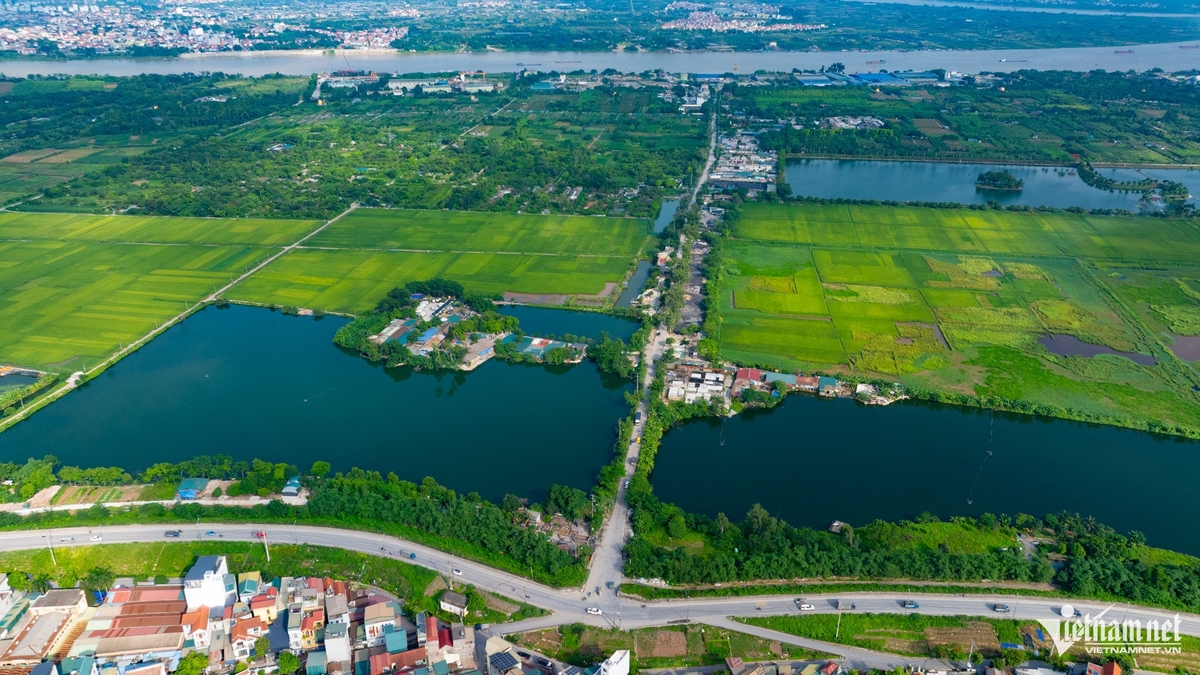
While Vietnam has a long coastline and diverse canals and rivers, this provides favorable conditions for developing river tourism, coastal tourism, and inter-regional connecting boat routes. For example, in the Mekong Delta region, waterway tourism continues to be a distinctive product attracting international tourists. Tours to floating markets, craft villages, and orchards by boat or motorboat remain popular thanks to the unique local cultural experiences offered.
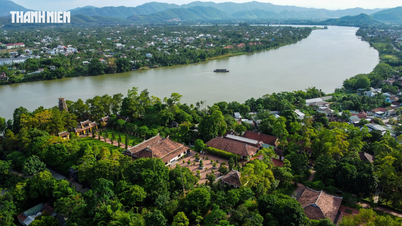
Meanwhile, many tourist cities are stepping up investment in port infrastructure and river tourism products. Da Nang is developing the Han River tourism route, Hue is expanding tourism on the Perfume River, and Quang Ninh is focusing on high-end cruise routes in Ha Long Bay.
Furthermore, railways are becoming an attractive means of tourism in Vietnam. In recent years, the railway industry has continuously upgraded and improved. Notable examples include the Da Nang - Hue route, with its highlights of Hai Van Pass and Lang Co Bay; the Ho Chi Minh City - Nha Trang route, notable for its pristine beaches; and the Da Lat - Trai Mat route, reflecting the unique characteristics of the highlands. In 2025, despite the impact of continuous rain and floods, the Vietnam Railway Corporation transported nearly 8,500 passengers, generating revenue of 10,700 billion VND.
Airlines are making efforts to attract tourists.
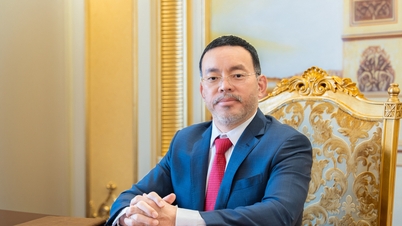
While road, rail, and waterway transport play a crucial role in regional connectivity, air travel remains the "backbone" of Vietnamese tourism, especially for international visitors. Speaking to the media, Mr. Uong Viet Dung, Director of the Civil Aviation Authority of Vietnam, stated that statistics show approximately 80% of international tourists visiting Vietnam use air travel, and air transport is also the primary mode of transportation for many domestic destinations; tourists also account for up to 70% of the total passenger volume transported by airlines.
In the first quarter of 2026, the Vietnamese air transport market continued to achieve impressive growth results with over 24.1 million passengers, an increase of 16.4% compared to the same period in 2025. Of these, domestic passengers accounted for over 10.2 million, an increase of 12.6%, and international passengers nearly 14 million, an increase of 19.4%.
To attract tourists, one of the prominent trends today is the closer collaboration between the aviation industry and tourism destinations. Many provinces and cities have partnered with airlines to promote destinations and boost tourism in key international markets. Roadshows, famtrips, and tourism fairs are implemented simultaneously with the opening of new flight routes to create a ripple effect.
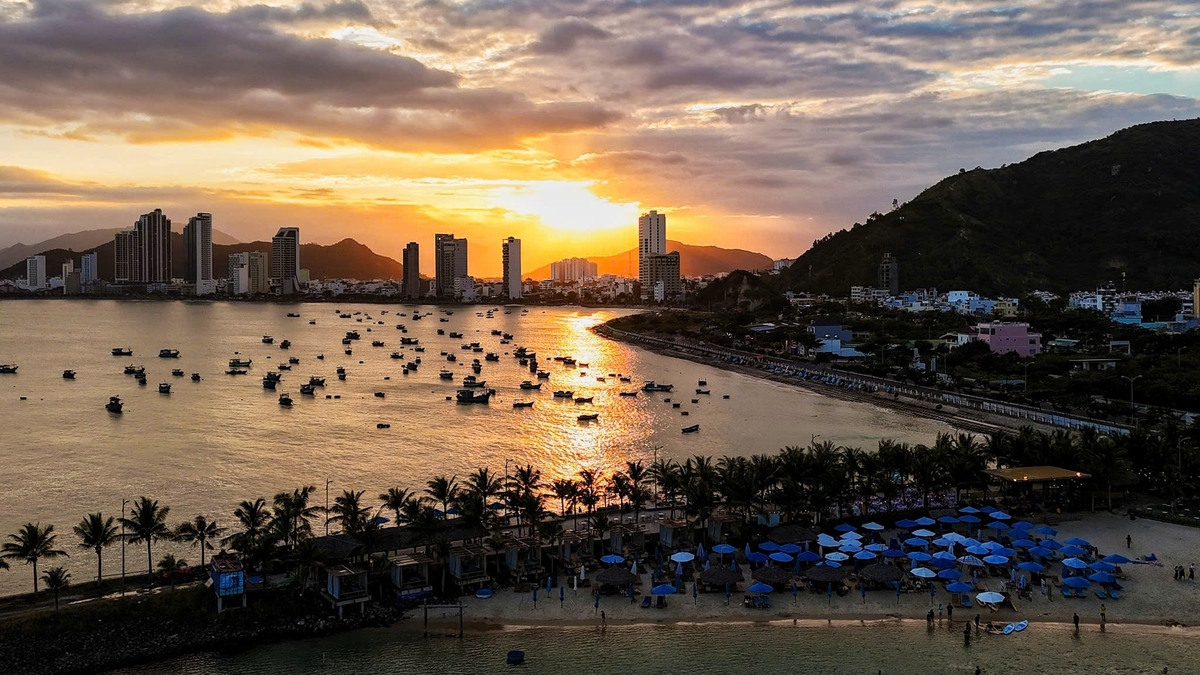
For example, in Khanh Hoa province, the tourism industry is coordinating with airlines to strongly revive the South Korean and Chinese tourist markets. Phu Quoc is also increasing flights within the Asian region to serve high-end resort tourists. In reality, the link between aviation and tourism is no longer limited to transportation but is expanding into a service ecosystem, from accommodation and resorts to destination experiences. This helps increase spending and extend the length of stay for tourists.
However, the aviation industry worldwide, and in Vietnam in particular, is currently facing many difficulties, especially due to the volatility of aviation fuel prices. Furthermore, the pressure on the aviation industry stems not only from fuel costs but also from a range of other expenses such as aircraft leasing and purchasing, technical maintenance, spare parts, operating systems, and related operational costs. This significantly impacts the operating costs of airlines. As a result, domestic and international airfares are increasing, leading many tourists to opt for domestic travel by car or train. Additionally, foreign tourists will choose other travel options that better suit their needs.
The peak summer travel season is beginning, but purchasing power is showing signs of slowing down, and the aviation and tourism market is clearly facing many difficulties. Businesses are facing pressure from declining revenue. Therefore, the challenge of stimulating domestic aviation and tourism demand and maintaining sustainable growth is more urgent than ever. To effectively stimulate tourism in the final months of the year, more coordinated solutions from state management agencies to the business community are needed.
Source: https://baophapluat.vn/da-dang-loai-hinh-giao-thong-de-phat-trien-du-lich.html













































































Comment (0)