An interesting "headache"
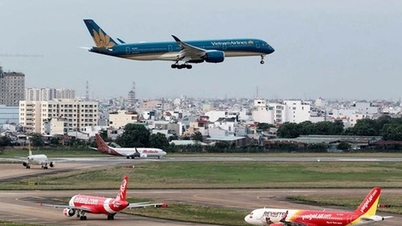
Having the opportunity to visit Taiwan ( China ) once again, on the familiar Vietjet flight with its modern aircraft and young, dynamic, and beautiful flight attendants, I wondered what next destination I should explore on this beautiful island.
The reason I'm having such a headache is quite interesting: from Hanoi, Ho Chi Minh City, Nha Trang to Taiwan (China) there are many routes, such as to Taipei, Taichung, Tainan, or Kaohsiung.
A modern Taipei, a relaxed Taichung, a historically rich Tainan, a vibrant Kaohsiung overlooking the sea, or a Jiufen shimmering with red lanterns like something out of a fairy tale – they are all incredibly appealing. Every destination is fascinating and compels me to book a Vietjet ticket, pack my bags, and hit the road.
But I want to return to the old, nostalgic things to relieve all the stress and fatigue after a series of days racing against time at work.
And I chose Daxi, an old neighborhood in Taoyuan City, located southwest of Taipei.
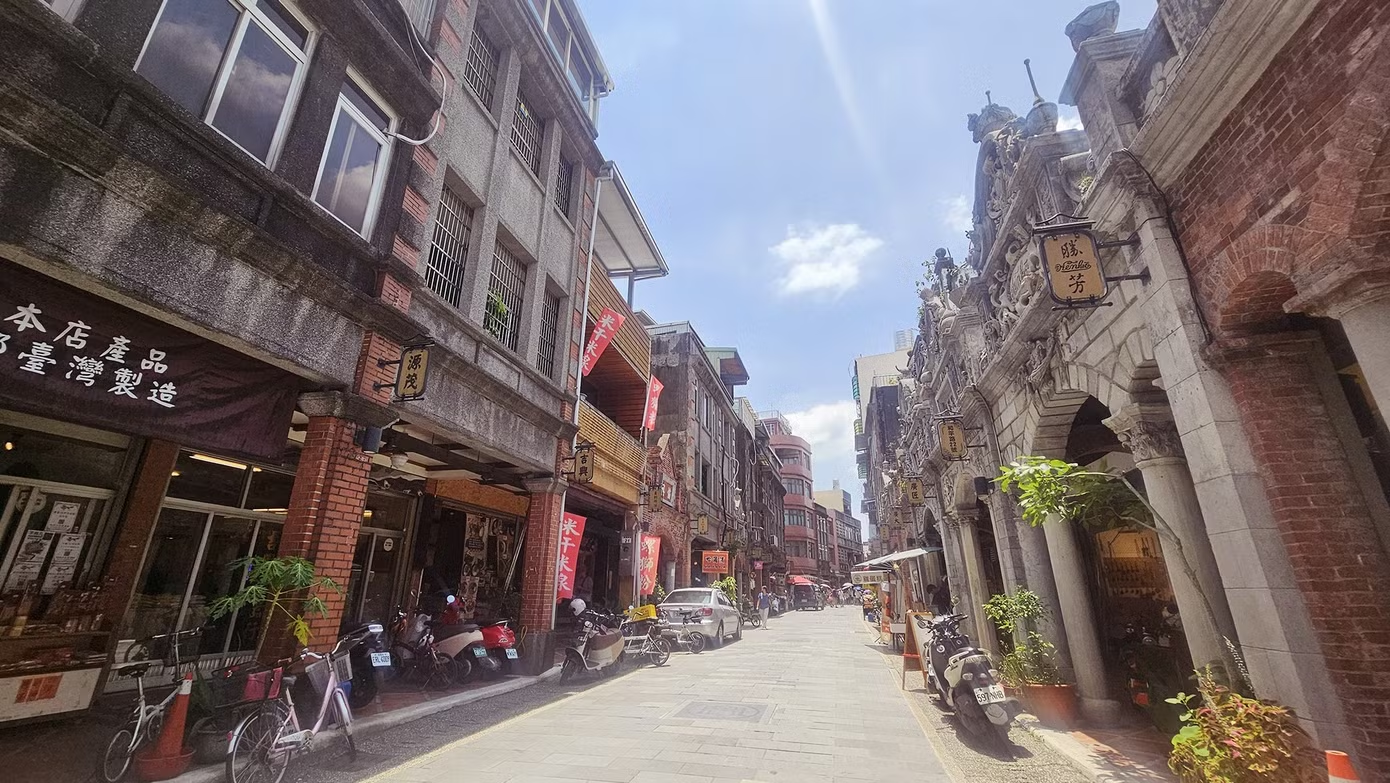
Old town by the river
Flight VJ942 departed from Hanoi and landed at Taoyuan Airport at 6 PM. I went to Taipei to rest, then the next day I leisurely took a train and transferred to a bus to Taixi, where I began to immerse myself in the old-world charm and tranquility of the ancient town.
Dai Khe welcomed me with its narrow streets and ancient houses, their facades intricately carved, a testament to a prosperous era that has shaped Dai Khe's appearance today.
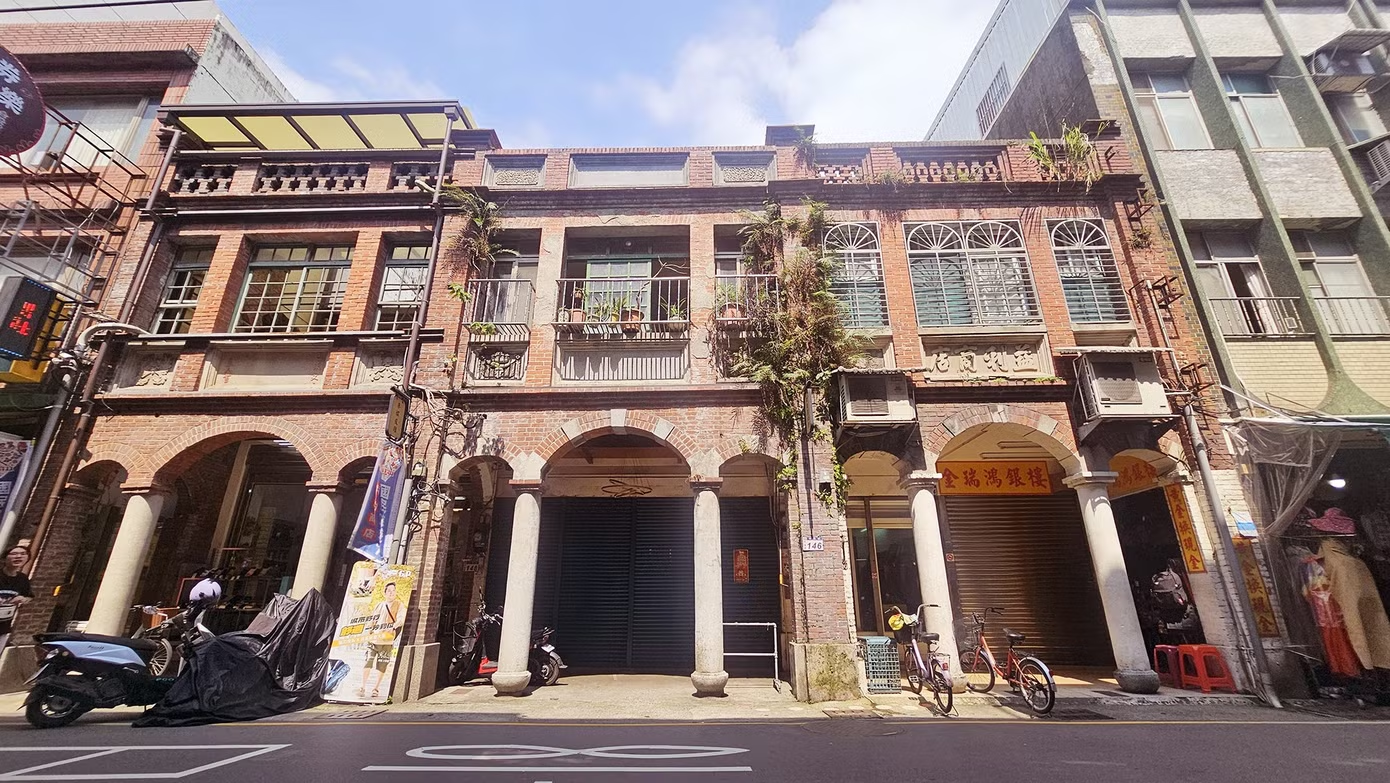
Located on the banks of the Dahan River, since the 19th century, Daxi has emerged as a bustling trading port and later become an attractive tourist destination in Taiwan (China), bearing similarities to the ancient town of Hoi An.
Baroque architecture is a popular style in Daxi, but it's not purely European Baroque; rather, it's been adapted into Taiwanese Baroque, a blend of Western and traditional Chinese architecture.
The most distinctive features of the houses are the European-style columns, curved arches, and raised relief carvings. The houses have narrow facades but are deep in length, making them very convenient for business.
Architects describe Dai Khe as a blend of Western style and local tradition, creating a unique architectural style.


Strolling along moss-covered streets, amidst the hustle and bustle of tourists and stalls, I admired exquisite European artworks while immersing myself in the slow, nostalgic pace of life in some ancient capital, yet finding it uniquely different from anywhere else.
It seems I have touched upon a realm of nostalgia for the once-thriving trading port.
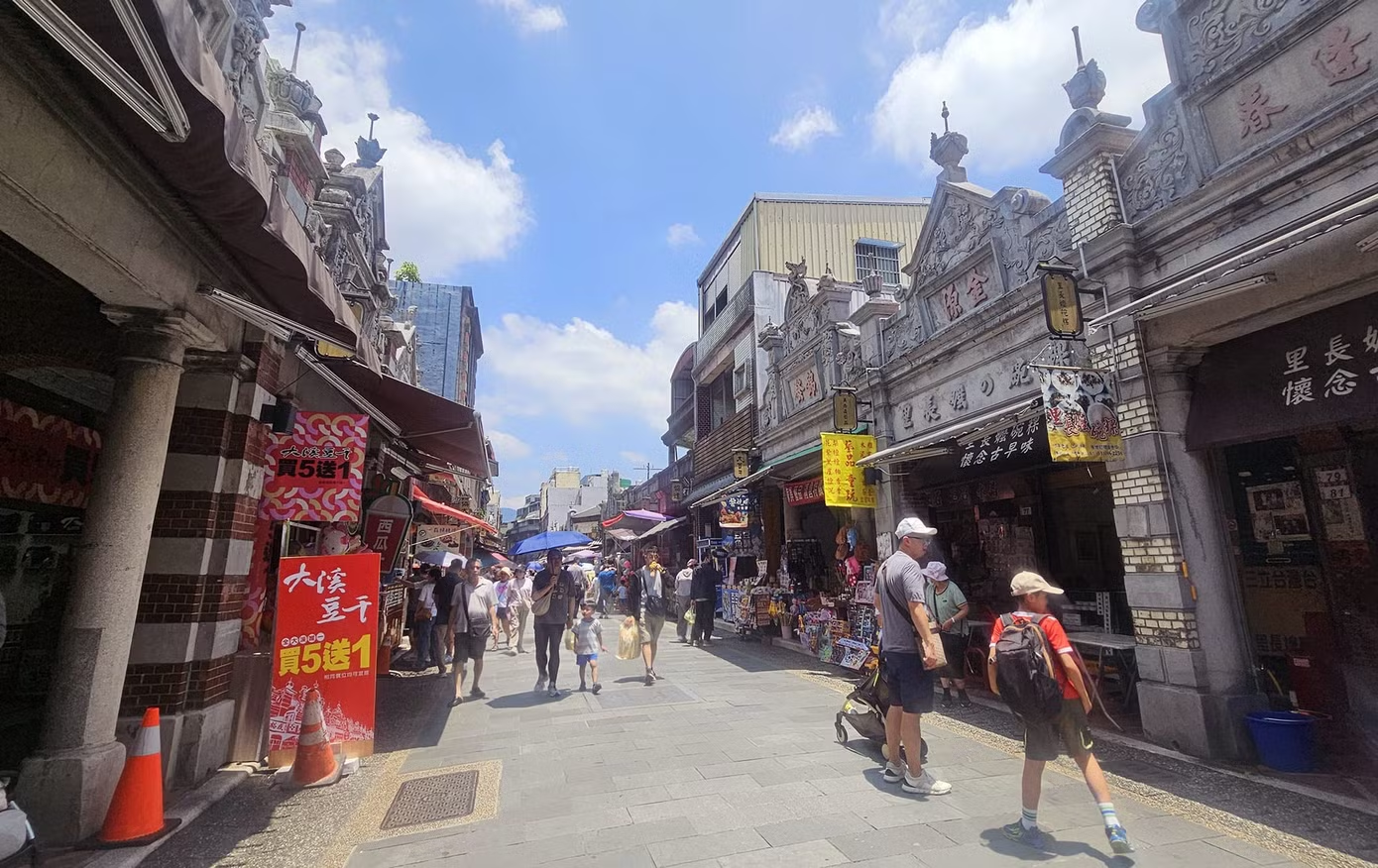
The Sound of Time
Walking down Heping Street, a cool breeze from the Dahan River blew against my face, opening a window into the past.
Turning onto Puji Street, a street running along the riverbank, a spacious garden with lush green lawns and refreshing trees appears, offering a resting place for visitors before continuing their exploration. Take a leisurely break here, gently close your eyes, and listen to feel the vibrant sounds of a bustling trading port, as time passes.
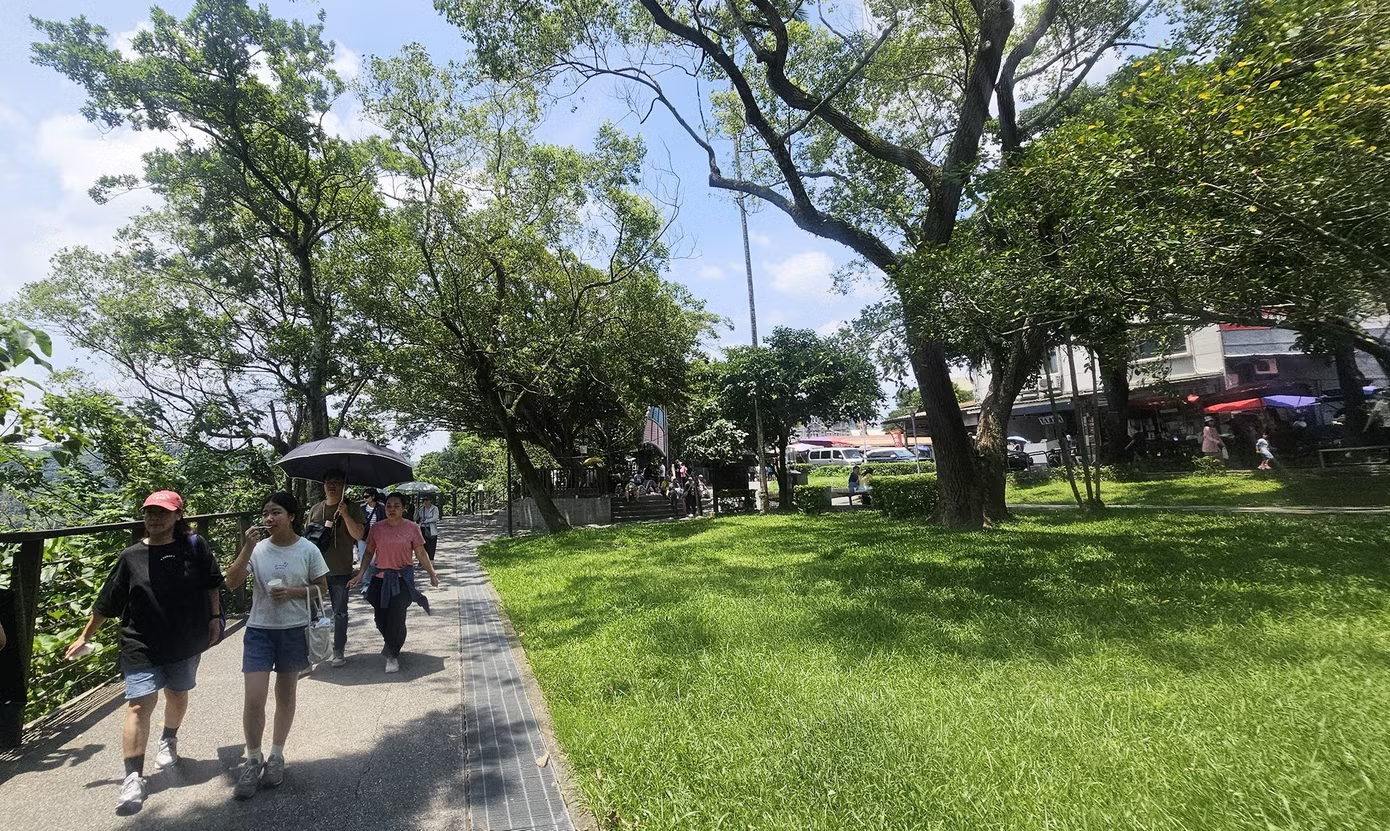
The Dahan River wharf was once the point where ships from the sea could penetrate the deepest inland. Thanks to this, Dahan River became an important transshipment hub for goods, transporting them from inland areas of the island to the sea for export, and also receiving goods from other countries for distribution to other regions of Taiwan (China).
Goods circulating through Dai Khe included timber, rice, tea, coal, and mountain products. Among them, camphor was the commodity that brought wealth to the people of Dai Khe.
During its heyday, the Daxi trading port was bustling with ships coming and going. Merchants from many places, not only from Taiwan (China) but also from England, Germany, the Netherlands, and Spain, came here to trade and establish headquarters, contributing to the formation of distinctive neighborhoods in Daxi.
Through ups and downs, the Dai Han River has changed course, and its water depth is no longer sufficient for waterway transportation. Along with this, the development of railway and road systems has closed the role of Dai Khe as a trading port, but it remains a witness to the memories of a golden age.
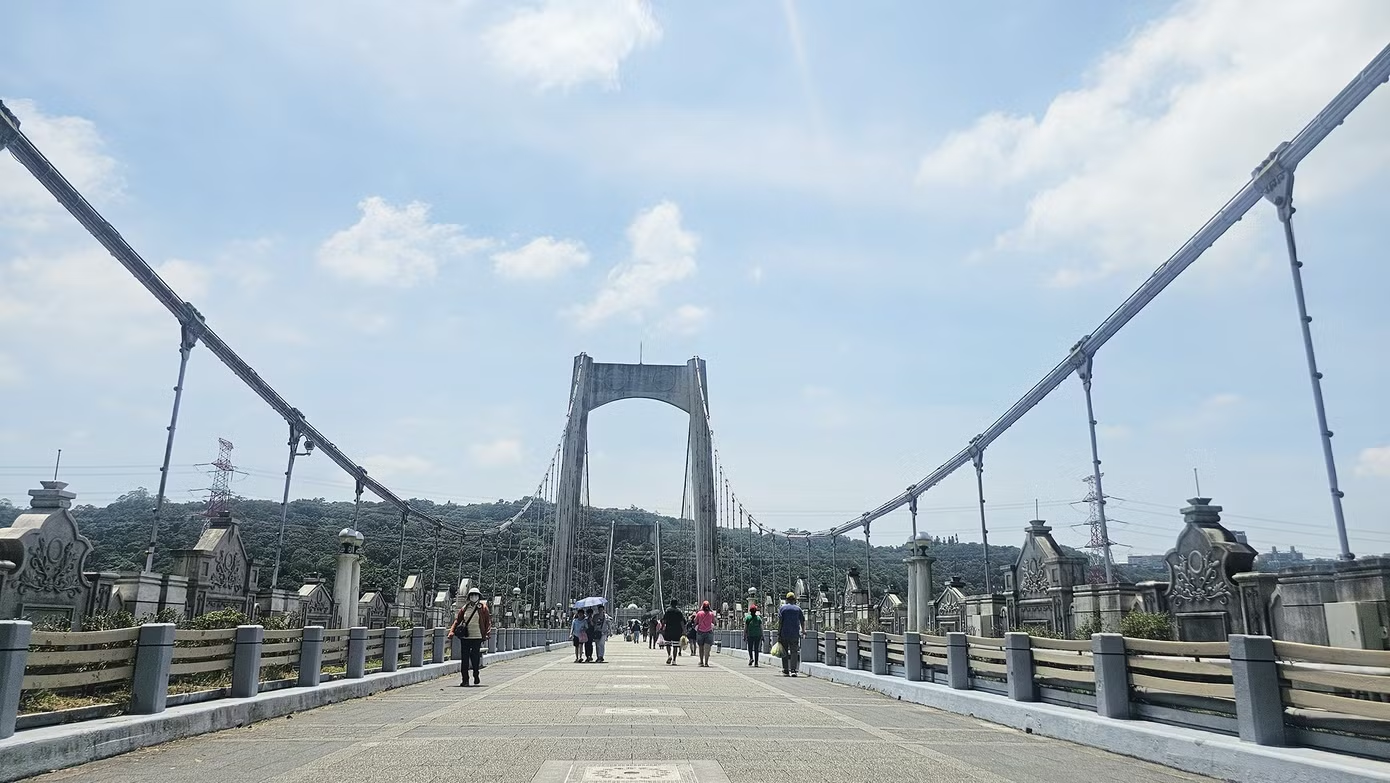
The soul of cuisine
Cuisine is always a reflection of a region's cultural identity. Visiting Dai Khe and missing out on its food would be a real shame!
While the ancient streets preserve the memory of bustling trade, the cuisine gives you a glimpse into the daily life of the people of Dai Khe. Dai Khe's cuisine clearly reflects the history of commerce and life in this area.
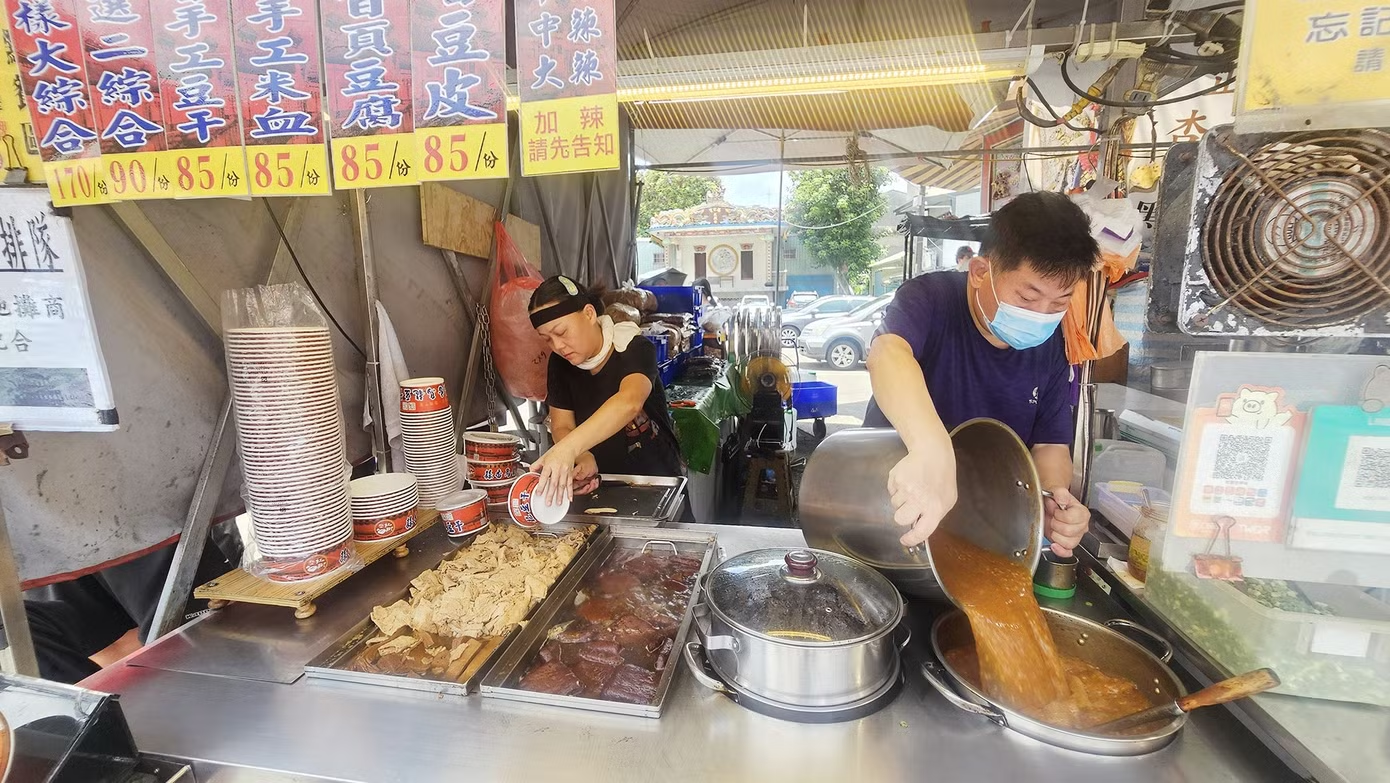

From the moment I arrived in Dai Khe, my sense of smell was captivated by the famous aroma of dried tofu. The fragrance emanated from the stalls, permeated the streets, and blended into the air, gently enticing visitors. The tofu shops were packed with people queuing for their turn to enjoy the treat. Given the nature of their work transporting goods, tofu was the most suitable food for them. Dai Khe tofu is firmly pressed, has a glossy brown color, and a chewy texture; the more you chew, the richer and sweeter the flavor becomes on your tongue. It's an unforgettable experience once you leave this place.
Besides tofu, Dai Khe also offers many other delicious dishes, all handcrafted using family recipes passed down through generations. The locals maintain these dishes partly to preserve the essence of their ancestors and partly to allow visitors to reconnect with a Dai Khe rich in history and culture. However, being a welcoming place for people from all over, the soft, chewy rice cakes, peanut-based pastries with their rustic flavors, and noodle dishes are all seasoned to suit everyone's taste.
A quiet spot for preserving memories.
As evening falls and the sun gradually sets, casting an amber hue over the weathered rooftops, further enhancing the tranquil beauty of Dai Khe.
The last rays of sunlight falling after each step made me hesitate, torn between wanting to leave and wanting to stay. This short but precious time instilled in my soul a tranquility that the relentless flow of life rarely offered, a chance to pause and reflect.
Dai Khe is a quiet note in a piece of music, allowing me to pause, immerse myself in the simple, beautiful things that silently flow with time, preserving the memories of a beautiful destination on my journey aboard Vietjet flights as a traveler like myself.
Source: https://tienphong.vn/dai-khe-noi-luu-giu-ki-uc-post1856588.tpo













![[Video] Weather forecast for tonight and tomorrow, July 4, 2026: The remnants of Typhoon No. 1 will cause widespread and prolonged heavy rain in Northern Vietnam.](https://vphoto.vietnam.vn/thumb/402x226/vietnam/resource/IMAGE/2026/07/03/1783083905760_thum-dem-png.webp)