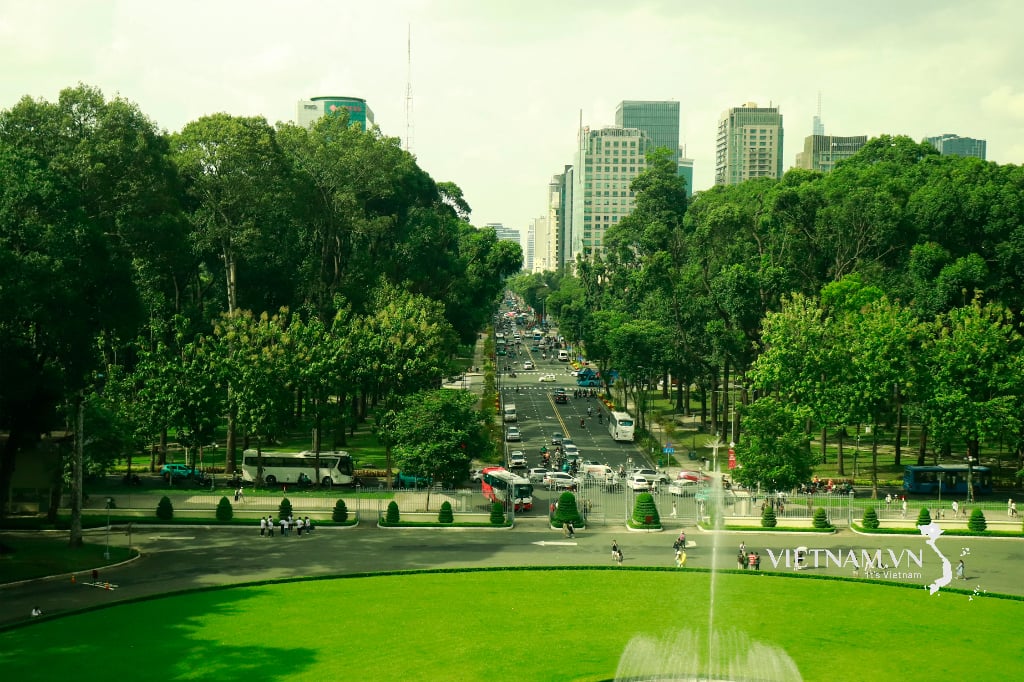
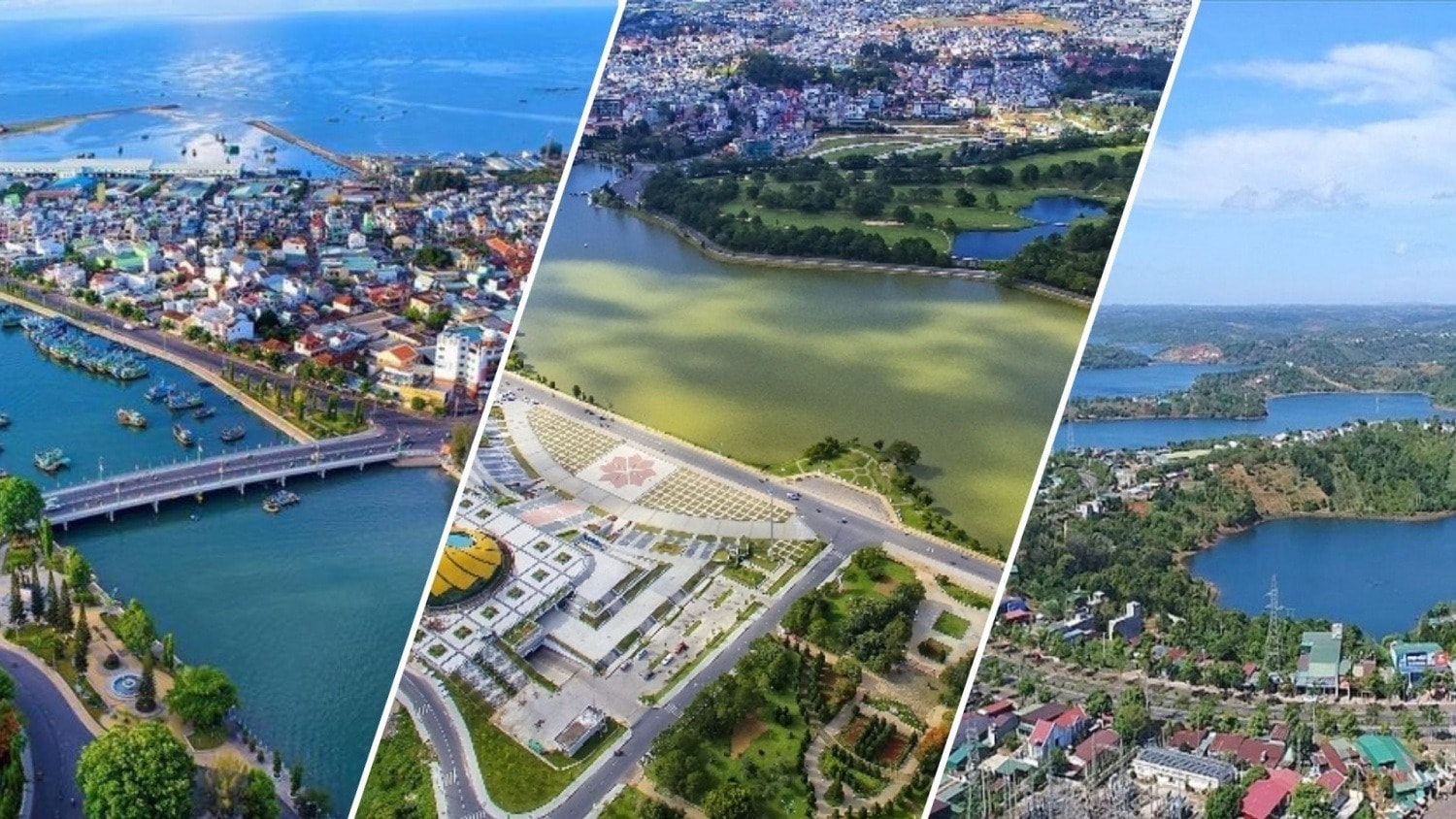
Dak Nong is in the process of implementing the policy of rearranging and reorganizing administrative units, preparing to operate a two-tiered government system. Along with Binh Thuan and Lam Dong , Dak Nong will be merged into Lam Dong province from July 1, 2025.
.jpg)
Dak Nong was separated from Dak Lak province, officially re-established and operational from January 1, 2004. With an area of over 6,500 km2, in the period 2004-2005, Dak Nong had 6 districts and towns, with 52 communes, wards, and townships. By June 2005, Dak Glong district was established, and in November 2006, Tuy Duc district was established. This increased the total number of administrative units in Dak Nong to 8 districts and towns, with 71 communes, wards, and townships.
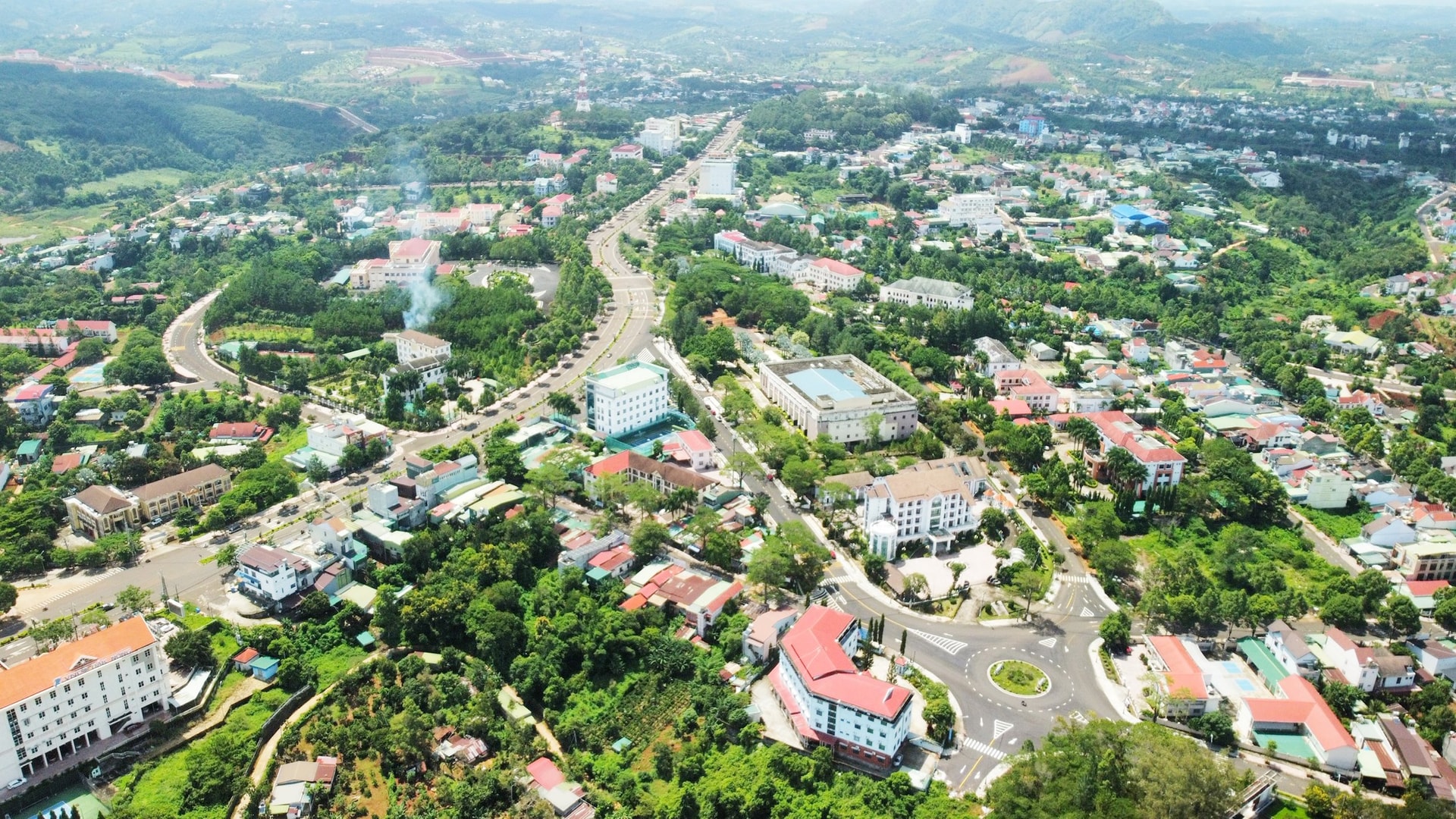
As a newly re-established province with a low starting point, Dak Nong faced many difficulties and challenges in its development process. However, through many efforts, after more than 21 years of formation (2004 - 2025), Dak Nong has become a moderately developed province in the region.
Currently, Dak Nong has undergone remarkable changes and achieved many outstanding accomplishments. By 2020, Dak Nong had escaped its status as a poor and underdeveloped province. By 2025, Dak Nong has made a significant mark in the Central Highlands region.
The transformation of Dak Nong is reflected in many "telling figures". The province's gross domestic product increased 12 times by 2023 compared to 2004. Dak Nong's economic growth rate in the first six months of 2025 reached 8.11%, ranking among the top in the Central Highlands region. The average per capita income by the end of 2024 reached 81 million VND/person/year.
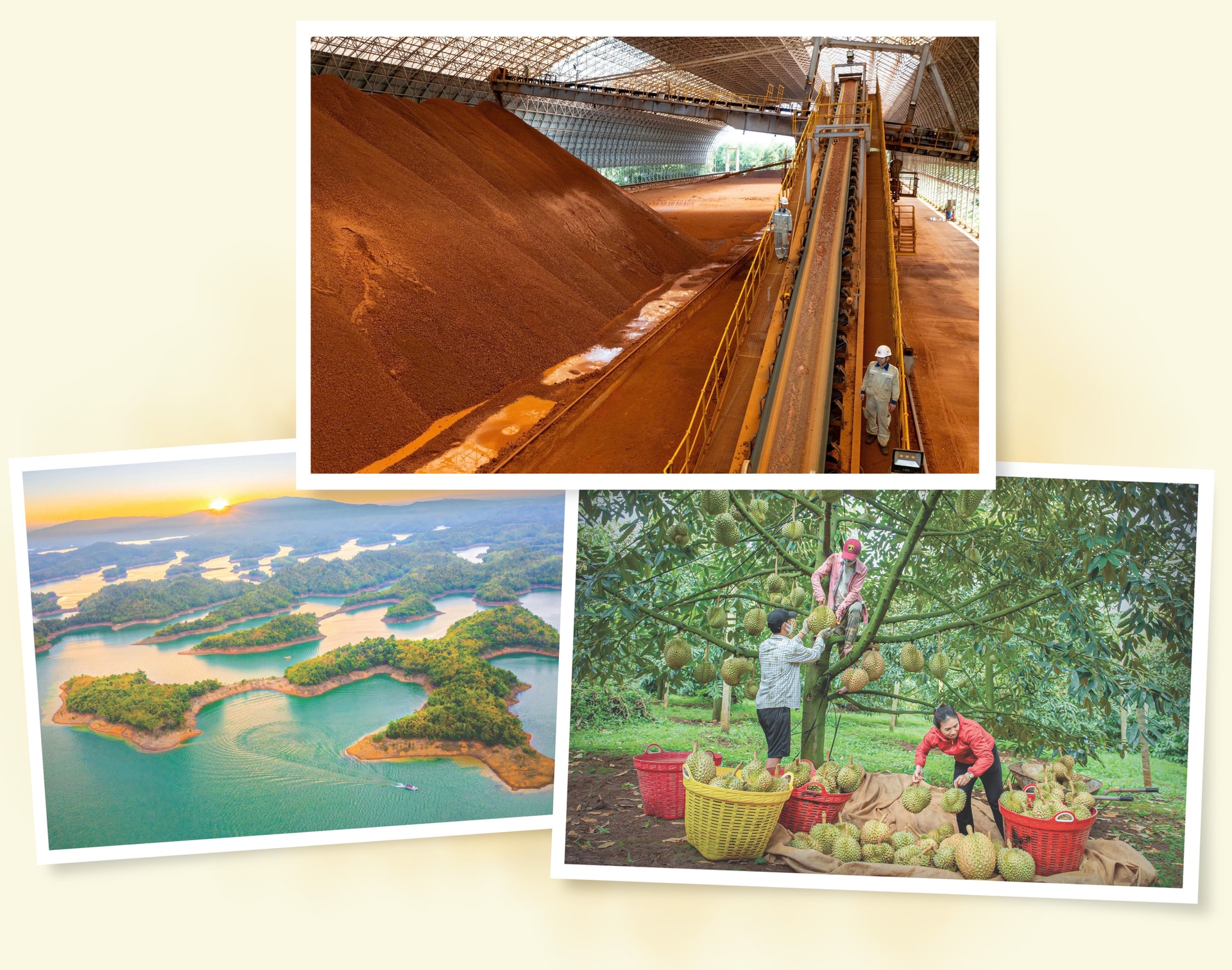

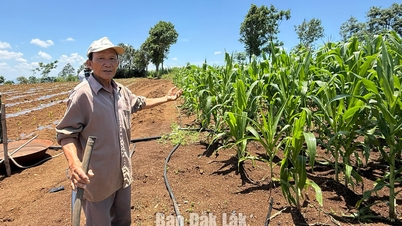
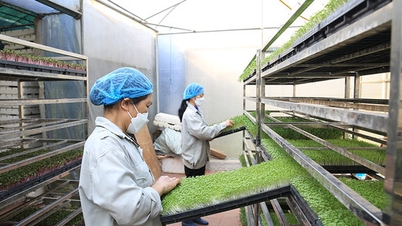
The province's economic structure has also undergone positive changes. In 2004, the economy was primarily agricultural, with agriculture accounting for 78.26% of the economy. By 2024, the agricultural sector had decreased to just over 37%. This was replaced by an increase in the industrial, construction, and service sectors. The agricultural sector is gradually shifting towards high-value production, applying advanced techniques, science, and technology.
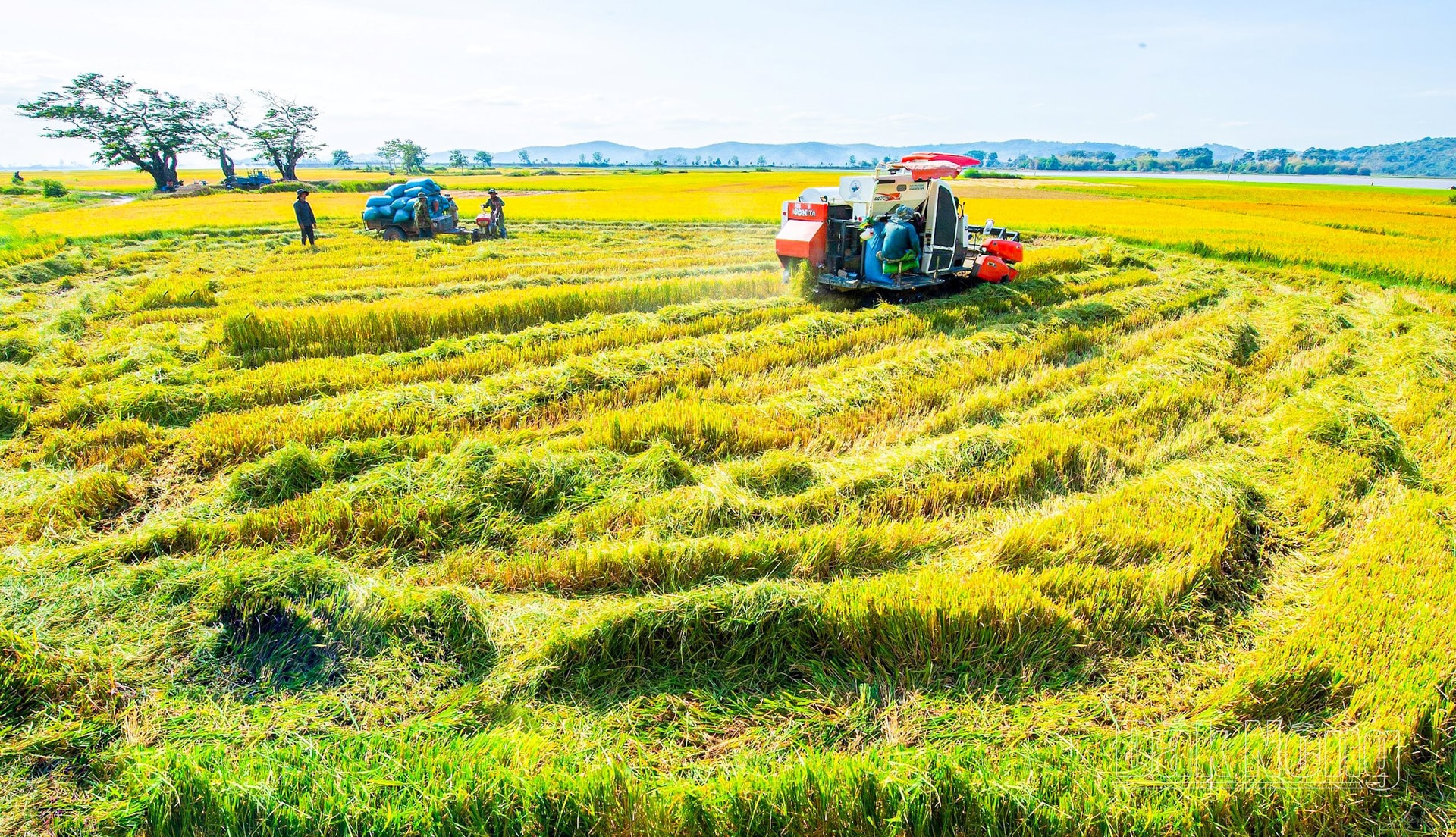
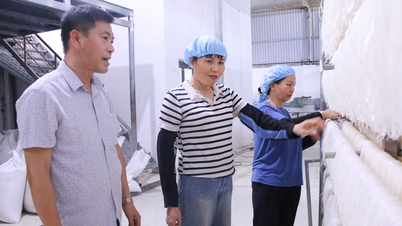
The province has many agricultural products that have established their brands in domestic and international markets, such as: coffee, pepper, rubber, passion fruit, sweet potato, avocado, durian, macadamia nuts...
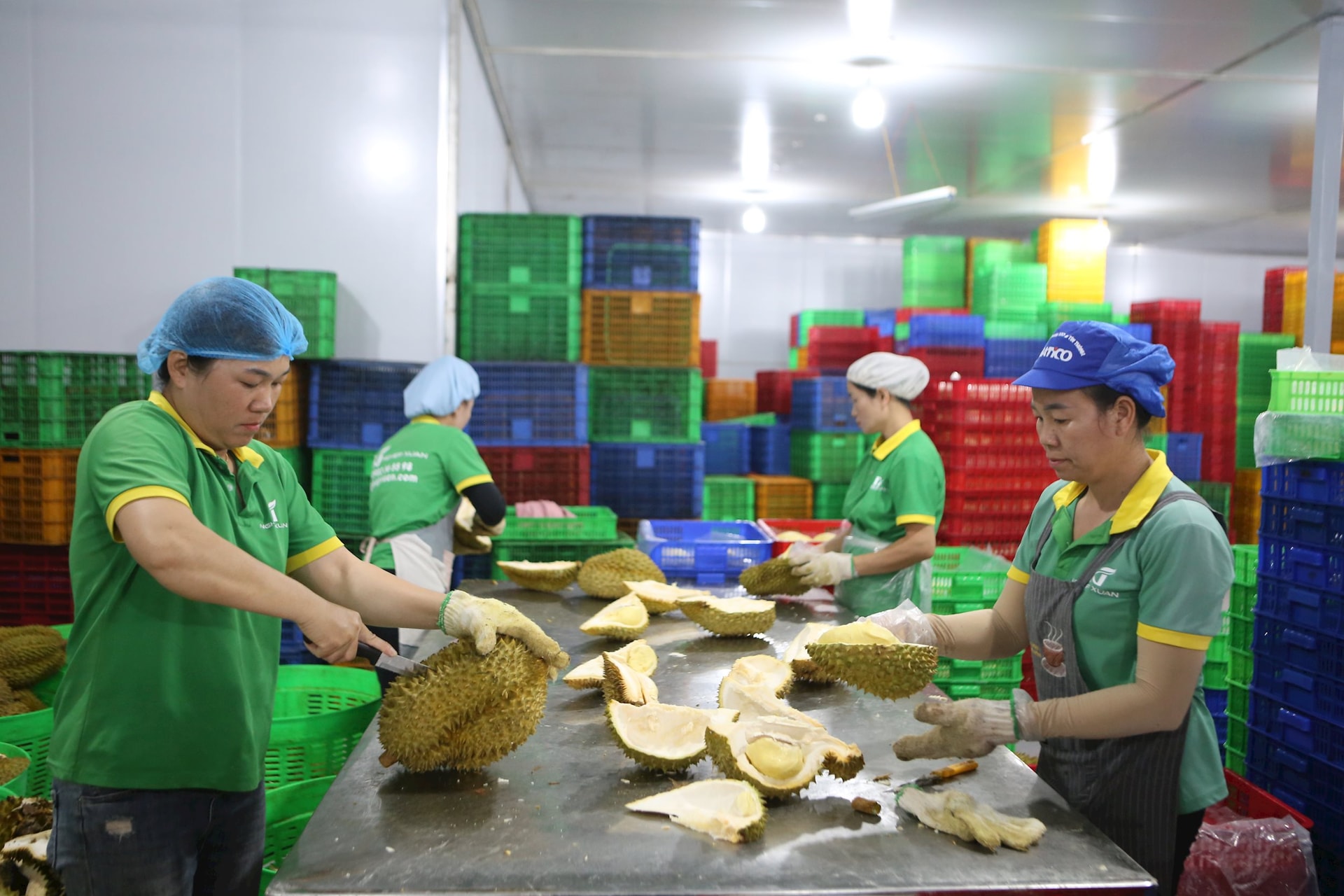
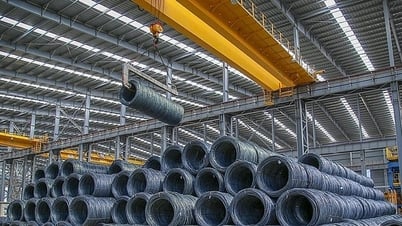
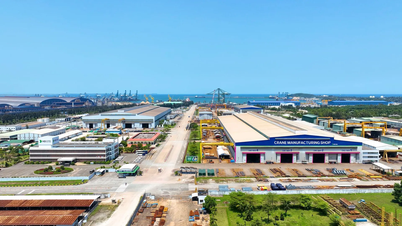
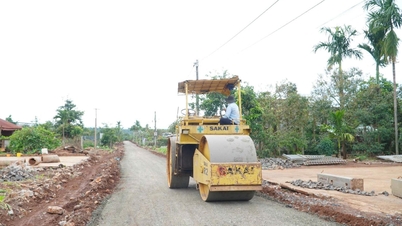
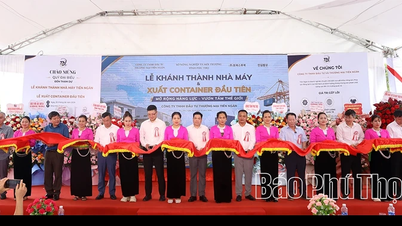
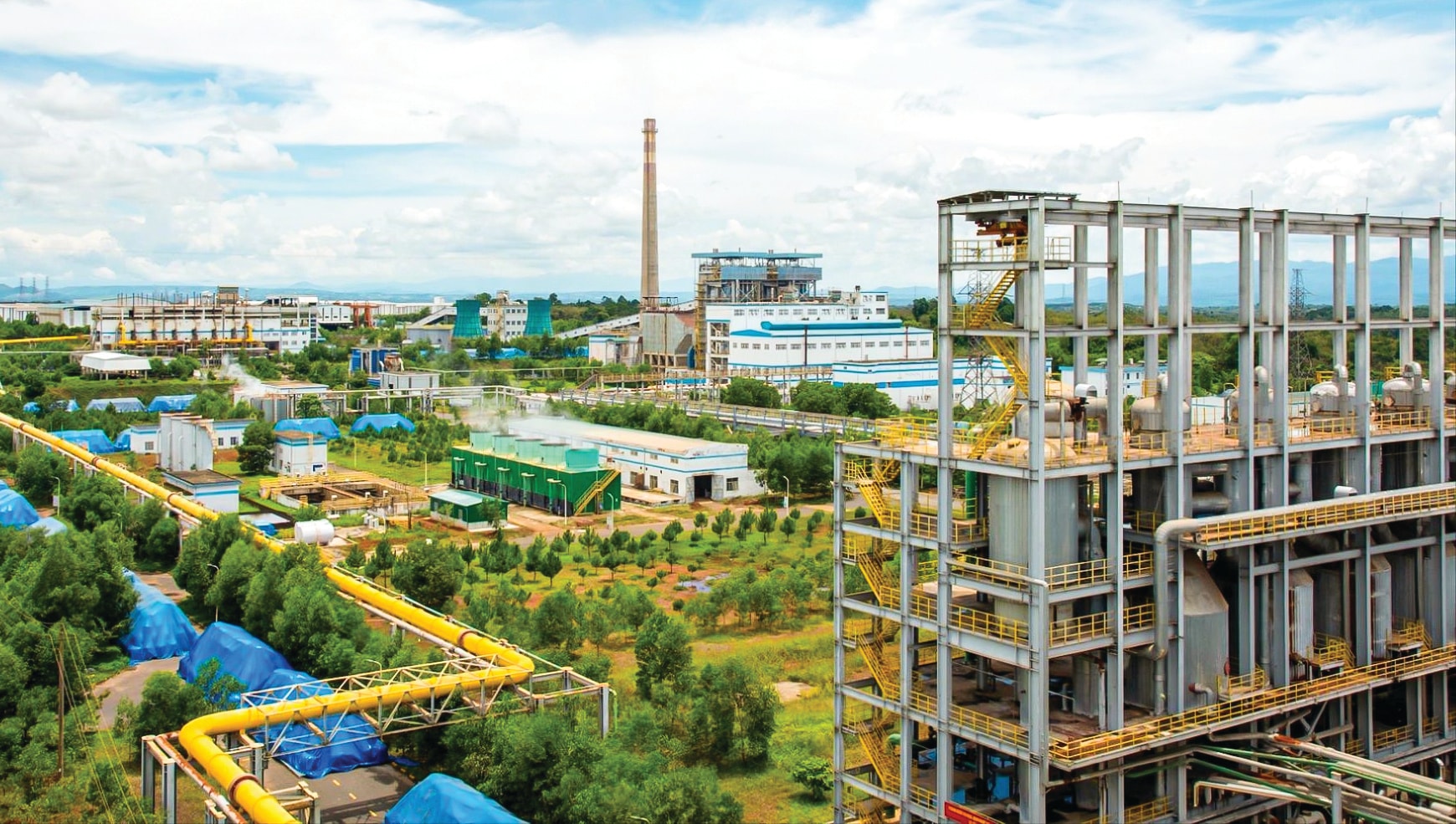
In the industrial sector, from a predominantly agricultural province with an insignificant industrial scale, Dak Nong now has thousands of industrial processing facilities and factories. Dak Nong has two industrial zones and is developing many industrial clusters to meet the development needs for many years to come. The scale of Dak Nong's industrial sector in 2024 is expected to increase nearly 28 times compared to 2004.
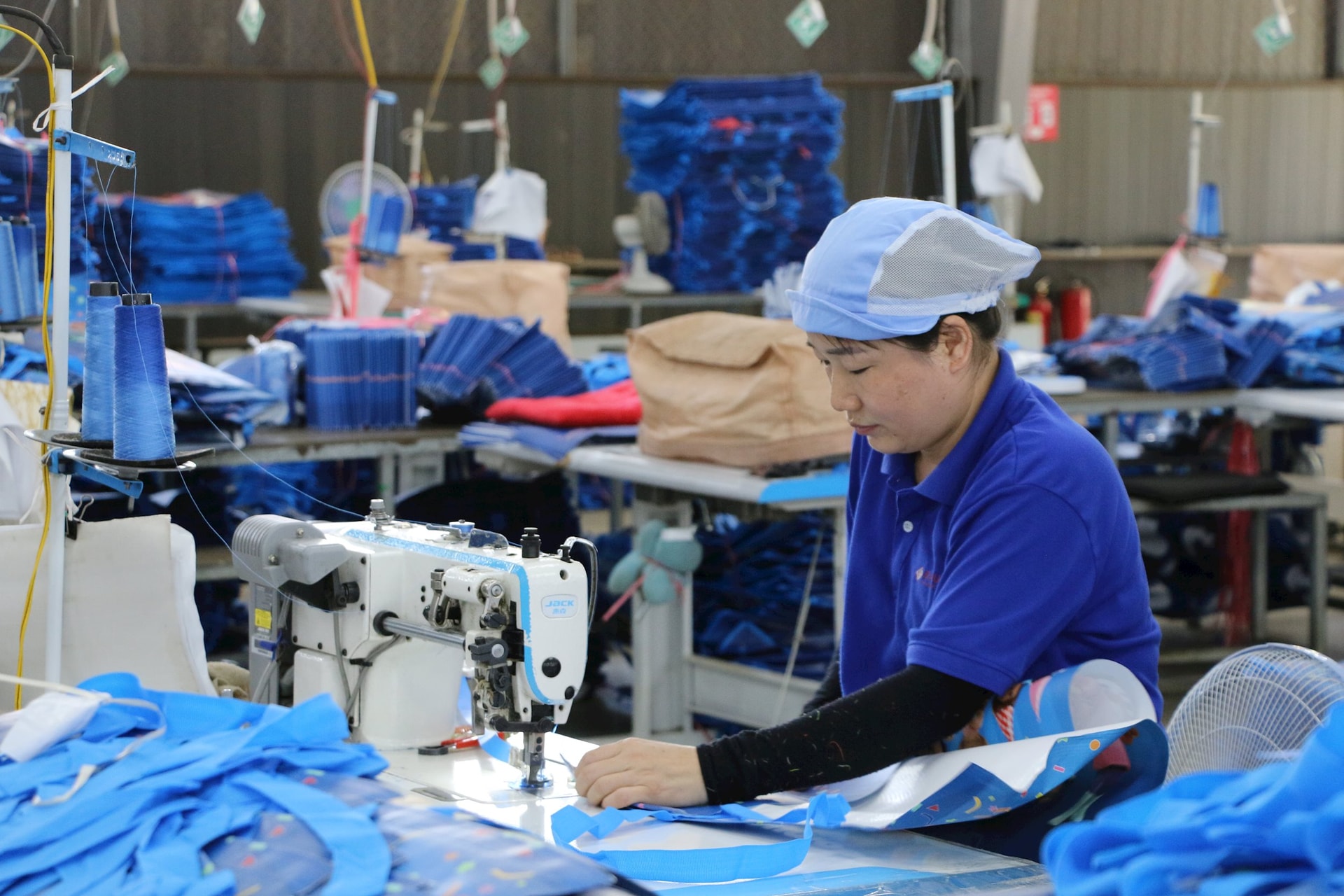
Production and business activities in Dak Nong are developing rapidly, with a high volume of goods circulation, meeting the demands of the economy and the lives of the people.

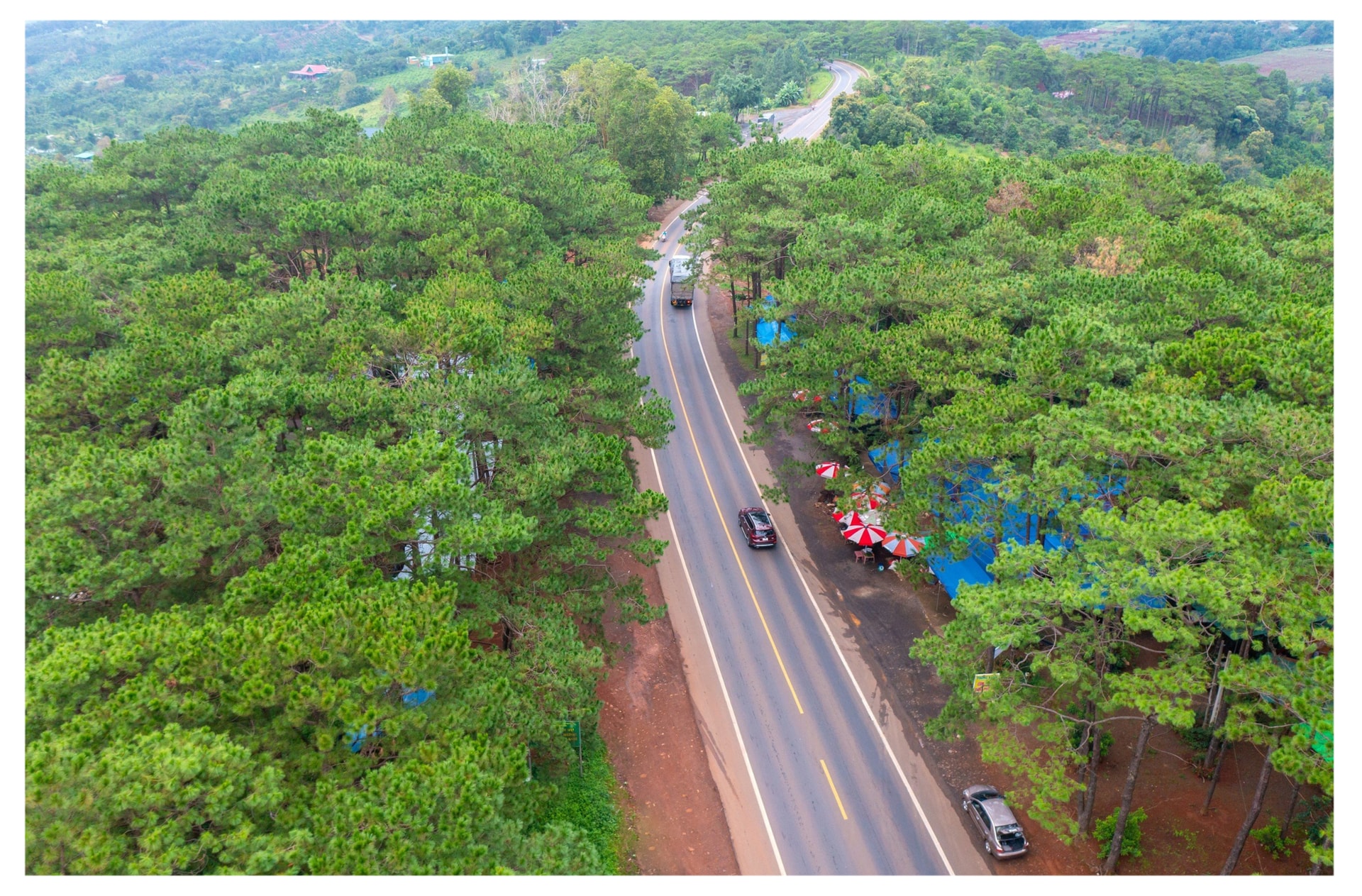
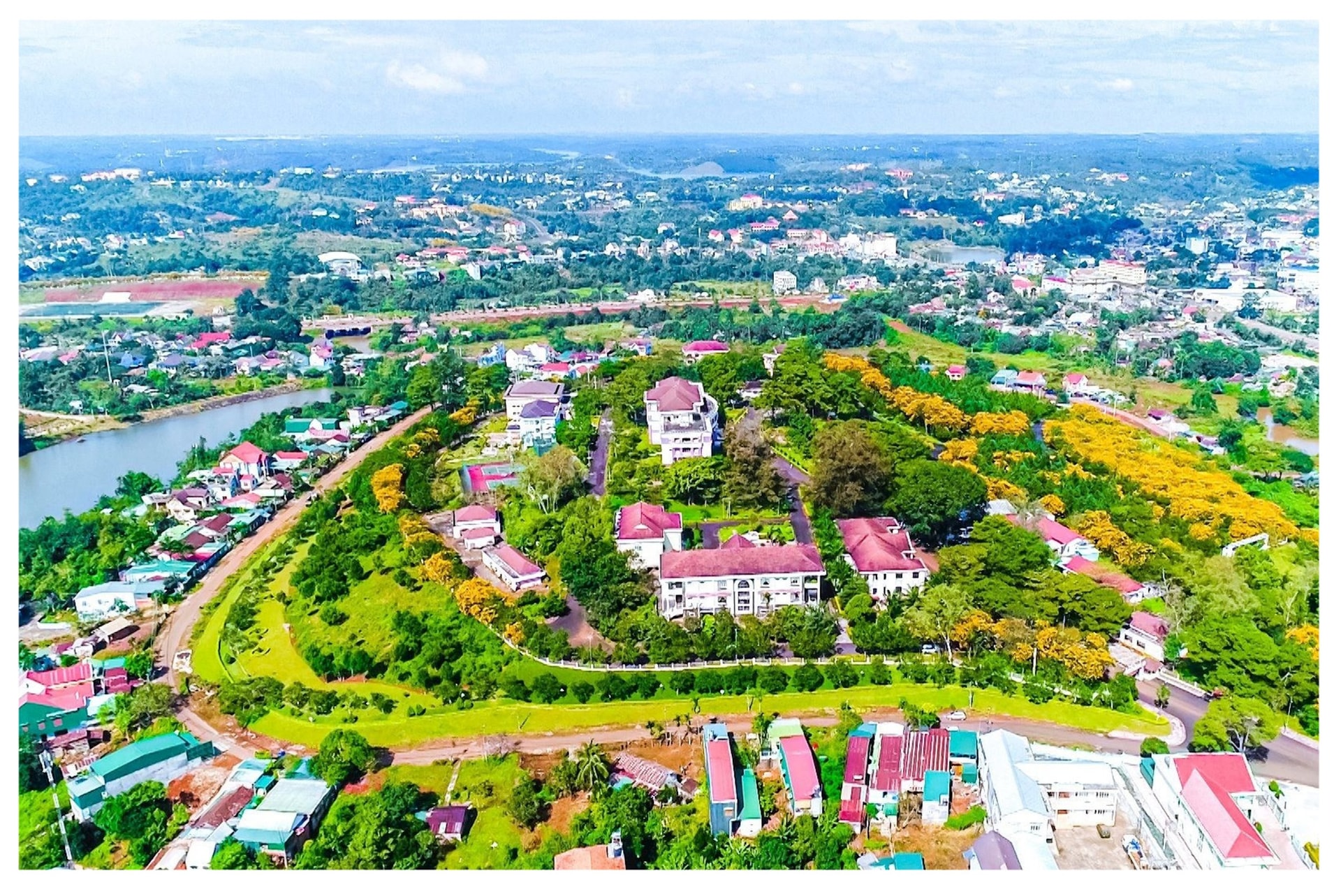




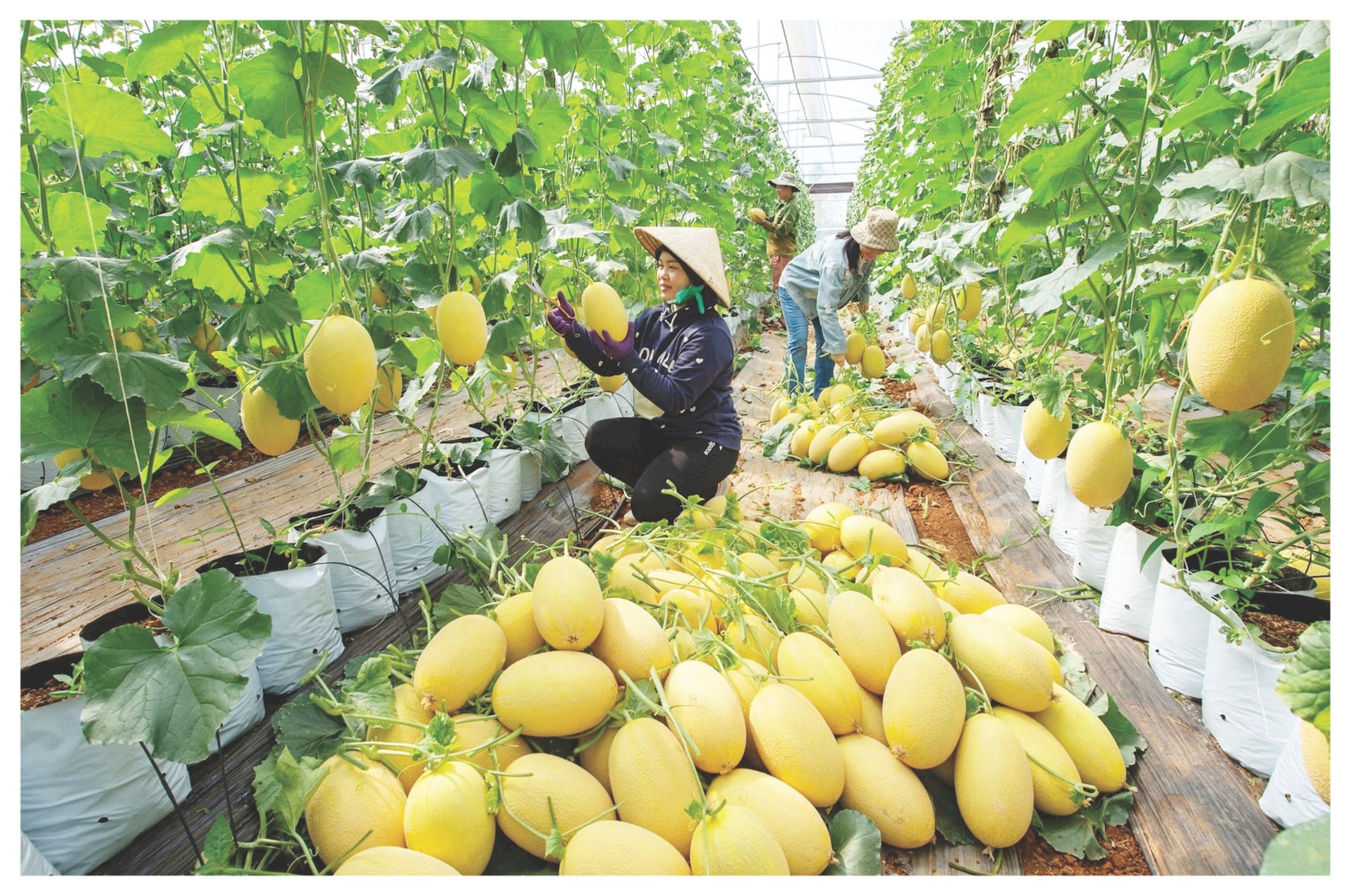
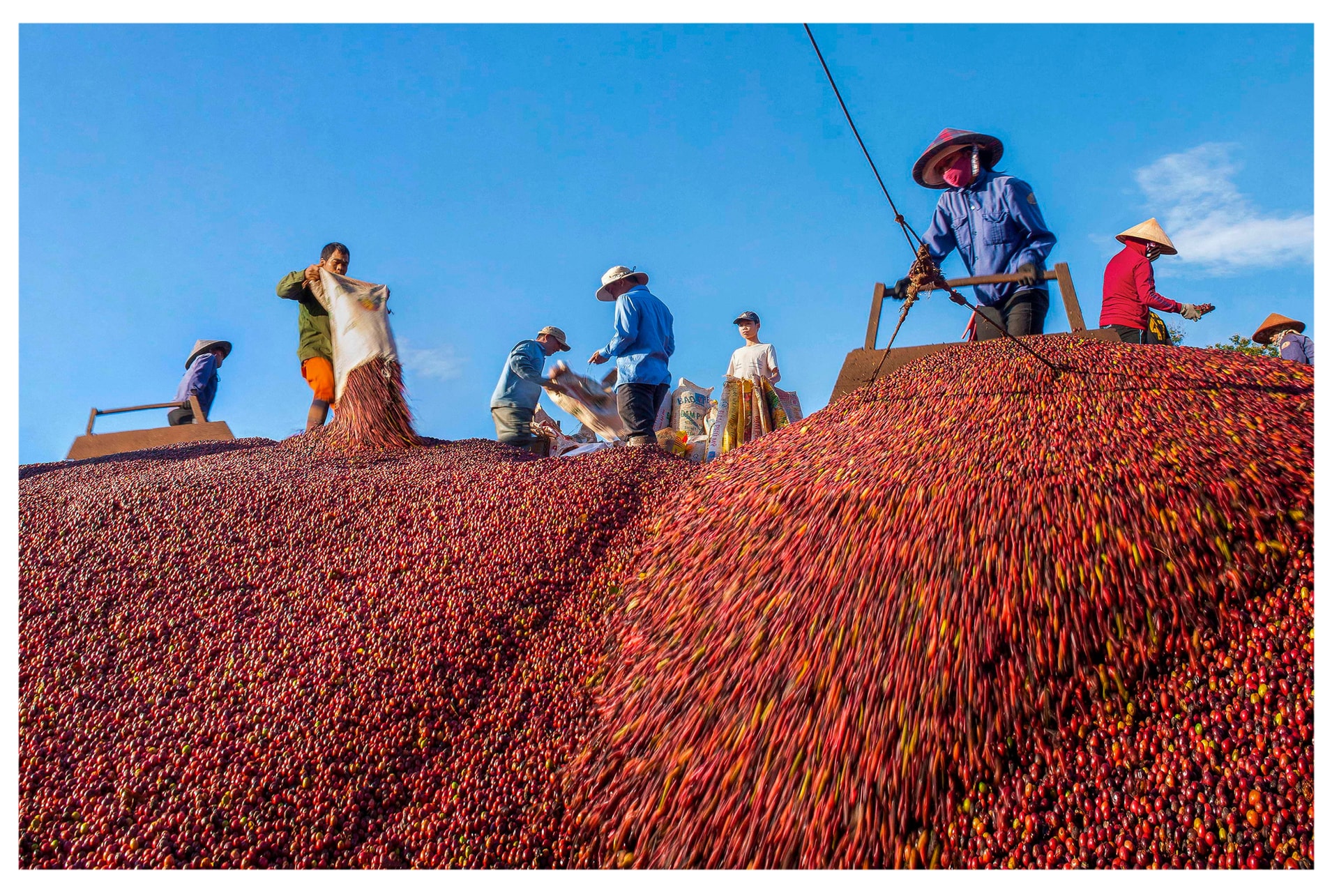
Many businesses have shown interest in investing in expanding production and modernizing equipment. Businesses are also adopting production and business methods that meet market demands, gradually yielding higher economic efficiency. Commercial activities in the province are becoming increasingly vibrant and developed, adapting to market mechanisms and international economic integration.
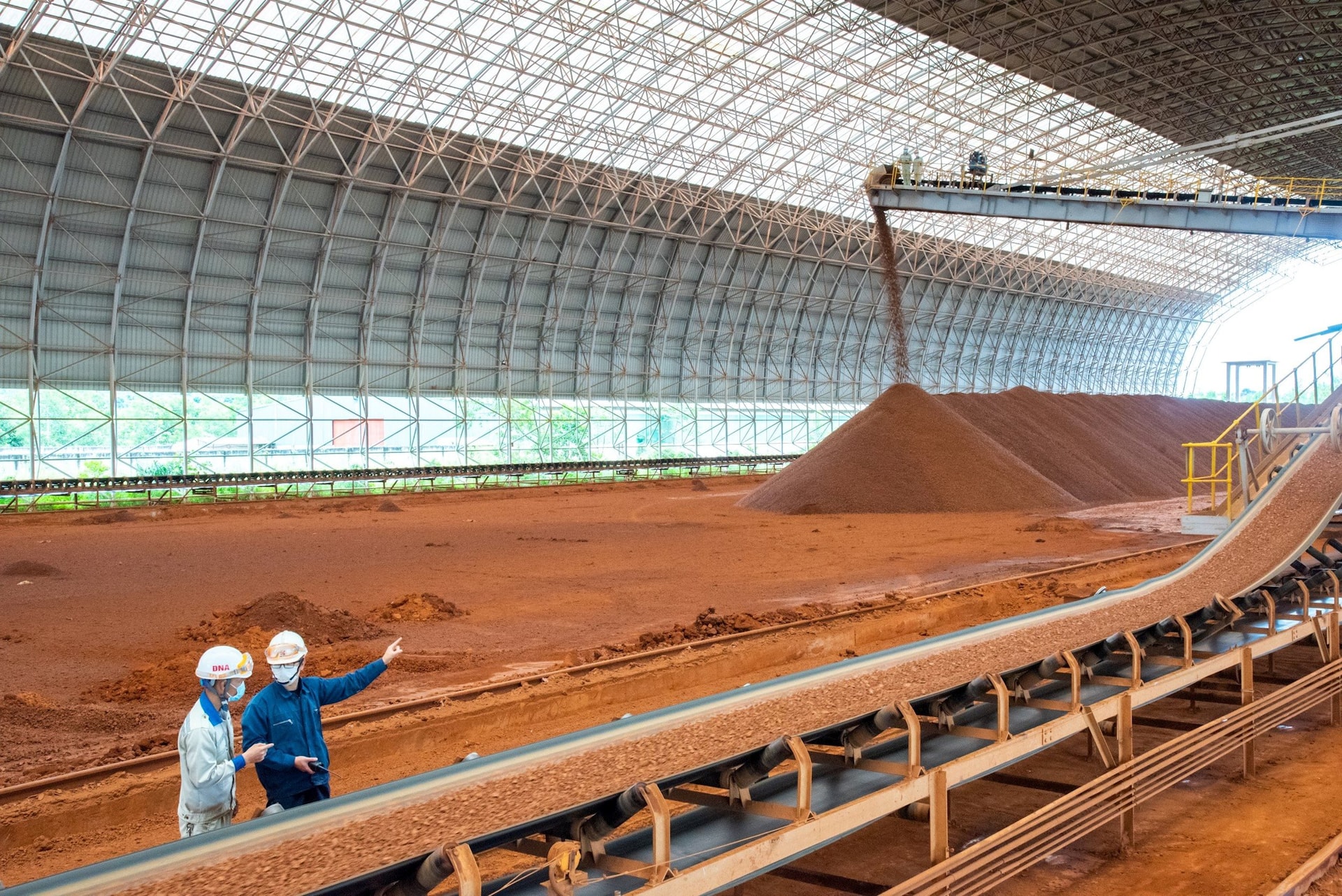
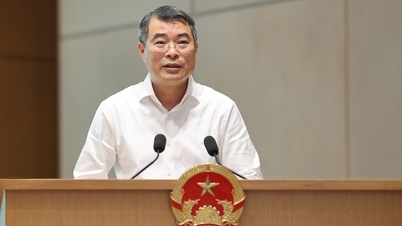
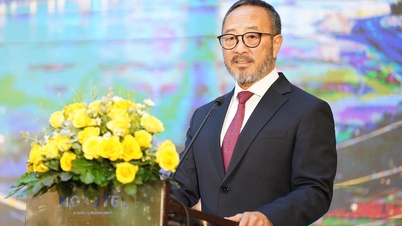
According to Ho Van Muoi, Deputy Secretary of the Provincial Party Committee and Chairman of the People's Committee of Dak Nong province, the achievements of Dak Nong are due to the decisive involvement, leadership, and direction of the Provincial Party Committee, the Provincial People's Council, and the Provincial People's Committee. These results are also the product of the joint efforts of the business community and the support and unity of all sectors of the population in the province.

"Although there are still difficulties and challenges, we are all proud of the results we have achieved. From here, we will be more proactive, more flexible, and more resolute in carrying out our tasks in the coming time," shared Ho Van Muoi, Chairman of the People's Committee of Dak Nong province.
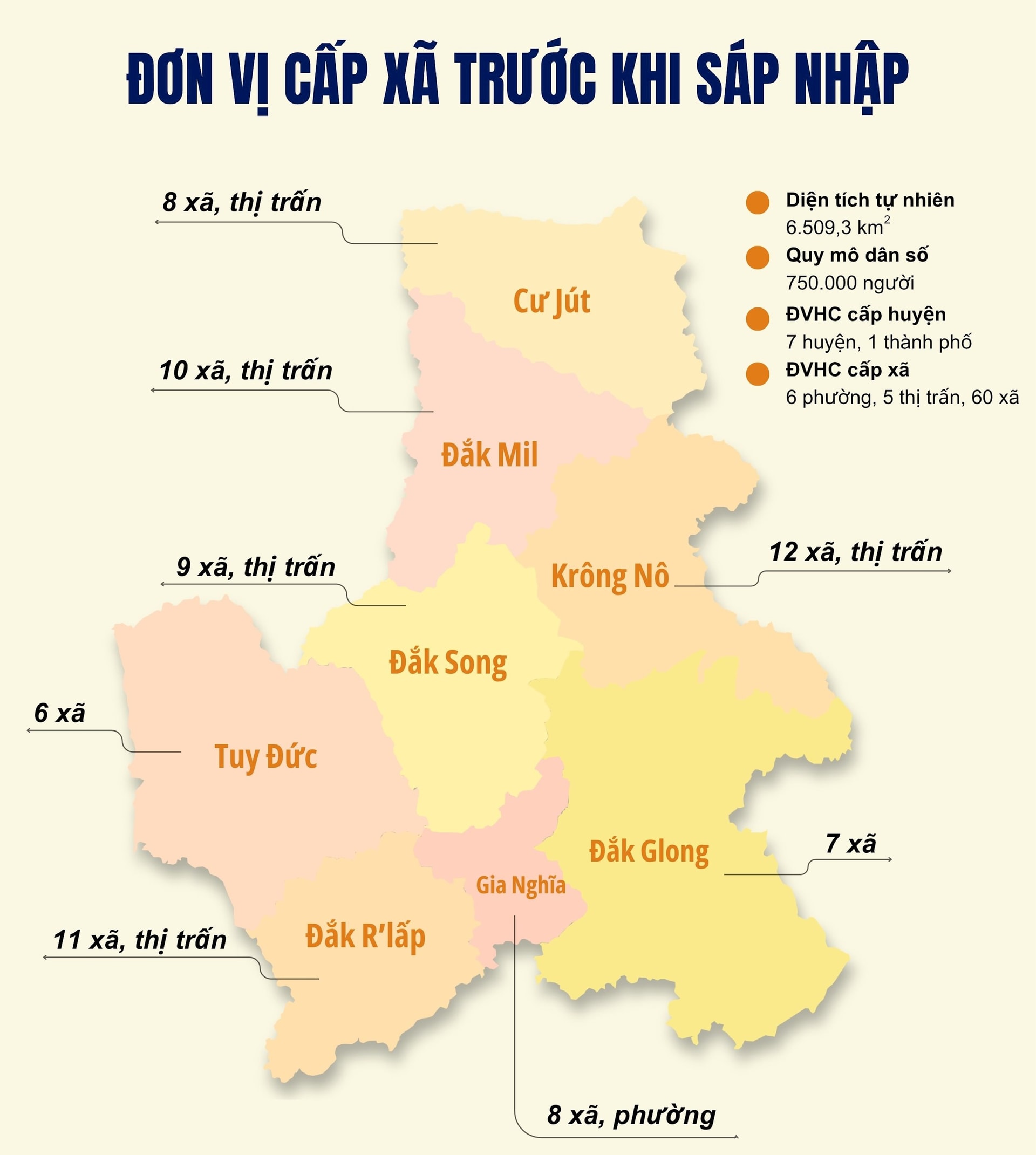


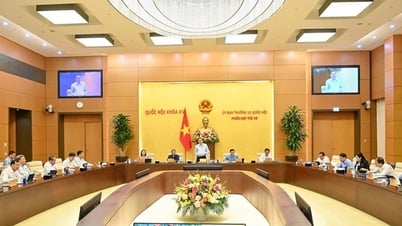
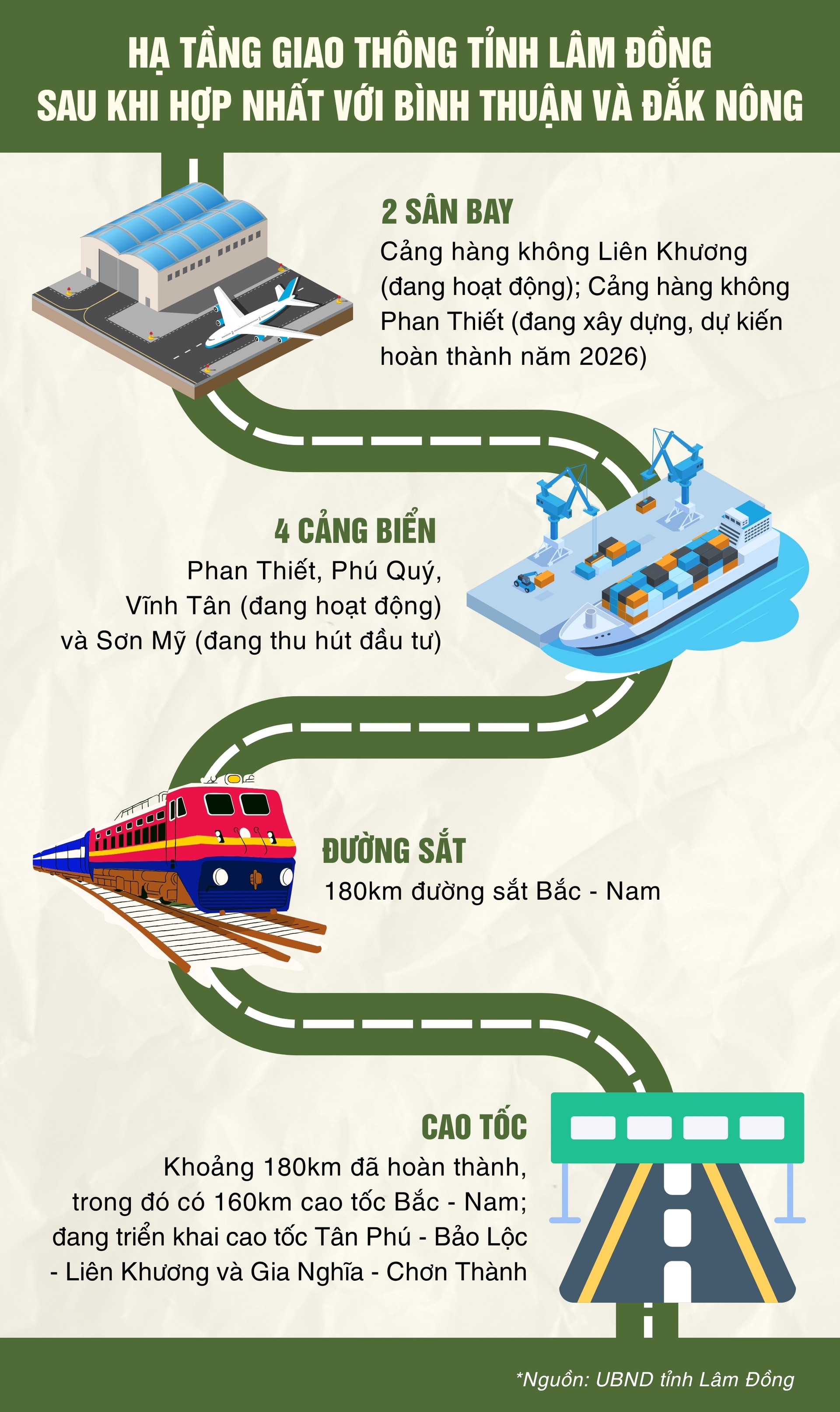
Decision 759/QD-TTg of the Prime Minister approved the merger of Dak Nong, Binh Thuan, and Lam Dong provinces under the name Lam Dong province. Following directives on streamlining the organizational structure and preparing for a two-tiered government system, the People's Committee of Dak Nong province has reorganized its local government.

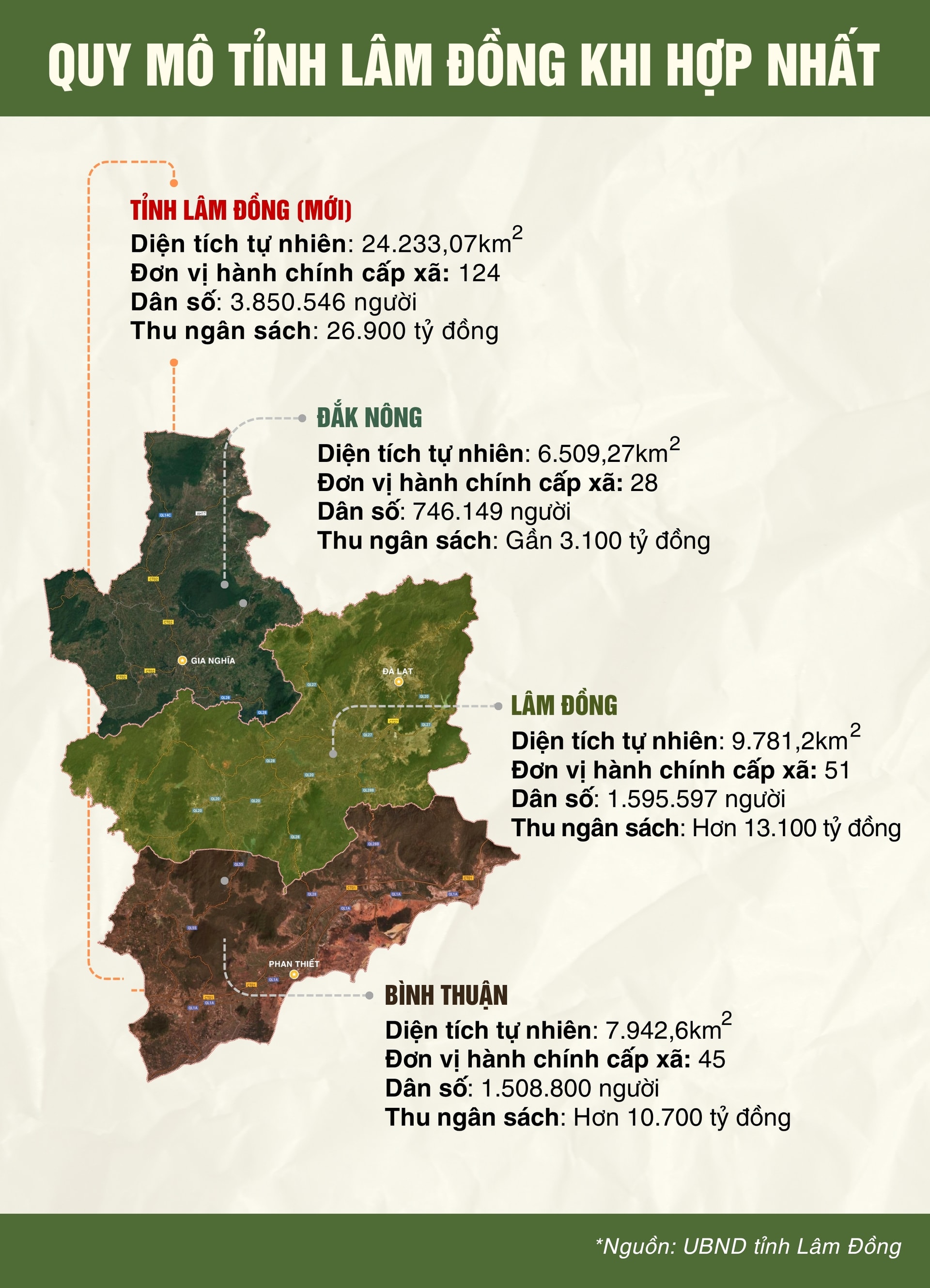
According to the Director of the Department of Internal Affairs, Do Tan Suong, the Standing Committee of the National Assembly has issued a Resolution on the reorganization of commune-level administrative units in Lam Dong province. Accordingly, the number of commune-level administrative units in Lam Dong after the merger is 124 new communes and wards. Specifically, Dak Nong province reduced its number of communes, wards, and towns from 71 to 28. Lam Dong province reduced its number of communes, wards, and towns from 137 to 51. Binh Thuan province reduced its number of communes, wards, and towns from 121 to 45.

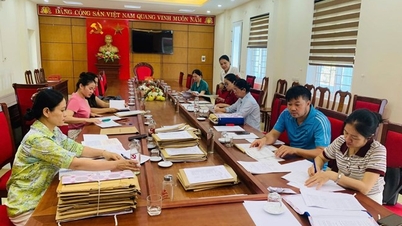
According to Mr. Suong, the total number of personnel at the district and commune levels in Dak Nong currently stands at 2,817. Dak Nong is planning to allocate approximately 100 personnel to each new commune and ward. Of these, the projected allocation is around 35 personnel for the Party branch and approximately 75 personnel for the government branch. Regarding public service units, the Provincial People's Committee has developed comprehensive plans to ensure there will be absolutely no disruption to operations during the transition from the two levels of government to operation.

Regarding the organizational structure of departments, agencies, and units, Dak Nong has directed its units to develop proposals and prepare all necessary conditions to submit to the Lam Dong Provincial People's Council for the issuance of resolutions establishing departments, boards, and agencies.
Essentially, all 14 departments and agencies of the three provinces of Dak Nong, Lam Dong, and Binh Thuan have now coordinated and completed the development of the project. The units have prepared plans regarding personnel, staffing, and infrastructure to ensure the successful implementation of tasks without interruption or delays during the transfer and restructuring process.

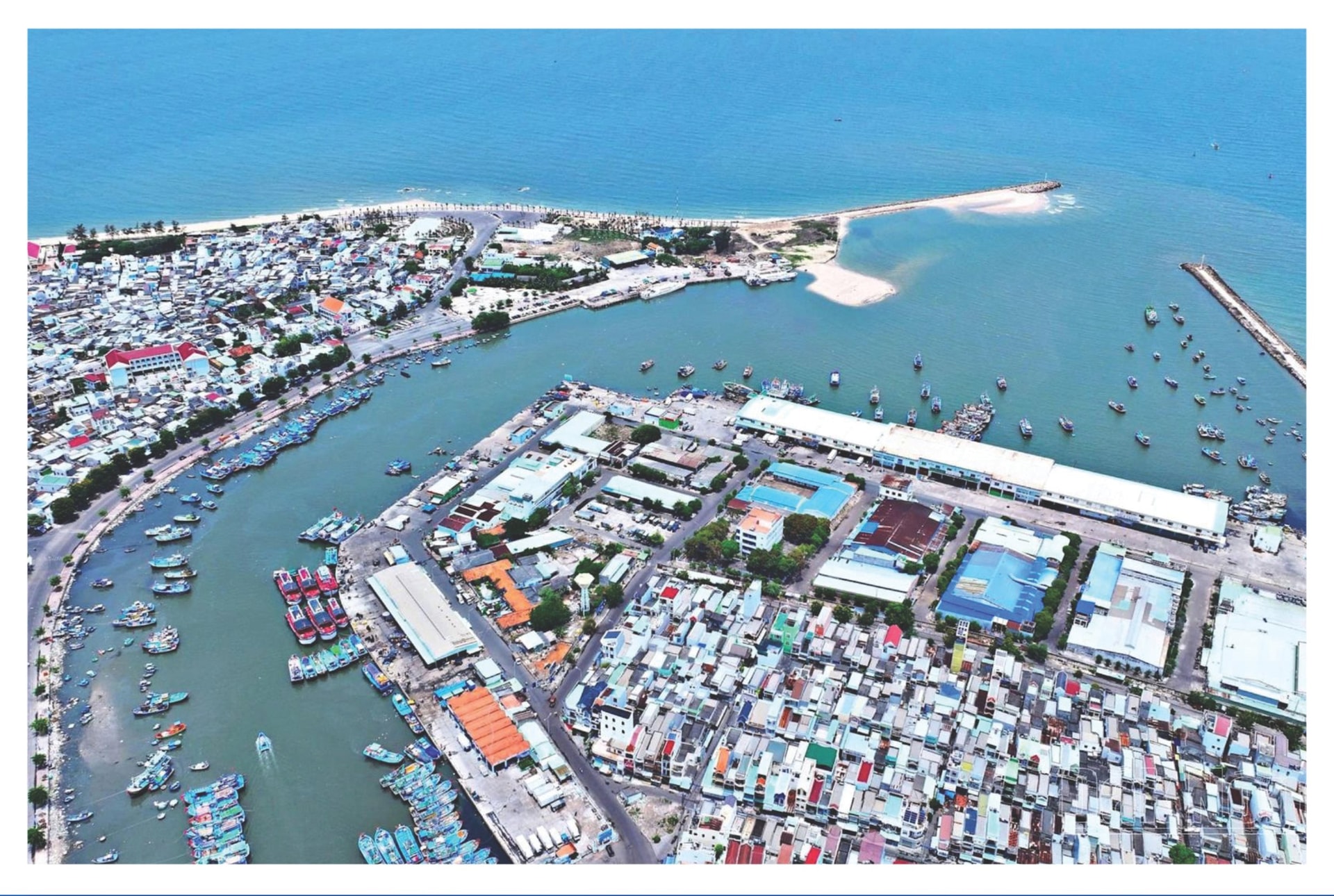
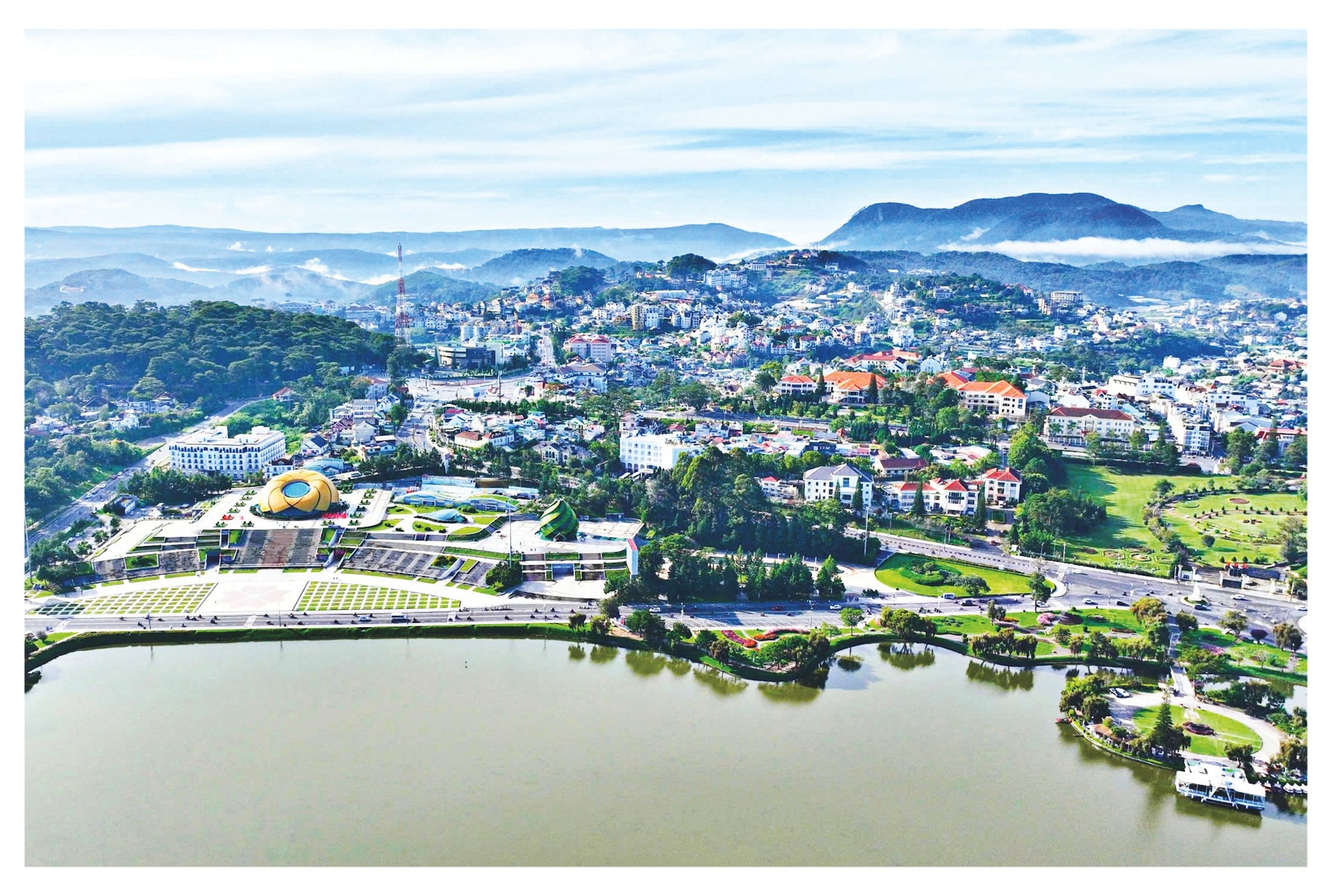

Regarding the arrangement of public assets, Dak Nong has nearly 150 headquarters of departments, agencies, and commune People's Committees. Currently, the Department of Finance, in coordination with the Department of Construction, the People's Committees of districts and cities, and relevant units, is reviewing and proposing arrangements, allocations, and uses of these headquarters. The locality will handle the finances and public assets after the administrative unit reorganization, resolutely preventing any waste or loss of state budget funds.
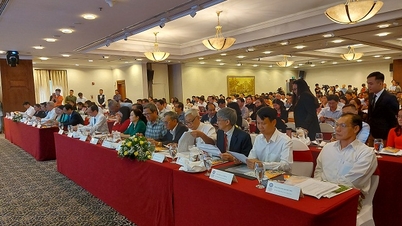
At a meeting on the handover and preparation for the new commune-level administration to become operational, held on June 19th, the Deputy Secretary of the Provincial Party Committee and Chairman of the People's Committee of Dak Nong Province, Ho Van Muoi, emphasized that the remaining time for the new administration to become operational is now counted in days. He stressed that departments, agencies, and localities should review what tasks remain unfinished and accelerate progress.





![[Photo] Strengthening character and expertise: Intense training for artillery soldiers.](https://vphoto.vietnam.vn/thumb/1200x675/vietnam/resource/IMAGE/2026/06/30/1782815602541_lu-368-1875-4571-jpg.webp)